Quick Answer
The Pigeon Silicone Teether Set is designed for soothing sore gums during teething, while the Preemie Silicone Nipple (WS-1) is a feeding accessory for smaller infants who need a slower flow. Choose the teether if your baby is chewing and drooling; choose the nipple if you need a gentle feeding solution for a preemie or newborn.
Understanding the Core Difference: Teething vs Feeding
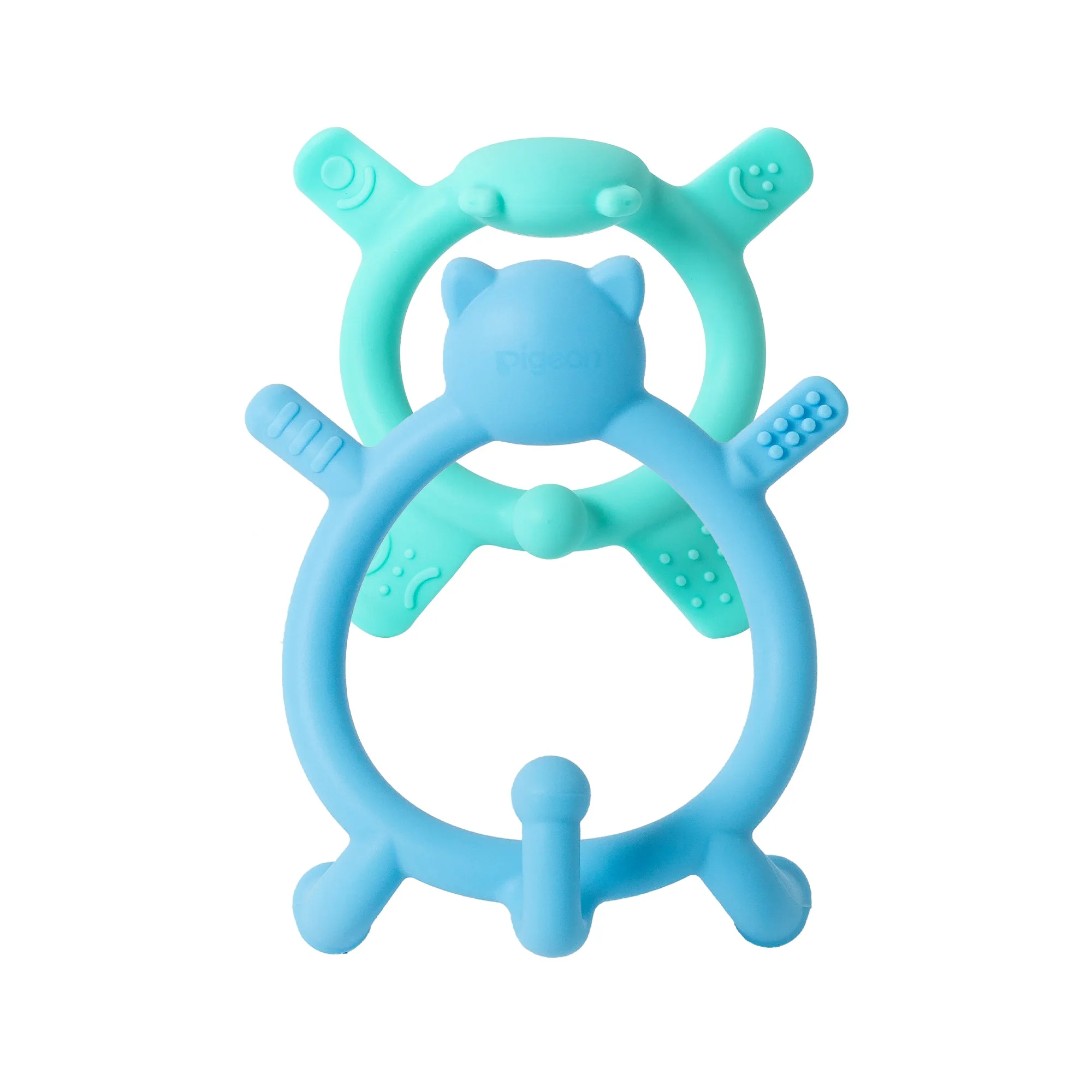
These two products serve completely different stages of early development. The Pigeon Silicone Teether Set targets babies who are actively teething—typically around 4 to 7 months and older—when gums become swollen and tender. The set includes two soft silicone teethers in blue and green that are easy for small hands to grip and gentle on sore gums.
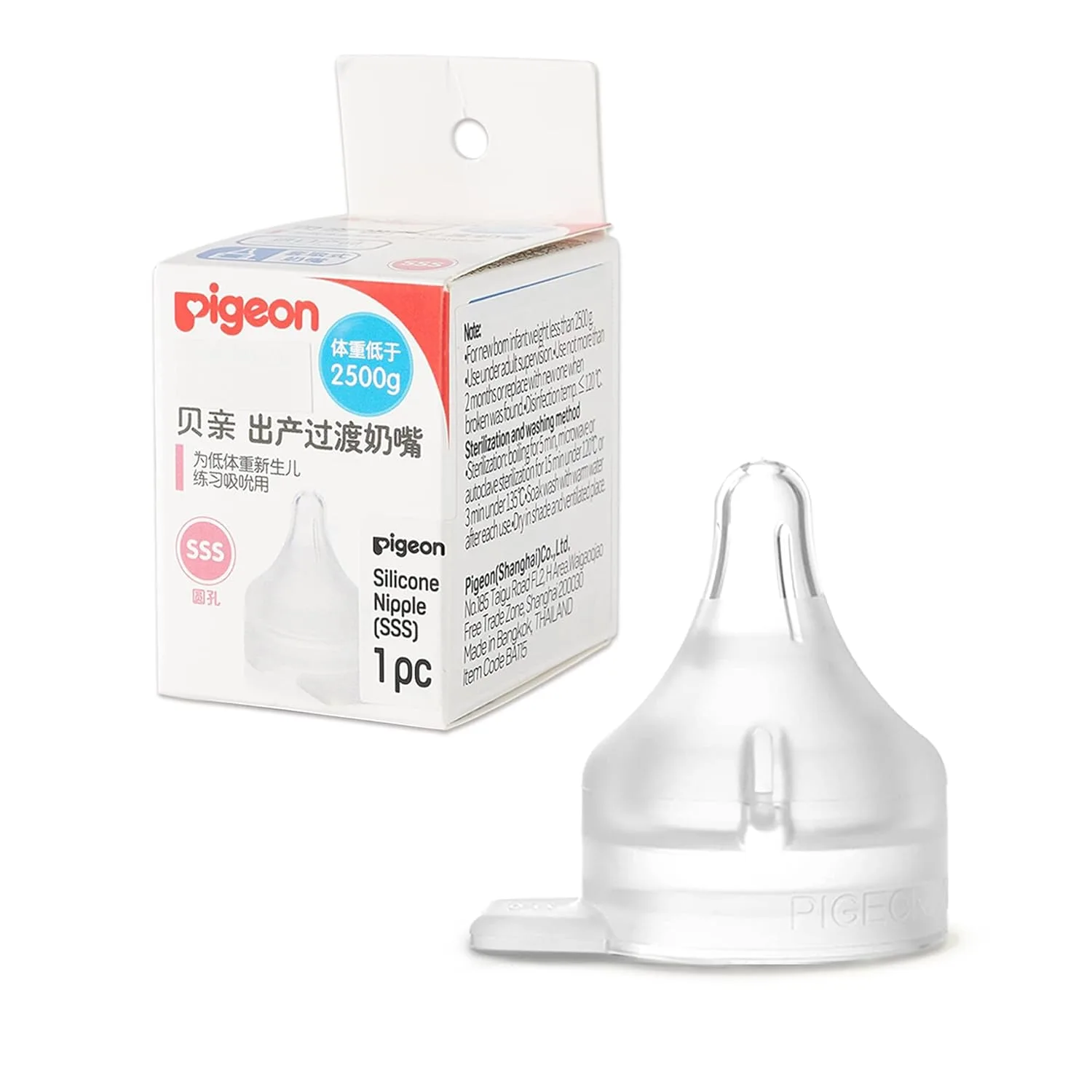
In contrast, the Pigeon Preemie Silicone Nipple (WS-1) is a feeding component designed specifically for preemie babies or very young newborns who need a slower, more controlled milk flow. It is sized as WS-1 (Preemie) and made from soft silicone for a gentle feeding experience. This nipple is intended for use with Pigeon bottles and is not a teething tool.
Key Considerations When Choosing
If your baby is showing signs of teething—excessive drooling, chewing on hands or objects, irritability—the silicone teether set provides a safe, chewable surface that soothes without damaging gums. The two-piece set gives you a spare or allows your baby to hold one while you keep the other clean.
If your baby is a preemie or has difficulty managing standard nipple flow, the Preemie Silicone Nipple offers a slower rate that reduces the risk of choking or overfeeding. It is a replacement part, so check compatibility with your existing Pigeon bottle before purchasing. Note that this product is sold as a single nipple, so you may need to buy multiple for daily rotation.
Material and Design Differences
Both products use silicone, but the teether set is designed for chewing and gripping, with a shape that encourages oral motor development. The silicone is soft yet durable enough to withstand repeated biting. The nipple, on the other hand, is shaped for sucking and is thinner and more flexible to mimic breastfeeding. Neither product contains BPA, but always follow cleaning instructions to maintain hygiene.
Tradeoffs at a Glance
- Purpose: The teether set is for soothing teething pain; the preemie nipple is for controlled feeding. Choose based on your baby's current need: teething relief or gentle feeding.
- Age and Development: Teethers suit older babies (typically 4+ months) who can grasp and chew. The preemie nipple is designed for newborns and premature infants who need a slower flow. Match the product to your baby's developmental stage.
- Quantity and Value: The teether set includes two pieces for USD 15.40, offering variety and backup. The preemie nipple is a single piece at USD 5.06, which may require multiple purchases for daily use. If you need multiple nipples, factor in the per-unit cost.
- Compatibility: The teether is a standalone product with no bottle required. The preemie nipple requires a compatible Pigeon bottle (compatibility not specified in catalog). Ensure you have the right bottle before buying the nipple.
Product Facts at a Glance
- Pigeon Silicone Teether Set(Blue&Green): Includes a two-piece teether set with blue and green color options. Made from soft, flexible silicone material that is gentle for baby’s mouth. Easy for small hands to hold. The two-pack gives you a backup or variety, and the easy-grip design helps babies self-soothe during teething.
- Preemie Silicone Nipple(WS-1), 1 Count: Made from silicone for a soft, flexible feel. Specifically sized as WS-1 (Preemie) for smaller infants. Suitable for use with Pigeon bottles. The preemie flow rate is critical for tiny babies who cannot handle standard nipples, reducing the risk of aspiration or overfeeding.
Which One Fits Your Baby?
Best For
- Babies showing teething symptoms who need a safe, chewable soother
- Parents who want a two-pack teether set for variety and easy gripping
Not For
- Newborns or preemies who need a slow-flow feeding nipple
- Parents who need a complete bottle system rather than a single nipple