Quick answer
Start with one solid, textured base pillow and one patterned accent, then add a throw that repeats a color already in the room. Keep the pillow count odd, vary the sizes, and let the throw do the heavy lifting for seasonal color. If you are unsure, choose a larger solid pillow and a smaller patterned one rather than two competing prints.
Pairing pillows and throws is less about matching and more about giving the eye a place to rest. A sofa or bed looks collected when one element is quiet and another is expressive, and the throw ties the two together.
The fastest way to get it right is to decide the base color first, then add texture, then add pattern. This guide walks through pillow sizes, pattern scale, throw placement, and the trade-offs that come with each choice.
Start with a solid base, then add one pattern
A solid or low-contrast pillow gives patterned pillows something to sit against. If every pillow has a print, the arrangement reads as busy rather than layered. Choose one patterned pillow as the focal point and let the others support it with texture or a quieter print.
Texture can come from fabric weave, embroidery, or a slightly different finish. You do not need to identify the exact material to make this work; you only need to notice whether a pillow reflects light or absorbs it. A mix of both keeps the grouping from looking flat.
- Use one patterned pillow for every two solid or textured pillows.
- If two patterns share a color, they can coexist; if they share only a mood, separate them with a solid.
Pillow size guide for sofas, chairs, and beds
Size is the most common reason a pillow arrangement looks off. A very large pillow can overwhelm a small chair, while a tiny pillow disappears on a deep sofa. As a rule, the largest pillow should be roughly one-third the width of the seating area, with smaller pillows layered in front.
On a bed, pillows usually step down in size from back to front. The back layer can be the largest, the middle layer slightly smaller, and the front accent pillow the smallest. This creates a natural taper and keeps the bed looking intentional rather than stacked.
- Measure the seat width before buying; a pillow wider than one-third of the seat will crowd the arms.
- For a bench or narrow chair, choose two smaller pillows rather than one oversized one.
Mixing pillow patterns without a headache
Pattern mixing works when the patterns differ in scale. A large floral next to a small stripe or dot reads as deliberate because the eye can separate them. Two medium-scale patterns in similar colors tend to blur together.
Color is the other lever. If you keep the palette to two or three colors, you can add more patterns without chaos. Pull one color from the room's existing art, rug, or wall, and repeat it in the throw or a smaller pillow.
- Pair a large-scale print with a small-scale print, not two medium prints.
- Repeat one accent color at least twice in the grouping to make it look connected.
How to choose and place a throw
A throw should add color or texture without competing with the pillows. If the pillows are patterned, choose a solid or subtly textured throw. If the pillows are solid, a patterned throw can be the focal point. This keeps one layer dominant and the other supportive.
Placement matters as much as style. Folded over the back of a sofa, a throw softens the line and adds height. Draped across an arm, it looks casual and easy to move. On a bed, a throw across the foot adds a horizontal band of color that ties the pillows to the rest of the room.
- A throw should be long enough to drape with a little extra, not so long that it pools on the floor.
- If you use a throw daily, choose one that can be folded and refolded without losing its shape.
Coordinating throw colors with what you already own
The easiest way to coordinate a throw is to pull a color from something already in the room. That could be a secondary color in a pillow, a shade in a rug, or a tone in a piece of art. You are not matching exactly; you are echoing.
If you want a seasonal change without replacing everything, keep the base pillows neutral and swap only the throw and one accent pillow. This is the lowest-cost way to shift the room from summer to fall or from neutral to holiday.
- Take a photo of the room and look at it in black and white to check contrast.
- Buy the throw last, after the pillows are in place, so you can see what color is missing.
Decision rules for pairing pillows and throws
- If the sofa or bed is already busy: Choose solid or low-contrast pillows and a textured throw in a color pulled from the room. Quiet the base before adding pattern.
- If the room feels flat: Add one large-scale patterned pillow and a throw with a visible weave or print. One strong pattern is enough; do not add a second competing print.
- If you are unsure about size: Measure the seat width and keep the largest pillow to about one-third of that width. Oversized pillows crowd small furniture; undersized pillows disappear on deep seating.
- If you want a seasonal refresh: Keep neutral base pillows and change only the throw and one accent pillow. This gives you a new look without replacing the whole arrangement.
- If you are buying a gift: Choose a throw in a color the recipient already uses, and pair it with a card that can be kept or sent. Safe colors and a blank card make the gift easier to use.
Product facts that help with pairing
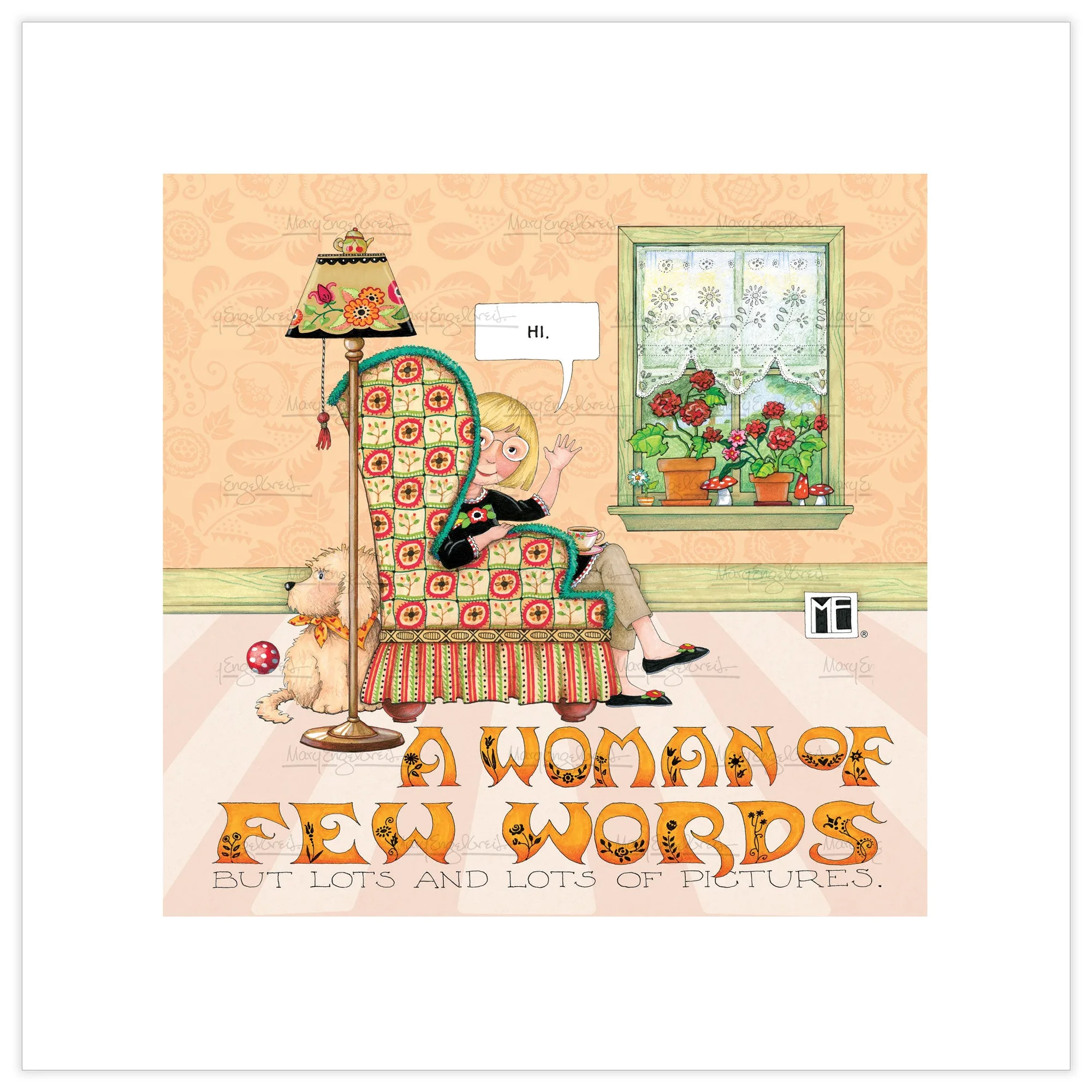
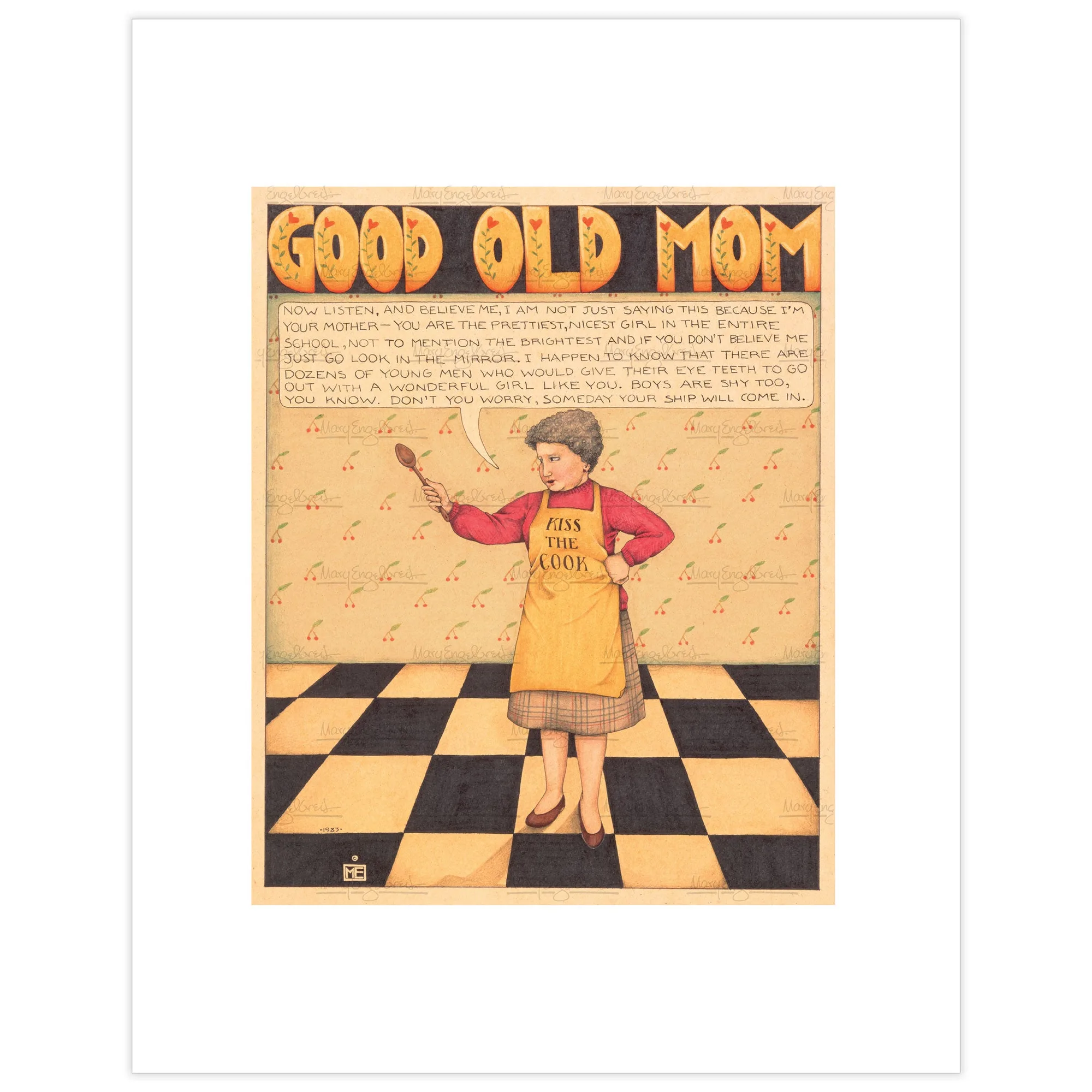
- Woman of Few Words Fine Art Print: Printed on high-quality, textured paper; standard frame size; available with Mary's signature; created to order with up to one week for processing. A framed print with a textured finish can act as the visual anchor for a pillow and throw grouping, especially when you repeat one of its colors in the throw.
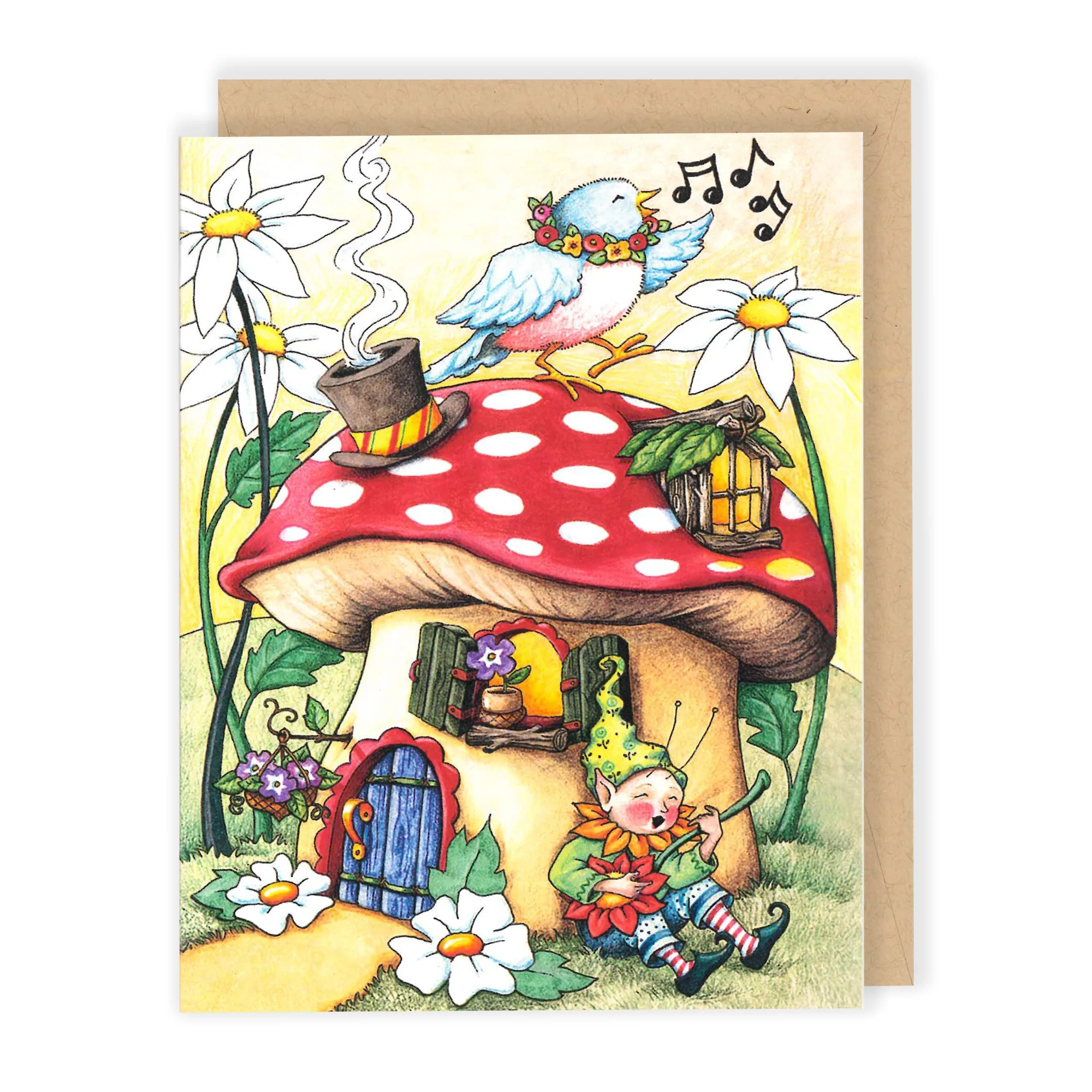
- Joyous Fantasy Greeting Card: Blank inside; measures 4.25" x 5.5"; printed on premium, thick cardstock; 100% recycled envelope with a bubblegum-flavored gummed flap; printed in the USA. The card's size and blank interior make it a simple way to test a color or motif before committing to a larger pillow or throw purchase.
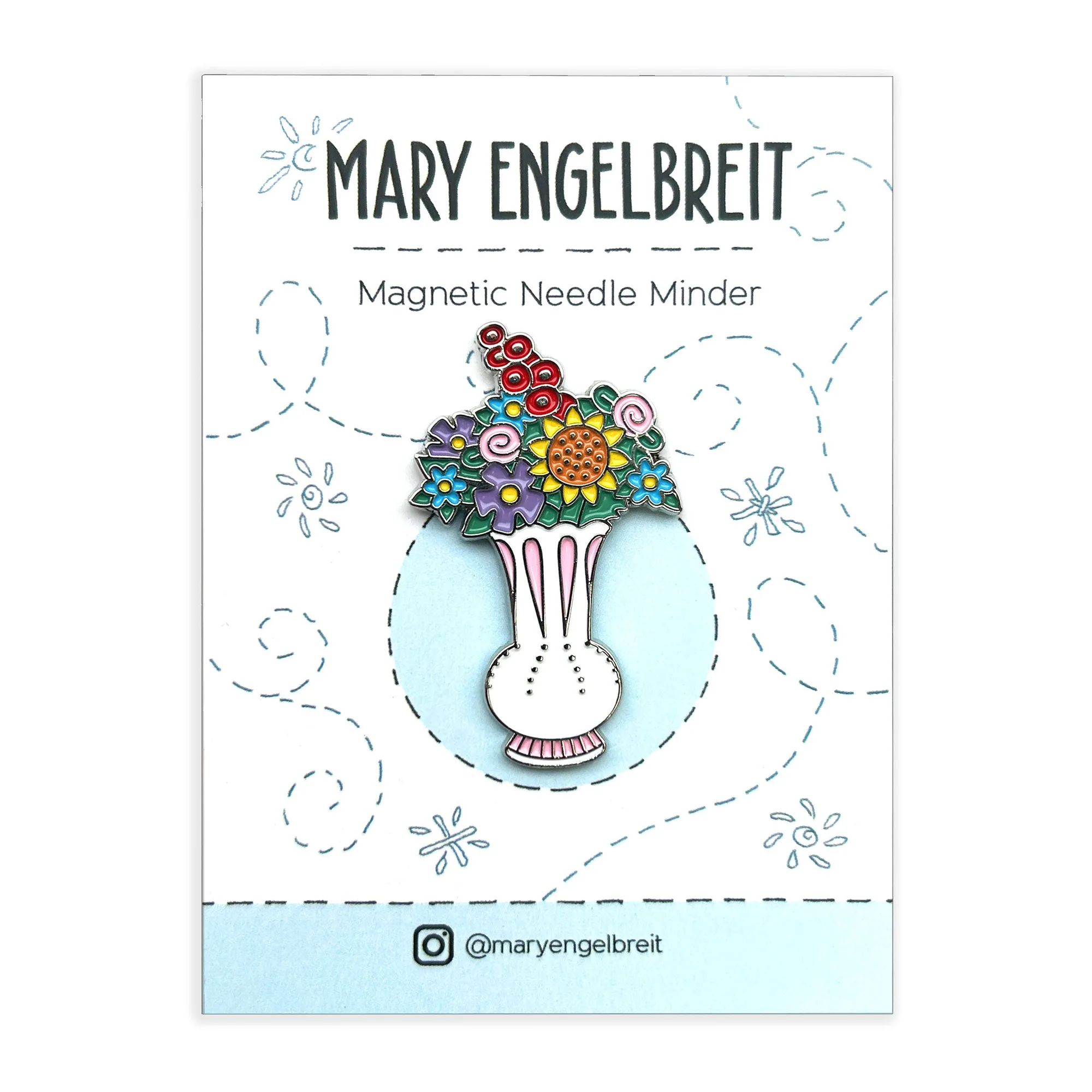
- Bouquet Needle Minder: Attaches to fabric with a strong magnet; designed to keep needles in place during needle crafting sessions. If you sew or embroider your own pillow covers or throws, a needle minder keeps the project organized and the needle where you can find it.
- Mary's Witches Sticker Sheet: Two sheets of 4" x 4" stickers packaged in a plastic sleeve; 14 stickers per sheet. Useful for labeling storage bins or craft boxes when you rotate pillows and throws seasonally, so the right pieces are easy to find.
Who this approach fits
Best for
- Renters or first-time decorators who want a low-commitment way to update a room
- Anyone refreshing a sofa, chair, or bed with pillows and a throw they already own
- Shoppers who want a repeatable rule instead of matching every piece exactly
Not for
- People who want a fully matched set with identical fabrics and colors
- Rooms where every surface is already covered in pattern and no solid base exists
- Anyone unwilling to measure furniture before buying oversized pillows
Pairing pillows and throws gets easier when you decide the base color first, add one pattern, and let the throw repeat a color already in the room. Measure before you buy, keep the pillow count odd, and change only one or two pieces when you want a seasonal refresh.