Quick answer
Choose pin-on hooks for lightweight curtains, sheers, and panels when you want a no-sew, quick setup that works with traverse rods, curtain rings, or flat rods. Choose sew-on hooks when you need a more secure hold for heavier fabrics or permanent installations. Pin-on hooks are faster and removable; sew-on hooks are stronger and more durable.
How pin-on hooks work and where they fit
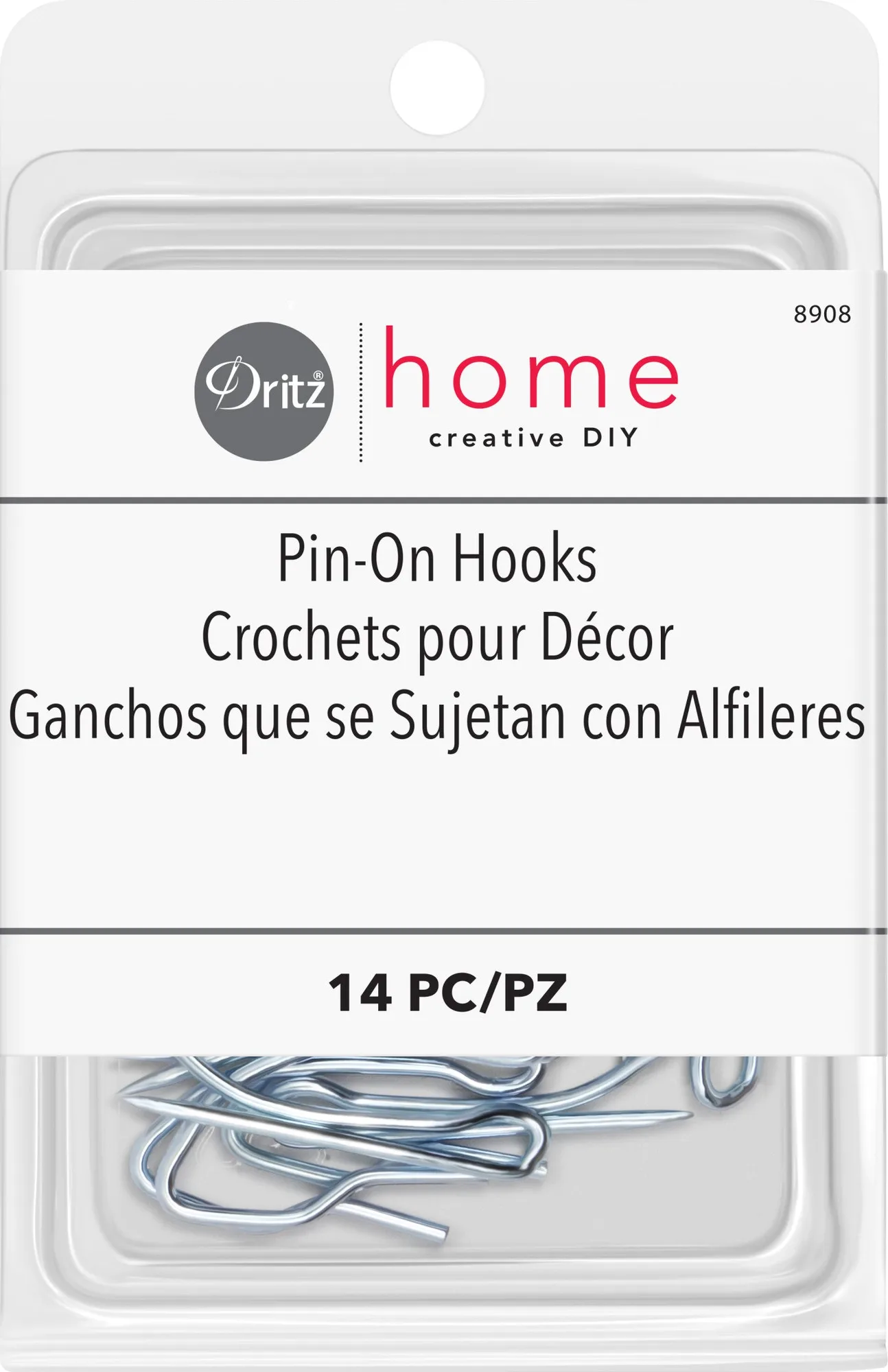
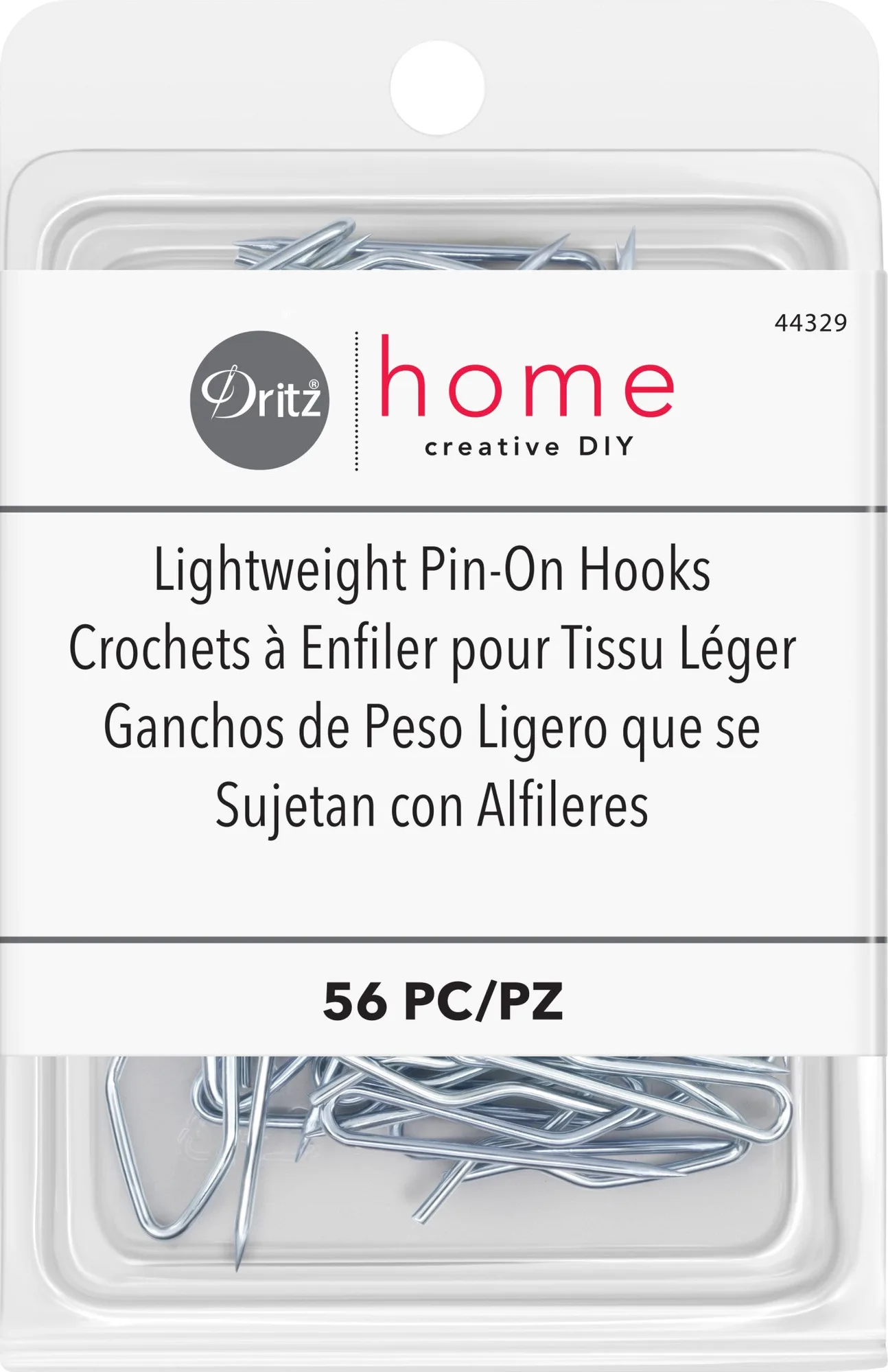
Pin-on hooks have a sharp prong that you push through the fabric, usually at the top hem or header. No needle or thread is required, so you can hang a curtain in minutes and reposition the hooks if the spacing looks off. Dritz Home Lightweight https://prymamerica.com/products/dritzpinhooksilv-14314c54c3f65543048cc455-1316646Pin-On Hooks, Silver, 56 pc are designed for lightweight curtains and draperies. The package includes 56 hooks, and they work with traverse rods, curtain rings, and flat curtain rods. You can also use them for panels and sheers. Because the hook pierces the fabric, it leaves a small hole that may be visible if you remove it later. Pin-on hooks are not intended for heavy fabrics; the prong can pull through or bend under too much weight.
How sew-on hooks differ and when they win
Sew-on hooks are stitched to the fabric or to a curtain header tape. The thread distributes the load across the stitching area, so a sewn hook holds more weight and resists pulling out better than a pin-on hook. This makes sew-on hooks a better choice for medium to heavy curtains, lined drapes, or any window treatment that gets opened and closed daily. They are also less likely to leave visible holes if you remove them, though you will need to unpick the stitches. The trade-off is time: you need a needle and thread or a sewing machine, and repositioning means removing and re-sewing. For a permanent or high-traffic installation, that extra effort is usually worth it.
What to check before you buy
Start with the fabric weight. If your curtain is sheer, lightweight, or unlined, pin-on hooks are usually sufficient. If it is heavy, lined, or blackout, plan on sew-on hooks. Next, look at your rod type: pin-on hooks work with traverse rods, rings, and flat rods, but check that the hook shape matches your rod or ring. For sew-on hooks, confirm you have a header tape or hem allowance wide enough to stitch into. Finally, consider how often you will change the curtains. Pin-on hooks let you swap panels seasonally without tools; sew-on hooks are better for a set-and-forget window. If you are unsure, test one pin-on hook on an inconspicuous corner and hang a small section to see how the fabric responds.
Trade-offs at a glance
- Installation effort: Pin-on hooks require no sewing and can be placed in minutes. Sew-on hooks need needle and thread or a sewing machine. If you want a quick, temporary hang, pin-on wins; for a permanent finish, sew-on is worth the time.
- Hold strength: Sew-on hooks distribute weight through stitches and hold heavier fabrics better. Pin-on hooks rely on a prong through the fabric and are intended for lightweight curtains. Match the hook to the fabric weight: lightweight for pin-on, medium to heavy for sew-on.
- Reusability and fabric impact: Pin-on hooks can be removed and repositioned, but may leave small holes. Sew-on hooks can be unpicked, but the process is slower and may leave needle marks. Choose pin-on if you change curtains often; choose sew-on if the installation is long-term.
Product facts
- Lightweight Pin-On Hooks, Silver, 56 pc: Lightweight Pin-On Hooks, Silver, 56 pc work with traverse rods, curtain rings, and flat curtain rods, and can be used for panels and sheers. You can hang lightweight curtains without sewing and adapt the same hooks to different rod setups.
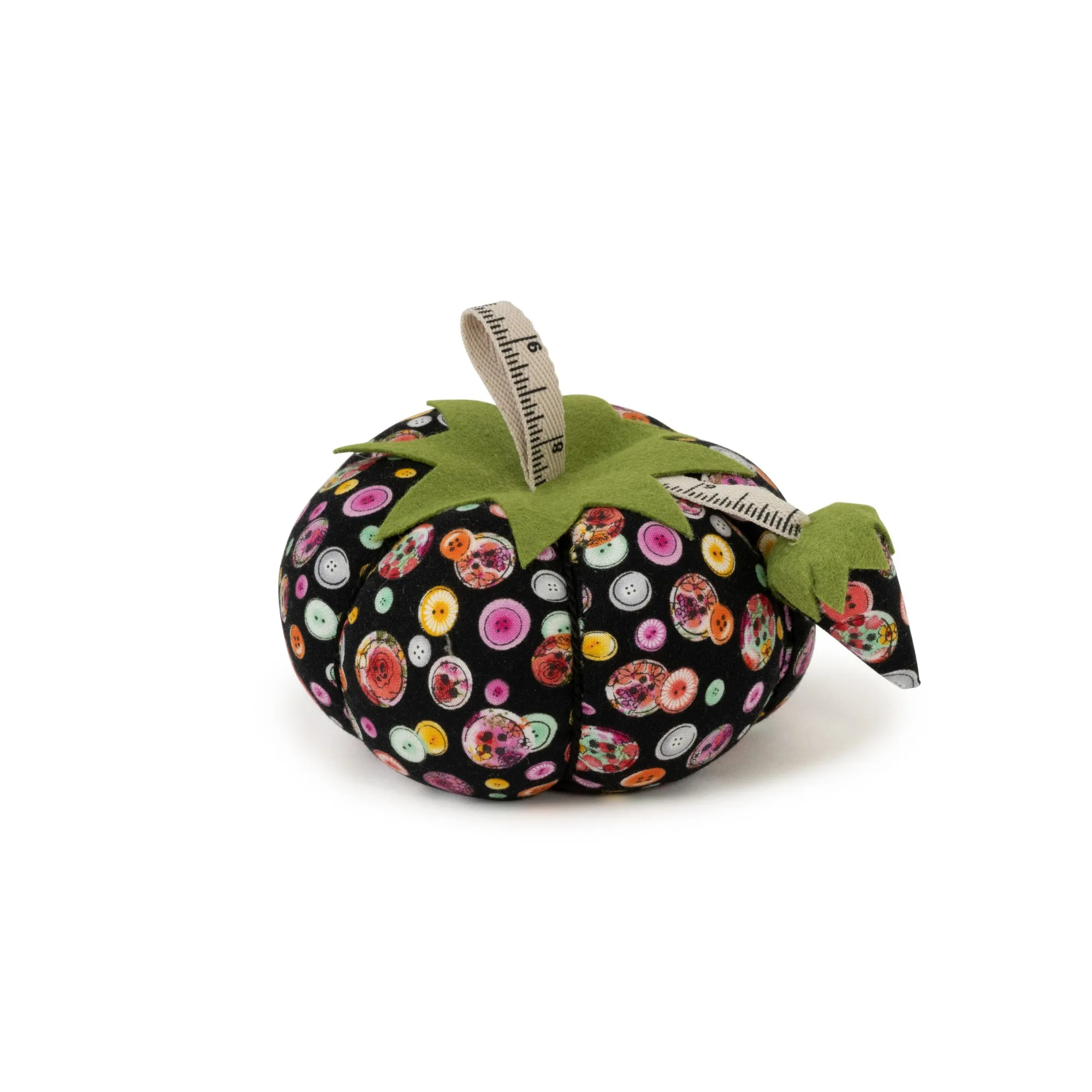
- 4" Tomato Pin Cushion, Black Button Print: 4" Tomato Pin Cushion, Black Button Print has a 4-7/8" diameter x 2-7/8" height and firm fill that grips pins securely. If you choose sew-on hooks, a stable pin cushion keeps your pins organized and within reach while you stitch.
Which should you choose?
Best for
- Lightweight curtains, sheers, and panels that need a no-sew, quick hang
- Renters or anyone who changes curtains seasonally and wants to avoid stitching
- Projects using traverse rods, curtain rings, or flat rods where pin-on hooks are compatible
Not for
- Heavy, lined, or blackout curtains that need a stronger hold
- Permanent installations where you want the most secure attachment
- Fabrics that show holes easily and will be reused without the hooks