Quick Answer
Pine shavings can be safe for small pets when they are kiln-dried and free of aromatic oils, but they are not the most absorbent or odor-controlling option. For rabbits and guinea pigs, consider paper-based bedding or aspen shavings as safer alternatives. If you use pine shavings, ensure they are specifically processed for small animals and monitor your pet for any respiratory issues.
What Are Pine Shavings and How Are They Used?
Pine shavings are small, soft wood shavings commonly used as bedding for chickens, rabbits, guinea pigs, and other small animals. They are valued for their absorbency, natural odor control, and soft texture. In chicken coops, pine shavings help keep the floor dry and comfortable. For small pets, they are often placed in cage trays or litter boxes to absorb urine and reduce mess.
When choosing pine shavings, look for products labeled as kiln-dried or heat-treated. This process removes volatile organic compounds (VOCs) and reduces the natural oils that can cause respiratory irritation in small animals. Avoid shavings with strong pine scent or visible dust, as these can be harmful.
Is Pine Shavings Safe for Rabbits and Guinea Pigs?
Pine shavings can be safe for rabbits and guinea pigs if they are kiln-dried and low in dust. However, some experts recommend avoiding pine due to the presence of phenols, which can cause liver enzyme changes and respiratory issues in sensitive animals. Guinea pigs are particularly prone to respiratory infections, so extra caution is advised.
If you choose to use pine shavings, monitor your pet for signs of sneezing, wheezing, or nasal discharge. Provide good ventilation in the cage and change the bedding regularly to keep ammonia levels low. Alternatively, consider paper-based bedding or aspen shavings, which are considered safer for small animals.
What Are the Best Small Pet Bedding Options?
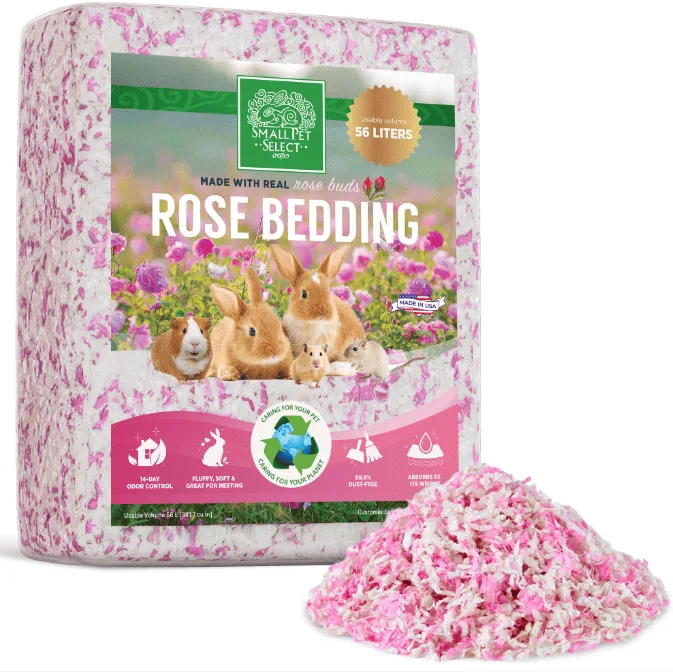
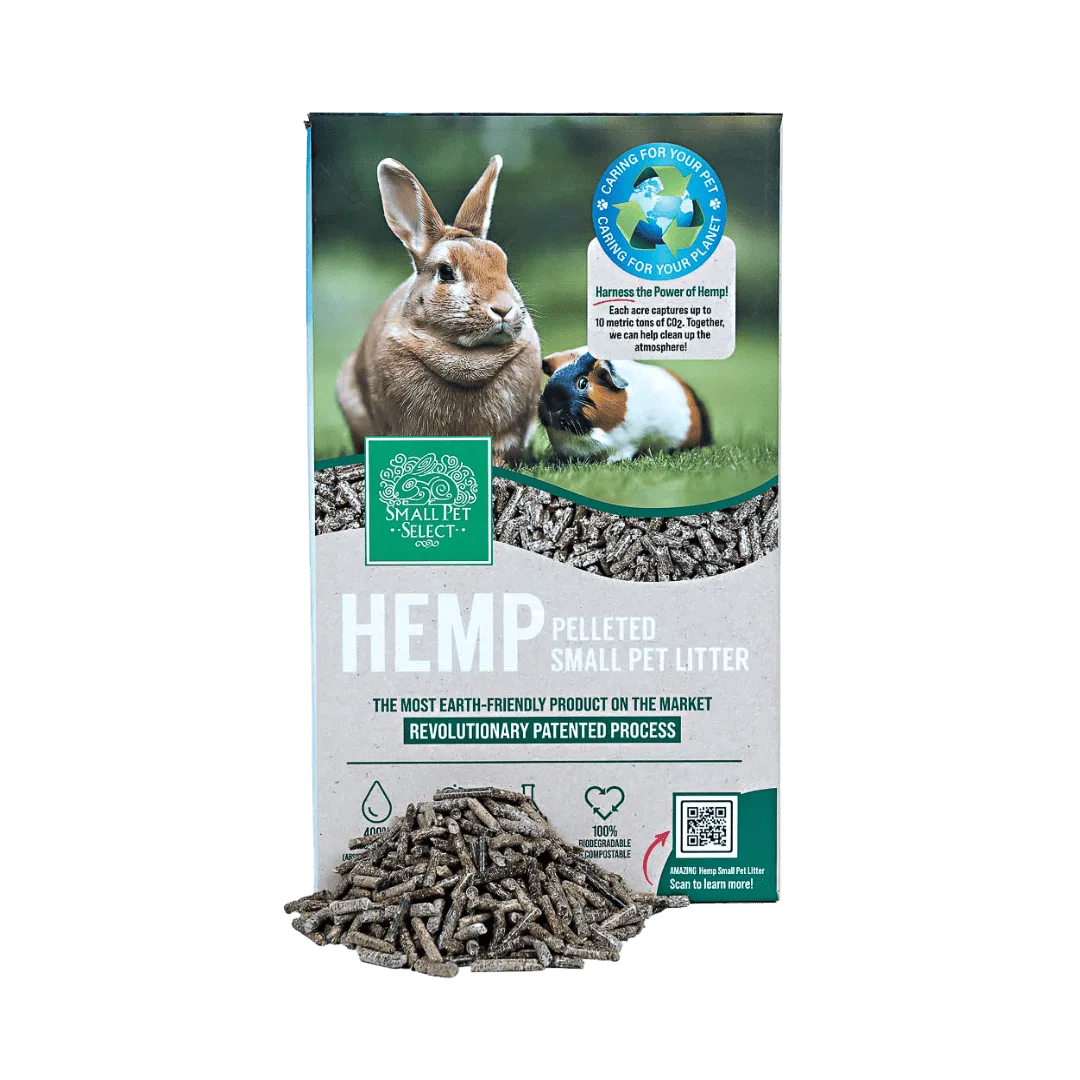
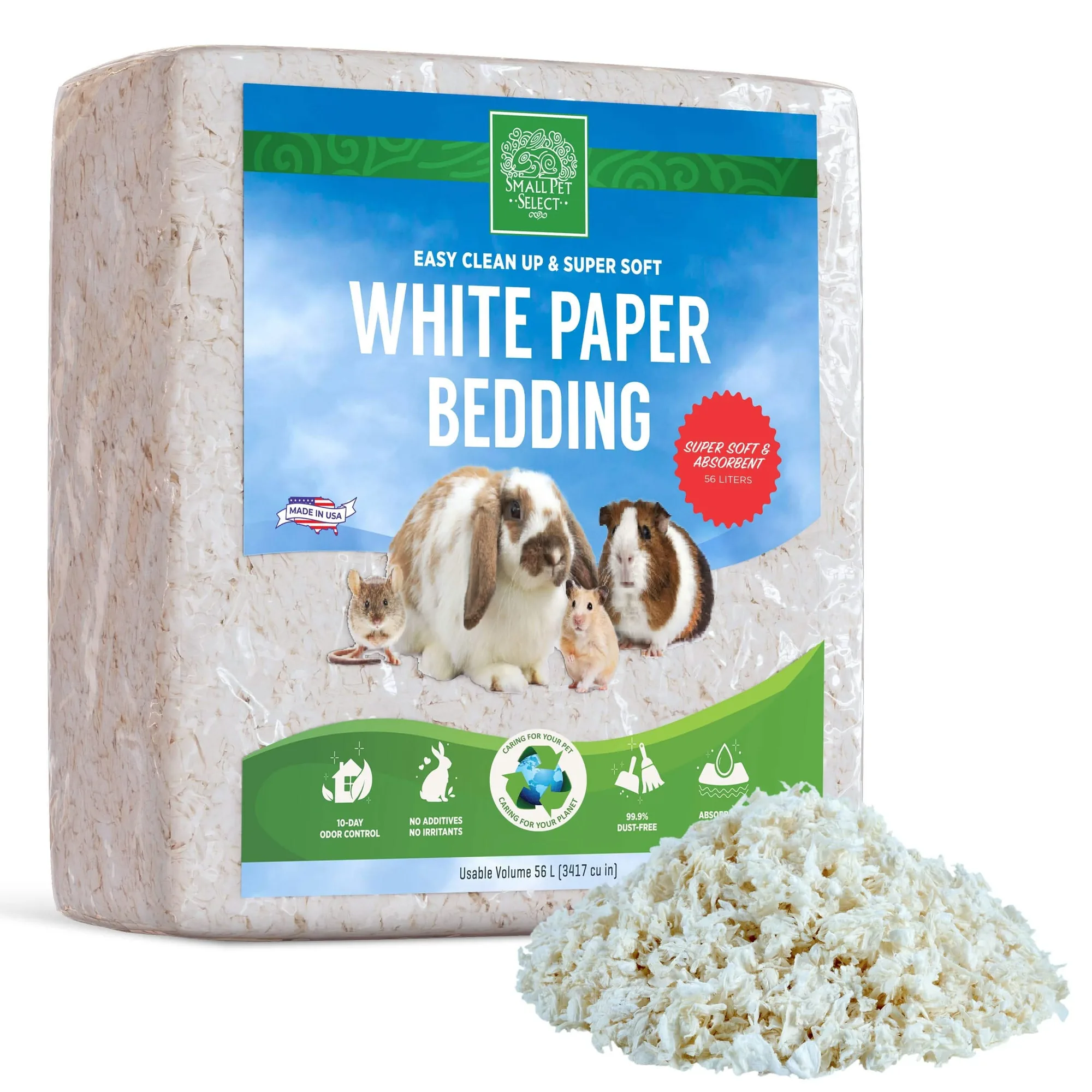
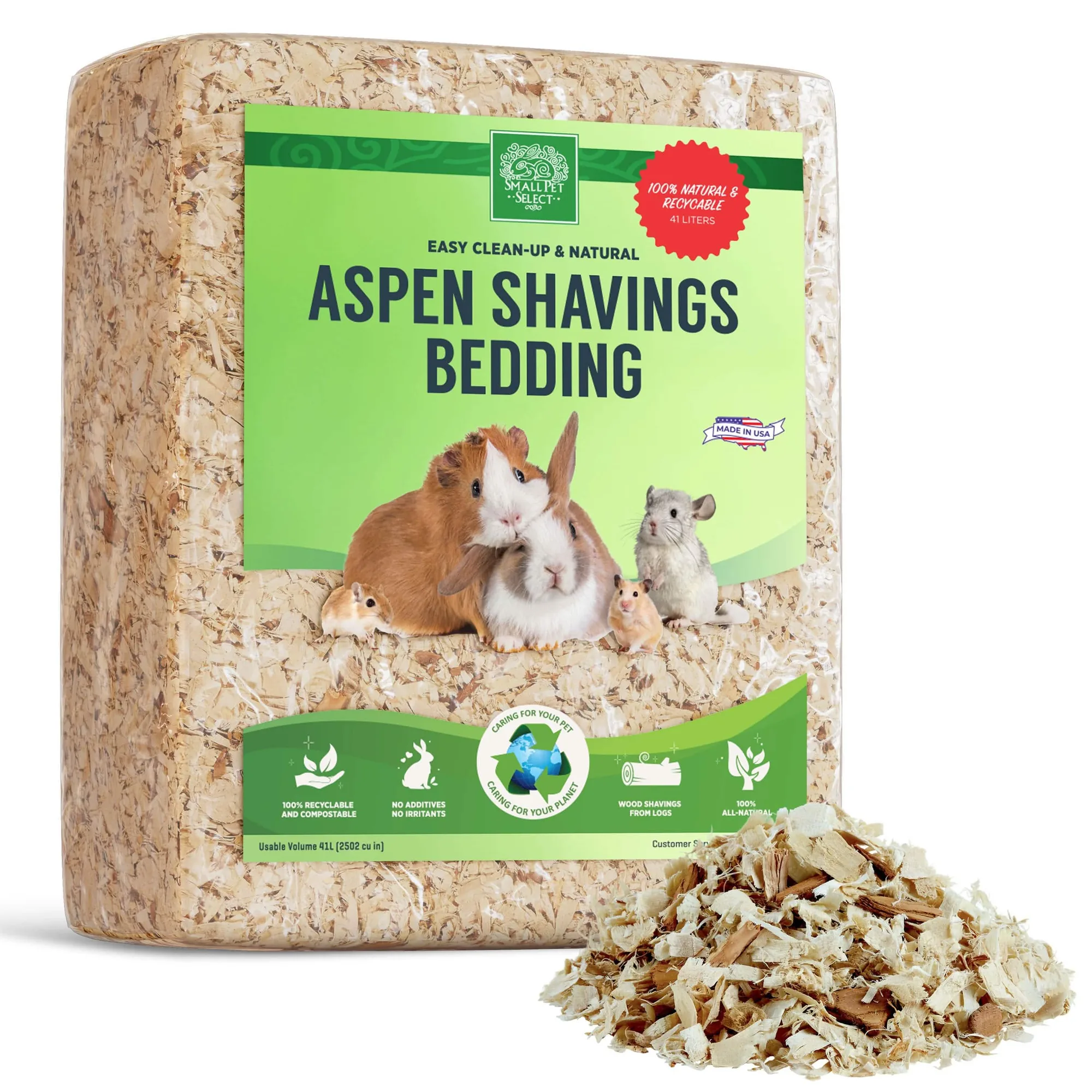
There are several small pet bedding options to consider, each with pros and cons. Paper-based bedding is highly absorbent, dust-free, and safe for all small pets, but it can be more expensive. Aspen shavings are a natural wood option that is low in dust and safe for rabbits and guinea pigs, though less absorbent than paper. Hemp bedding is another eco-friendly choice with good odor control.
When comparing options, think about absorbency, dust level, odor control, and cost. For pets with respiratory sensitivities, paper or hemp bedding is often the best choice. For budget-conscious owners, aspen shavings offer a safe natural option. Always avoid cedar shavings, which are toxic to small animals.
Pine Shavings Safety FAQ
Can I use chicken bedding for rabbits?
Yes, but only if the bedding is kiln-dried and free of dust and strong odors. Pine shavings made for chickens are often similar to those for small pets, but always check the label for safety. If in doubt, choose a bedding specifically labeled for small animals.
How often should I change pine shavings?
Spot-clean daily and completely change the bedding at least once a week, or more often if it becomes soiled or smells. This helps control ammonia and keeps your pet healthy. Regular cleaning is key to preventing respiratory issues.
What are signs my pet is sensitive to pine shavings?
Watch for sneezing, coughing, watery eyes, or labored breathing. If you notice any of these, remove the pine shavings immediately and switch to a paper-based bedding. Your pet's health comes first—switch bedding if symptoms appear.
Products Mentioned in This Guide
- Pine Shavings Chicken Bedding: Pine Shavings Chicken Bedding is 100% natural and biodegradable, making it eco-friendly and compostable. If you're looking for a natural, compostable bedding option for your chicken coop or small pet cage, this product offers a sustainable choice that breaks down safely.