Why Wind Makes a Difference
When the wind picks up on a solo backcountry hunt, a tent that pitches securely can mean the difference between a good night's rest and a miserable one. The PEAX Solitude 1 Dyneema is built for demanding mountain hunts, combining a proven shelter platform with premium Dyneema fabric for strength and weather protection. But even the best tent needs a careful pitch when the gusts are strong. This guide covers what the supplied information confirms about setting up in windy conditions.
What the Solitude 1 Dyneema Offers
-
SOLITUDE 1 TENT [DYNEEMA®] ONLY: The PEAX Solitude 1 Dyneema® is a 1 person tent designed to maximize interior living space while minimizing pack weight for demanding mountain hunts. Its lightweight Dyneema fabric and spacious interior make it a strong candidate for alpine and exposed campsites where wind is common.
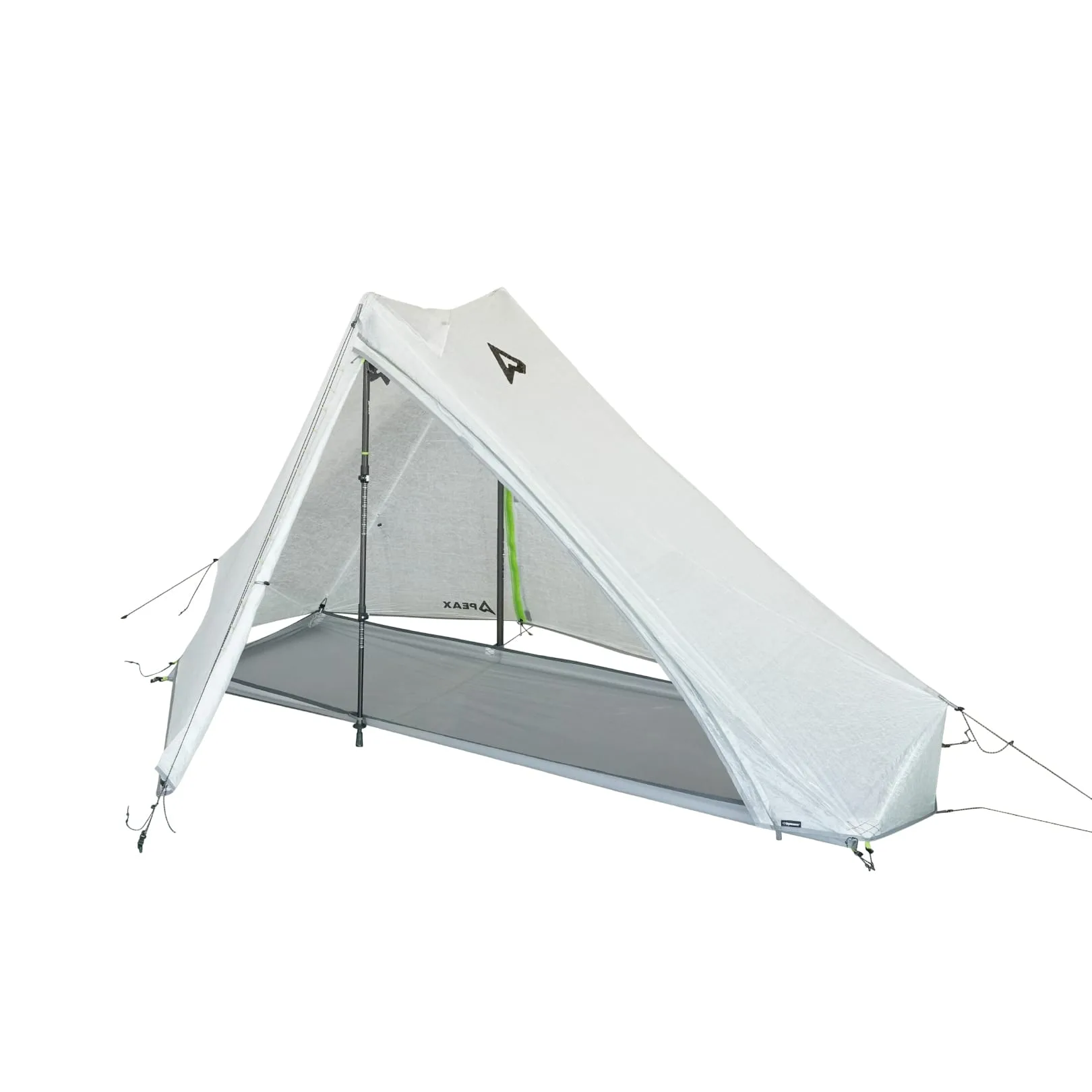
SOLITUDE 1 TENT [DYNEEMA®] ONLY
-
SOLITUDE 1 TENT [DYNEEMA®] ONLY: Combining the proven Solitude shelter platform with premium Dyneema® fabric, it delivers exceptional strength, weather protection, and livability without unnecessary bulk. The Dyneema fabric handles wind better than many alternatives, but the pitch still determines how well the tent sheds gusts.
Pitching Steps for Windy Conditions
The following steps are based on general tent-pitching best practices for wind. The supplied information does not include specific setup instructions for the Solitude 1 Dyneema, so these are practical recommendations that apply to most single-wall or trekking-pole tents.
Always check the manufacturer's instructions for your specific tent before relying on alternative methods.
- Choose a sheltered site: Look for a spot behind a ridge, tree line, or large rock that breaks the wind. Avoid exposed ridgelines and valley floors where wind can funnel.
- Orient the low end into the wind: Point the tent's lowest profile (usually the foot end) into the prevailing wind. This reduces surface area and helps the tent shed gusts.
- Stake the windward side first: Drive stakes at the recommended angle into the wind. Use the strongest stakes you have (e.g., snow stakes or heavy-duty pegs) on the windward corners.
- Tension the guy lines: Attach all available guy-out points and tension them evenly. The Dyneema fabric does not stretch, so proper tensioning keeps the tent taut and stable.
- Lower the pitch if possible: Some tents allow you to pitch with the poles at a lower angle. If your tent has adjustable pole height, lowering it reduces wind exposure.
What the Supplied Information Does Not Confirm
The product record for the Solitude 1 Dyneema does not include specific wind ratings, recommended stake angles, or maximum wind speeds. It also does not provide setting up instructions. For critical safety in extreme conditions, always rely on the manufacturer's official documentation and your own judgment.