Quick answer
100% plastic playing cards last significantly longer than paper cards. Plastic resists bending, tearing, and moisture, so it keeps its shape and readability through hundreds of games. Paper cards are cheaper upfront but wear quickly, especially with frequent shuffling. For regular bridge or poker, plastic is the durable choice.
Why plastic cards outlast paper
Paper playing cards are made from layers of paper with a thin coating. That coating wears off with shuffling, and the paper underneath absorbs oils and moisture. Corners fray, cards bend, and printing fades. Plastic cards, especially 100% plastic like KEM's Marion sets, are solid sheets of PVC. They don't absorb moisture, they snap back from bends, and the printing is sealed inside. You can wipe them clean. That's why a plastic deck can outlast dozens of paper decks in heavy use.
The trade-off: cost and feel
Plastic cards cost more upfront. A two-deck set like Marion Red / Blue Rose Bridge Jumbo Index runs about $25, while paper decks might cost $5. But plastic lasts so much longer that the cost per game is lower. Plastic also feels different—slightly slicker and stiffer at first. Some players prefer the softer, more flexible feel of paper. If you play occasionally or lose cards often, paper may be fine. If you play regularly or host games, plastic is worth the investment.
How to spot wear in each type
Paper cards show wear as fuzzy edges, bent corners, and a grayish tint from dirt. You can't clean them without damaging the coating. Plastic cards show wear as scratches or dull spots, but they remain playable. You can wash plastic cards with a damp cloth and mild soap. If a plastic card gets bent, you can often flex it back. Paper cards stay bent. For bridge, where cards are held close and fanned, jumbo index plastic cards like the Marion sets stay readable even after heavy use.
Trade-offs at a glance
- Upfront cost vs long-term value: Plastic cards cost more per deck, but they outlast many paper decks. Paper is cheap to replace but wears out fast. If you play weekly, plastic saves money over a year.
- Feel and handling: Plastic cards are slicker and stiffer; paper cards feel softer and more flexible. Some players prefer one over the other. Try a plastic deck for a few games to see if the feel suits you.
- Maintenance and cleaning: Plastic cards can be wiped clean and stay hygienic. Paper cards absorb oils and dirt and cannot be washed. For shared games, plastic is more sanitary and easier to keep nice.
Durable options from KEM
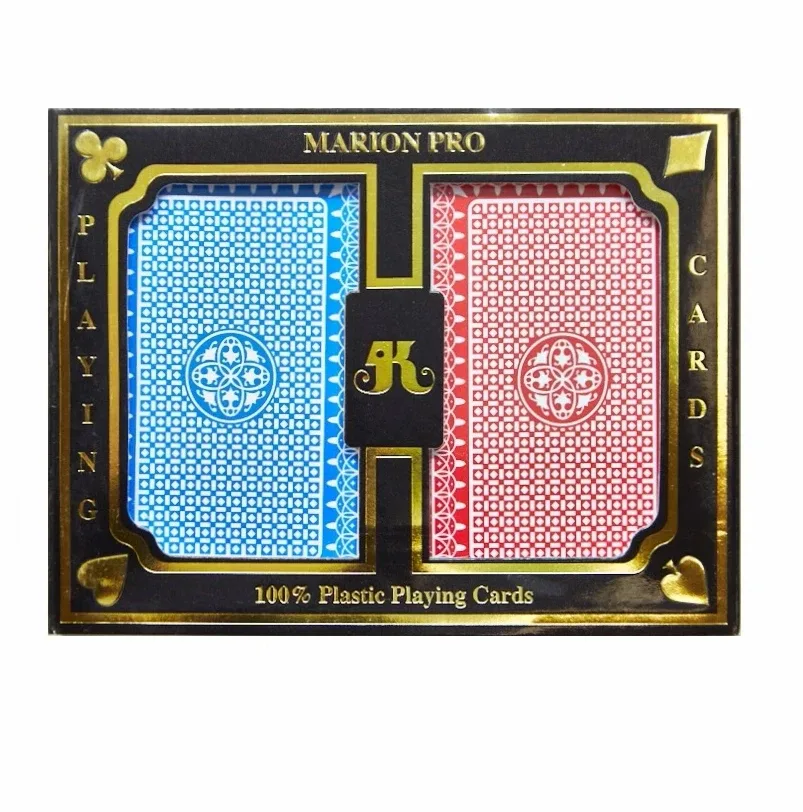
- Marion Red / Blue Rose Bridge Jumbo Index: Marion Red / Blue Rose Bridge Jumbo Index set includes two decks of 100% plastic playing cards with bridge-size cards and jumbo index for improved readability. Bridge players get two durable decks with easy-to-read numbers, ideal for frequent play.
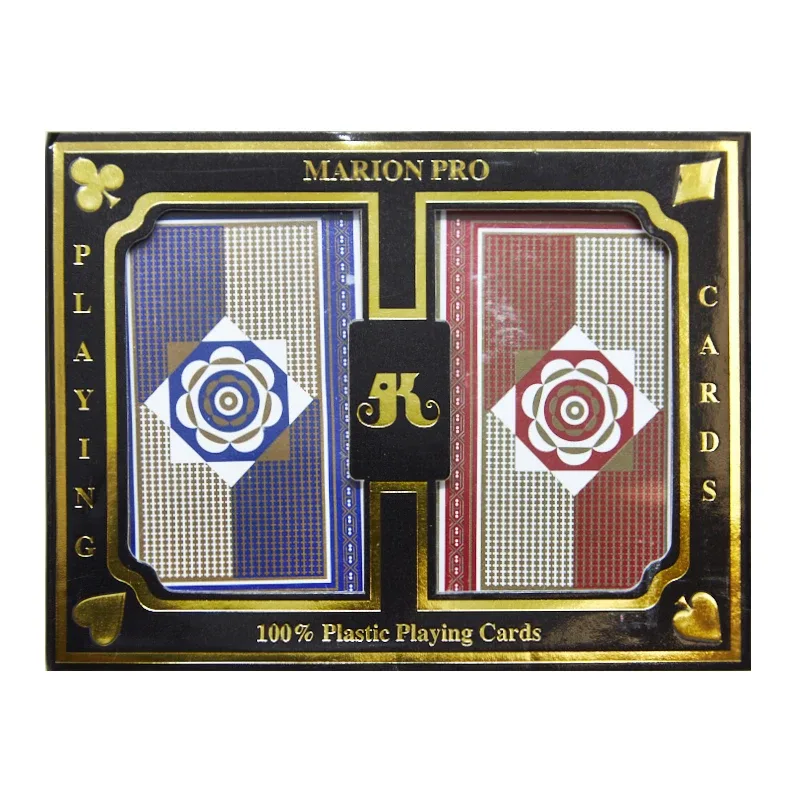
- Marion Red Blue Bridge Jumbo Index: Marion Red Blue Bridge Jumbo Index set brings together two 100% plastic decks—one red and one blue—in bridge size with jumbo index numerals. A slightly lower-cost option for players who want the same durability and clarity.
Which should you choose?
Choose plastic if you...
- Play bridge or poker regularly
- Host game nights and want cards that stay clean
- Want a deck that keeps its shape and readability for years
Choose paper if you...
- Play only a few times a year
- Prefer a softer, more flexible feel
- Lose cards often and don't want to spend much