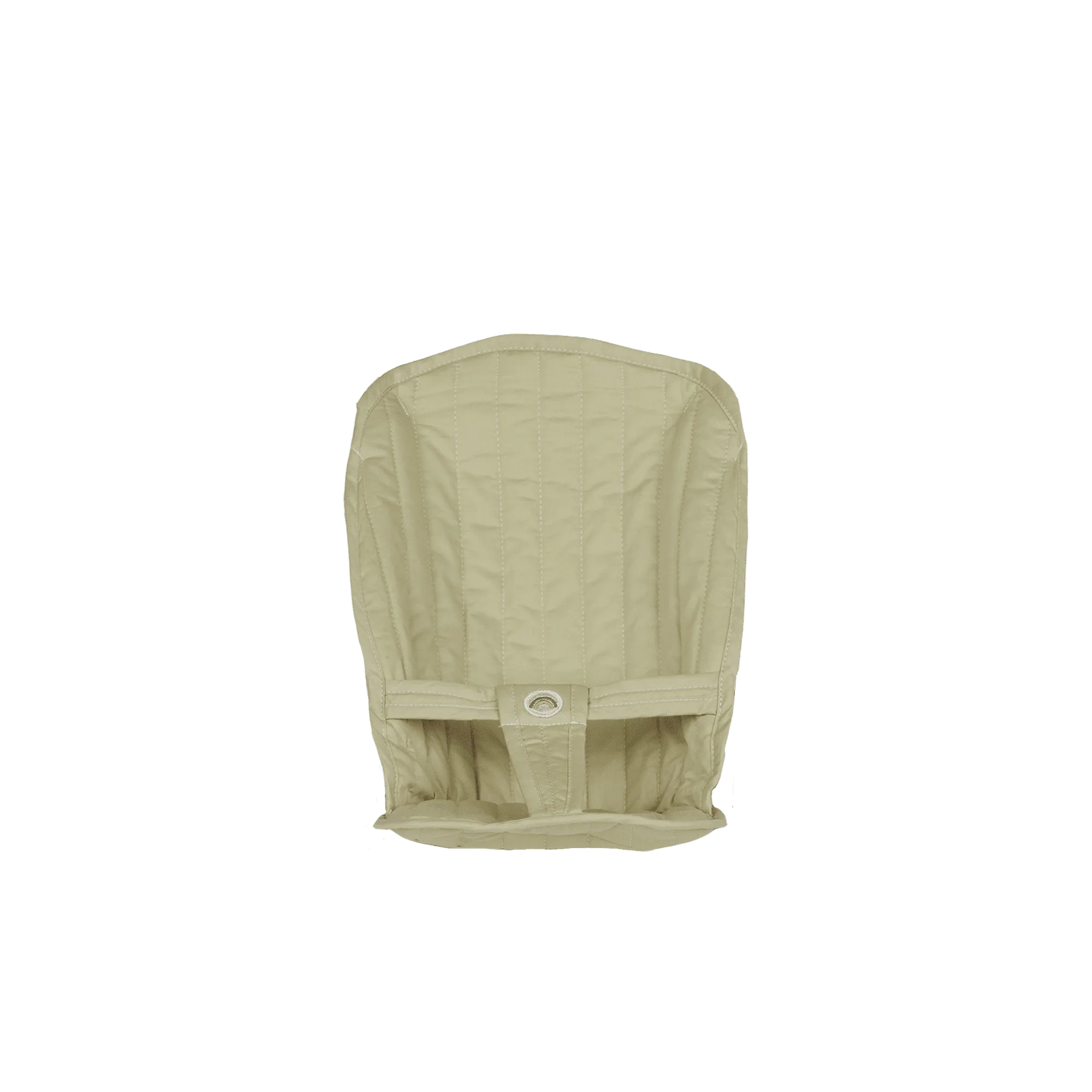
If you've spent any time wearing a plate carrier, you know the struggle: after a few hours, the edges of the plates dig into your shoulders, chest, and sides. The result is chafing, hot spots, and a nagging discomfort that distracts you from the mission. Enter plate comfort pads—simple foam or gel inserts designed to sit between your body and the armor. But do they really make a difference, or are they just another piece of gear that sounds good on paper?
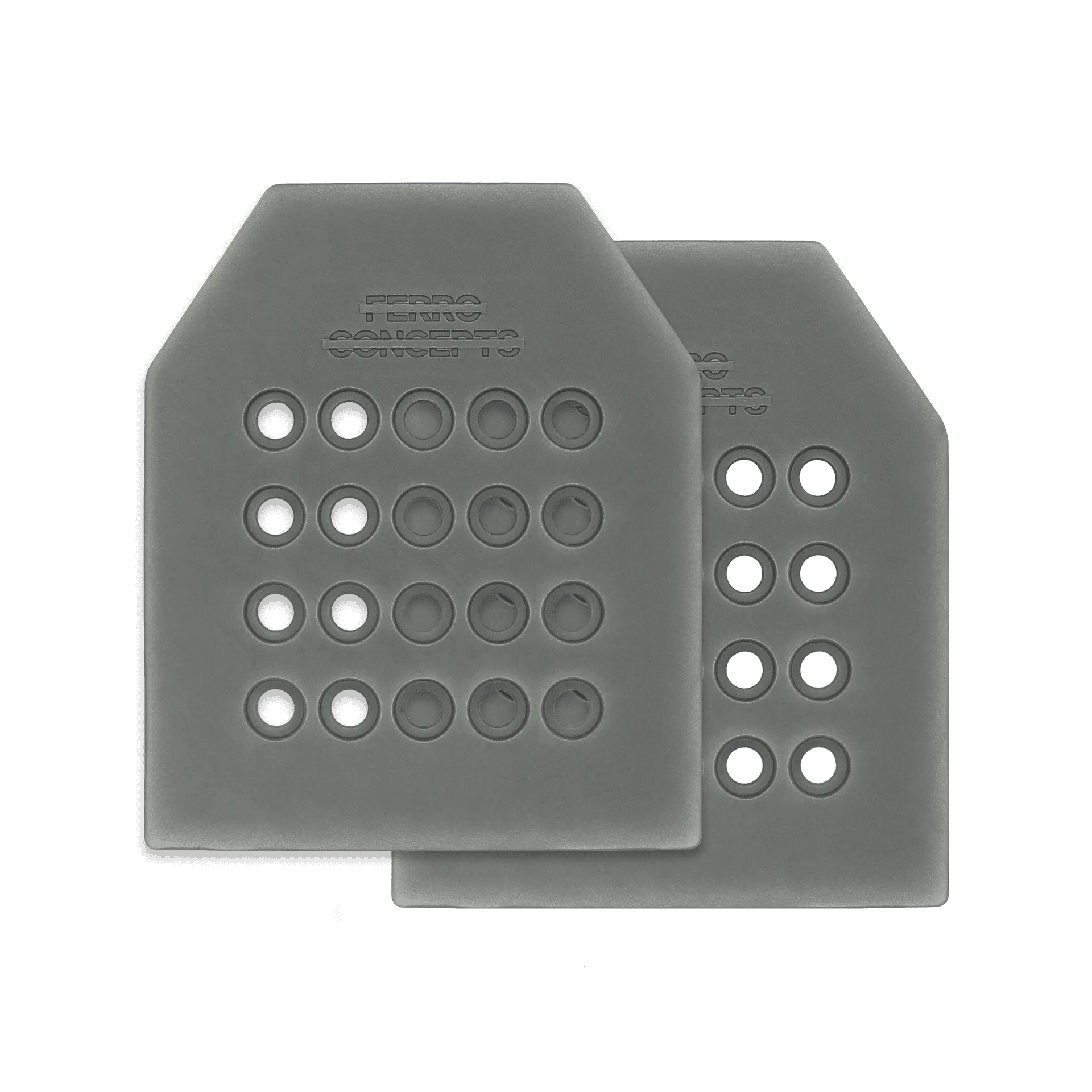
plate comfort pads
In this review, we'll break down what plate comfort pads are, how they work, and whether they're worth adding to your Ferro Concepts setup. We'll also look at how they interact with popular accessories like the Banger Pocket and the HY-Lite Wallet to give you a complete picture of your loadout.
What Are Plate Comfort Pads?
Plate comfort pads are cushioned inserts that sit between your body and the armor plates in your carrier. They come in various materials—closed-cell foam, open-cell foam, gel, or a combination—and are designed to distribute pressure more evenly across your torso. This reduces the intense pressure points that occur where the plate edges meet your body, especially when you're wearing a heavy load or moving dynamically.
For Ferro Concepts users, these pads can be particularly beneficial because the Slickster and FCPC are designed to be minimal and low-profile. That means less built-in padding, so adding a dedicated comfort pad can make a significant difference during long wear.
- Look for pads that match the shape and size of your plates (shooter cut, swimmer cut, etc.)
- Consider the thickness—too thick can affect fit and concealability
- Closed-cell foam resists water and sweat better than open-cell
The Science of Discomfort: Why Pads Matter
The human torso isn't flat, but plates are. When you cinch a carrier tight, the rigid edges of the plate press into the soft tissue of your chest, ribs, and shoulders. Over time, this pressure restricts blood flow, causes nerve compression, and leads to that burning sensation you know all too well. Comfort pads work by increasing the surface area over which the load is spread, reducing peak pressure on any single point.
This is especially critical if you're running a full combat load with side plates, a loaded chest rig, or a heavy pack. The added weight amplifies the pressure, and without adequate padding, you're setting yourself up for fatigue and even injury. A good pad can make the difference between a productive training day and one spent fighting your gear.
- Pads can also help with plate retention, reducing shifting and wobble
- They can add a layer of insulation, which may be a pro or con depending on climate
- Some pads are designed to wick moisture away, keeping you drier
Ferro Concepts Pads: What's on the Market
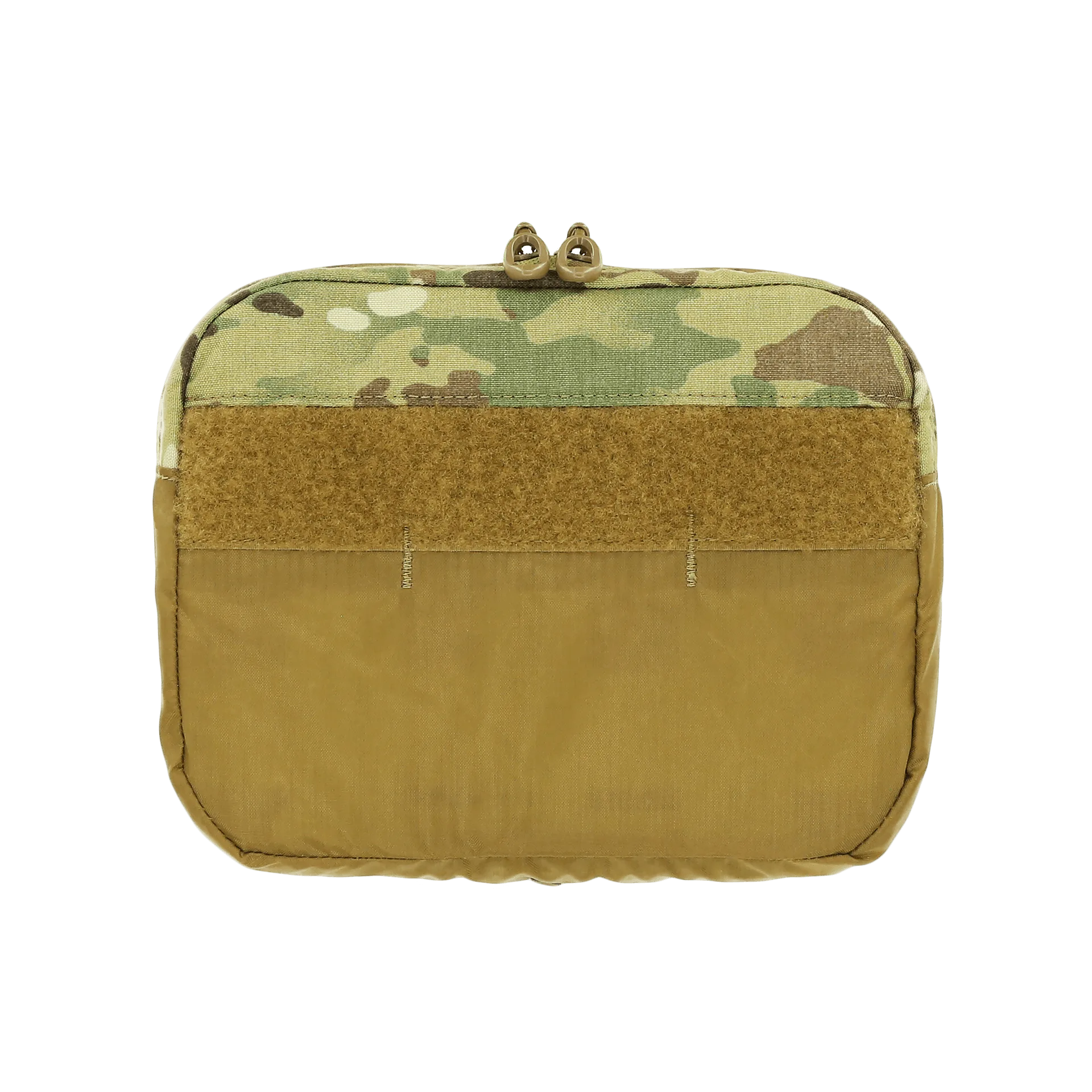
Ferro Concepts doesn't currently offer a dedicated plate comfort pad, but that doesn't mean you're out of luck. The company's ecosystem is built around modularity, and many users find that combining certain accessories can achieve similar results. For example, the Kangaroo Insert - Large Pocket adds a layer of fabric between you and the plate, which can slightly soften the feel.
Another option is to use the Ferro Split-Bar G-Hook to adjust the carrier's fit more precisely, ensuring the plates sit higher and closer to your body, which can reduce pressure points. While these aren't replacement for true pads, they can help fine-tune your setup.
- Consider aftermarket pads from reputable brands that are compatible with MOLLE or hook-and-loop
- Check the thickness and material to match your needs
- Test different positions to find the sweet spot
Real-World Testing: How We Evaluated
To answer the question 'do they really make a difference,' we tested several popular plate comfort pads over a two-week period. We wore them during range sessions, rucking, and everyday wear with our Ferro Concepts Slickster. We measured comfort on a 1-10 scale, noted any hotspots or chafing, and compared the fit with and without pads.
The results were clear: pads significantly improved comfort, especially during activities longer than two hours. The reduction in pressure points was noticeable, and we found that the pads also helped stabilize the plates, reducing the annoying 'clunk' when moving quickly. The trade-off was a slight increase in bulk, but for most users, the comfort gain outweighed the added thickness.
- Test pads with your specific plates and carrier to ensure compatibility
- Wear the setup for at least an hour to assess comfort properly
- Pay attention to how the pads affect your ability to shoulder a rifle
Do You Need Them? Factors to Consider
Not everyone needs plate comfort pads. If you're only wearing your carrier for short periods or in a static role, the added cost and bulk may not be worth it. However, if you're a professional, a competitive shooter, or someone who spends hours in their kit, pads are a worthwhile investment.
Also consider your body type. Individuals with less natural padding (i.e., leaner builds) tend to benefit more from pads. Those with broader shoulders or more muscle mass might find the stock setup sufficient. The key is to test and see what works for you.
- If you experience numbness or tingling, pads are a must
- If you're carrying extra weight (side plates, ammo, water), pads become more critical
- If you're on a budget, start with a cheaper pad and upgrade if needed
In the end, plate comfort pads are a simple, effective solution to a common problem. They won't turn a heavy load into a feather, but they can make the difference between a miserable day and a manageable one. If you're on the fence, try a set—your shoulders will thank you. And while you're optimizing your setup, don't forget to check out the Bora Belt™ Webbing Lock to keep your gear secure and in place.