Quick Answer
Keep play dough fresh by sealing it in an airtight container or zip-top bag after every play session, storing it away from heat and direct sun, and rehydrating a dry ball with a few drops of water or a damp paper towel. Play foam needs the same airtight habit, but it should be kneaded back together rather than soaked. The single biggest mistake is leaving either material exposed to air for even a few hours.
Play dough and play foam are two of the hardest-working toys in a household. They get squeezed, rolled, flattened, and forgotten on the table. Then a week later the dough is a crumbly rock and the foam has turned into a stiff lump. The good news is that both materials are forgiving if you build a simple care routine around them.
This guide walks through the exact steps to keep play dough fresh and play foam workable, from the first open package to the rescue of a batch that already started drying out. It also covers the storage habits that matter most, plus one product that makes cleanup and creative play easier to manage.
Why Play Dough Dries Out and Play Foam Stiffens
Play dough is a water-based material. When it sits in open air, the water in the dough evaporates and the salt and flour structure hardens. That is why a ball left on a table overnight develops a crust. Play foam behaves differently because it is a lightweight, airy compound, but it also loses moisture and can become stiff or crumbly when exposed. Both materials react to the same enemies: air, heat, and direct sunlight.
The fix is not complicated. You need to limit air exposure, keep the material cool, and add moisture back before the dough or foam fully hardens. A little prevention after each play session saves you from throwing away a whole container. It also means fewer replacements and less waste, which matters when you are buying clay or dough sets for multiple kids.
- Keep play dough and play foam away from radiators, sunny windowsills, and hot cars.
- Store each color separately if you want to avoid mixing and color bleed.
- A crusty surface is a warning sign, not a lost cause. Act before the inside hardens.
What You Need Before You Start
You do not need special equipment to store play dough or play foam. A few basic supplies make the process faster and cleaner. Gather airtight containers or zip-top bags, a small spray bottle of water, paper towels, and a clean, dry surface. If you are working with a clay set that includes multiple colors, separate small containers are better than one large tub because they limit cross-color mixing.
For a set like Hey Clay Aliens, which includes colorful modeling clay and access to the Hey Clay app with interactive sculpting instructions, keeping the clay sealed between sessions means kids can return to a project without starting over. The set is listed for ages 3 and up, so an adult should handle the storage step if younger children are playing.
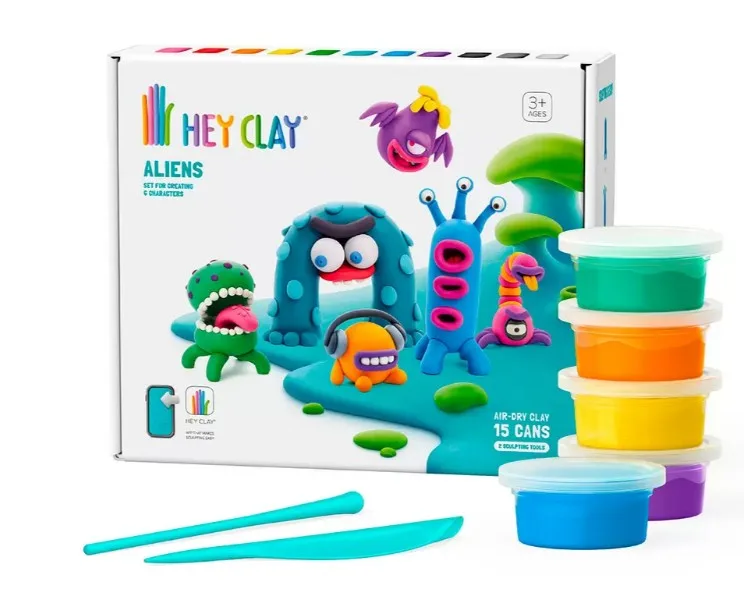
Hey Clay Aliens
- Use containers that seal tightly, not just a lid that rests on top.
- Keep a spray bottle handy for quick rehydration.
- Label containers if you store multiple colors or materials.
Step-by-Step: How to Keep Play Dough Fresh
Start by cleaning your hands and the play surface. Crumbs, lint, and bits of dried dough contaminate a fresh batch and speed up drying. Roll the dough into a ball and press it into an airtight container or zip-top bag. Squeeze out excess air before sealing. If you are using a bag, push the dough toward the bottom and flatten it slightly so there are no trapped air pockets.
Store the container in a cool, dark place such as a cabinet or drawer. Room temperature is fine; refrigeration is not necessary and can introduce extra moisture from condensation. If the dough feels slightly dry at the next session, add water a few drops at a time and knead it in. A damp paper towel placed in the container overnight can also restore softness without making the dough sticky.
- Common mistake: sealing dough while it is still warm from being handled. Let it cool for a few minutes first.
- Checkpoint: the dough should feel soft and pliable, not wet or tacky, before you seal it.
Step-by-Step: Play Foam Care and Storage
Play foam is lighter and airier than dough, so it needs gentle handling. After play, gather the foam into a single mass and knead it a few times to redistribute moisture. Place it in an airtight container or a heavy-duty zip-top bag. Press out the air and seal. Do not add water directly to play foam unless the manufacturer instructs it, because too much water can break down the foam structure.
If the foam starts to feel stiff, knead it with slightly damp hands rather than soaking it. Store it in the same cool, dark place as your dough. Keep foam away from carpet and fabric because it can be harder to remove than dough. A quick sweep of the play area after each session prevents stray pieces from drying out and becoming permanent floor decorations.
- Common mistake: leaving foam in an open bin because it looks dry already. It still loses moisture.
- Checkpoint: the foam should spring back when squeezed, not crack or crumble.
How to Rescue Dough or Foam That Already Dried Out
If play dough has developed a crust but the center is still soft, break it into smaller pieces and add a few drops of water. Knead firmly until the water is absorbed. Repeat until the texture evens out. For a fully hardened ball, wrap it in a damp paper towel, place it in a sealed container, and leave it overnight. The next day, knead again. This works best when the dough has not been exposed for weeks.
Play foam is harder to rescue once it has fully stiffened. If it is only slightly dry, kneading with damp hands can bring it back. If it has turned brittle or crumbly, it is usually time to replace it. That is one honest tradeoff of play foam: it is wonderful for sensory play, but it has a shorter rescue window than traditional dough.
- Do not microwave play dough to soften it. It can burn or create a mess.
- If rescue attempts fail, compost homemade dough or dispose of it according to local guidelines.
Long-Term Storage and Reuse Habits
For families who use dough and foam often, a simple rotation system helps. Keep only the colors currently in use in a small accessible bin, and store the rest in a larger airtight container in a cabinet. When a color is used up or becomes too dry to rescue, replace just that color rather than the whole set. This is especially useful with multi-piece clay sets where one or two colors get heavy use.
Reusing play dough and play foam is mostly about moisture control. If you consistently seal, cool, and rehydrate, a single batch can last for many sessions. Teach kids to close the container as soon as they finish a color. A quick habit check at the end of playtime prevents most drying problems before they start.
- Store long-term batches in a cool closet, not a garage or shed with temperature swings.
- Keep a small “rescue kit” with a spray bottle and zip-top bags near the play area.
- Replace foam more often than dough if it is used daily.
Play Dough and Play Foam Care Steps
- Seal immediately after play: Press dough or foam into an airtight container or zip-top bag and remove excess air before closing. Do not wait until the end of the day. Checkpoint: the container lid should not pop off when you press it.
- Store cool and dark: Keep containers in a cabinet or drawer away from heat, sunlight, and temperature swings. Room temperature is ideal for both materials. Common mistake: storing on a sunny windowsill or in a hot car.
- Rehydrate in small amounts: Add water a few drops at a time to dough and knead it in. For foam, dampen your hands rather than adding water directly. Checkpoint: the material should feel soft and pliable, not wet or sticky.
- Rescue early, not late: If you notice a crust or stiff edges, treat it the same day. A damp paper towel in a sealed container overnight can restore dough that is not fully hardened. Foam has a shorter rescue window than dough, so act quickly.
- Rotate and replace by color: Keep only active colors within reach and store the rest in a larger airtight container. Replace individual dried-out colors instead of the whole set. Next step: label containers so kids can match colors and seal them correctly.
Product Facts That Help With Care and Play
- Hey Clay Aliens: Includes colorful modeling clay and access to the Hey Clay app with interactive sculpting instructions for creating imaginative alien figures. Size: multi-piece clay set. Age: 3 years and up. A multi-piece clay set gives kids several colors to work with, so airtight storage between sessions keeps each color soft and ready for the next project. The app connection adds guided play, which can extend a single session and make proper sealing even more important.
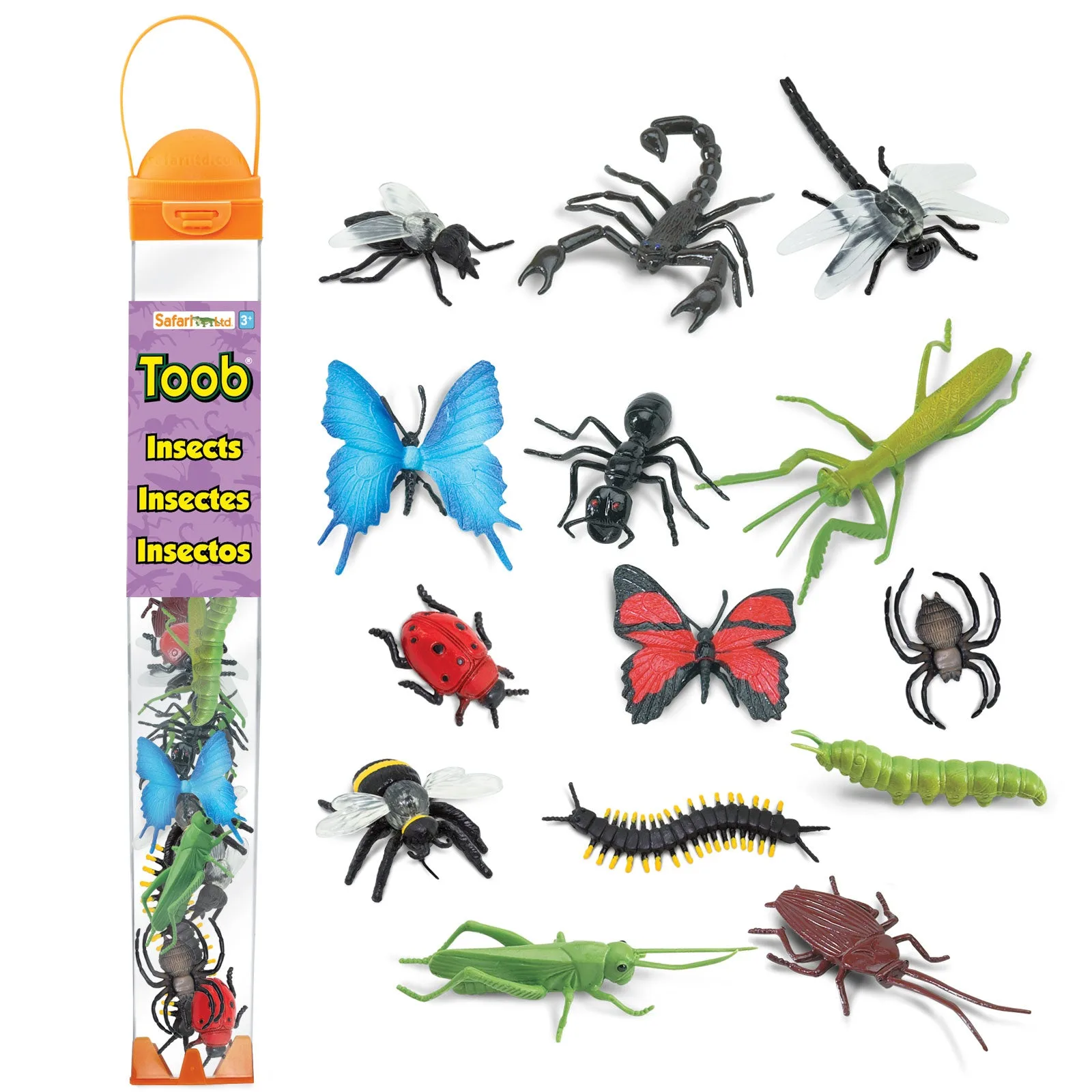
- Insects TOOB®: This Toob lets you hold 14 iconic insects in the palm of your hand, including a caterpillar, dragonfly, centipede, grasshopper, housefly, ladybug, spider, honeybee, cockroach, scorpion, praying mantis, ant, and 2 butterflies. Small figurines like these are easy to press into play dough or foam to make impressions and habitats. They also give kids a reason to keep dough workable, since the figures can be reused across many sessions without drying out.
Play dough and play foam reward a little routine. Seal them, keep them cool, and rehydrate before they harden. Do that, and a single set can last through many afternoons of creative play.