Quick Answer
Choose play dough when you want reusable, tool-friendly modeling that builds hand strength and supports pretend play at a table. Choose play foam when you want a lighter, airy texture that presses into shapes easily and creates less crumb-and-stick cleanup. If your child is under three or still mouths everything, neither is the right first sensory material; start with a large-format alternative and supervise closely.
Play foam and play dough sit next to each other on the shelf and look like cousins, but they ask different things of your child, your table, and your vacuum. Dough is dense and holds fine detail; foam is light, springy, and often sold as a low-mess option. Knowing which one matches your child's stage and your tolerance for cleanup saves a lot of frustration.
This comparison sticks to what each material actually does well, where each one falls short, and how to decide. It also covers how sensory materials fit alongside the rest of a playroom, including pretend play sets and small figures that extend the fun once the shaping is done.
Texture and How Each Material Behaves
Play dough is dense and slightly resistant. That resistance is the point: squeezing, rolling, and pressing it works the small muscles in the hands and fingers that later support pencil grip. It holds impressions from cutters and stamps, and it stays where you put it, which makes it good for building scenes with small figures or pretend food.
Play foam is lighter and airier. It presses together easily, molds into balls and simple shapes, and tends to bounce back rather than hold sharp detail. That makes it forgiving for younger hands that are still learning to press and pat, but less satisfying for a child who wants to make a recognizable animal with ears and a tail.
- Test both with the same tool, such as a plastic cutter, to see which one your child actually enjoys manipulating.
- Dough rewards precision; foam rewards experimentation.
Mess, Cleanup, and Where You Can Use It
Dough crumbs. It leaves small dried pieces on the table, in carpet, and under fingernails, and it can stain light fabric if a color is pressed in and left. It also dries out when left uncovered, so it needs a container and a habit of sealing it up. In exchange, it stays put during play and does not scatter the way loose sensory fillers do.
Foam tends to clump rather than crumble, so it is easier to gather up at the end of a session, and it does not leave the same sticky residue on tables. It is often described as a lower-mess option, but lower-mess is not the same as mess-free: pieces still end up on the floor, and foam that gets wet behaves badly. Neither material belongs on a rug you care about.
- Set out a tray or a washable mat before either material comes out.
- Keep a damp cloth and a small bin nearby so cleanup is part of the activity, not a separate battle.
Reuse, Storage, and Longevity
Dough is reusable for a long time if you seal it after each session. When it starts to dry, a few drops of water worked in can bring it back, though eventually it hardens and gets tossed. Because it is a consumable, many families treat dough as a rotating supply rather than a one-time purchase.
Foam holds up to repeated squeezing but tends to break down into smaller clumps with heavy use, and once it is scattered it is hard to fully recover. It is better thought of as a session material than a long-term toy. If you want a sensory material that lasts for years rather than months, neither is that; look at reusable building and pretend play sets instead.
- Label containers by color so you are not digging through a bin to find the one your child wants.
- Replace either material when it starts to smell off or shed excessively.
Skills Each Material Builds
Dough builds hand strength, bilateral coordination, and early tool use. Rolling a snake, pressing a cutter, and pinching small pieces all translate to fine-motor control. It also pairs naturally with pretend play: a child who has made a basket of vegetables can then feed them to a stuffed animal or arrange them in a play kitchen.
Foam builds sensory exploration and gross shaping more than precision. It is a good fit for a child who is not yet ready to sit and cut shapes but will happily press, pat, and squish. For children who need oral or tactile input, the resistance and texture can be calming, though any child who still puts materials in their mouth needs direct supervision regardless of the material.
- Pair dough with pretend play sets so the creation has somewhere to go.
- Use foam for short, active sessions rather than long table projects.
How These Fit With the Rest of Your Playroom
Sensory materials work best as one station among several, not as the whole afternoon. A child who has squished foam for ten minutes may be ready to build, sort, or tell a story, and having a few open-ended toys within reach keeps the momentum going without another setup.
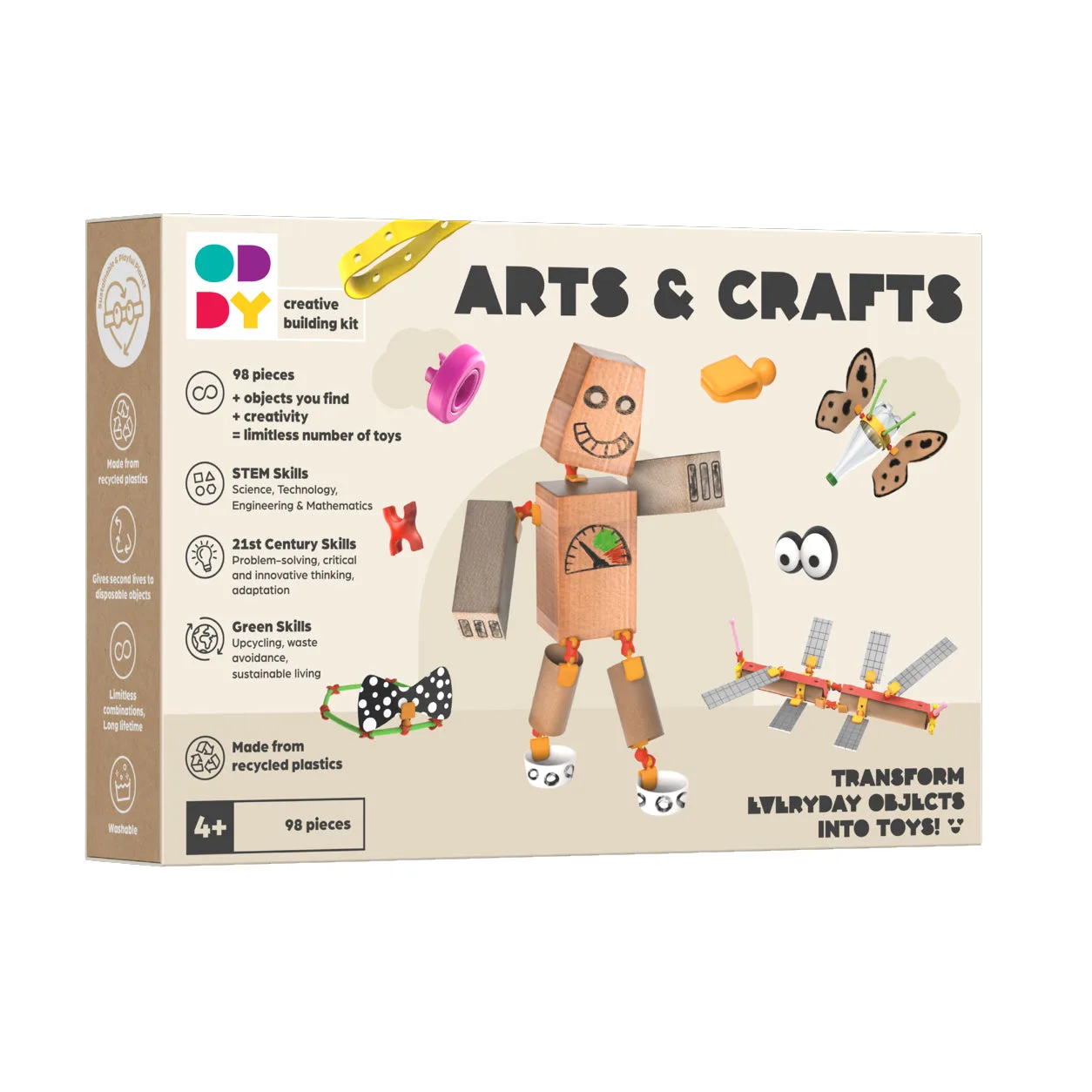
The Oddy Arts and Crafts Building Kit is a good example of a companion activity: it uses common household items such as boxes, cups, and cardboard tubes to build robots, animals, wearable accessories, and playsets, and its 98 pieces interlock and connect. That is a different kind of making than shaping dough, and it gives kids a way to turn a finished idea into something they can keep and play with.
Oddy Arts and Crafts Building Kit
- Rotate materials rather than leaving everything out at once.
- Keep a small bin of figures and props near the sensory table so creations can become stories.
Trade-Offs at a Glance
- Detail and control: Dough holds sharp impressions and stays where it is placed, which suits cutters, stamps, and small figures. Foam presses together easily but tends to spring back and lose fine detail. Pick dough if your child wants to make recognizable objects; pick foam if the goal is squeezing and shaping.
- Cleanup load: Dough leaves crumbs and can stain light fabric, and it dries out if left uncovered. Foam clumps more than it crumbles and wipes up more easily, but it still scatters and does not tolerate water. Foam is the lower-mess choice, not a mess-free one. Either way, use a tray or mat.
- Lifespan and reuse: Dough is reusable across many sessions with sealing and a little water, then eventually hardens. Foam breaks down into smaller clumps with heavy use and is harder to fully recover once scattered. Treat both as consumables and plan to replace them; buy durable toys separately.
- Skill focus: Dough builds hand strength, tool use, and precision, and it pairs naturally with pretend play. Foam builds sensory exploration and gross shaping for children not yet ready for table-based precision work. Match the material to the skill you want to encourage this month, not to what looks most fun in the photo.
Product Facts That Inform the Choice
- Oddy Arts and Crafts Building Kit: ODDY Creative Building Kits let kids transform everyday objects into toys. This 98-piece Arts & Crafts Building Kit lets kids use common household items such as boxes, cups, and cardboard tubes to build robots, animals, wearable accessories, and playsets. Household items are not included. If your child likes making things but loses interest once the dough is back in the tub, a building kit extends the session into a finished object they can keep and play with.
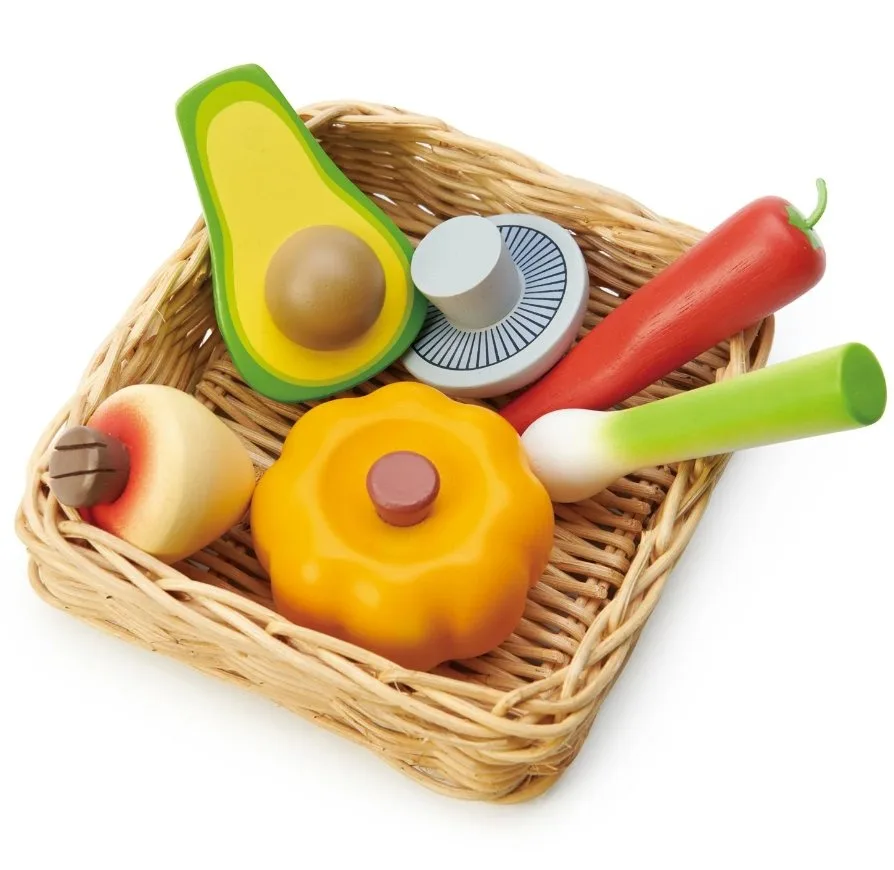
- Tender Leaf Toys Veggie Basket: Tender Leaf pretend play sets are designed for imaginative pretend play, are made from recycled materials, and include components sized for little hands. The set is recommended for ages 3 years and up. A pretend food set gives dough or foam creations a purpose: kids can shape a vegetable, then stock the basket and play kitchen, which turns a sensory activity into narrative play.
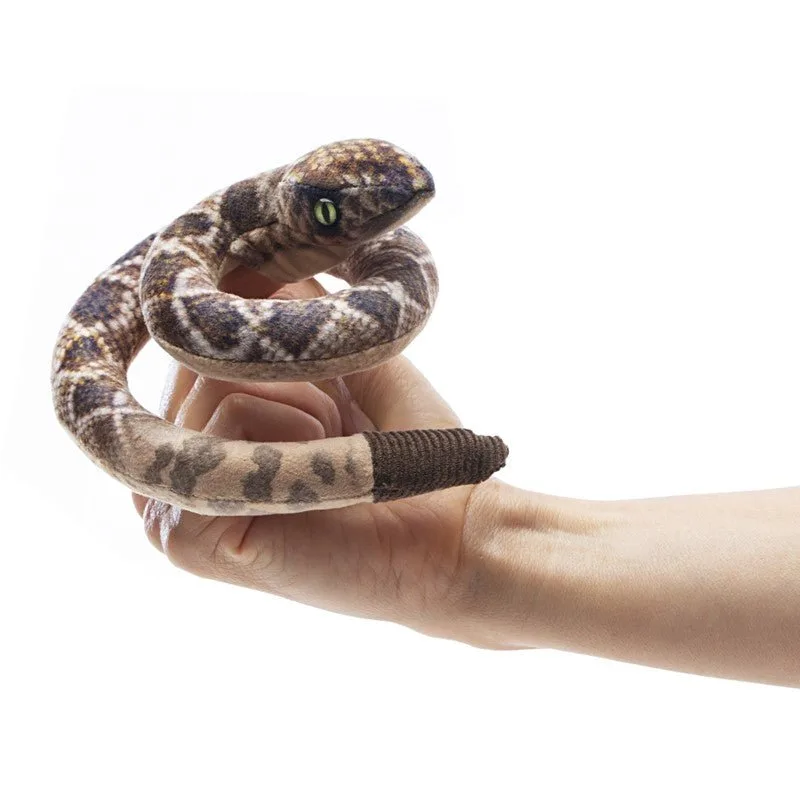
- Mini Rattlesnake Finger Puppet: This plush Folkmanis finger puppet measures 5 inches long, 1 inch wide, and 5 inches tall and is recommended for ages 3 years and up. Small puppets are an easy way to keep a sensory session going after the material is put away, and the compact size makes them simple to store next to a dough or foam tray.
Which One Fits Your Child
Best for
- Children ages three and up who enjoy cutters, stamps, and making recognizable shapes
- Families who want a reusable material they can seal and bring out again for weeks
- Kids who like to turn what they make into pretend play with food sets, figures, or puppets
- Short, active sensory sessions where you want less crumb and residue cleanup
Not for
- Children under three or anyone who still mouths materials, who need a large-format alternative with direct supervision
- Families who want a single purchase that lasts for years rather than a consumable supply
- Kids who want to build structures that hold their shape permanently, who will do better with a building kit
- Anyone hoping for truly mess-free play, since both materials still end up on the floor
There is no universal winner here, only a better match for your child's stage and your patience for cleanup. Dough earns its place for precision and pretend play; foam earns it for lighter, lower-mess sensory sessions. Buy one, use it on a tray, and let your child's interest tell you whether to add the other.