Quick answer
Buy a mat that is at least as long as your baby's crawling reach, thick enough to cushion a fall, and made from a material you can wipe or wash. Prioritize a non-toxic play mat with a firm, flat surface for tummy time and early movement, then size up only if you have the floor space to keep it unrolled.
A baby play mat is not just a blanket with better marketing. It is the surface your baby will roll, scoot, and eventually crawl on, so the material, thickness, and size matter more than the pattern. This guide walks through the decisions that actually change how a mat performs day to day.
You will see mats described as foam, fabric, or reversible, with thickness listed in millimeters or inches and sizes ranging from a small newborn pad to a full-room floor covering. The goal is to match those numbers to your baby's stage and your home, not to buy the biggest or thickest option by default.
Match the mat to your baby's stage
Newborns need a clean, firm surface for tummy time and short supervised play, so a smaller mat you can move between rooms works well. Once your baby starts rolling and pushing up, a slightly larger surface gives them room to practice without immediately reaching the edge. Crawlers and early walkers need the most space and the most grip, because they are covering distance and testing balance.
If you are buying before your baby arrives, choose a mat that can grow with them rather than a newborn-only pad. A mat that is too small becomes frustrating within a few months, while a mat that is too large can dominate a small living room. Measure the clear floor area you actually have before you compare sizes.
- Newborn to 4 months: prioritize a firm, easy-to-clean surface for tummy time.
- 4 to 8 months: look for enough length for rolling and scooting.
- 8 months and up: choose a mat with grip and enough area for crawling practice.
Play mat materials and what they mean for cleanup
Foam mats are firm, cushioned, and usually wipe clean, which makes them a common choice for daily floor play. Fabric mats feel softer and often look more like a rug, but they typically need machine washing and take longer to dry. Reversible mats give you two surfaces in one, though the two sides may differ in texture and how easy they are to clean.
The material also affects how the mat behaves under pressure. A dense foam holds its shape when a baby pushes against it, while a thinner quilted fabric can bunch up. If your baby is learning to sit or crawl, a surface that stays flat is easier to move on than one that shifts under their hands and knees.
- Choose wipe-clean foam if you want fast cleanup after spit-up or snacks.
- Choose washable fabric if softness matters more than quick cleaning.
- Check that the edges lie flat so they do not curl into a tripping edge.
Play mat thickness: how much cushion is enough
Thickness is a trade-off between cushioning and stability. A very thin mat offers little protection on a hard floor, while an overly thick, soft mat can make it harder for a baby to push up or keep balance. For most homes, a mat that is thick enough to soften a fall but firm enough to stay flat is the better everyday choice.
Think about where the mat will live. On carpet, you need less thickness because the carpet already cushions. On tile, laminate, or concrete, you want more cushioning under the mat. If you plan to move the mat between rooms, a lighter, medium-thickness option is easier to roll and store than a heavy dense one.
- On hard floors, lean toward a thicker, denser mat.
- On carpet, a thinner mat is usually enough and stays flatter.
- Press the mat with your palm: if it compresses too easily, it may be too soft for crawling.
Play mat size and room fit
Play mat size should be driven by the clear floor space you can dedicate, not by the largest size available. A mat that fits with a little border around it is easier to keep flat and less likely to be walked on at the edges. If you have a small apartment, a rectangular mat that fits between furniture often works better than a large square.
Measure twice before buying: length and width of the open floor, plus doorways if you plan to move the mat. A mat that is too big for the doorway will stay in one room. If you want a portable baby floor mat, prioritize a lighter material and a size you can carry with one hand.
- Measure the clear floor area, not the whole room.
- Leave a small border so the mat does not buckle against walls or furniture.
- Check door width if you plan to move the mat between rooms.
Non-toxic play mat safety checks
A non toxic play mat is about what is not in the material as much as what is. Look for clear material descriptions and avoid mats with a strong chemical smell right out of the packaging. If a mat arrives with an odor, air it out in a well-ventilated room before use, and follow the manufacturer's care instructions for cleaning.
Safety also means the mat stays in place. A mat that slides on a hard floor is a hazard for a baby learning to sit or crawl. Check whether the base has grip, and consider a rug pad underneath if it shifts. Inspect the mat regularly for tears, especially along seams and edges, and replace it if the filling or foam is exposed.
- Air out a new mat before first use if it has a noticeable smell.
- Test whether the mat slides on your floor before letting your baby play on it.
- Check seams and edges often and retire the mat if the surface breaks open.
Decision rules for choosing a play mat
- If your floor is hard tile or laminate: Choose a thicker, denser mat with grip on the underside, because the floor itself provides no cushioning and a sliding mat is a fall risk. Prioritize cushion and grip over portability.
- If you have carpet: Choose a thinner mat that lies flat, since carpet already cushions and a thick mat can buckle or feel unstable under a crawling baby. Thinner is often better on carpet.
- If you move the mat between rooms: Choose a lighter material and a size that fits through your doorways, then check that it still rolls flat without curling at the edges. Portability trades against thickness.
- If your baby is crawling or pulling up: Choose a firm, flat surface with enough length for movement, and avoid very soft mats that make balance harder. Stability beats extra cushion at this stage.
- If odor or material content is your concern: Look for a non toxic play mat with a clear material description, air it out before use, and follow the care instructions instead of guessing. Ask for material details before you buy.
Products that support floor play and early learning
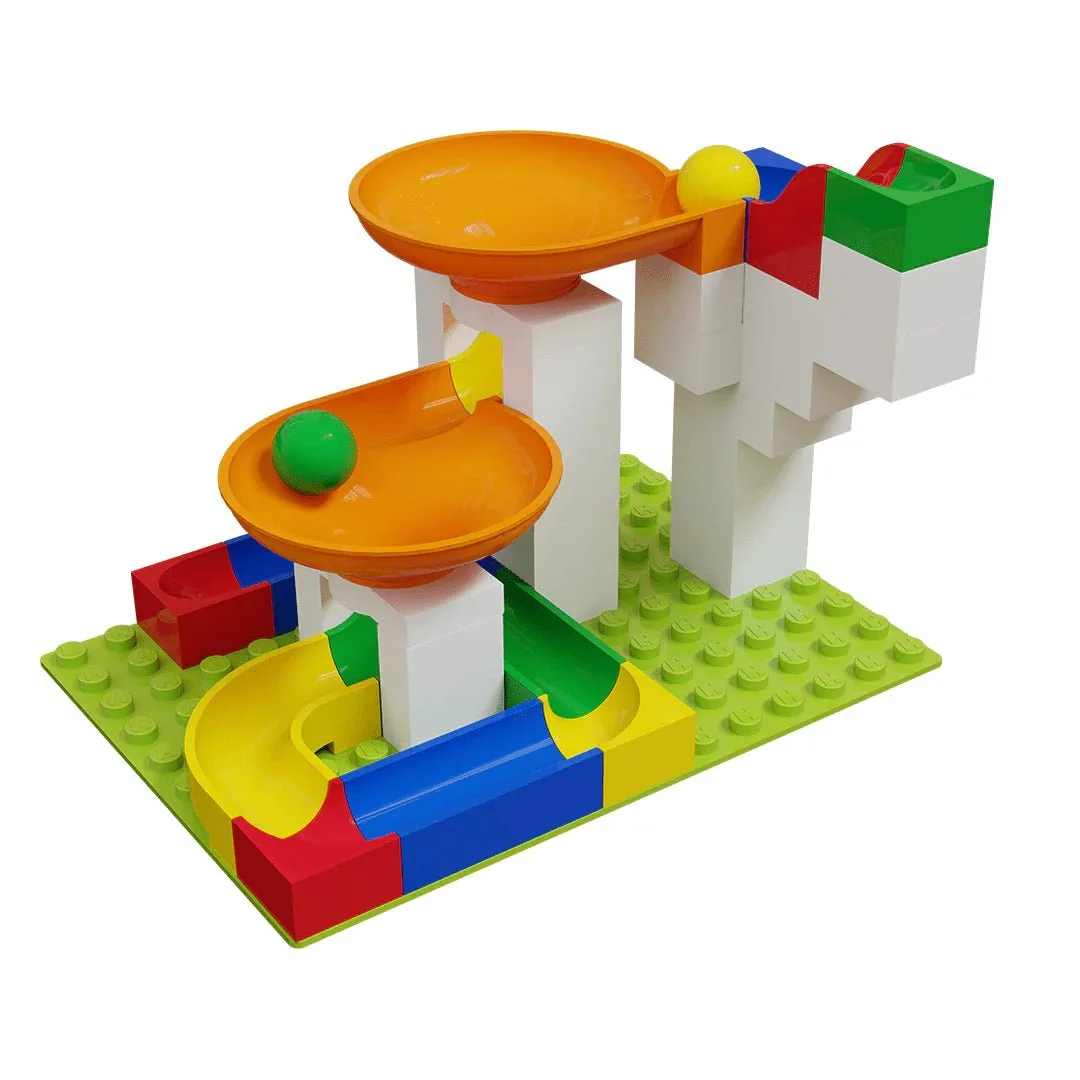
- HUB Twister Funnel Action Set: This Hubelino Twister Set includes 44 pieces: 13 run elements, 24 building blocks, 1 baseplate, 4 marbles, and 2 twisters, with an instruction booklet, sized 9.7 x 3.8 x 8.5 inches for ages 4 and up. A firm, flat play mat gives older siblings a stable surface for building and marble runs while a baby plays nearby, so one floor area can serve more than one age.
- Mako Shark Toy: Makos are the fastest known shark species, able to cruise at around 25 mph (40 km/h) with bursts over 45 mph (72 km/h), and this figure is crafted as a detailed sea life toy. Small animal figures are easy to lose on a large mat, so a mat with defined edges or a storage bin nearby keeps pieces contained during floor play.
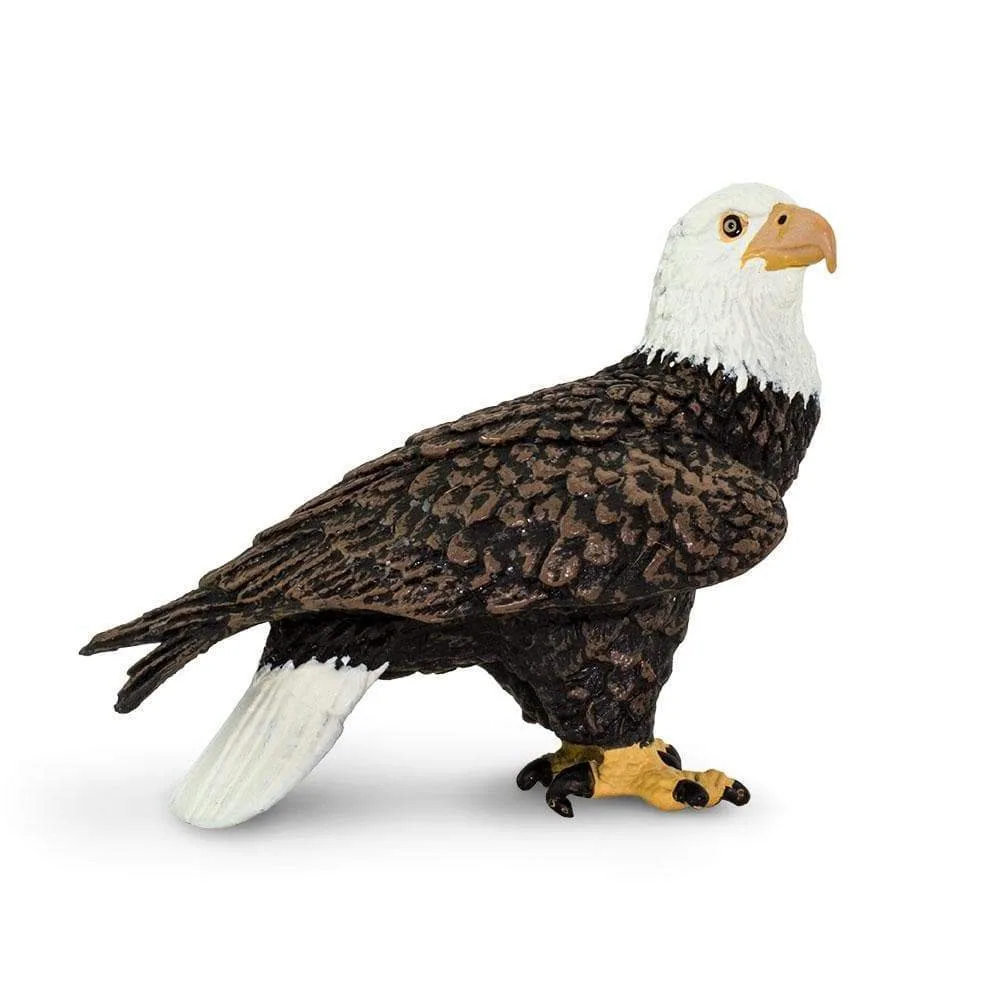
- https://safariltdexn.com/products/incredible-creatures-bald-eagle-figurines-251029-daee25a47ffb5860f9d953ad-1379697Bald Eagle Toy: The bald eagle is a sea eagle found throughout North America, the largest eagle native to North America, and this Incredible Creatures figurine is crafted by professional artists. Detailed figures like this are better suited to a mat that stays flat and clean, so small painted details are not scratched by grit or uneven flooring.
Who should buy which play mat
Best for
- Parents who need a firm, wipe-clean surface for tummy time and early crawling on hard floors.
- Families with limited floor space who want a mat that fits between furniture and can be rolled away.
- Caregivers who want a non toxic play mat with clear material information and easy cleaning.
Not for
- Buyers who want a soft, plush rug for lounging rather than active floor play.
- Homes with wall-to-wall carpet where a thick mat would buckle and add unnecessary bulk.
- Anyone looking for a permanent, wall-to-wall floor covering rather than a movable baby floor mat.
Pick the mat that matches your floor, your space, and your baby's current stage, then check it stays flat and in place before every play session. A practical baby play mat buying guide comes down to three checks: material you can clean, thickness that cushions without wobbling, and a size that fits the room you actually have.