Quick answer
Buy a manual shuffler if you mostly play bridge or canasta with one or two decks, want quiet operation, and do not mind a few seconds of hand work. Buy an electric shuffler if you host poker nights with multiple decks, have hand fatigue, or want the table to keep moving without a dealer. Match the shuffler to your card width first: bridge cards are 2.25 inches wide, poker cards are 2.5 inches wide, and a tray that is too wide will jam or misalign.
Start with card size, not motor power
The most common buying mistake is choosing a shuffler by speed or price before checking card width. Bridge-size cards measure 2.25 x 3.5 inches, while poker-size cards measure 2.5 x 3.5 inches. A shuffler built for poker cards will let bridge cards slide off-center, and a bridge-only model can bind on wider poker decks. If your group mixes both, look for a model that lists both sizes or plan to keep separate trays.
Plastic cards add a second variable. They are thinner, slicker, and springier than paper cards, so a shuffler that works with worn paper decks may feed plastic cards too fast or leave them misaligned. Check the manufacturer's card compatibility before buying, and test with the exact deck you plan to use. If the listing does not state plastic-card compatibility, treat that as an open question rather than assuming it will work.
Manual shufflers: quiet, cheap, and deck-limited
Manual shufflers use a crank or sliding mechanism to interleave cards. They are quiet, need no batteries or outlet, and usually cost less than electric models. The trade-off is speed and effort: you still supply the power, and some crank designs require a firm, steady motion to avoid partial shuffles. For bridge and canasta groups that play a few hands per session, a manual shuffler is often enough.
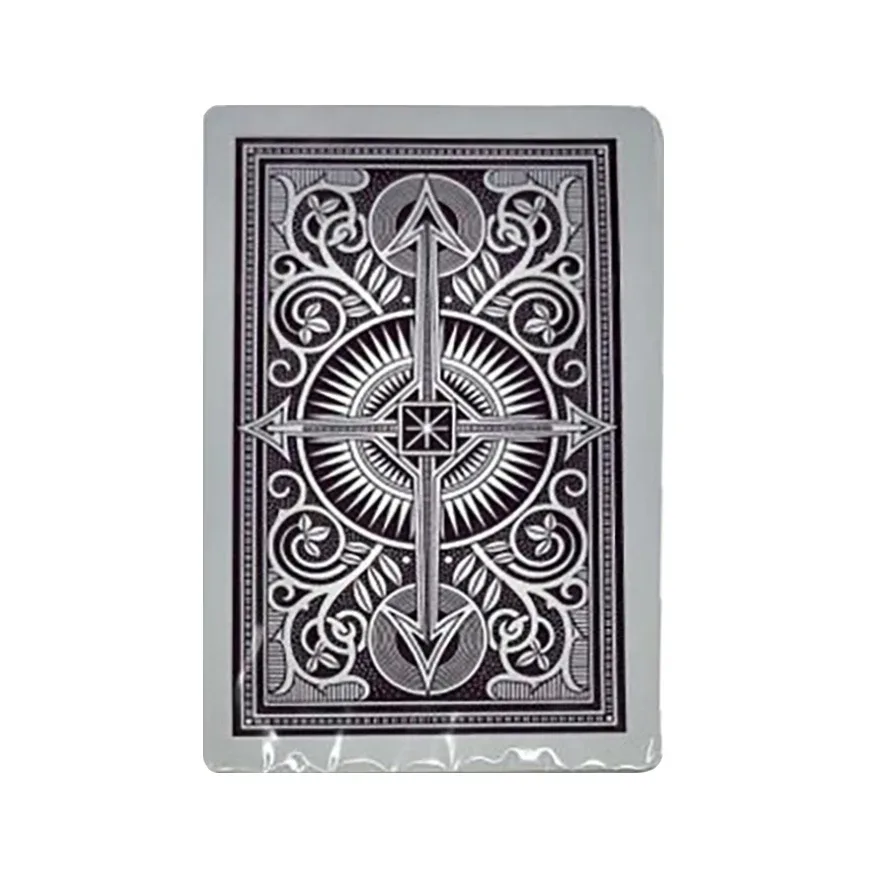
Manual models also tend to be gentler on card edges because they move slower. That matters if you play with a nicer deck, such as a Kem Arrow Brown Bridge Size Regular Index set, where you want to preserve the finish and avoid bent corners. The limitation is deck count: most manual shufflers handle one or two decks, and forcing a third deck through can jam the mechanism.
Electric shufflers: speed for poker and multi-deck games
Electric shufflers feed cards through a motorized roller system and return a mixed deck in a few seconds. They shine at poker tables, where you may shuffle two decks alternately to keep the game moving, and for players with arthritis or hand fatigue who find repeated manual shuffling painful. Many electric models also include a tray that holds the shuffled deck, which reduces handling.
The trade-offs are noise, power, and card sensitivity. Motors whir, which can be distracting in a quiet bridge game. Electric units also need batteries or a cord, and some are picky about card condition: bent, sticky, or very slick plastic cards can mis-feed. If you play with plastic cards, confirm the shuffler is rated for them, and keep a backup manual shuffler for the rare jam.
Count your decks and your table space
A single-deck shuffler is compact and fine for bridge, but poker nights with two decks will slow down if you shuffle one deck at a time. Two-deck electric models let you shuffle one deck while the other is in play, which is the standard casino rhythm. Measure your table space too: an electric shuffler with a catch tray takes up more room than a manual crank unit, and it needs a flat, stable surface to feed cards evenly.
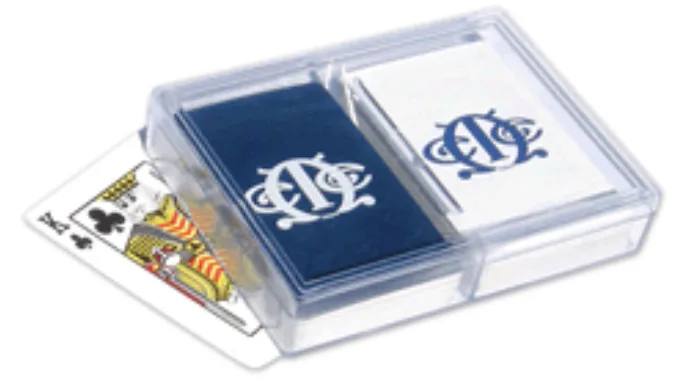
Storage matters as much as table footprint. If you already use a card box or tray to keep decks organized, choose a shuffler that fits alongside it. A clear acrylic double deck box, for example, keeps two decks ready to rotate into the shuffler without loose cards scattered on the table. The shuffler does not replace storage; it works best when your decks are already squared and clean.
Features worth paying for, and features to ignore
Worth paying for: adjustable card guides that fit both bridge and poker widths, a catch tray that holds the full deck, and a motor rated for continuous use if you host long sessions. A reverse or jam-release function is genuinely useful because misfeeds happen. Battery operation adds flexibility for tables away from outlets, but only if the battery life is stated clearly.
Features to ignore: decorative lights, digital counters, and 'casino-style' claims without card-size specs. These add cost without improving shuffle quality. Also be skeptical of any listing that promises a perfect random shuffle; no consumer shuffler guarantees true randomization, and most manufacturers recommend combining a shuffler with a cut or a manual scatter for serious play.
Decision rules: manual or electric
- Choose manual if you play bridge or canasta with one or two decks: A crank or slide shuffler is quiet, needs no power, and is gentler on card edges. It suits smaller groups and players who do not mind a few seconds of hand work. Best match for bridge-size decks and casual home games.
- Choose electric if you host poker or multi-deck nights: An electric shuffler lets you alternate two decks and keep the table moving. It also reduces hand strain for players with arthritis or fatigue. Confirm the model accepts your card width and plastic-card finish.
- Choose a two-deck model if you rotate decks: Two-deck capacity means one deck can be in play while the other is shuffled. Single-deck units slow down poker and canasta rotations. Match deck capacity to your game format, not to the lowest price.
- Skip the purchase if your cards are bent or very slick: No consumer shuffler handles damaged or overly slick cards reliably. Replace worn decks first, then test the shuffler with the exact cards you play. Card condition matters more than motor speed.
Products that support a shuffler setup
- Kem Arrow Brown Bridge Size Regular Index: Kem Arrow Brown Bridge Size Regular Index is a single deck of Kem Arrow playing cards in bridge size with a regular index. Bridge-size cards are 2.25 inches wide, so confirm your shuffler accepts bridge width before buying; this deck is a good reference for the size you will actually shuffle.
- Bridge Double Deck Card Box - Clear Acrylic Plastic for Bridge Cards (2.25 x 3.5 inch cards): Bridge Double Deck Card Box is a clear acrylic box designed for two standard bridge decks measuring 2.25 x 3.5 inches. Keeps two bridge decks squared and ready to rotate into a manual or electric shuffler, which reduces mis-feeds caused by loose or dirty cards.
- Canasta Double Deck Card Box -Clear Acrylic Plastic for Poker Cards (2.5 x 3.5 inch cards): Canasta Double Deck Card Box is a clear acrylic box that holds two standard decks of poker-sized cards measuring 2.5 x 3.5 inches. If you shuffle poker-size decks, this box matches the 2.5-inch width and keeps both decks organized between shuffles.
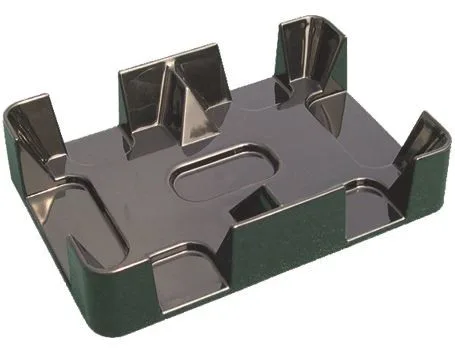
- Card Tray: Plastic, Black: Card Tray is a black plastic tray that holds one or two decks of standard playing cards and is designed for multi-deck games such as Canasta. A tray keeps the shuffled deck aligned and accessible, which pairs well with an electric shuffler that outputs a full deck at once.
Who should buy which
Best for
- Bridge players who want quiet, low-cost shuffling for one or two decks
- Poker hosts who rotate two decks and want faster table turnover
- Players with hand fatigue who want to reduce manual shuffling
- Groups that already store decks in a card box or tray and want a matching workflow
Not for
- Players who expect a guaranteed perfectly random shuffle from a consumer device
- Anyone using bent, sticky, or unverified plastic cards that may jam the feeder
- Tables with no flat, stable surface or no access to power for an electric model
- Buyers who have not confirmed their card width (2.25 vs 2.5 inches) matches the shuffler