Quick answer
A Playmobil freight goods station is a cargo-handling add-on for train play: expect a station building or platform, loading and unloading accessories, cargo pieces, and figures. It works best when you already own a Playmobil train or track system, because the station is designed to sit alongside the rails rather than replace them. If you are starting from zero, buy the train first, then add the station.
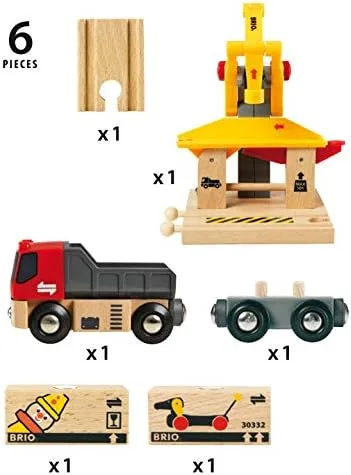
freight goods station
Freight stations are the part of a train layout where the story actually happens: something gets loaded, something gets unloaded, and somebody has to sign for it. That is why a Playmobil freight goods station tends to get more play time than a plain loop of track. This FAQ covers what is typically in the box, how the pieces connect to the rest of your train set, the age range to plan for, and setup choices that keep cargo moving instead of piling up in a corner.
One honest limitation up front: Playmobil releases different freight and cargo station sets over time, and the exact contents vary by set number. The guidance below describes the categories of pieces you should expect and how to check a specific box before buying, rather than promising an exact parts list for every version.
What is usually included in a Playmobil freight goods station?
Most freight goods stations include four groups of pieces: a station structure such as a platform, shed, or loading building; cargo items like crates, barrels, or pallets; handling equipment such as a crane arm, ramp, or hand truck; and at least one or two figures, often a station worker or freight handler. Some sets add small signage, tools, or a vehicle. The mix depends on the specific set, so treat the box art and the official parts list as your source of truth.
Before buying, check three things on the product page: the number of figures, whether a crane or loading mechanism is included, and whether track or a train is pictured as part of the set or shown separately. That last detail matters most, because a station that looks complete in a photo may assume you already own the rails.
- Count the figures first. Two or more figures make loading and unloading into a real game rather than a solo chore.
- Look for a crane, ramp, or chute. A freight station without a loading mechanism is mostly scenery.
- Check whether track is included or only implied in the photos.
How does the station connect to Playmobil train set pieces?
Playmobil train systems are built around their own track geometry, so a freight station is generally designed to sit beside or over that track rather than clip onto a generic wooden railway. If you already run a Playmobil train, the station becomes a destination on the line: the train arrives, the crane or ramp moves cargo, and the train departs. If you run a different brand of train, expect to place the station alongside the track as scenery and accept that the loading mechanisms may not line up perfectly with your cars.
This is the single biggest compatibility question buyers ask, and the honest answer is that Playmobil-to-Playmobil is the safe pairing. Measure your available floor or table space before ordering too, because a station plus a passing loop takes noticeably more room than a bare oval of track.
- Match brands when you can. Playmobil station pieces are sized for Playmobil trains and track.
- Plan a siding or passing loop so the train can stop at the station without blocking the main line.
- Leave a hand's width of clearance around the loading area so kids can reach the cargo.
What age range should you plan for?
Playmobil train and station sets are generally aimed at the early-elementary range, roughly ages 4 to 10, with small parts that make them unsuitable for children who still mouth toys. The upper end of that range matters more than parents expect: freight stations reward planning and sequencing, so older kids often get more out of them than younger ones who mainly want to push the train.
If you have a mixed-age household, set the station up at a height where the youngest child can push cars through but the smallest cargo pieces stay out of reach. That single adjustment prevents most of the frustration and lost-crate problems that come with shared train layouts.
- Treat small cargo pieces as a choking hazard for children under 3.
- Ages 4 to 6 usually need help with crane and ramp mechanisms at first.
- Ages 7 to 10 tend to invent their own freight schedules and rules.
How should you set up a freight station layout?
Start with the track, not the station. Lay out your loop or point-to-point line, then place the station where the train can pull in without reversing into a wall. Give the loading side of the station open floor space, because that is where figures, cargo, and eventually a small fleet of toy vehicles will collect. A cheap tray or shallow bin next to the layout keeps loose crates from migrating under the sofa.
Once the basics work, add one complication at a time: a second freight car, a delivery destination at the other end of the line, or a scheduled stop the train has to make. Each addition gives the layout a reason to be run again tomorrow, which is the real test of whether a station earns its shelf space.
- Build the track first, then position the station around it.
- Keep the loading zone open and reachable from at least two sides.
- Store loose cargo in one labeled bin so setup stays fast.
What if you want freight play without a full train system?
You do not need a train to get value from cargo-themed play. Smaller, hand-painted figure sets let kids build the loading, sorting, and storytelling side of a freight yard on a tabletop, and they cost far less than a station plus track. The Galapagos TOOB® is a good example of how a compact set of figures can anchor an imaginary shipping route, with creatures that fly, scuttle, crawl, and swim standing in for cargo or passengers.
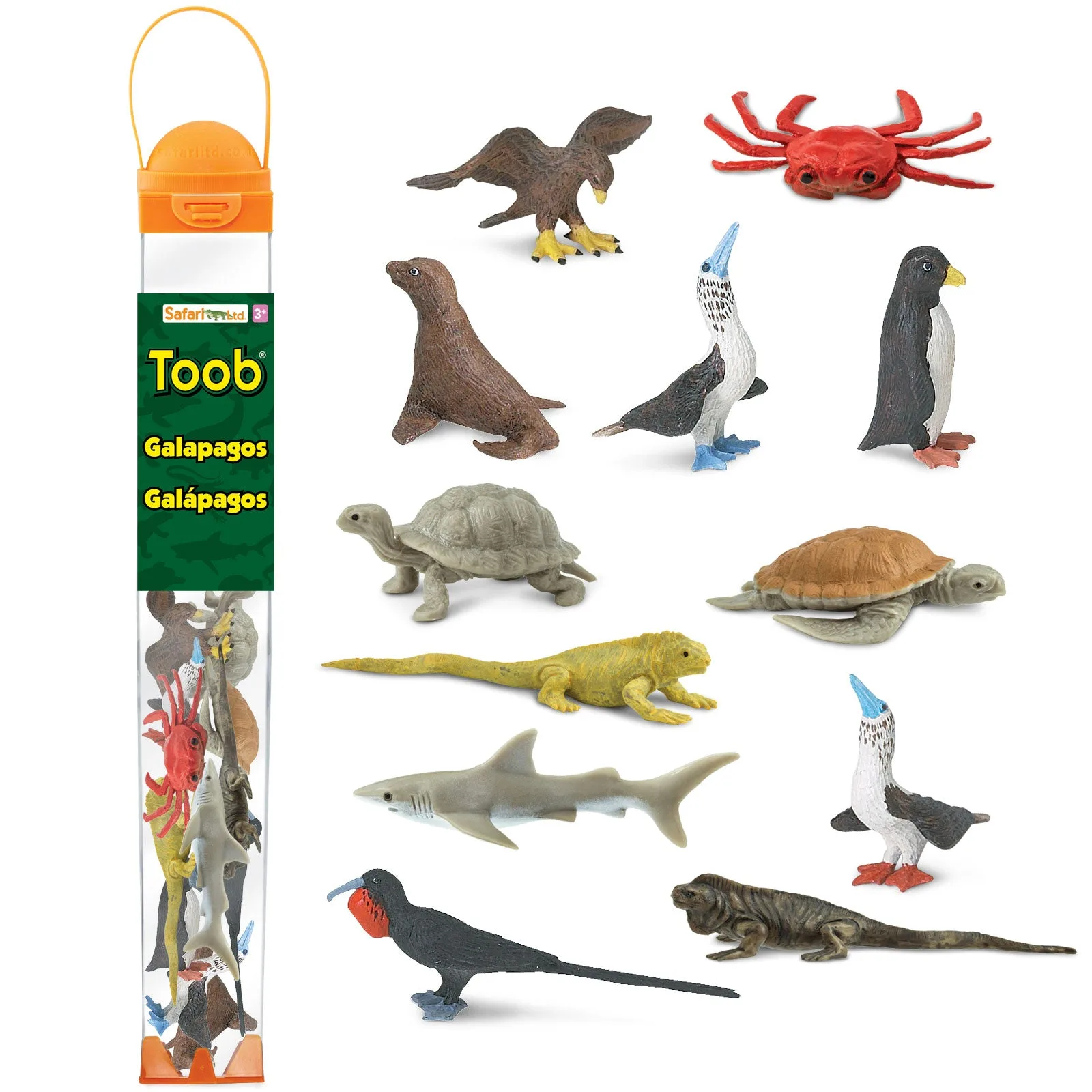
Galapagos TOOB®
That approach also solves a space problem. A tray of mini figures and a couple of vehicles can deliver the same arrive-load-depart loop as a full layout, then pack away into a shoebox. If your child is not yet ready to manage track and mechanisms, start there and add the station later.
- Mini figure sets give you freight storytelling at a fraction of the footprint.
- Use a shallow tray as the loading dock so pieces stay contained.
- Upgrade to a full station once track play is reliably independent.
Freight station buying checklist
Does it include track or a train?
Check whether the product photos show track as part of the set or as background scenery. Many freight stations assume you already own a Playmobil train and rails. If you own no train yet, budget for the train first.
Is there a loading mechanism?
Look for a crane, ramp, chute, or hand truck in the parts list. Those pieces are what turn a station from a building into an activity. No loading mechanism means less repeat play.
How many figures come with it?
Two or more figures let kids run both sides of the loading job at once. One figure usually means the adult gets recruited as the second worker. Count figures before you compare prices.
How much floor space will it need?
Plan for the station footprint plus a passing loop plus open space on the loading side. Measure your table or floor before ordering. A station plus a loop takes roughly double a bare oval.
What is the age range?
These sets are generally aimed at the early-elementary years, roughly 4 to 10, and contain small parts that are unsafe for children who still mouth toys. Under 3 means wait, or keep the small cargo stored away.
Related products for freight and cargo play
- Galapagos TOOB®: This TOOB® includes a seal, blue-footed booby, penguin, hawk, land tortoise, red-footed booby, frigate, land iguana, sea turtle, crab, shark, and a water iguana, with individually hand-painted figurines. A ready-made cargo manifest for imaginary shipping routes, and a compact alternative when you want freight storytelling without a full train layout.
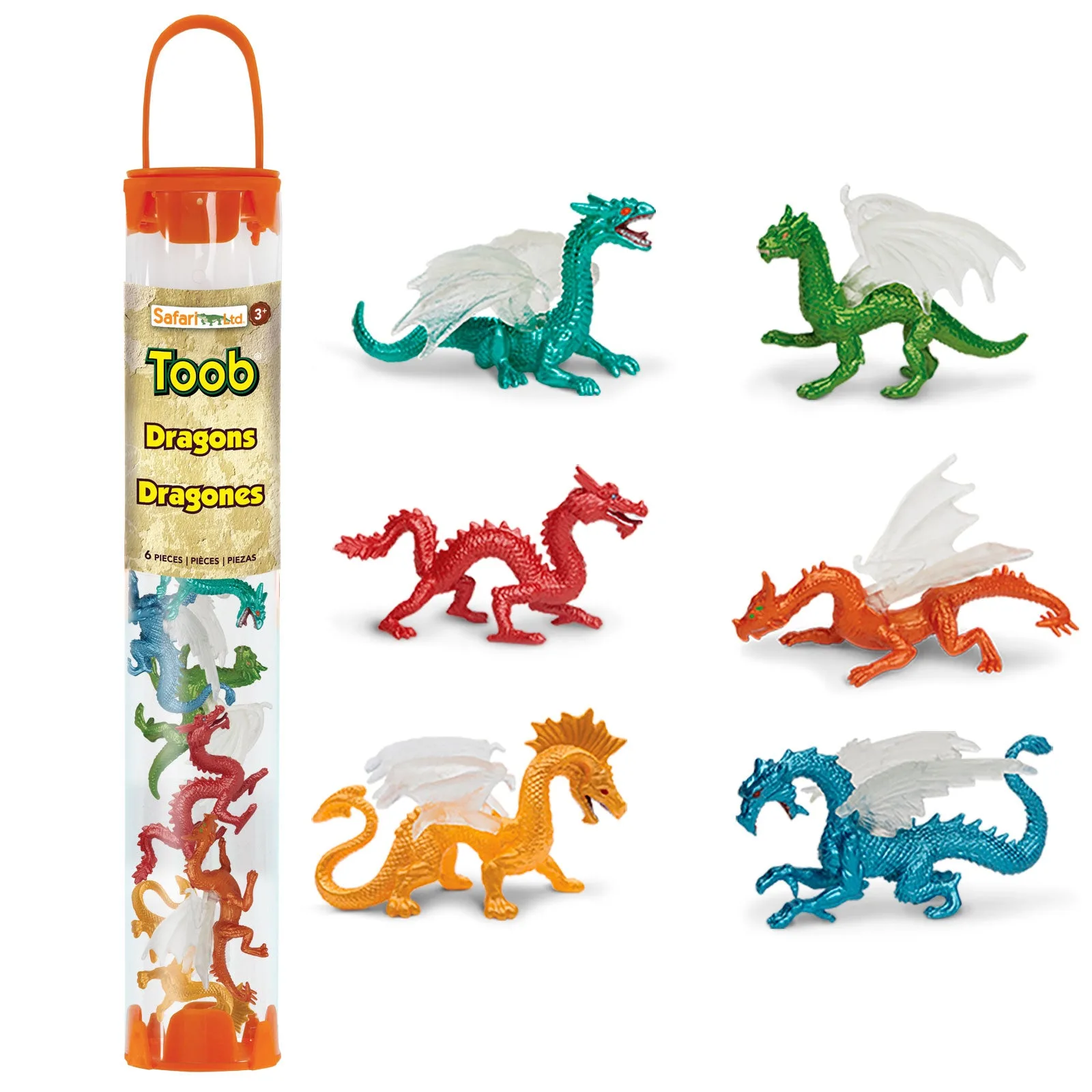
- Dragons Designer TOOB®: The set includes a Forest Dragon, Ice Dragon, Midnight Moon Dragon, Mountain Dragon, Cloud Dragon, and Chinese Horned Dragon. Six distinct characters let kids assign roles, destinations, and delivery schedules, which is exactly the kind of open-ended play a freight station supports.
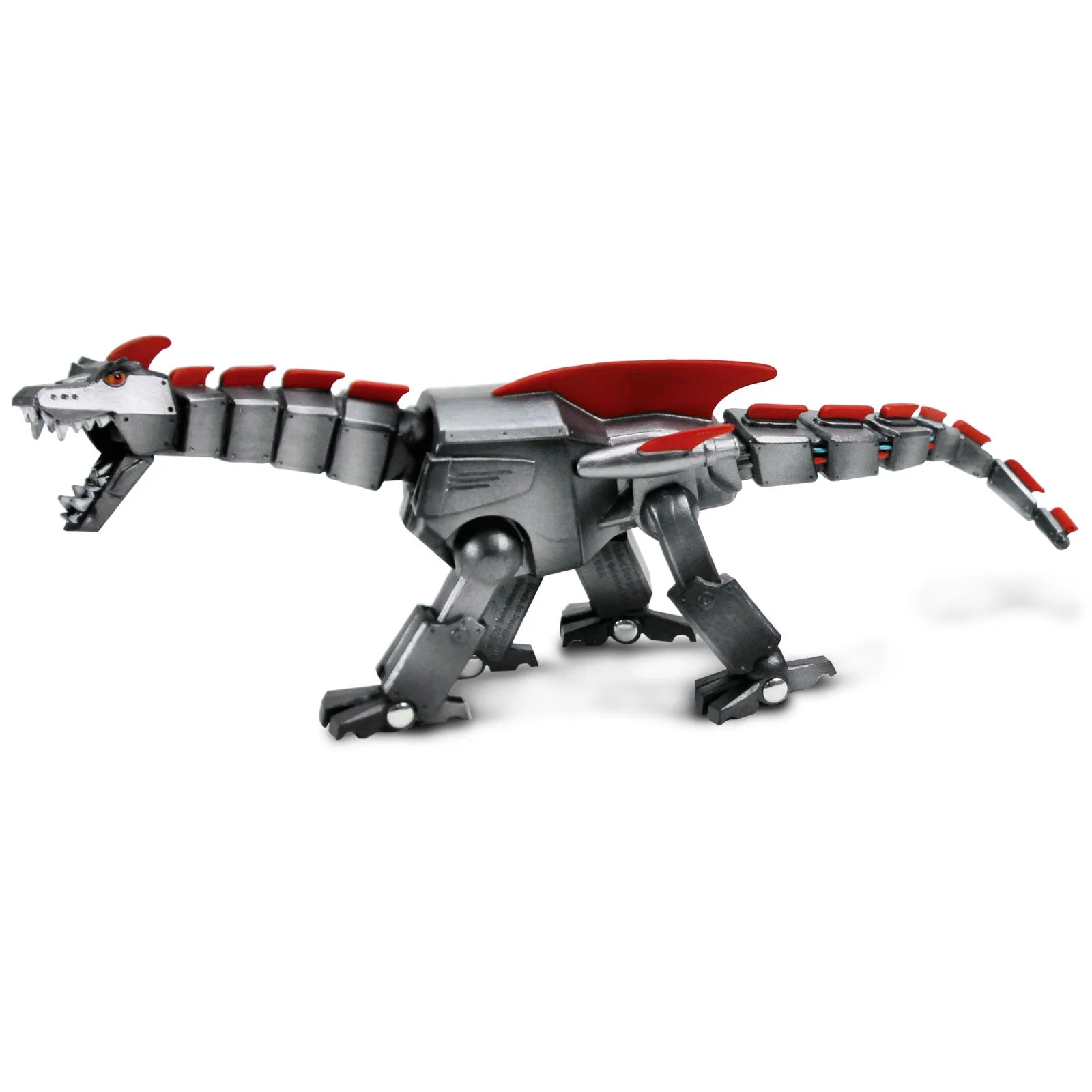
- Robot Dragon Toy Figure: The figurine features a body made up of angular armor, covering a hidden framework of cables and wires visible between the plates. A larger centerpiece figure that can act as a cargo guardian or a delivery in its own right on a station layout.
A freight goods station pays off when it sits on a line that already runs. Confirm the contents against the specific set number, check whether track is included, and plan the loading zone before you buy. Get those three right and the station becomes the busiest stop on the layout.