Quick answer
Do a five-minute safety scan before every play session: check that all climbing equipment is stable and anchored, the floor is clear and cushioned, and no loose cords or small objects are within reach. For a safe playroom setup, anchor wall-mounted gear like the Kids Swedish Ladder Wall Gym 7-in-1 Bundle and keep a clear fall zone around active equipment. Make this scan a habit, not a one-time task.
A playroom can be the safest room in your home or the one with the most hidden hazards. The difference usually comes down to a simple routine: checking the space before your child starts to play. This playroom safety checklist walks you through the steps that matter most, from anchoring furniture to spotting small toys that can become choking risks.
You do not need to babyproof every inch of the house. Instead, focus on the playroom itself and make it the one zone where you can relax while your child explores. The steps below are ordered from the biggest risks to the smallest, so you can work through them quickly and repeat the scan before each play session.
Start with the floor and fall zone
Most playroom injuries happen when a child falls. Before you check anything else, look at the surface under and around active equipment. A safe playroom setup uses a firm, non-slip surface with a cushioned mat or rug in the landing zone. Move hard toys, blocks, and furniture out of the area where your child will climb, swing, or slide. If you have a balance board or ramp, give it at least a meter of clear space on all sides.
A common mistake is placing a thick rug directly under a climbing frame. Thick rugs can bunch up and cause trips, and they can also hide small objects. Use a low-pile mat or interlocking foam tiles instead, and check that the edges lie flat. If the floor is hardwood or tile, add grip pads under any equipment that could slide.
- Walk the fall zone barefoot to feel for sharp edges, stray toys, or slippery spots.
- Keep the landing area free of hard toys and furniture legs.
Check anchoring and stability of climbing equipment
Wall-mounted equipment must be anchored into studs or with appropriate wall anchors. Tug gently on the frame or ladder to confirm it does not move. For freestanding pieces like a playhouse or indoor playground, check that all bolts and connections are tight and that the base is wide enough to resist tipping. If a piece wobbles, stop and fix it before your child plays.
A frequent oversight is assuming that a heavy wooden item is stable on its own. Children can hang, swing, or climb in ways that shift weight unexpectedly. If your child is under 3, avoid equipment with gaps that could trap a head or limb. For older children, recheck anchors every few weeks, especially if the equipment gets daily use.
- Use a level to confirm wall-mounted gear is straight; a tilted frame puts stress on one side.
- Re-tighten bolts after the first week of use, then monthly.
Scan for small objects, cords, and sharp edges
Get down to your child's eye level and look for anything that could be swallowed, pulled, or cut. Small toy parts, coins, and batteries are choking hazards for children under 3. Blind cords, charging cables, and dangling strings are strangulation risks. Cover unused electrical outlets and secure any loose rugs or mats.
Check the edges of wooden toys and furniture for splinters or rough spots. A quick sanding or a piece of tape can fix a small issue. If you have a shelf or rack, make sure it is anchored to the wall and that heavy items are stored on lower levels. A child who tries to climb a shelf can pull it over.
- Keep a small bin for loose parts and check it before each play session.
- Use cord shorteners or tie up blind cords out of reach.
Set up active play zones with clear boundaries
Children move fast, so define where active play happens and where it does not. Use furniture or a rug to mark the climbing zone, and keep the rest of the room for quiet play. This helps prevent collisions between a child on a swing and a sibling building blocks on the floor. If you have a large playground, place it against a wall or in a corner to reduce the number of open sides.
A common mistake is putting active equipment in the middle of a walkway. Even a small balance board can become a trip hazard if someone walks through the play area. Keep a clear path to the door and to any storage. If the room is small, rotate equipment rather than crowding everything in at once.
- Use painter's tape to mark a temporary boundary if you are unsure about placement.
- Store unused equipment in a rack or shelf to keep the floor clear.
Your 5-step pre-play safety scan
- Clear the floor: Remove toys, cords, and clutter from the fall zone and walking paths. Checkpoint: you should be able to walk through the play area without stepping over anything.
- Test stability: Gently push or tug on climbing frames, ladders, and swings to confirm they are anchored and do not wobble. If it moves, fix it before play. A wobbly frame is an accident waiting to happen.
- Check for small hazards: Scan at your child's height for small parts, sharp edges, and dangling cords. Keep a small bin nearby to collect loose items as you find them.
- Confirm the landing zone: Make sure the surface under active equipment is cushioned and free of hard objects. A low-pile mat or foam tiles work better than a thick, bunching rug.
- Set boundaries: Mark the active play zone and keep quiet play separate. This reduces collisions and helps children understand where to climb and where to sit.
Playroom safety facts for popular equipment
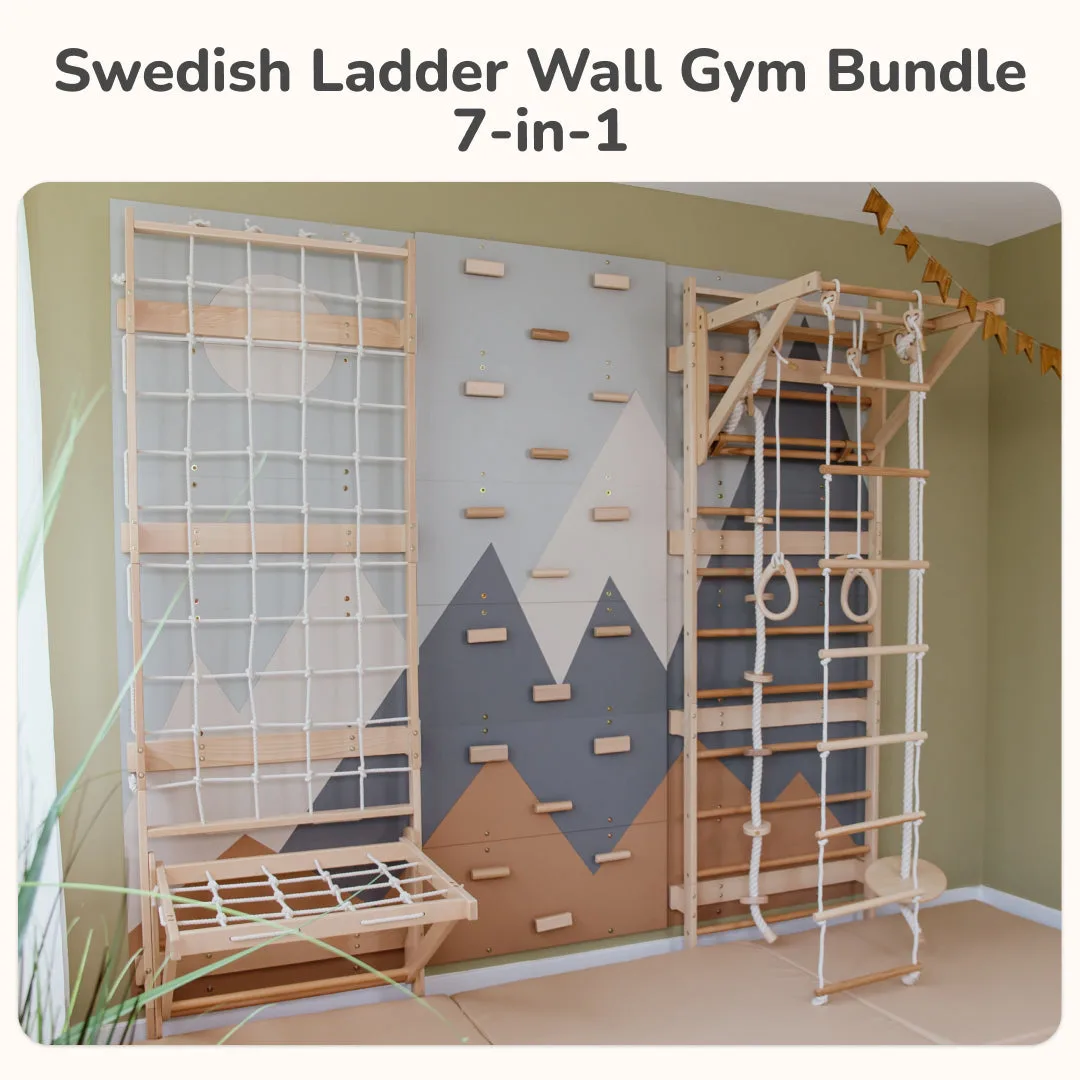
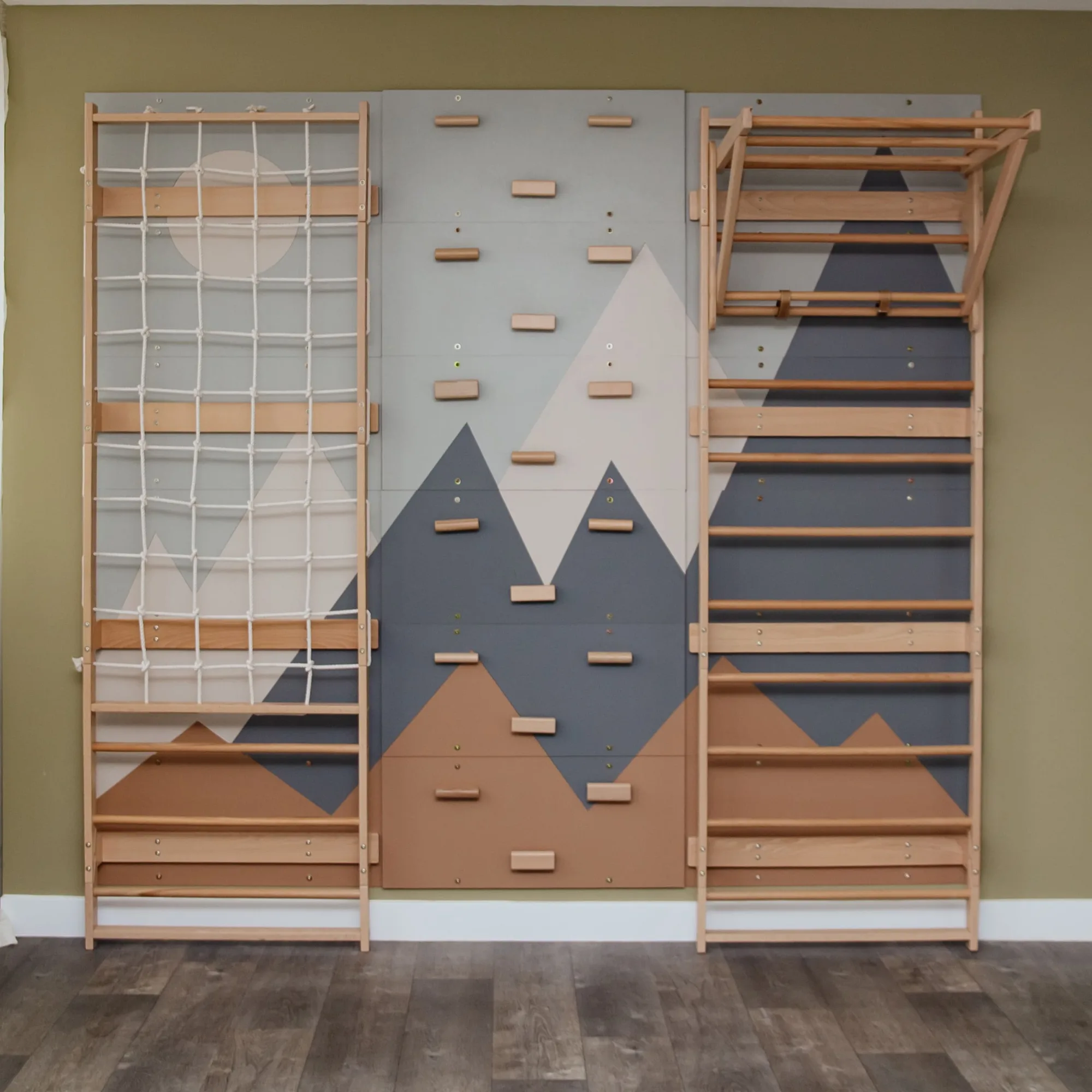
- Kids Swedish Ladder Wall Gym 7-in-1 Bundle: This bundle combines a Swedish ladder wall gym, a cozy rope seat, and a full swing, and is suitable for children aged 3+ and even adults. Because it includes both wall-mounted and hanging elements, you need to anchor the ladder securely and check the swing's attachment points before each use. The age guidance helps you decide if your child is ready.
- Large Kids Indoor Playground, Complete Playspace for Kids: This multifunctional Montessori-inspired setup includes climbing, swinging, and sliding elements and is ideal for children aged 3–8 years. With multiple activity zones, you should give it a dedicated area with a clear fall zone and check all connections regularly. The age range means older children may use it more vigorously, so stability checks matter.
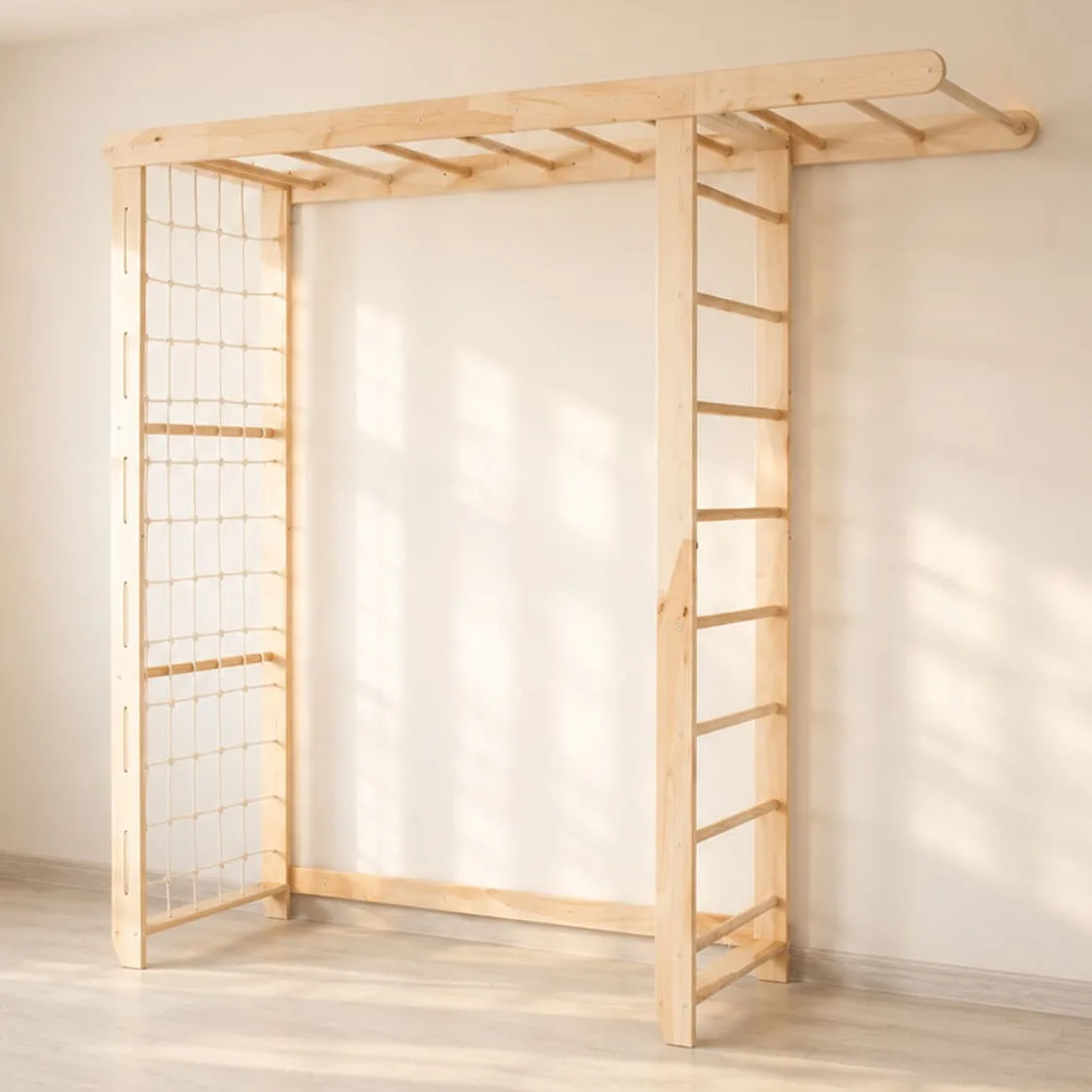
- Indoor Monkey Bars: This 4-in-1 structure features a climbing ladder and is designed for toddlers, preschoolers, and teens. Because it serves a wide age range, the anchoring and height requirements differ. Always follow the installation instructions and recheck stability as your child grows and uses it more actively.
A playroom safety checklist is only useful if you actually use it. Tape these steps to the wall or save them on your phone, and run through the scan before your child plays. It takes a few minutes and prevents the most common injuries. For more ways to create a safe playroom setup, explore our how-to guides and product pages.