Quick Answer
Playsuits and rompers are both one-piece outfits, but playsuits typically feature a more fitted, lingerie-inspired design with delicate details like lace and underwire, while rompers are generally looser, casual, and sportier. If you want a sleek, date-night look, choose a playsuit; for a relaxed daytime outfit, a romper is your go-to.
You've seen them in stores and online, but what exactly sets a playsuit apart from a romper? Both are one-piece wonders that save you the hassle of matching separates, but they cater to different vibes and occasions. Understanding the difference can help you pick the perfect outfit for your next event or everyday wear.
In this comparison, we'll break down the key distinctions between playsuits and rompers, from fit and fabric to styling and when to wear each. We'll also highlight a few real product examples to show you what a playsuit can look like. By the end, you'll know exactly which one-piece outfit suits your needs.
What Defines a Playsuit?
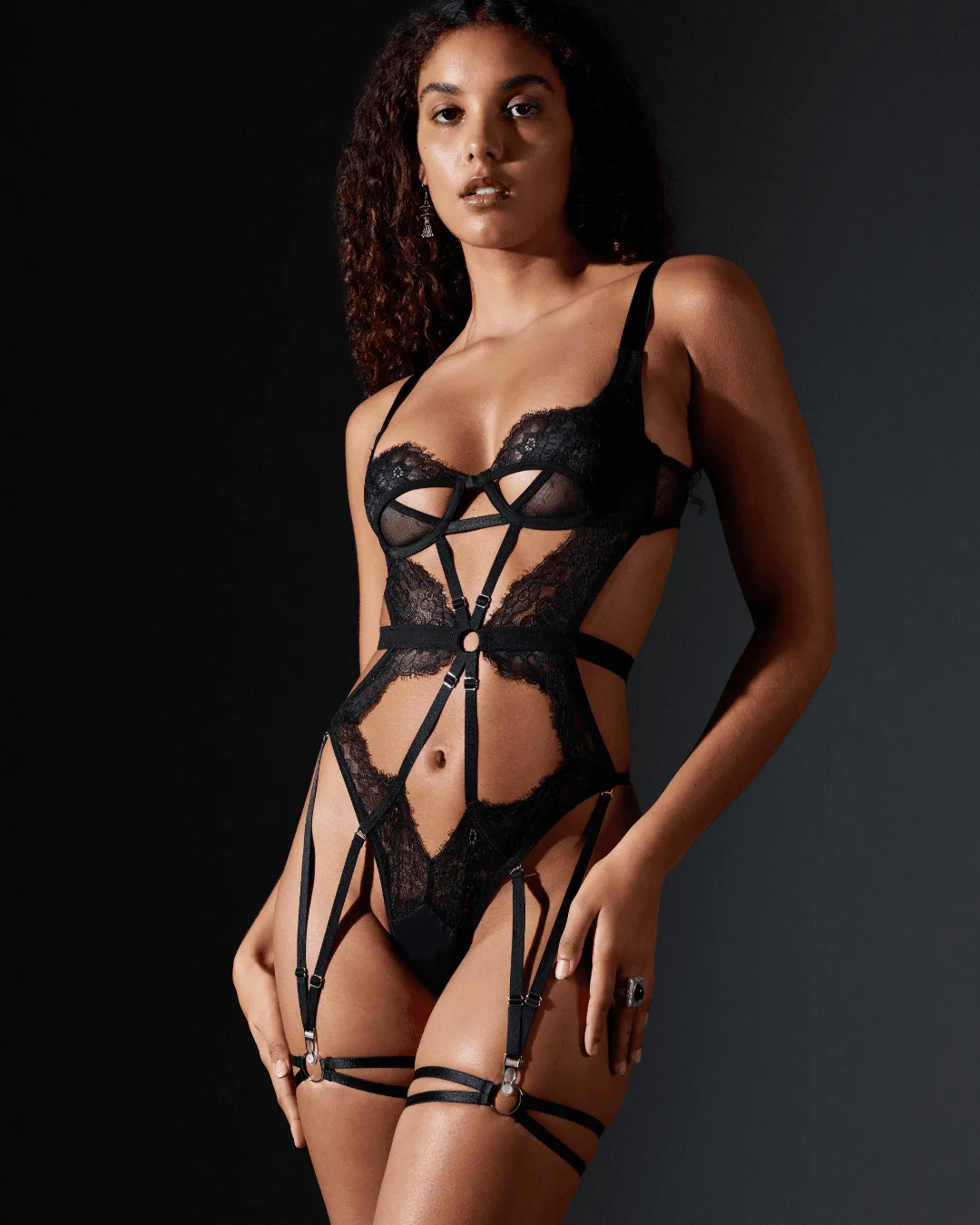
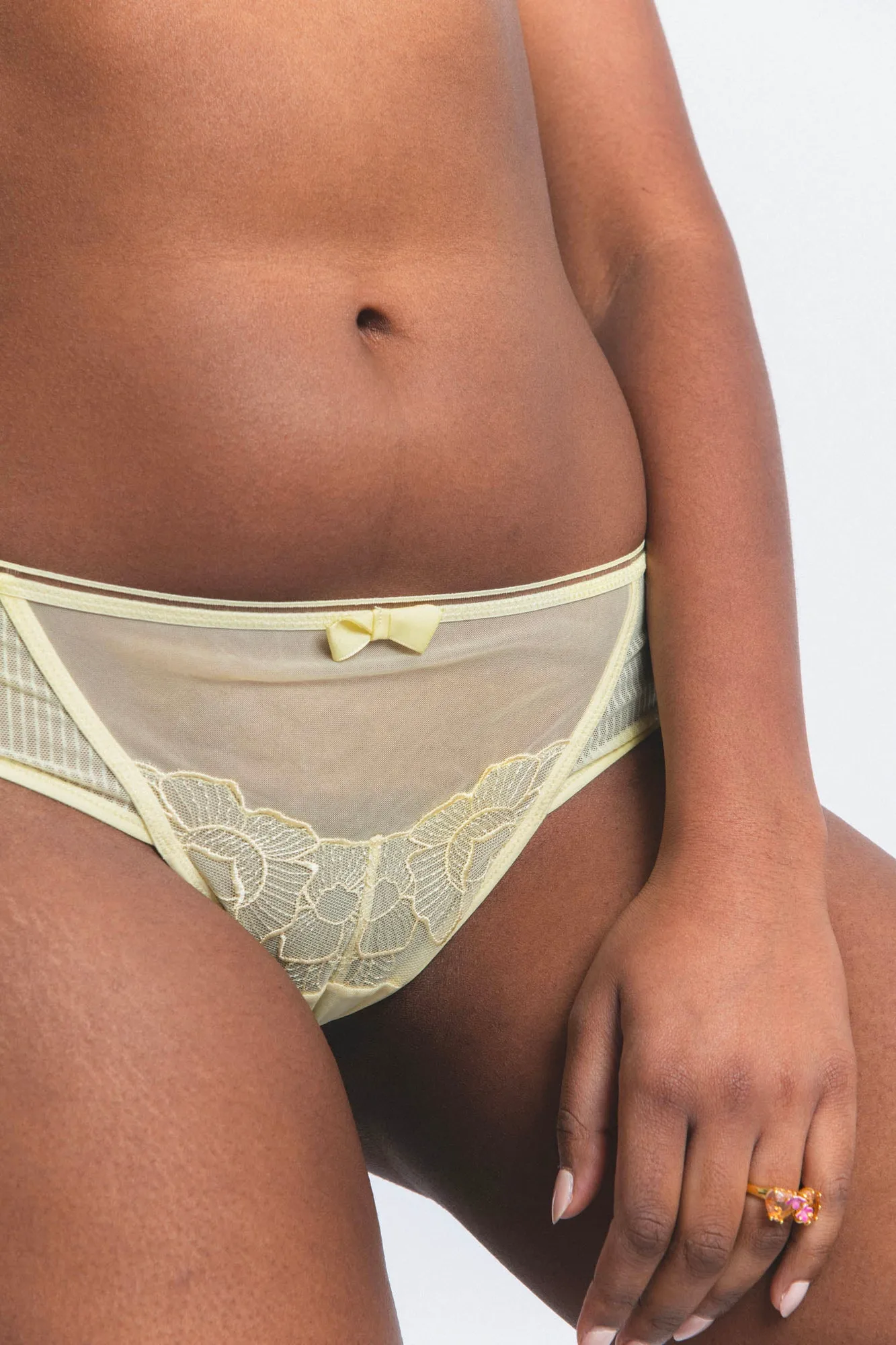
A playsuit is a one-piece garment that typically features a fitted bodice with shorts or briefs attached. It often draws inspiration from lingerie, with elements like lace, underwire, adjustable straps, and sometimes even garter attachments. Playsuits are designed to flatter the figure, offering a balance of bold and delicate aesthetics.
For example, the Minna Playsuit from Thistle and Spire combines sleek stretch panels with handcut floral lace, providing underwire support and adjustable straps for a customized fit. It even includes optional garter straps, making it a versatile piece that can transition from undergarment to statement outfit. Playsuits are often worn as outerwear for special occasions or nights out, but they can also be layered under clothing.
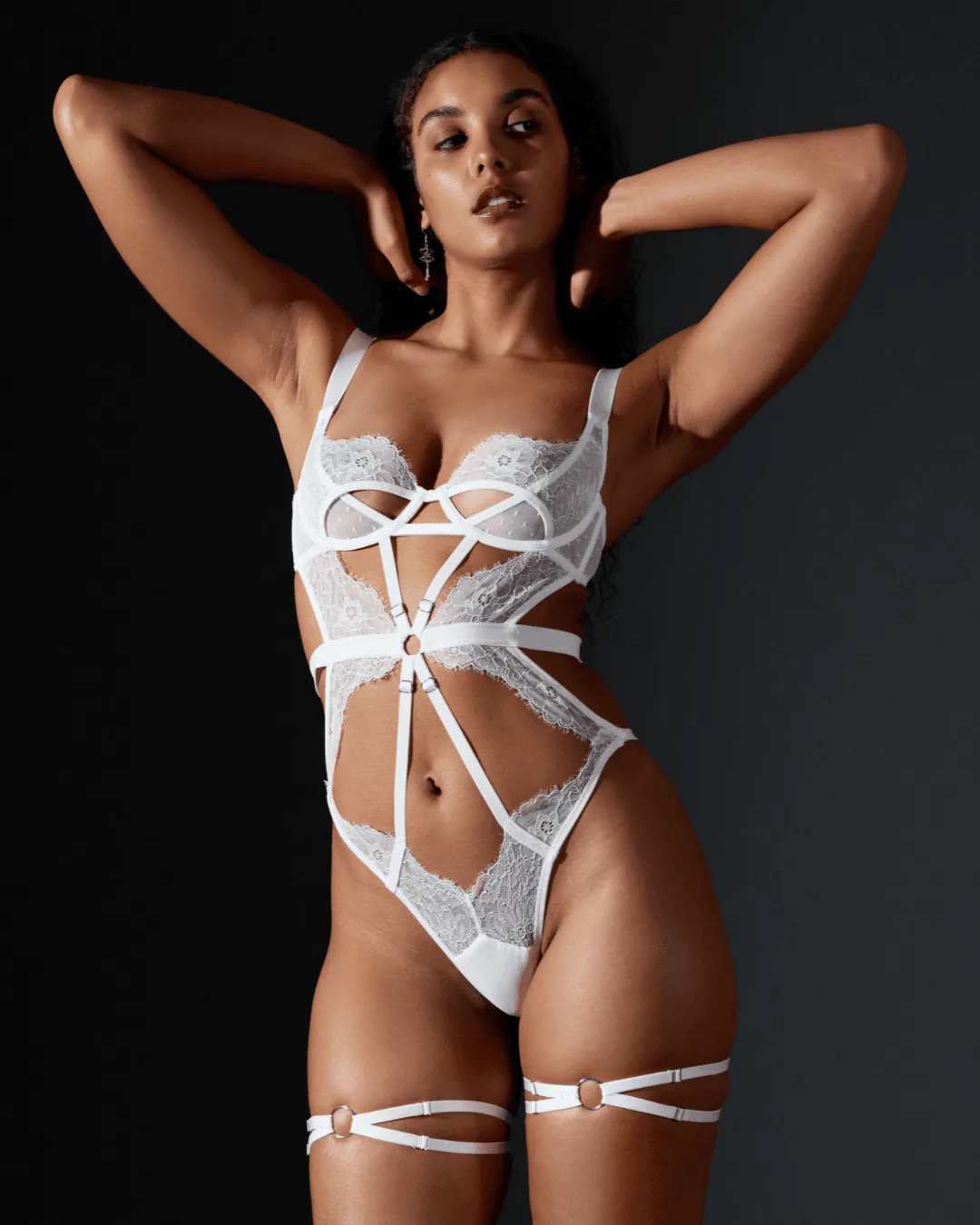
Minna Playsuit
- Look for playsuits with adjustable straps and stretch panels for a personalized fit.
- Consider playsuits with removable or optional features, like garter straps, for versatility.
What Defines a Romper?
A romper is a loose-fitting one-piece jumpsuit with shorts, typically made from casual fabrics like cotton, jersey, or denim. Rompers are known for their comfort and ease, often featuring elastic waistbands, drawstrings, or relaxed silhouettes. They are a popular choice for warm weather, beach outings, or casual daytime activities.
Unlike playsuits, rompers usually lack structured support like underwire or intricate lace. They prioritize comfort and freedom of movement over a fitted, lingerie-inspired look. Rompers are easy to throw on and style with sandals or sneakers for an effortless outfit.
- Rompers are great for casual settings where comfort is key.
- Choose rompers with breathable fabrics for hot days.
Key Differences: Fit, Style, and Occasion
The main difference between a playsuit and a romper lies in their fit and style. Playsuits are typically more fitted and structured, often incorporating underwire, boning, or lace to create a flattering silhouette. They are designed to be worn for dressier occasions or as bold fashion statements. Rompers, on the other hand, are looser and more relaxed, focusing on comfort and ease.
Occasion-wise, playsuits are ideal for date nights, parties, or any event where you want to feel confident and put-together. Rompers are better for daytime adventures, casual meetups, or lounging. When it comes to styling, playsuits can be accessorized with statement jewelry and heels, while rompers pair well with flat sandals and a crossbody bag.
- For a night out, opt for a playsuit with lace or underwire details.
- For a day at the park, choose a breathable romper.
Playsuit vs. Romper: The Trade-offs
- Fit: Playsuits offer a more fitted, structured silhouette with support features like underwire. Rompers are looser and more relaxed, prioritizing comfort over shape. If you want a defined waist and bust support, choose a playsuit.
- Style: Playsuits often feature delicate fabrics like lace and satin, with intricate details. Rompers use casual materials like cotton and jersey, with simpler designs. For a dressy look, playsuit; for casual, romper.
- Occasion: Playsuits are suited for evenings, parties, or events where you want to make a statement. Rompers are perfect for daytime activities, travel, or lounging. Consider the event: playsuit for night, romper for day.
Real Playsuit Examples
- Minna Playsuit: Sleek stretch panels and handcut floral lace combine for the perfect balance of bold and delicate. Thoughtful curves, underwire support and adjustable straps all over to fit your shape. Optional garter straps too. This playsuit shows how playsuits can offer both style and support, with adjustable features to fit your body and optional garters for extra flair.
- Minna Playsuit - Black: Wear under anything or nothing. Sleek stretch panels and handcut floral lace combine for the perfect balance of bold and delicate. Thoughtful curves, underwire support and adjustable straps all over to fit your shape. Optional garter straps too. The black version of the Minna Playsuit illustrates the versatility of playsuits—they can be worn as outerwear or layered, making them a flexible addition to your wardrobe.
Which One Should You Choose?
Best for
- Those seeking a flattering, supportive one-piece for date nights or special occasions
- Fashion-forward individuals who love lingerie-inspired details and are comfortable with a more fitted look
Not for
- Anyone prioritizing maximum comfort and ease of movement for casual wear
- Those who prefer modest, loose-fitting clothing without structured support
In the playsuit vs. romper debate, there's no right or wrong—only what fits your occasion and style. If you're drawn to the elegance and support of a playsuit, explore options like the Minna Playsuit to see how they can elevate your wardrobe. For laid-back days, a romper remains a reliable choice. Now that you know the difference, you can confidently pick the one-piece outfit that makes you feel your best.