Quick answer
Buy one portable floor play surface and one tummy time accessory first, then add baby motor skills toys only when your baby outgrows what you own. Match each piece to your baby's current stage, your floor space, and how closely you can supervise, because accessories that don't fit those three constraints sit unused.
Start With the Surface, Not the Toys
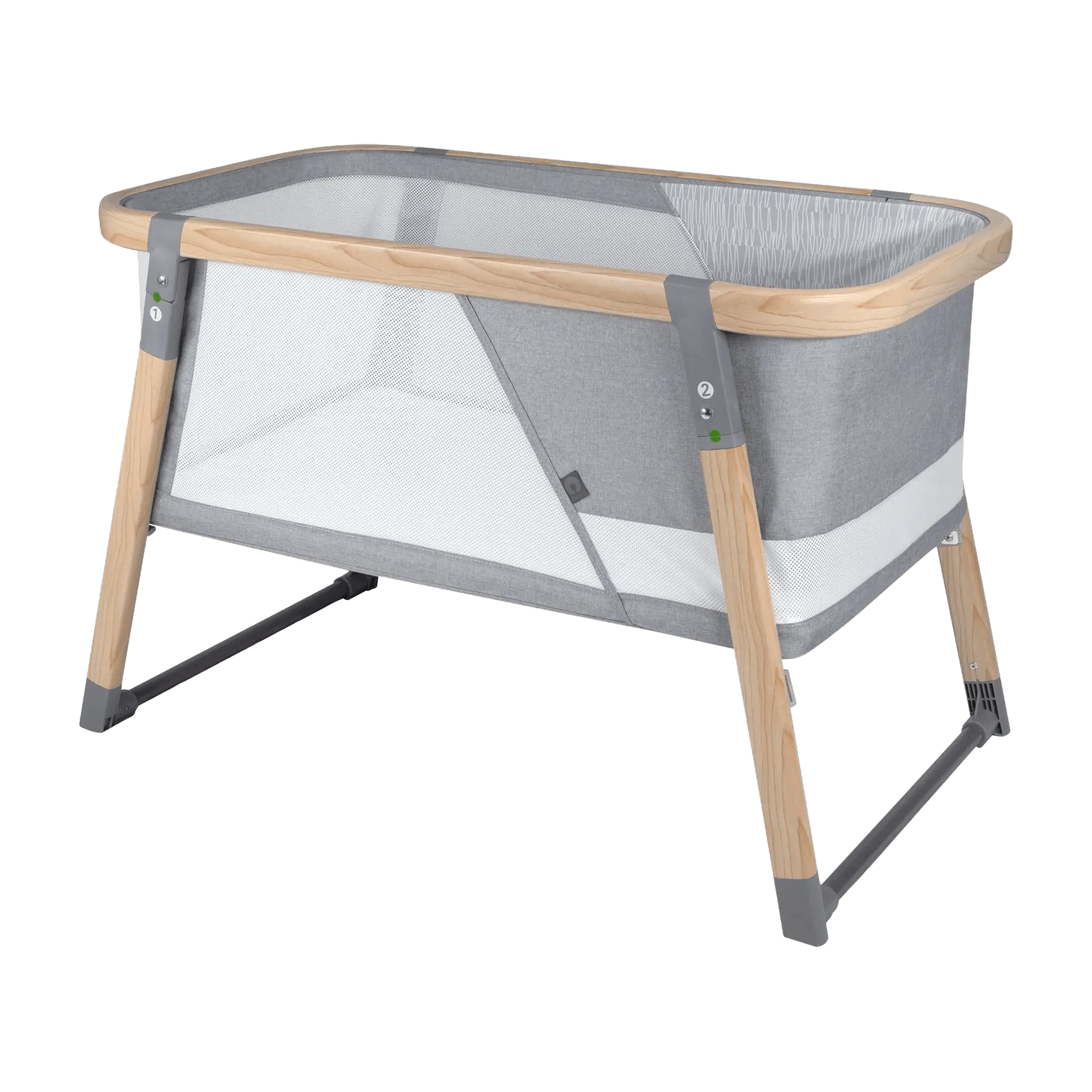
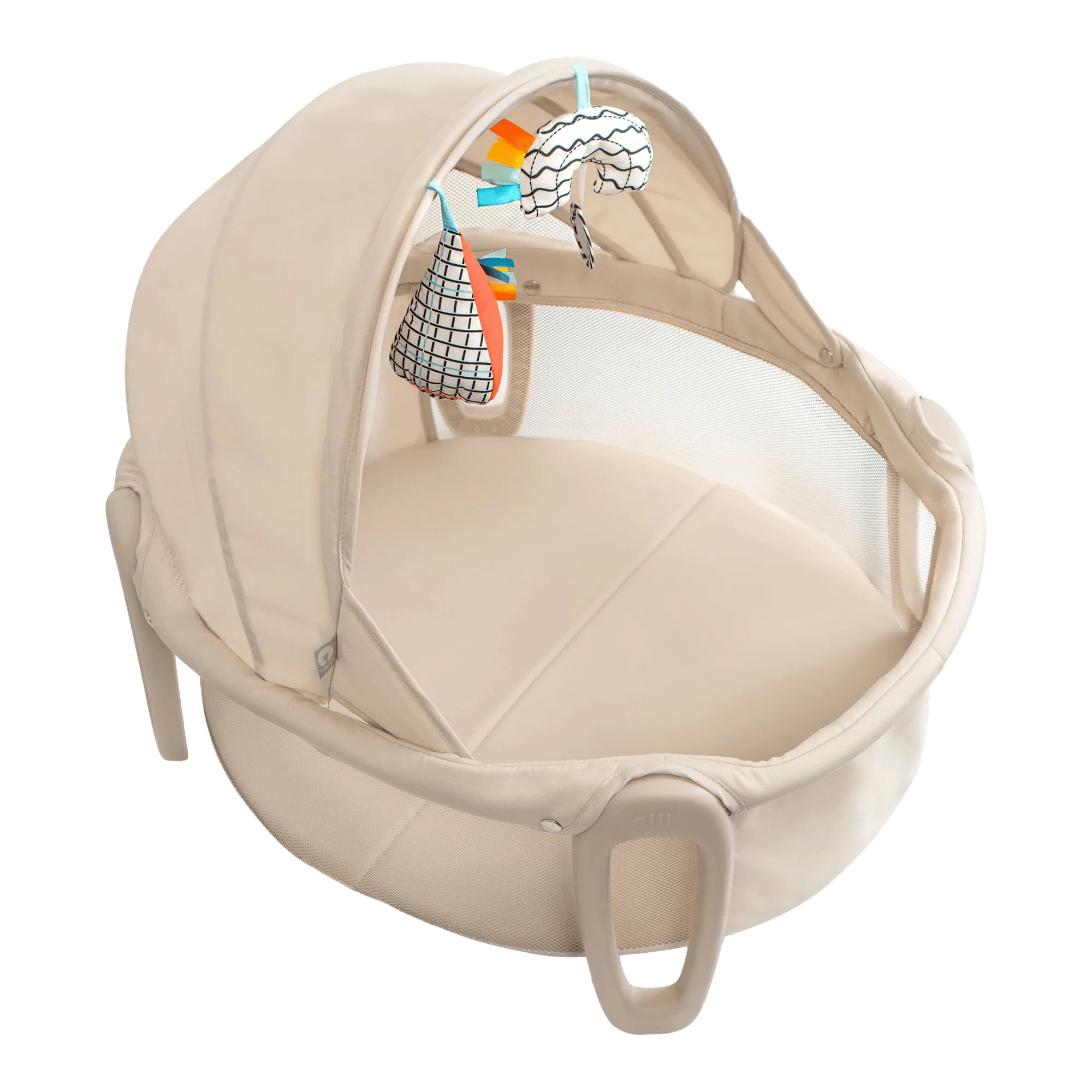
Most parents buy toys first and then discover there's nowhere comfortable to put them. A dedicated floor play surface solves that: it defines the play zone, protects knees and elbows during tummy time, and gives you a predictable place to set a toy down. If your baby is 0-5 months and you want a rest-or-play spot that moves between rooms, the Boppy Cozy Cabana is a lightweight option for supervised rest or play at home or on the go. If you'd rather have a fixed sleep-and-play station in the nursery, a bassinet with a flat, breathable base does double duty for short supervised play sessions before your baby is mobile.
Match Accessories to the Motor Milestone, Not the Age
Age is a rough proxy; the milestone is what matters. A baby working on head control needs a firm, slightly elevated surface and a high-contrast object placed just out of reach. A baby working on rolling needs open floor space and fewer props, because clutter blocks the roll. A baby working on sitting balance needs a supportive ring or pillow behind them and toys placed to the side to encourage weight shifting. Buying for the milestone you're actually in prevents the common mistake of buying for the milestone you expect next month.
- Head control: firm surface, one dangling or held object, short sessions.
- Rolling: clear floor, remove loose toys and bulky accessories.
- Sitting balance: support behind, toys placed to the left and right.
- Reaching and grasping: objects at chest height, easy to bat or grab.
Space and Storage Rules That Keep Accessories in Rotation
Measure your actual play area before buying anything. A play gym needs roughly a square of open floor plus clearance for you to kneel beside it. If your space is a shared living room, choose accessories that fold, pack flat, or stack, and store them within arm's reach of the play zone. Anything that requires a trip to a closet will get used less. The same logic applies to cleaning: accessories with removable, washable covers survive spit-up and floor grime far better than those with fixed fabric.
Covers and Small Add-Ons Are Cheaper Than Replacing Gear
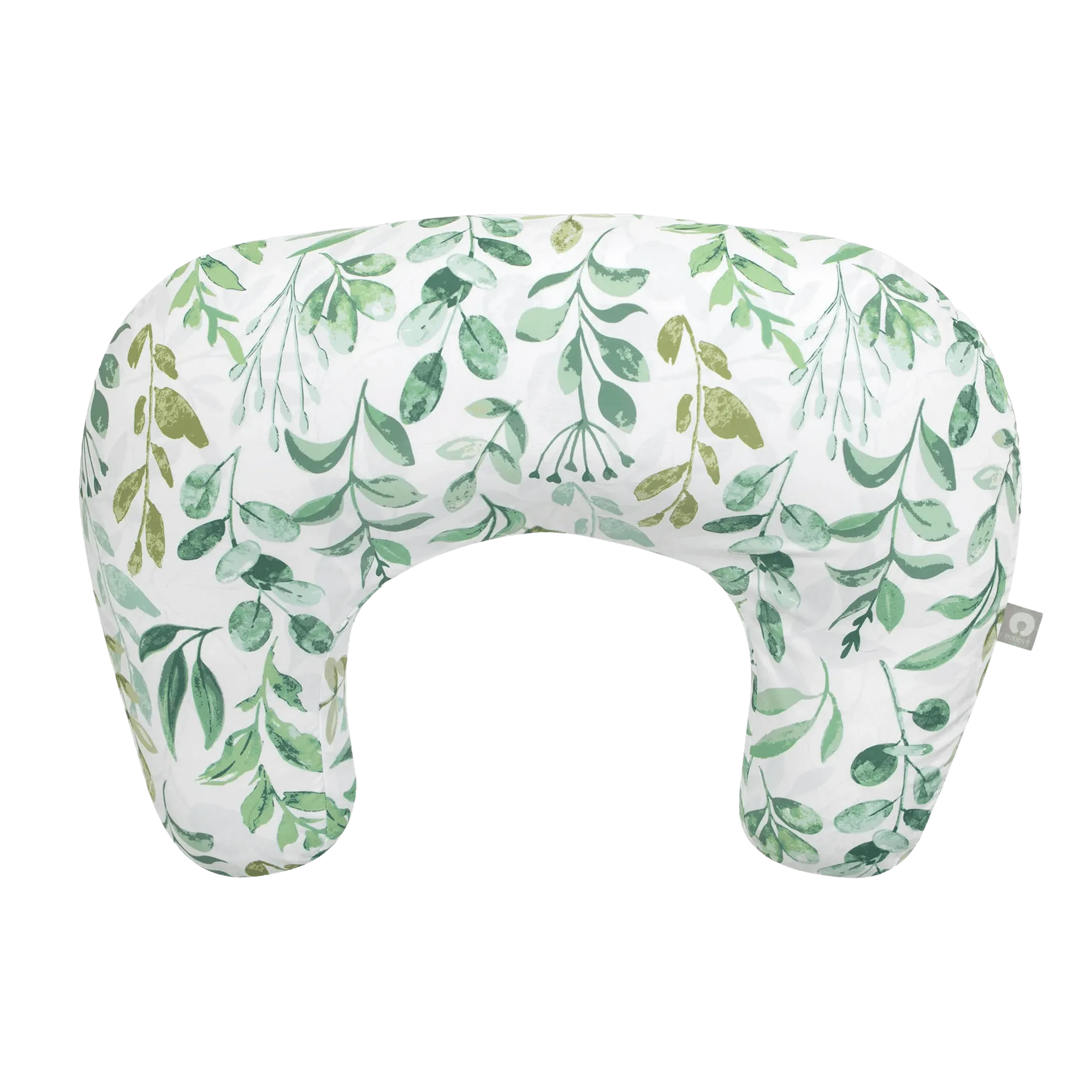
Before you buy a new pillow or play support, check whether a cover refresh solves the problem. A fresh cover is a fraction of the cost of new gear and lets you rotate fabrics for washing. One caveat: covers are cut for specific pillow shapes, so a cover made for an Original support will not fit a redesigned pillow. Verify the exact model name on your pillow before ordering, and treat color options as the only variable you're choosing.
Decision rules for buying playtime accessories
- If your baby is under 5 months: Prioritize a portable, supervised rest-or-play surface and one high-contrast object. You don't need a full play gym yet. Buy the surface first; add toys once head control is steady.
- If your baby is rolling or scooting: Choose open floor space over enclosed accessories. Remove props that block movement, and keep only one or two toys in reach. Fewer accessories, more floor.
- If you share your play space with a living room: Pick items that pack flat or fold, and store them beside the play zone rather than in another room. If it doesn't fold or stack, it probably won't get used daily.
- If you already own a nursing pillow: Check the exact model name before buying a cover. Covers are cut for specific shapes and won't stretch to fit a different pillow design. A $10 cover can replace a $40 support purchase.
Product facts that shape the decision
- Boppy Cozy Cabana: The Boppy Cozy Cabana creates a comfortable, portable rest space where your baby can relax, nap, or play while you enjoy a hands-free moment, designed for babies 0-5 months (up to 25lb). It covers the youngest stage, so it works as a first play surface but not as a long-term floor play solution once your baby is rolling and crawling.
- Boppy® Bassinet: The Boppy Bassinet is assembly free, packs flat, and includes two mattress covers for easy cleaning. Two covers means one can be in the wash while the other is in use, which matters if you're using the same surface for supervised play and rest.
- Boutique Solid Original Support Nursing Pillow Cover: The Boppy Boutique Original Support Cover is guaranteed to fit only the Original Boppy Nursing Pillow and will not fit the Redesigned Boppy Nursing Pillow. If you already own a nursing pillow and use it for supported sitting, a new cover extends its life for a few dollars instead of buying a separate support.
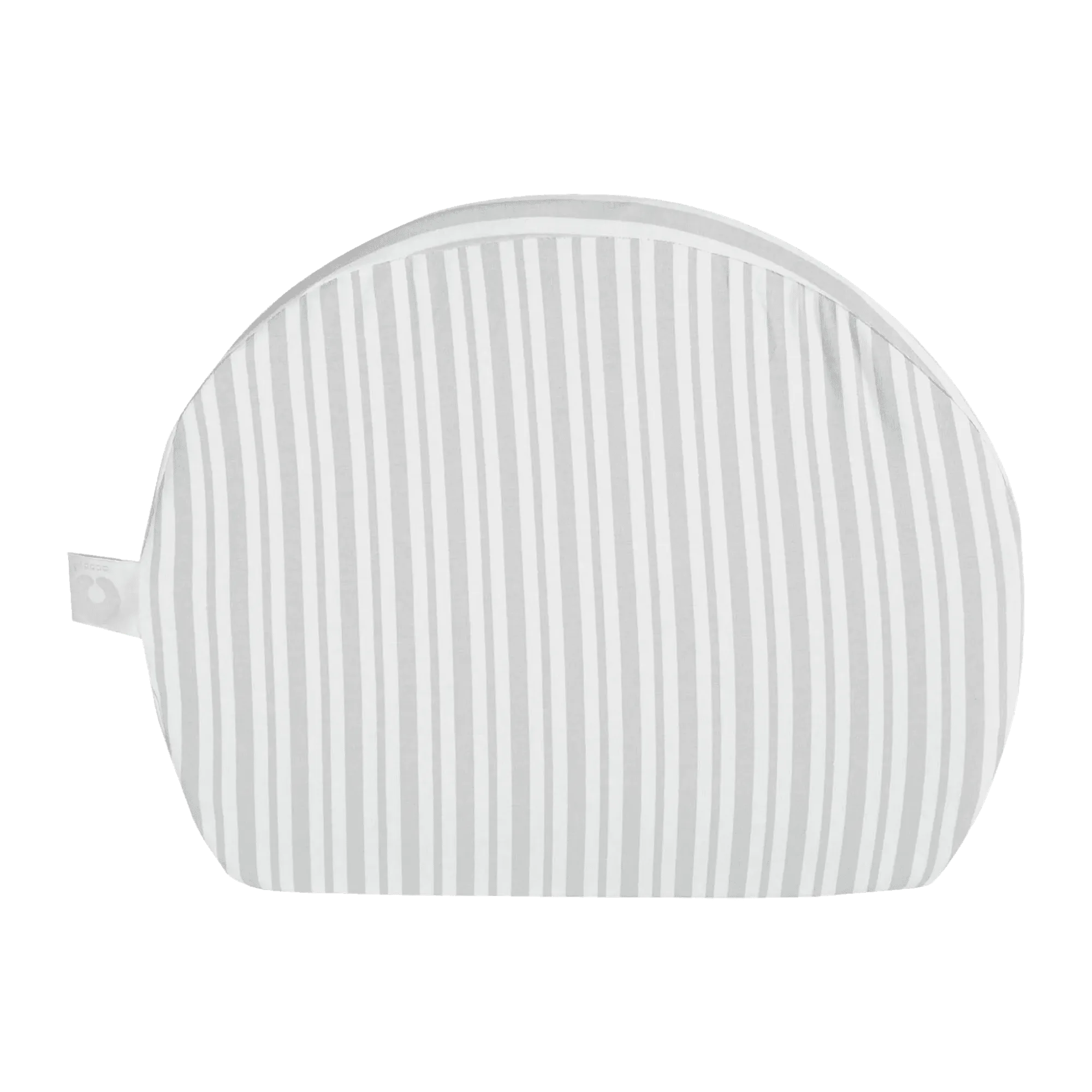
- Pregnancy Support Wedge: The Pregnancy Support Wedge is a firm pinpoint support pillow with a soft jersey cover, compact enough to use on its own or with an existing Boppy pregnancy pillow. Its small size makes it a targeted prop for propping a book or toy during floor play, but it is not a full-body support and shouldn't be expected to replace one.
Who these accessories fit
Best for
- Parents of babies 0-5 months who want a portable, supervised play and rest spot
- Caregivers with a defined floor area who want a small set of accessories that stay in rotation
- Families who already own a Boppy Original Nursing Pillow and want to refresh it for supported sitting
Not for
- Parents looking for unsupervised sleep products; these are for supervised rest and play
- Babies over 25lb or older than 5 months who need open floor space and mobility-focused toys
- Anyone with a Redesigned Boppy Nursing Pillow shopping for an Original Support Cover