Quick answer
Neither wins outright. Plush dolls for kids win on comfort, cuddling, and quiet play, while action figures for kids win on poseability, detailed storytelling, and collecting. The right pick depends on your child's age, temperament, and how they like to play — and many families end up with both.
Walk down any toy aisle and you'll see the split: soft, huggable plush dolls on one side and hard, poseable action figures on the other. Parents often ask which one is better, but the honest answer is that they do different jobs. Your child's age, play style, and sensory preferences matter far more than any brand claim.
This comparison breaks down the real trade-offs — materials, durability, safety, cleanup, and long-term play value — using concrete examples from our catalog so you can make a confident choice instead of guessing.
Materials and feel: soft vs. hard
Plush dolls are fabric-covered and stuffed, which makes them soft, lightweight, and comforting. That texture matters for kids who seek tactile input, wind down at bedtime, or want a toy that doubles as a lovey. The flip side is that fabric collects dust, drool, and crumbs, so plush needs more frequent washing and can wear faster with rough play.
Action figures are typically molded plastic or vinyl, which makes them durable, wipeable, and able to hold fine details like armor, faces, and accessories. They handle drops and outdoor play better than plush, but they're harder and colder to the touch, and small parts can be a choking risk for kids who still mouth toys.
- Choose plush when comfort, cuddling, and quiet play top your list.
- Choose plastic when durability, detail, and poseability matter most.
- Check the age rating on every figure — small parts are the main safety variable.
Play style: nurturing vs. narrative
Plush dolls tend to invite nurturing and caretaking play: feeding, tucking in, soothing, and carrying. That's why they show up in pretend-play setups with doll playsets, strollers, and cribs. This kind of play builds empathy and language skills, and it's naturally quieter, which helps in shared spaces or before bed.
Action figures lean toward narrative and action play: posing, battling, rescuing, and recreating scenes. They encourage sequencing, problem-solving, and world-building. The trade-off is that figure play often needs more pieces — vehicles, bases, weapons — which means more to store and more to lose.
- If your child narrates elaborate stories, figures give them more to work with.
- If your child carries a toy everywhere, plush is easier to bring along.
- Mixed play is common — a plush character can star in a figure-scale adventure.
Age, safety, and supervision
Age ratings are the fastest filter. Plush dolls are often suitable for younger toddlers because they have no small parts, while most action figures start at 3+ or higher due to choking hazards and sharp edges. If you have kids of different ages, that gap matters: a 2-year-old and a 6-year-old need different toys, and sharing isn't always safe.
Supervision is still the deciding factor. Even a 3+ figure can break into small pieces under aggressive play, and plush seams can split, releasing stuffing. Inspect toys regularly, and retire anything with loose parts, exposed wire, or torn fabric.
- Match the age rating to your youngest child in the room, not the oldest.
- Inspect plush seams and figure joints monthly for wear.
- Store small figure accessories out of reach of toddlers.
Cleanup, storage, and longevity
Plush dolls usually need surface washing or gentle machine washing, then air drying to avoid matting. They take up more space per toy and can attract pet hair. Action figures wipe clean with a damp cloth, stack compactly, and survive years of play, but tiny accessories vanish easily and hard plastic can crack if stepped on.
Longevity also depends on the child. A gentle, cuddly kid may keep a plush doll for years; a rough-and-tumble kid may destroy one in months and do better with plastic. Neither outcome is a failure — it's just matching the toy to the kid.
- Keep a small bin for figure accessories so pieces stay together.
- Wash plush only when needed to preserve fabric and stuffing.
- Rotate toys to reduce wear and keep both types interesting.
Trade-offs at a glance
- Softness vs. durability: Plush dolls offer comfort and tactile appeal but stain, tear, and need washing. Action figures wipe clean and survive drops but feel hard and can crack. Pick plush for comfort-first kids, plastic for rough-and-tumble kids.
- Nurturing play vs. narrative play: Plush dolls encourage caretaking, quiet play, and empathy. Action figures encourage posing, action scenes, and world-building. Match the toy to how your child already plays, not how you wish they played.
- Safety and age range: Most plush dolls suit younger toddlers; most action figures start at 3+ because of small parts. Mixed-age homes need extra caution. Use the youngest child's age as your safety filter.
- Storage and cost: Plush takes more space per toy; figures need small-part storage. Collectible lines like blind bags and 3D puzzles add ongoing cost if your child wants the whole set. Set a collecting budget before you start a series.
Catalog examples that show the trade-off
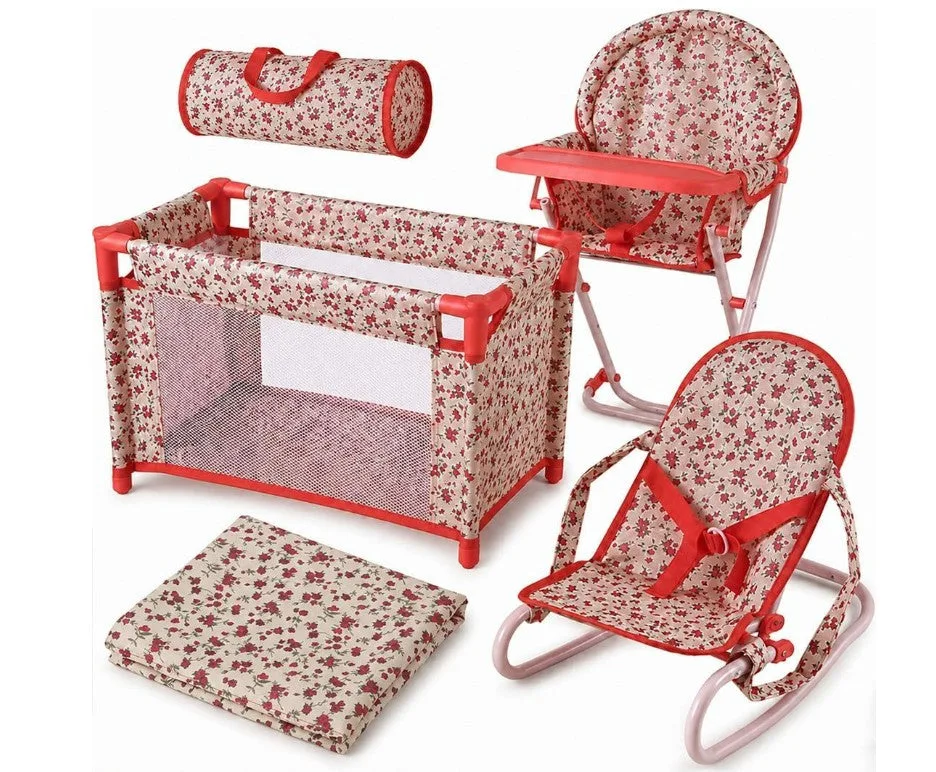
- New York Doll 3-1 Playset Floral: Multi-purpose doll playset with a pretty floral design that provides several pretend-play functions in one set and encourages imaginative storytelling and nurturing play, designed for dolls and recommended for young children. A doll playset like this supports the nurturing, open-ended play that plush dolls are known for, and its multi-function design gives kids more ways to play without needing extra pieces.
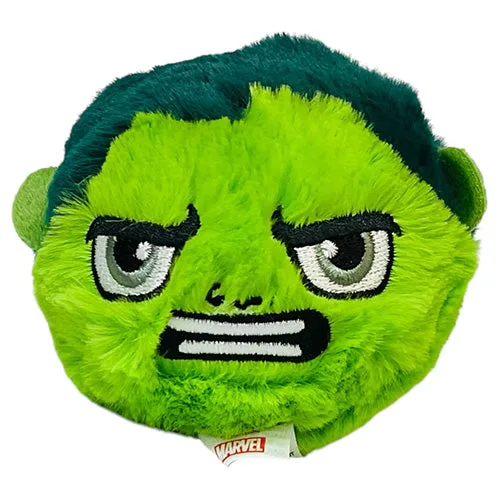
- TY Beanie Bouncers - Hulk: Plushie and bouncy ball rolled into one, bouncing up to 50 feet, officially licensed and recommended for ages 3+. This is a hybrid: it has the soft feel of plush but the active, bouncy play of a figure. It's a good bridge toy for kids who want both comfort and movement.
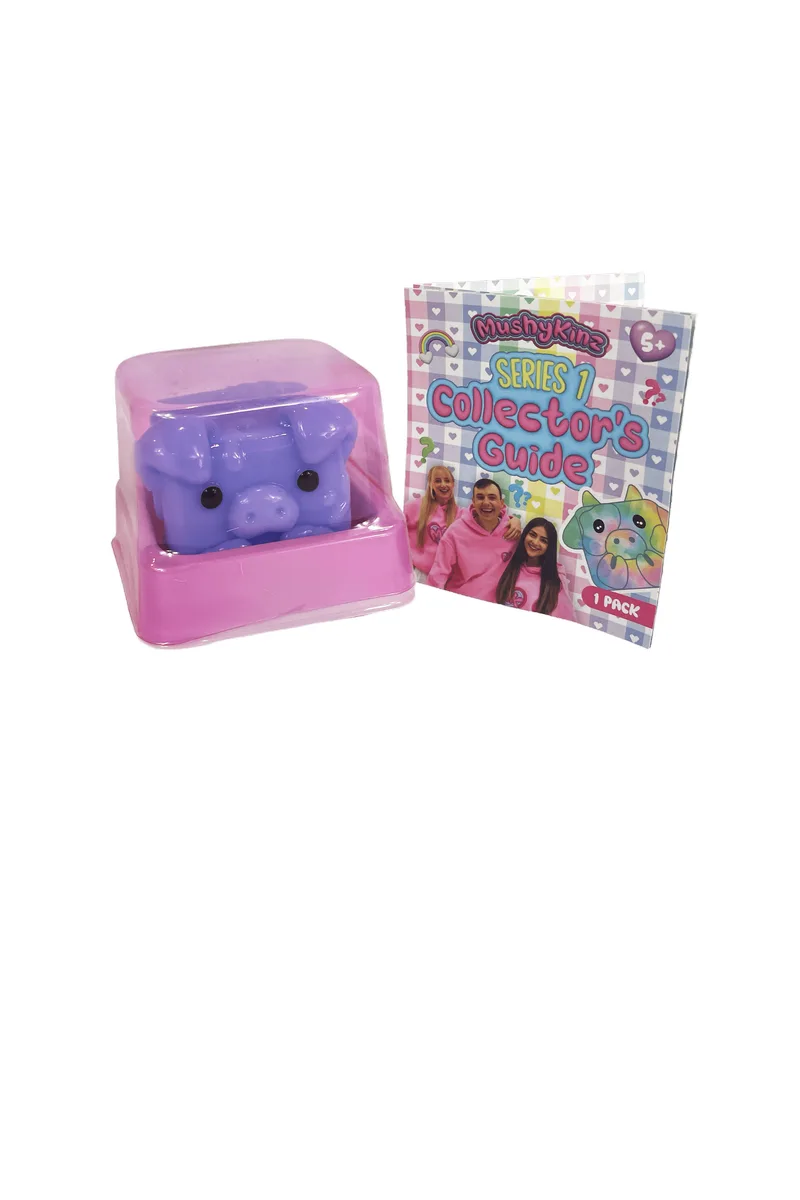
- MushyKinz Mystery 1 pack Squishy Collectible Figure: Mystery blind bag contains 1 of 10 possible squishy figures, with potential for two rare chase figures; figures measure about 2 inches and are recommended for ages 3+. Small, collectible, and squishy — this sits between plush and plastic. It's a low-cost way to test whether your child prefers collecting and trading over cuddling.
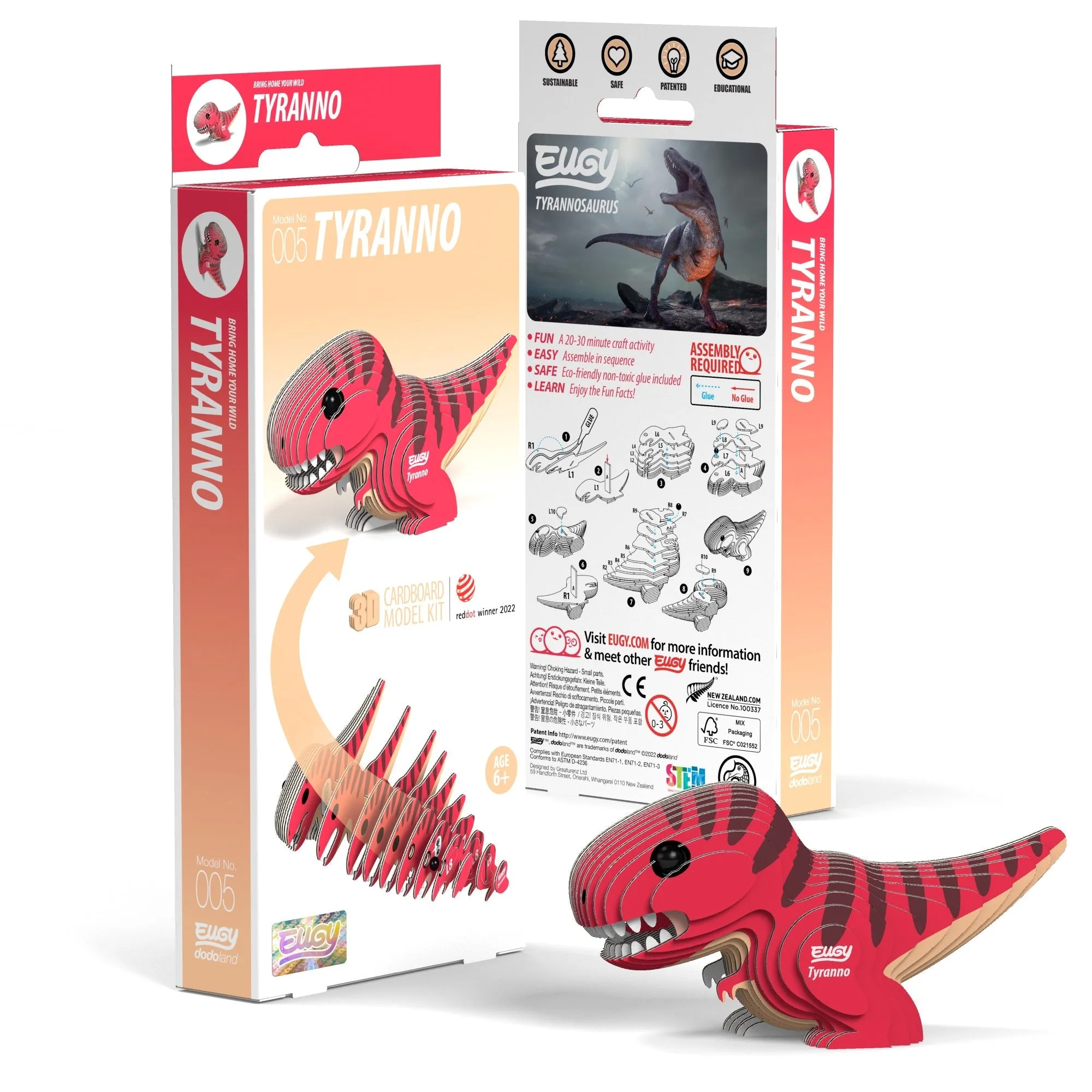
- EUGY Tyrannosaurus 3D Puzzle: Eco-friendly 3D puzzle that assembles in 10 to 20 minutes, supports STEM concepts, and is part of a collectible line with over 90 designs. If your child likes building and collecting more than posing or cuddling, a constructible figure offers a third path that combines craft time with display value.
Which should you choose?
Best for plush dolls
- Toddlers and preschoolers who still mouth toys or need a comfort object
- Kids who carry a toy everywhere and play quietly at bedtime
- Families who want a low-small-parts option for mixed-age play
Not for plush dolls
- Kids who want to pose, battle, and rebuild scenes
- Homes with heavy dust or pet hair where fabric is hard to keep clean
- Children who prefer collecting detailed, displayable figures
There's no universal winner in plush dolls vs. action figures — only the right fit for your child right now. Start with one or two toys that match their age and play style, watch how they actually use them, and adjust from there. A plush doll and a poseable figure can happily share the same toy box.