Quick Answer
Plush toy shedding is most often caused by friction, loose fibers from manufacturing, or improper washing. Stop the shedding by checking seams, reducing abrasion, and washing gently by hand with mild soap. If the fabric is breaking down or bald spots appear, repair may not be worth it—replace the toy instead.
What Shedding Looks Like and Why It Happens
Shedding can appear as loose fuzz on the surface, clumps of fiber coming off during play, or bald patches where the pile has worn away. New plush toys sometimes shed excess fiber from the manufacturing process. Older toys shed because the fabric backing has weakened or the fibers have been pulled loose by friction. Washing stuffed animals incorrectly—especially in a machine with harsh detergent—can accelerate fiber loss.
How to Stop Plush Shedding: Step-by-Step Fixes
First, inspect the toy for loose threads or open seams. If seams are intact, brush the surface with a soft-bristled brush to remove loose fibers. For mild shedding, a lint roller can lift surface fuzz without pulling at the fabric. If the toy needs cleaning, hand wash in cool water with a gentle soap, then air dry away from direct heat. Avoid wringing or twisting, which can break fibers. For toys with special features like recycled materials, check the label for specific care instructions.
When to Repair and When to Replace
If shedding is limited to surface fuzz and the fabric still feels plush, simple fixes like brushing and gentle washing can solve the problem. If you see large bald spots, exposed backing, or seams that keep opening, repair may require re-stuffing or patching—which can be time-consuming and may not restore the toy's original feel. For heavily worn toys, replacement is often the more practical choice, especially if the toy is a favorite companion.
Shedding Diagnosis: Symptom, Cause, Action, and Stop Point
- Symptom: Loose fuzz on surface: Excess fiber from manufacturing or light friction. Brush with a soft brush or use a lint roller. If fuzz returns quickly, check for seam gaps or fabric wear.
- Symptom: Fur coming out in clumps during play: Friction against rough surfaces or other toys. Limit play on abrasive surfaces and inspect seams. If clumps continue after reducing friction, the fabric backing may be failing.
- Symptom: Bald spots or exposed backing: Fabric breakdown from age, harsh washing, or heavy wear. Repair may require patching or re-stuffing. Stop repairing if the fabric tears easily—replace the toy for safety and comfort.
Product Facts
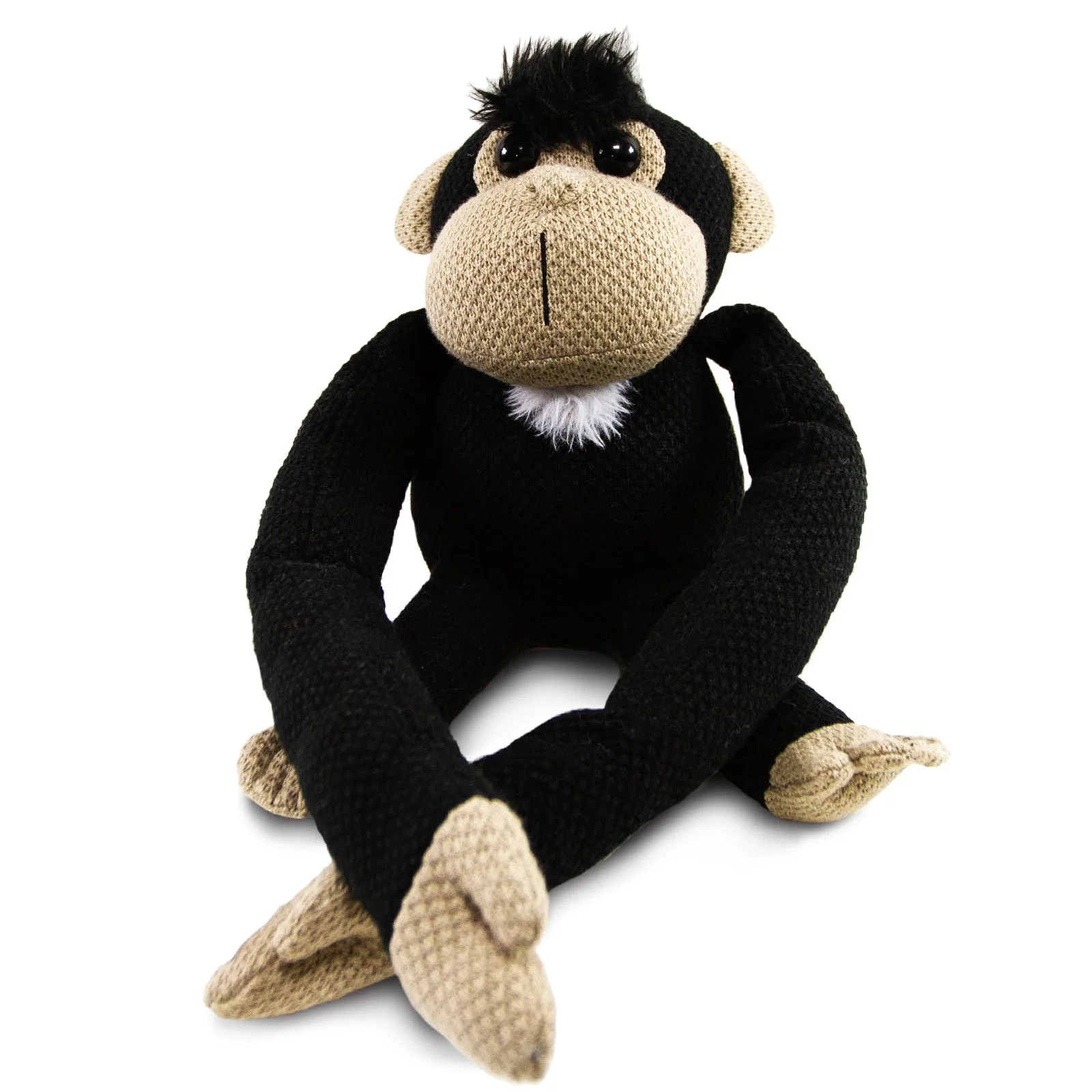
- Jane's Greybeard the Chimpanzee - Full Size Plush Toy: This full-size Greybeard plush chimpanzee is made of recycled materials. Recycled fabrics can have unique fiber structures, so follow care instructions to minimize shedding.
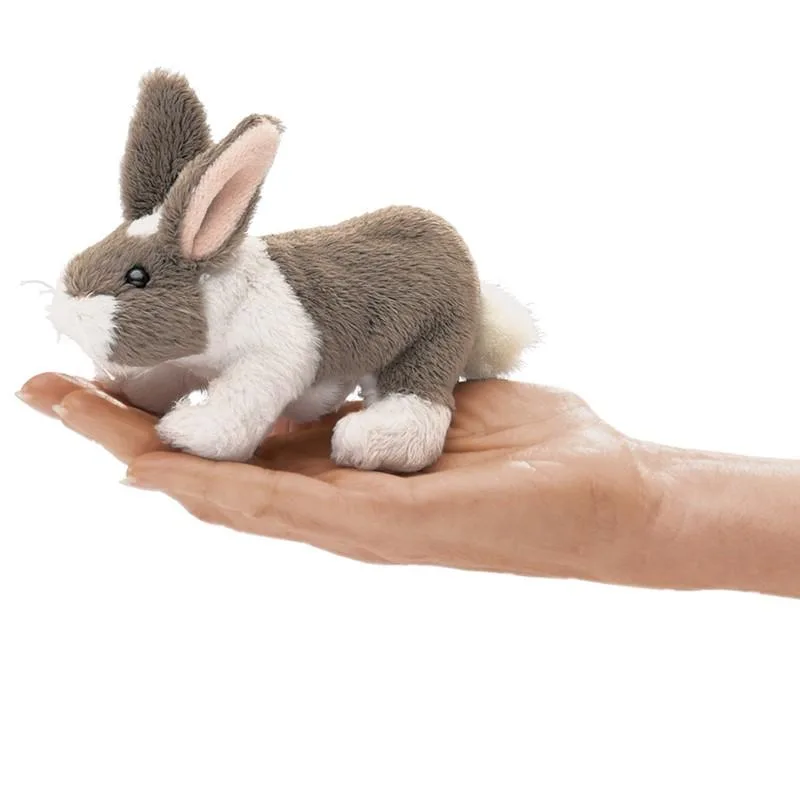
- Mini Bunny Rabbit Puppet: Folkmanis® Puppets has been making specialty puppets since 1976 and has won multiple industry and child development awards. This mini bunny rabbit puppet is designed for play and discovery, but its small size means it may need gentler handling to avoid fur loss.