Quick answer
For most kids with plush toy allergies, the trigger is dust, dust mites, pet dander, or a scratchy surface fiber, not the polyester filling inside. Choose a small, tightly stitched plush with short pile that can survive a real wash, keep it out of the bed if symptoms flare at night, and buy one or two instead of a pile. If your child has a diagnosed fiber or dye allergy, ask their allergist before buying anything, because no toy is guaranteed allergen-free.
If your child sneezes every time the stuffed animal bin opens, the problem is usually not the plush itself. It is what the plush collects: dust, dust mites, pet dander, and pollen settle into deep fur and stay there. A toy you cannot wash becomes a small reservoir that keeps releasing those particles every time it is squeezed.
That is good news, because it means you can usually solve the problem with selection and a washing routine rather than giving up stuffed animals entirely. This guide covers what plush toy materials actually matter, which features make a toy genuinely washable, and how to pick safe stuffed animals for a child with sensitive airways or skin.
What actually causes plush toy allergies
True allergy to polyester fiber is uncommon. Far more often, symptoms come from allergens riding on the toy: house dust mites, mold spores from a damp toy left in a humid room, pet dander if the family has a cat or dog, and outdoor pollen. Deep, long fur traps all of it, and a toy that only gets spot-cleaned keeps it. That is why the same child can react to one stuffed animal and be fine with another.
Surface texture matters too. Coarse or shedding fibers can irritate skin and airways mechanically, which feels like an allergy even when it is not one. If a toy leaves fuzz on a black shirt or makes your child rub their face and sneeze, that is a practical signal to look at shorter, denser pile instead of long shag.
- Watch when symptoms happen: right after cuddling points to surface fiber or dust; overnight and early morning points to dust mites in bedding.
- A toy that smells musty after storage has likely held moisture and should be replaced, not just washed.
Plush toy materials and what they mean for sensitive kids
Most mass-market plush uses polyester fabric and polyester fill, which is generally the easiest combination to wash and dry. Short-pile fabrics, velboa, and smooth knit surfaces shed less and trap less dust than long faux fur. Cotton outer fabrics feel cooler and breathe well but wrinkle and can shrink, so check the care label before committing.
Filling is harder to judge from a product page. Some listings specify materials and some do not, and when a specification is missing you should treat it as unknown rather than assume it is safe. If your child has a diagnosed fiber sensitivity, that missing detail is a real decision limitation, and the honest move is to contact the seller or choose a toy that states its materials.
- Short, dense pile over long shag for any child with airway sensitivity.
- Embroidered or stitched features are easier to wipe than glued-on plastic eyes and noses.
- Avoid heavily scented plush; fragrance is a common irritant and adds nothing to play.
Washability is the feature that matters most
A washable plush toy you clean monthly beats a fancy one you never dare to wash. Look for tight stitching, securely attached parts, and a surface that will not mat into a solid lump. Small toys are easier to wash and dry thoroughly, and thorough drying is the step people skip. A damp interior is how mold starts.
For most polyester plush, a gentle cycle in a pillowcase, mild detergent, and a low tumble dry or air dry works, but always follow the individual care label rather than a general rule. If a toy says surface wash only, it will keep accumulating dust, and that is a legitimate reason to pass on it for an allergic child.
- Wash on a schedule, not only when the toy looks dirty, during pollen season or after illness.
- Dry completely before the toy goes back in the bin; check seams and the center of the filling by feel.
- Keep a spare identical toy so one can be in the wash without a bedtime crisis.
Small plush, mini toys, and collectible formats
Smaller plush is often the better choice for allergy-prone kids for a simple reason: it dries completely, it takes less space, and you can rotate a few pieces instead of maintaining a mountain of stuffed animals. Mini formats also let a child keep the comfort object they love while you keep the total allergen surface area in the room low.
The trade-off is that small plush gets lost and, for very young children, can be a choking risk. Check the age rating on every item and follow it. A mini plush rated for ages three and up is not a toddler toy, no matter how soft it looks.
- Rotate two or three small plush instead of owning twenty.
- Store clean plush in a closed bin, not an open basket under the bed where dust settles.
Decision rules for buying plush with allergies in mind
- If symptoms happen mainly at night: Treat the bed first. Remove plush from the bed, wash bedding hot, and offer one small washable comfort toy that is cleaned weekly. Bedroom plush should be the smallest, most washable item in the house.
- If symptoms happen during cuddling: Suspect surface fiber and dust rather than filling. Switch to short-pile or smooth fabric and see whether the reaction changes before assuming a fiber allergy. Change one variable at a time so you learn what actually triggers it.
- If the care label says surface wash only: Skip it for an allergic child. A toy that cannot be fully washed will keep collecting dust no matter how careful you are. Washability outranks cuteness every time.
- If materials are not listed: Treat the material as unknown. Ask the seller directly, or choose a product that states its fabric and filling. Unknown is not the same as safe.
- If your child has a diagnosed allergy: Bring the specific product details to your allergist rather than relying on the word hypoallergenic, which is a marketing term, not a medical guarantee. Medical advice beats any buying guide, including this one.
Examples from our catalog
- 2.5" Dr. Seuss Mallows Assorted: These squishy mini-plushies from Aurora have short plush hairs and a malleable shape that is easy to stack, squish, and collect; each order includes one randomly chosen 2.5-inch character. Short pile sheds less and traps less dust than long fur, and the small size dries quickly after washing, which is the practical combination most allergy-conscious families want.
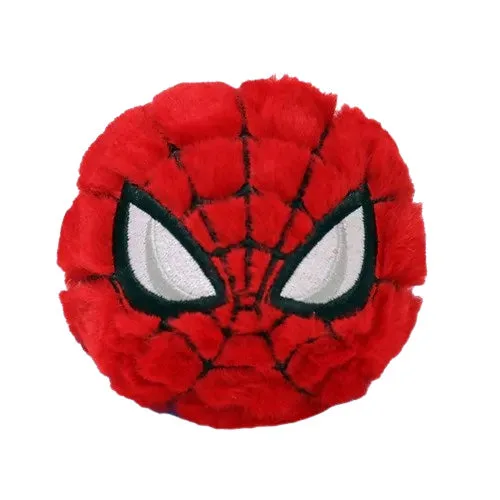
- TY Beanie Bouncers - Spider-man: A plushie and bouncy ball in one, officially licensed and rated for ages 3 and up, approximately 4 inches, and able to bounce up to 50 feet. A compact, wipe-friendly comfort toy that doubles as active play, so it spends less time sitting in a dusty toy bin; the 3+ rating means it is not appropriate for toddlers.
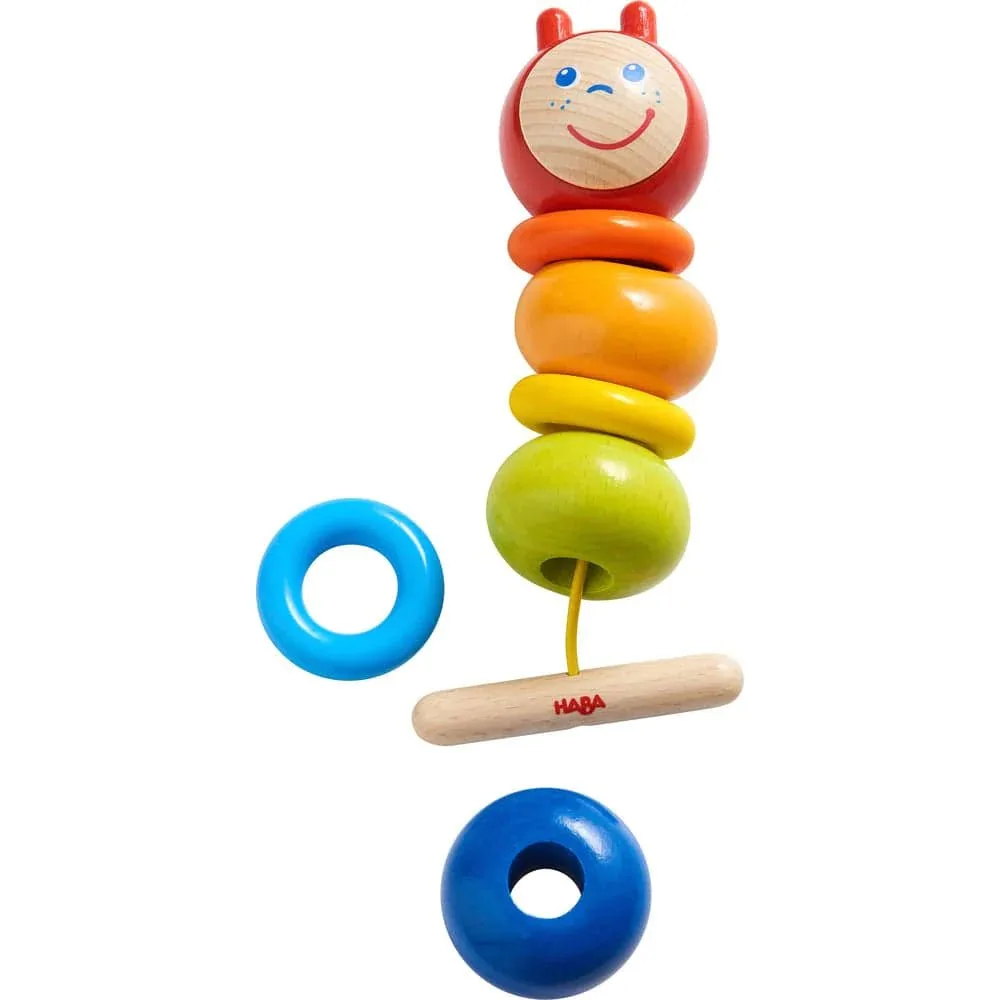
- Threading Wooden Caterpillar: A wooden threading toy with colorful blocks finished in non-toxic water-based paints, sized 5.9 x 1.8 x 8.8 inches and rated for ages 2 and up. When plush is the problem, a hard-surface alternative gives the same calming, repetitive play with nothing to trap dust, and a wipe-down is all the cleaning it needs.
Who this approach fits
Best for
- Families dealing with dust, dust mite, or pollen sensitivity who want to keep a few stuffed animals
- Parents who will actually wash plush on a monthly schedule
- Kids who need one small, portable comfort object rather than a large collection
Not for
- Children with a diagnosed fiber, dye, or fragrance allergy that has not been cleared by an allergist
- Households that want a large open display of long-fur plush, which is hard to keep dust-free
- Toddlers under the age rating on any small plush or mini toy
Plush toy allergies are usually manageable with three habits: choose short-pile, tightly made toys that state their materials, wash them on a real schedule, and keep the collection small enough to keep clean. If symptoms continue after that, the next step is a conversation with your child's allergist, not another toy.