Quick Answer
Match the toy to how your dog actually chews, not to how cute it looks on the shelf. Light and moderate chewers usually do best with plush or flexi-chew toys that satisfy shredding and fetching instincts, while power chewers need dense, durable rubber or nylon. If your dog destroys plush toys in minutes, switch to durable dog toys; if your dog carries toys around gently, plush dog toys offer more comfort and play value.
Choosing between plush and durable dog toys is less about brand loyalty and more about your dog's chewing behavior. A toy that lasts months for one dog can be shredded in an afternoon by another, and that is not a defect; it is a mismatch between toy type and chew style.
This guide gives you concrete decision rules for reading your dog's chew style, choosing the right material, and knowing when to size up or switch categories. You will also see how specific toys in our catalog fit different chewers so you can make a confident pick without guessing.
How to Read Your Dog's Chew Style
Chew style has three practical signals: how fast a toy breaks down, whether your dog shreds or gnaws, and whether they prefer carrying, fetching, or dissecting. A dog that pulls stuffing out within minutes is a shredder and usually needs durable dog toys or supervised plush play. A dog that carries a toy around, squeaks it, and naps with it is a light chewer who can safely enjoy plush dog toys.
Moderate chewers sit in the middle. They may nibble corners or work on a toy for a few days before it fails. For these dogs, flexi-chew toys and reinforced plush can be a good bridge. Watch the first 24 hours with any new toy and note where the damage starts; seams, squeakers, and extremities are the usual failure points.
- Test with one toy at a time so you can attribute damage accurately.
- Rotate toys every few days to reduce fixation and extend overall life.
- Remove and replace any toy once stuffing or squeakers become accessible.
Plush Dog Toys: Best For Comfort, Fetch, and Shredding Instincts
Plush dog toys excel at interactive play: tug, fetch, shake, and cuddle. They are soft in the mouth, often include squeakers or crinkle material, and can be ideal for puppies, seniors, and dogs that like to carry a toy around. If your dog enjoys dissecting toys, plush can also channel that instinct in a supervised, lower-risk way than chewing on furniture.
The trade-off is durability. Plush is not designed to withstand power chewing, and no plush toy is indestructible. If your dog swallows fabric or stuffing, plush should only be used during active play with you, then put away. For light and moderate chewers, plush remains one of the most engaging and affordable categories.
- Choose plush with reinforced seams if your dog targets edges.
- Supervise shredders and remove loose pieces immediately.
- Wash plush toys according to the label to keep them hygienic.
Durable Dog Toys: Best For Power Chewers and Long-Lasting Enrichment
Durable dog toys are made from rubber, nylon, or dense synthetic materials designed to resist repeated chewing. They are the right choice for dogs that destroy plush in minutes, and they often double as treat-stuffing or fetch toys. Durable does not mean indestructible, but it does mean the toy is engineered for more intense mouth pressure.
The trade-off is that durable toys can be less cuddly and may not satisfy a dog that wants to shred. Some dogs lose interest in rubber if it is not flavored or stuffable. Look for toys with flavor throughout, treat pockets, or varied textures to keep a power chewer engaged. Always size up rather than down when in doubt; a toy that is too small can become a choking hazard.
- Inspect durable toys for cracks or missing chunks before each use.
- Match chew level to the toy's labeled strength, not to your dog's size alone.
- Use treat-stuffing to extend engagement time with durable toys.
Size, Material, and Supervision: The Three Rules That Prevent Problems
Size is not just about breed; it is about mouth size and chewing style. A small dog that chews aggressively may need a tougher small toy, while a large dog that nibbles gently may do fine with a medium plush. When a toy is too small, it can be swallowed; when it is too large, your dog may lose interest or struggle to grip it.
Material matters because it dictates both feel and failure mode. Plush fails by tearing, which is visible and usually manageable with supervision. Durable rubber or nylon fails by chunking or cracking, which can be silent and dangerous if swallowed. Whichever you choose, supervise new toys until you know how your dog interacts with them, and remove any toy that shows structural damage.
- Check toys weekly for loose squeakers, tears, or missing pieces.
- Never leave a power chewer alone with a plush toy.
- Replace, don't repair, toys that have exposed internal materials.
Decision Rules for Plush vs. Durable Dog Toys
- If your dog destroys plush toys in under 10 minutes: Choose durable rubber or nylon toys labeled for power chewers, and use plush only for supervised fetch or tug. Prioritize durability over softness.
- If your dog carries toys gently and rarely chews hard: Plush dog toys offer comfort, fetching, and squeaky fun without wasting money on heavy-duty rubber they ignore. Plush is a smart, budget-friendly fit.
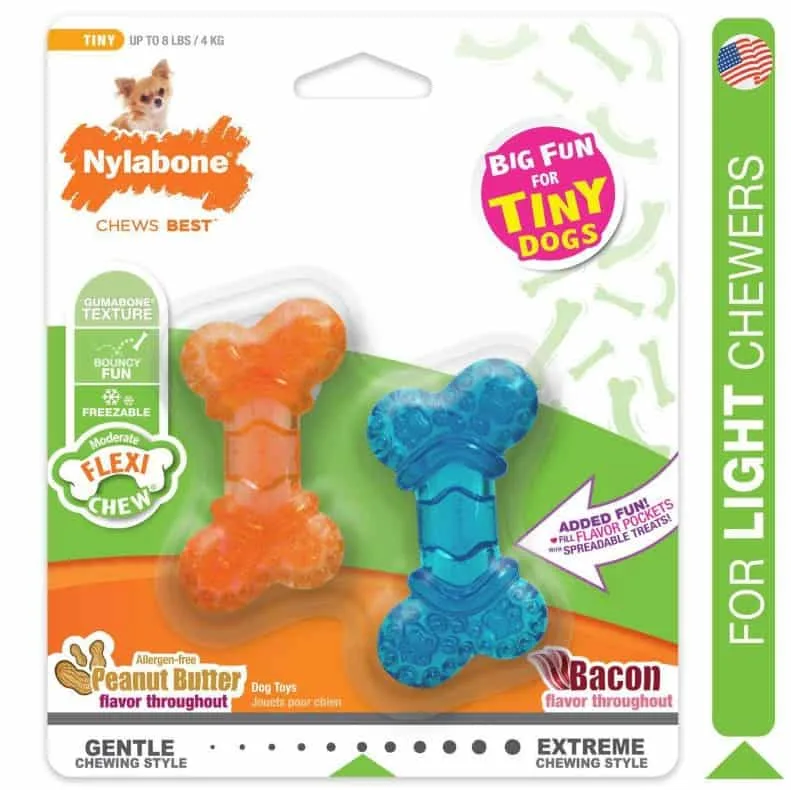
- If your dog is a moderate chewer that nibbles and flexes: Try flexi-chew toys like the Nylabone Moderate Chew FlexiChew Bone, which gives a little while resisting moderate mouth pressure. Bridge toys often last longer than plush without feeling like a brick.
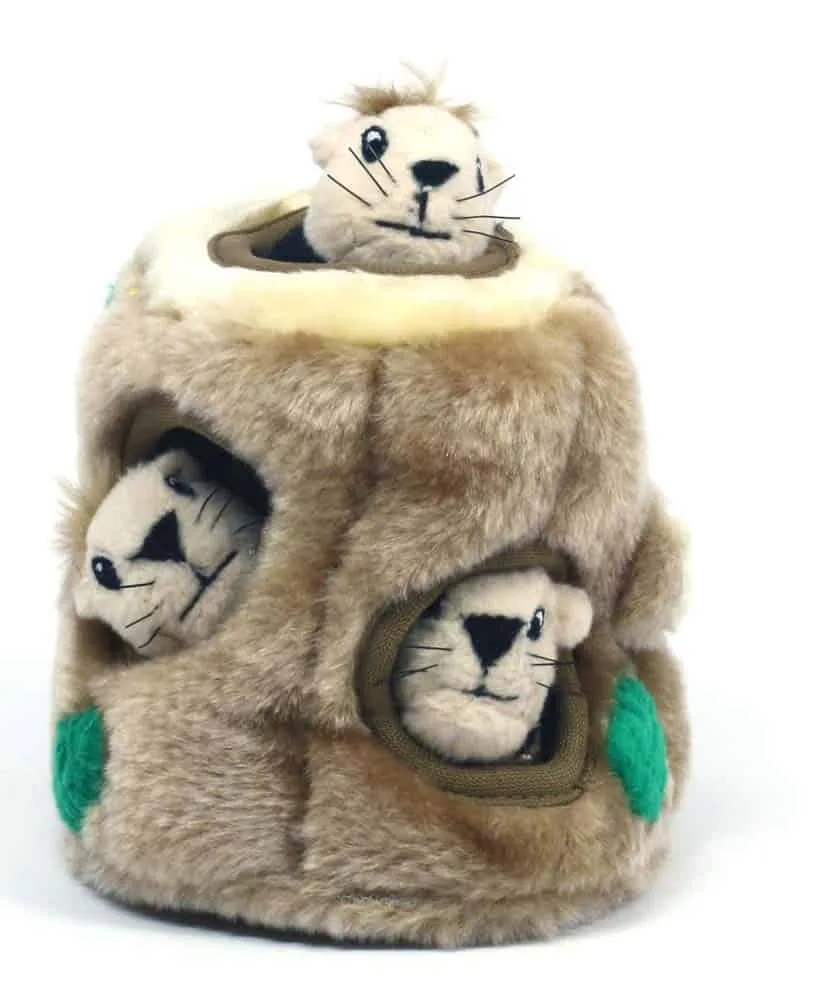
- If your dog needs mental enrichment more than toughness: Puzzle plush like the Outward Hound Hide A Squirrel engages hunting instincts and reduces boredom, even if it is not built for power chewing. Match the toy to the need: brain work vs. jaw work.
- If you are unsure, size up and supervise: A toy that is too small is a choking risk; a toy that is slightly too large is usually safe. Watch the first session and remove the toy at the first sign of structural failure. When in doubt, choose the tougher, larger option and stay present.
Catalog Examples That Match Different Chew Styles
- Nylabone Moderate Chew FlexiChew Bone Dog Toy 2 Pack: Designed for smaller, more moderate chewers who prefer flex and give, with allergen-free peanut butter and bacon flavor throughout and fillable flavor pockets. A good bridge for moderate chewers who need more durability than plush but still want a flexible feel and flavor to stay interested.
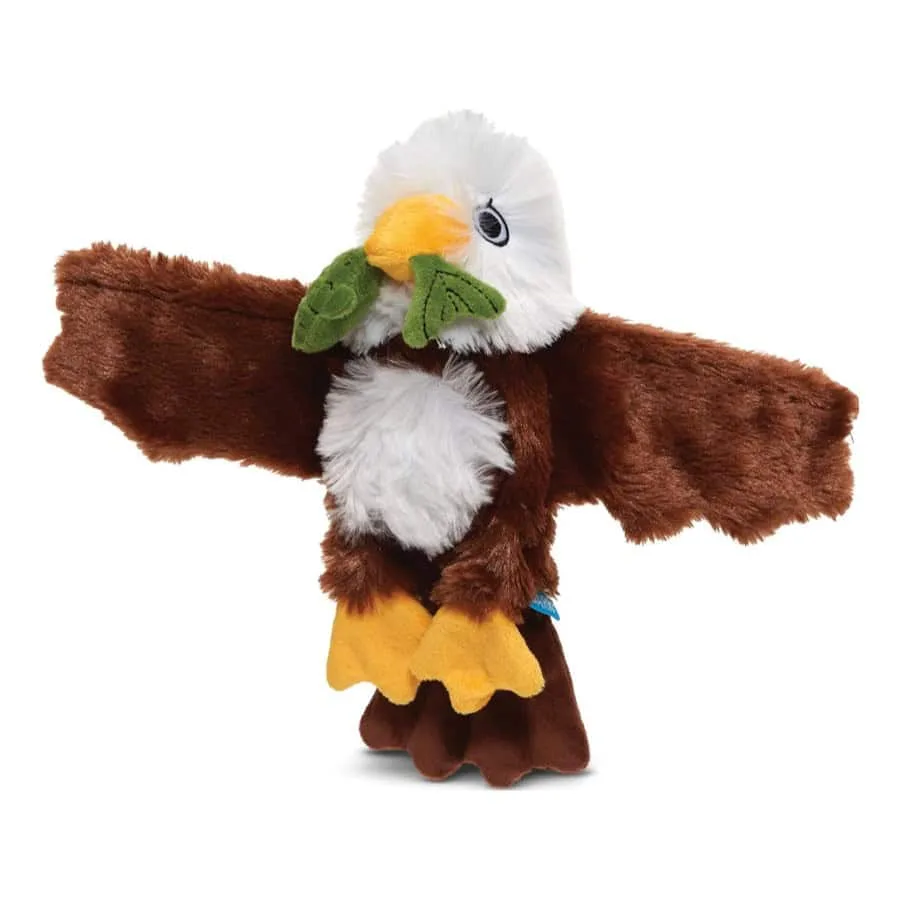
- BARK® Majestic Marty Eagle Dog Toy SM: A shaggy plush pal with long durable hair, a built-in squeaker, and Crazy Crinkle, sized small for pups that enjoy grabbing, tossing, fetching, and shredding. Ideal for light to moderate chewers who love plush play, but it should be supervised with dogs that shred aggressively.
- Outward Hound Hide A Squirrel Dog Toy Small: An interactive hide-and-seek puzzle toy that combines mental enrichment, squeaky fun, and fetch play to help reduce boredom and satisfy hunting instincts. A plush option that adds problem-solving for dogs that need mental engagement more than heavy chewing resistance.
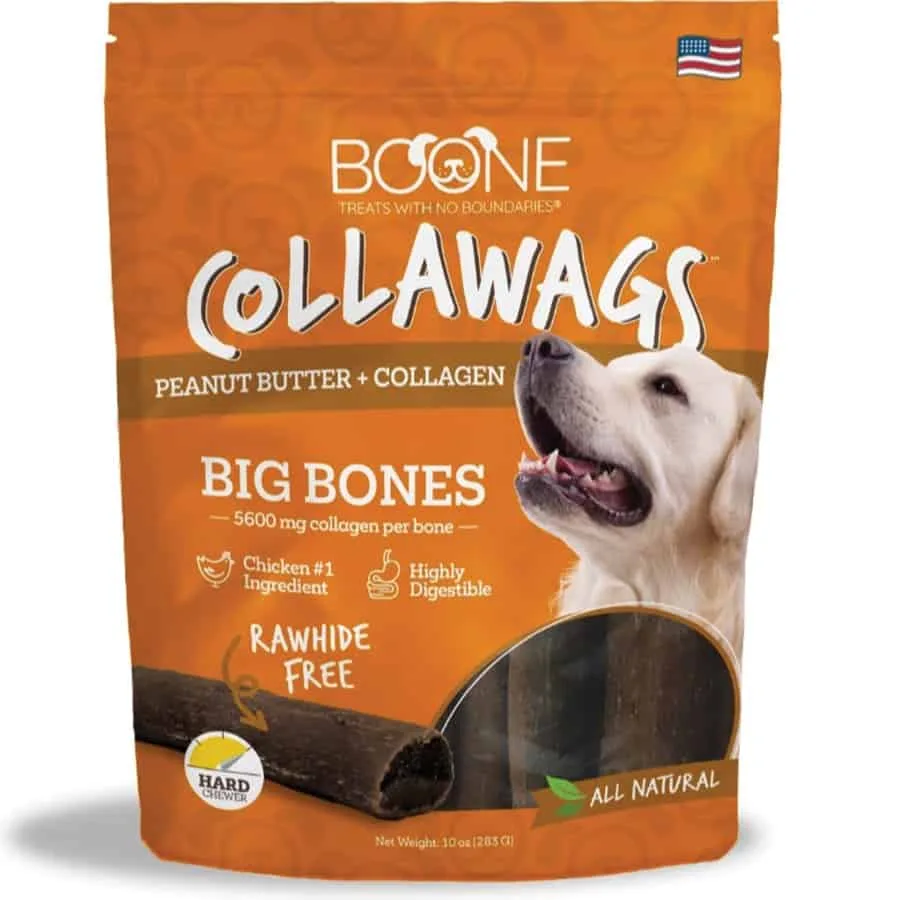
- Boone Collawags Peanut Butter + Collagen Big Bones Dog Treat 10 oz: Chicken is the first ingredient, fortified with beef collagen, free of corn, wheat, and soy, and supports immune response, bones, skin, tendons, joints, and ligaments. A chew treat that can redirect a dog's chewing urge away from toys when you need a break, though it is not a substitute for a durable toy.
Is This Toy Right for Your Dog?
Best for
- Light and moderate chewers that enjoy carrying, fetching, or gentle shredding
- Puppies, seniors, and dogs that prefer soft, cuddly toys
- Owners who want an affordable, engaging toy for supervised play
Not for
- Power chewers that destroy plush toys in minutes and swallow fabric
- Dogs that need an indestructible toy for unsupervised chewing
- Owners who cannot supervise play and need a toy that can be left alone with a heavy chewer
There is no single best dog toy for every dog, but there is a best match for your dog's chew style. Use the decision rules above, start with one or two toys from the right category, and adjust based on how your dog interacts with them. If you are local to St. Joseph, stop by UPCO Pet Supplies to see and feel the difference in person.