Quick answer
Choose PoE if you want uninterrupted power, a single-cable run, and the reliability of a wired connection—especially for multi-camera coverage. Choose wireless if running cable is impractical, you rent, or you need to reposition cameras seasonally. Most properties benefit from a hybrid: PoE for fixed coverage, wireless for gaps.
Power and reliability: the core difference
PoE cameras draw power and data over one Ethernet cable, so they never need battery swaps or a nearby outlet. That makes them dependable for 24/7 recording. Wired systems also avoid the Wi-Fi congestion that can cause dropped frames or missed alerts when many devices share a network.
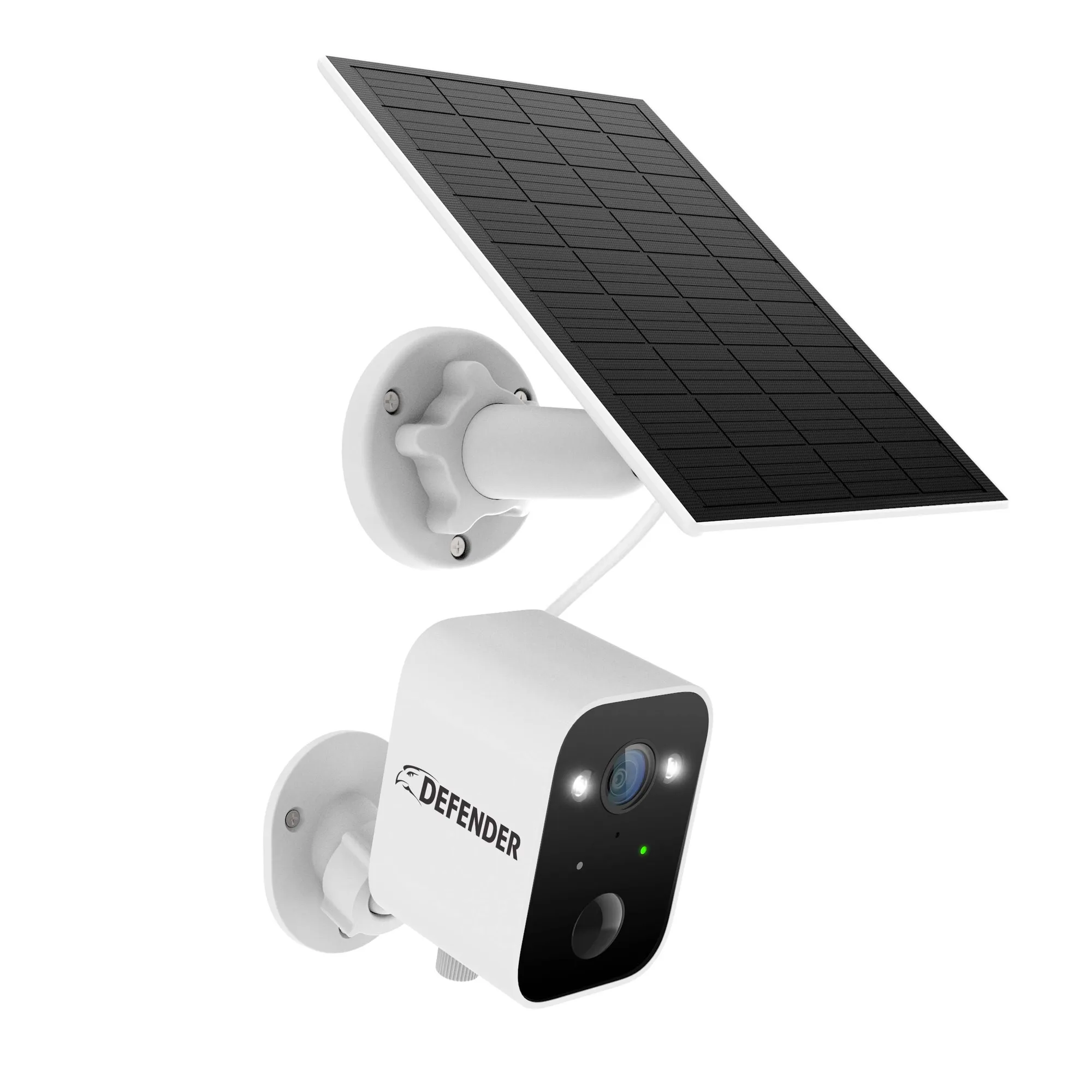
Wireless cameras run on batteries or solar, which means placement is flexible but power is finite. A solar model like the Defender AI GO 24/7 Recording 2.5K Wireless Camera with Solar Panel helps sustain charge, but extended shade or heavy activity can still affect uptime. If you need guaranteed continuous recording, PoE is the safer bet.
Installation effort and cost
PoE requires running cable from each camera to the NVR. That upfront work is the main hurdle, but it eliminates ongoing maintenance. Once installed, PoE systems are largely set-and-forget. Wireless cameras install in minutes with a drill and app, but you may need to recharge or reposition them, and signal strength depends on distance and obstructions.
If you are comfortable with a one-time cable run, PoE often costs less over several years because there are no batteries to replace. If you rent or want to avoid drilling, wireless is the practical choice.
Video quality and smart features
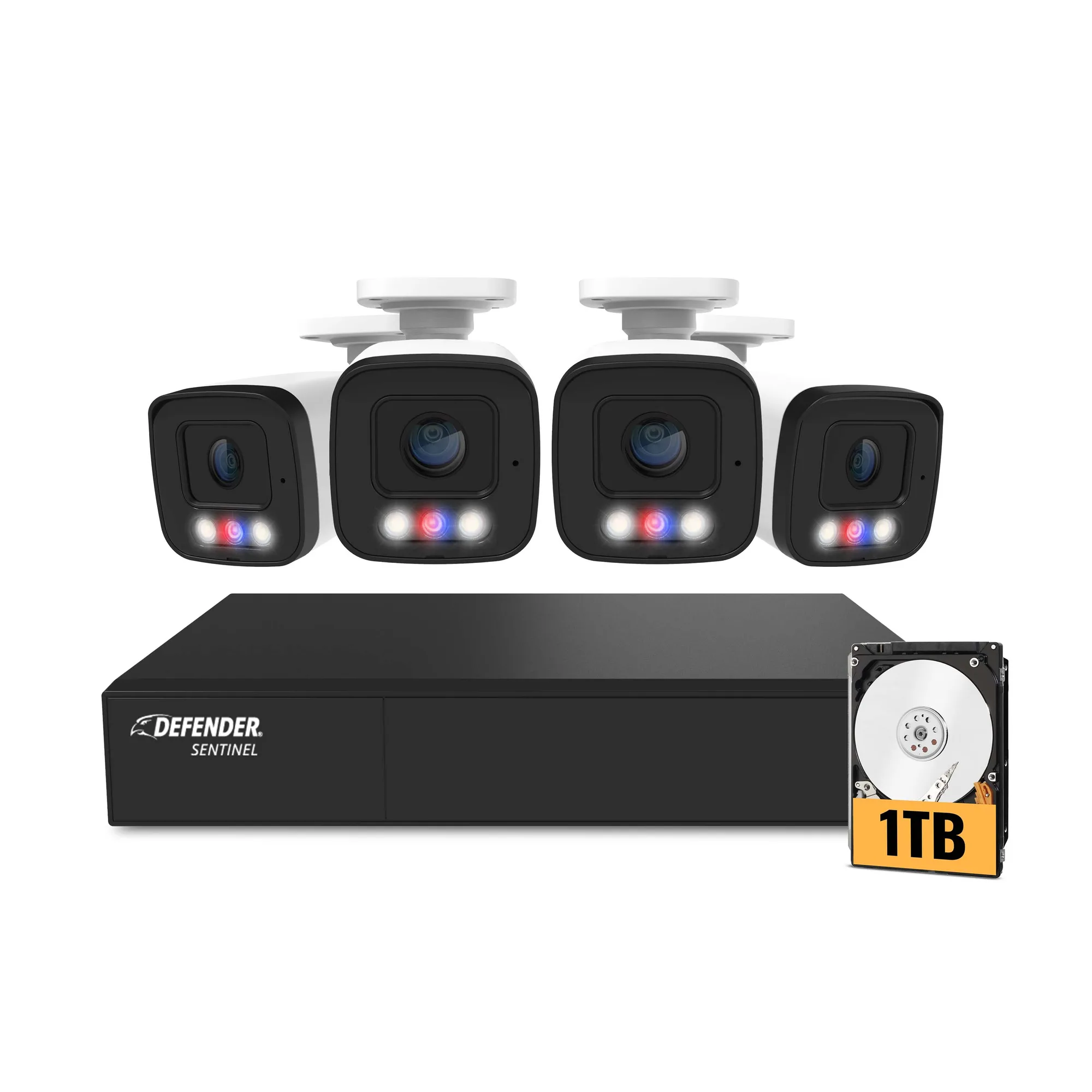
Both types can deliver high resolution. The Defender AI POWERED Sentinel 4K Ultra HD Wired 8 Channel PoE NVR Security System offers 4K Ultra HD clarity and AI-powered processing to help identify potential threats more accurately. Wired systems also support higher sustained bitrates, which matters for detail in motion.
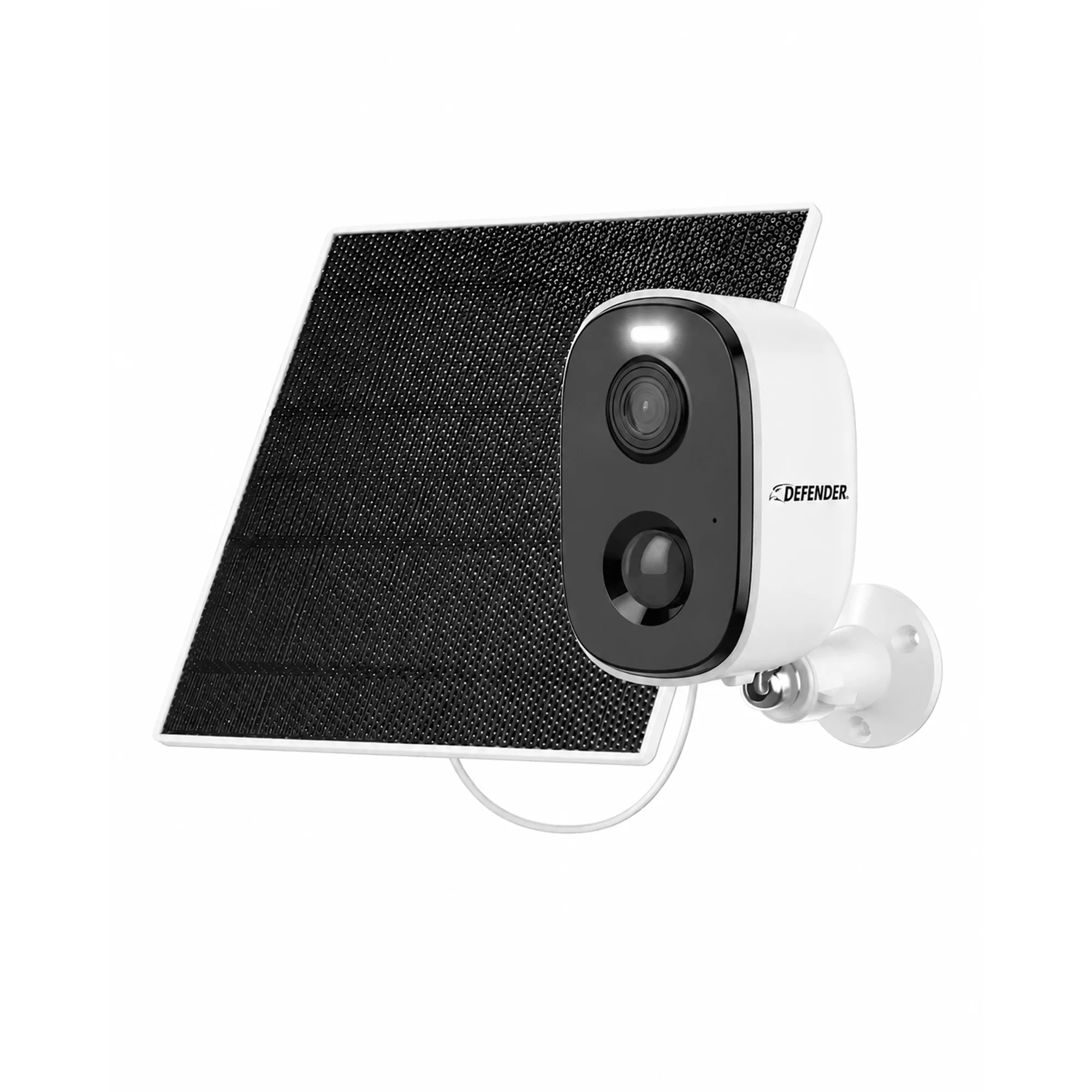
Wireless options like the Defender Solar Powered 4K AI EverWatch Wireless Security Camera deliver 4K resolution and AI smart monitoring, but they may compress video more aggressively to save bandwidth and battery. If license plates or faces at distance are critical, prioritize a wired PoE camera with a high bitrate.
Scalability and coverage
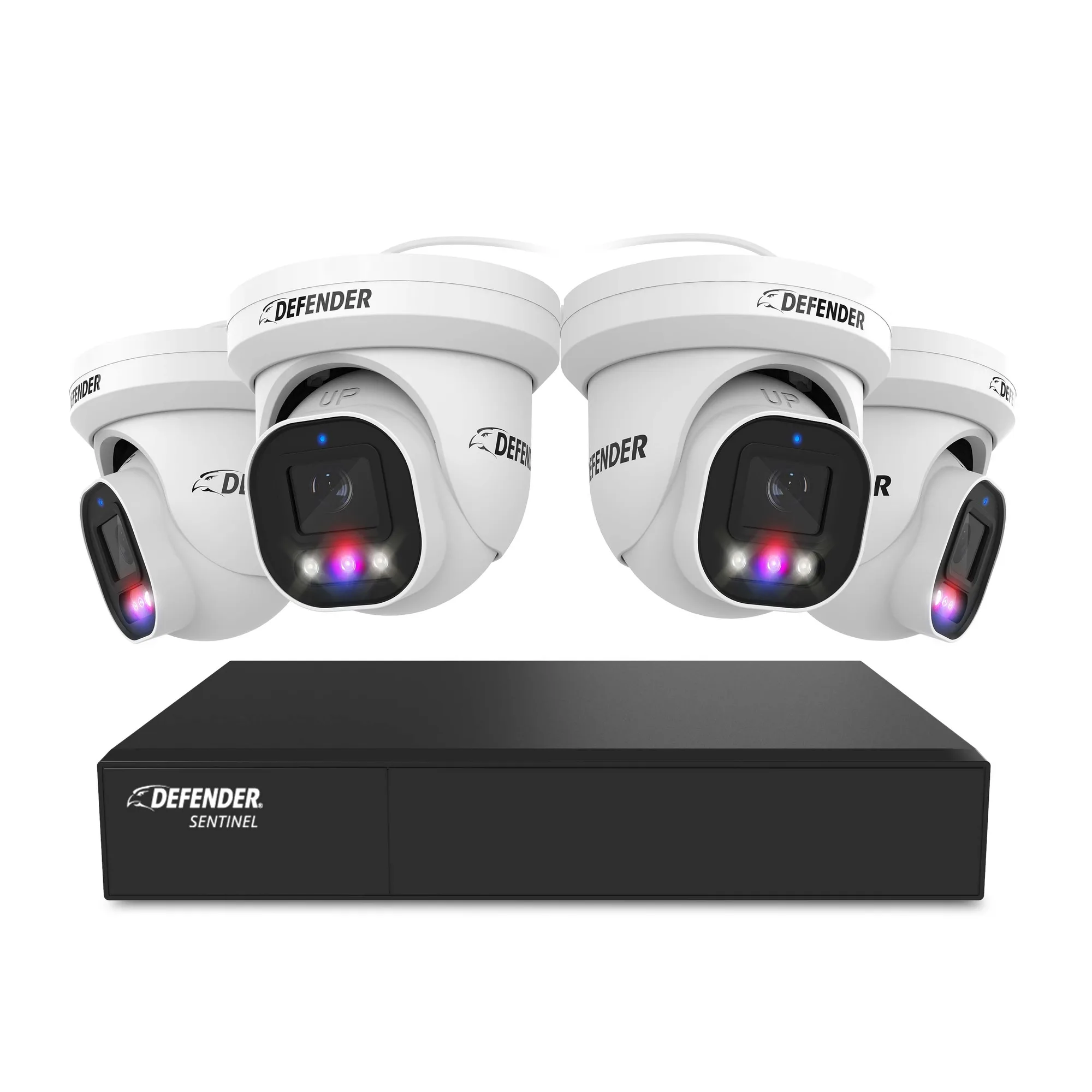
PoE systems scale cleanly: an 8-channel NVR supports up to eight cameras, and you can add more by running additional cable. The Defender AI POWERED Sentinel Turret 4K Wired 8CH NVR PoE Security System includes four metal turret cameras and a 1TB HDD, giving you a ready-to-expand base. Turret cameras are often easier to aim and less prone to IR glare than dome styles.
Wireless systems scale by adding cameras to your Wi-Fi, but too many can strain the network. For full-perimeter coverage, a wired backbone with a few wireless fill-ins usually performs best.
Trade-offs at a glance
- Power source: PoE: continuous power over Ethernet, no batteries. Wireless: battery or solar, which may need recharging or depend on sunlight. If you cannot tolerate downtime, choose PoE.
- Installation: PoE: one-time cable run to each camera. Wireless: quick mount, but signal and power placement matter. Renters or those avoiding drilling should lean wireless.
- Video reliability: PoE: dedicated bandwidth, consistent bitrate. Wireless: shares Wi-Fi, can compress more under load. For critical identification, wired wins.
Product facts
- AI POWERED Sentinel 4K Ultra HD Wired 8 Channel PoE NVR Security System, 4 Metal Cameras & 1TB HDD: AI-powered processing helps identify potential threats more accurately; 4K Ultra HD resolution captures sharp, detailed video; 8-channel PoE NVR with four metal cameras and 1TB HDD. This system suits buyers who want a complete, expandable wired setup with smart detection and high-detail footage.
- AI POWERED Sentinel Turret 4K Wired 8CH NVR PoE Security System, 4 Metal Cameras & 1TB HDD: Four metal turret cameras provide durable coverage; 8-channel NVR with PoE simplifies installation with a single cable for data and power; pre-installed 1TB HDD. Turret cameras are easier to angle and less prone to glare, making this a strong choice for driveways and yards where aiming matters.
- Defender AI GO 24/7 Recording 2.5K Wireless Camera with Solar Panel: Wireless security camera engineered for continuous 24/7 recording at 2.5K resolution; integrated solar panel helps maintain power. Ideal for spots where running cable is hard, but solar depends on sunlight—plan for shade or seasonal changes.
- Solar Powered 4K AI EverWatch Wireless Security Camera, 3W Solar Panel: Solar powered with a 3W solar panel to help reduce the need for frequent charging; 4K video resolution; AI technology supports smart monitoring; EverWatch wireless operation. A flexible 4K option for remote areas, but it still needs adequate sun and a strong Wi-Fi signal to perform reliably.
Which is right for you?
Best for PoE
- Homeowners who want 24/7 recording without battery maintenance
- Businesses needing multiple cameras with reliable, high-bitrate video
- Anyone comfortable running cable once for long-term savings
Best for wireless
- Renters or those who cannot run cable
- Remote spots where wiring is impractical
- Users who need to reposition cameras often