Quick Answer
For toddlers who love hands-on play and need to build fine motor skills, Poke-a-Dot books offer unmatched cause-and-effect engagement. Board books, however, are more durable and better for early language development and bedtime reading. Choose Poke-a-Dot for active learning sessions and board books for everyday reading and travel.
Toddlers are naturally curious, and the right book can turn reading into an interactive adventure. Two popular formats—Poke-a-Dot books and traditional board books—each offer unique benefits. Understanding their differences helps you pick the best fit for your child's age, attention span, and learning style.
Poke-a-Dot books feature buttons that make a popping sound when pressed, rewarding little fingers with immediate feedback. Board books, with their thick pages and simple illustrations, are classic tools for building vocabulary and a love of reading. Let's compare them on engagement, durability, and learning value.
How Engagement Differs
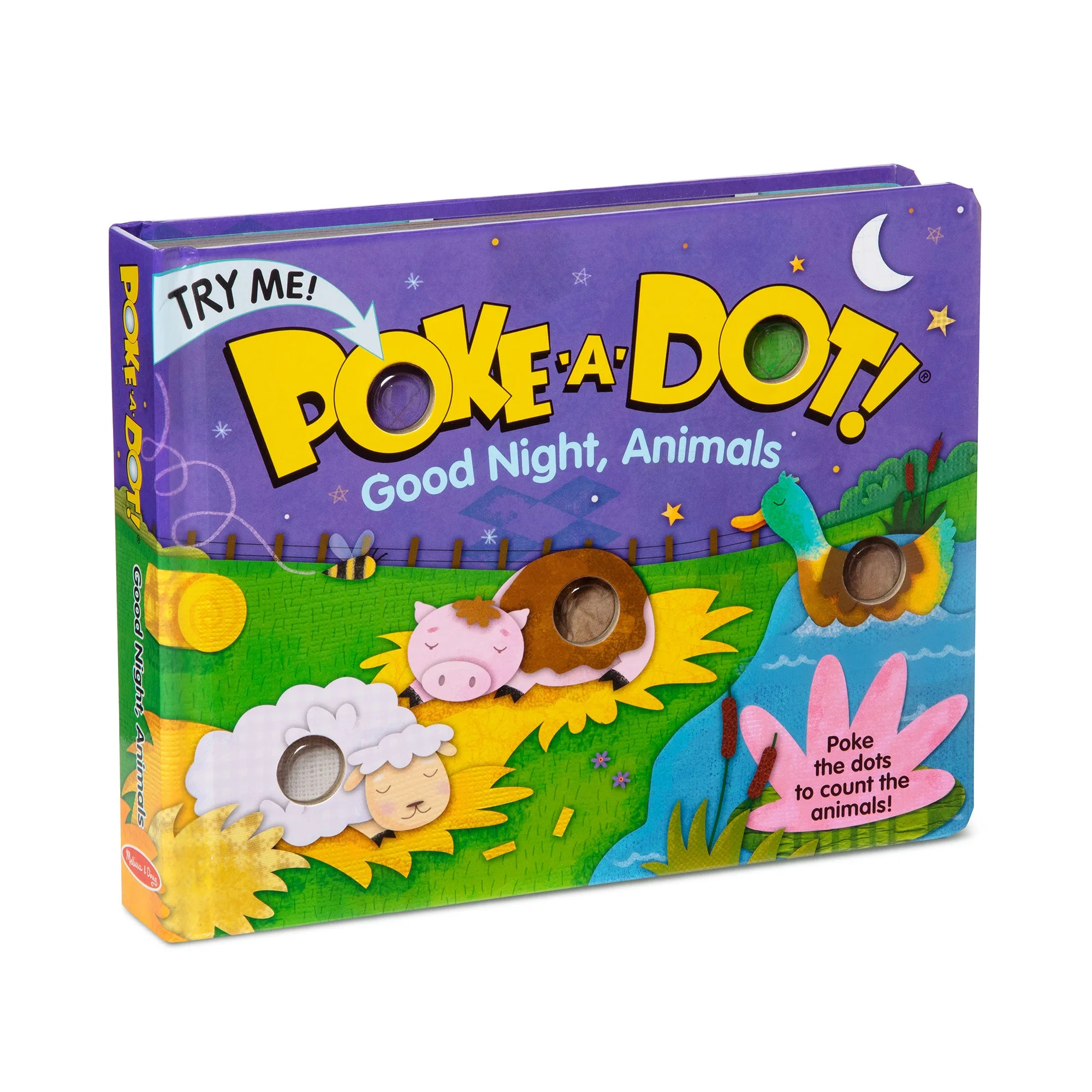
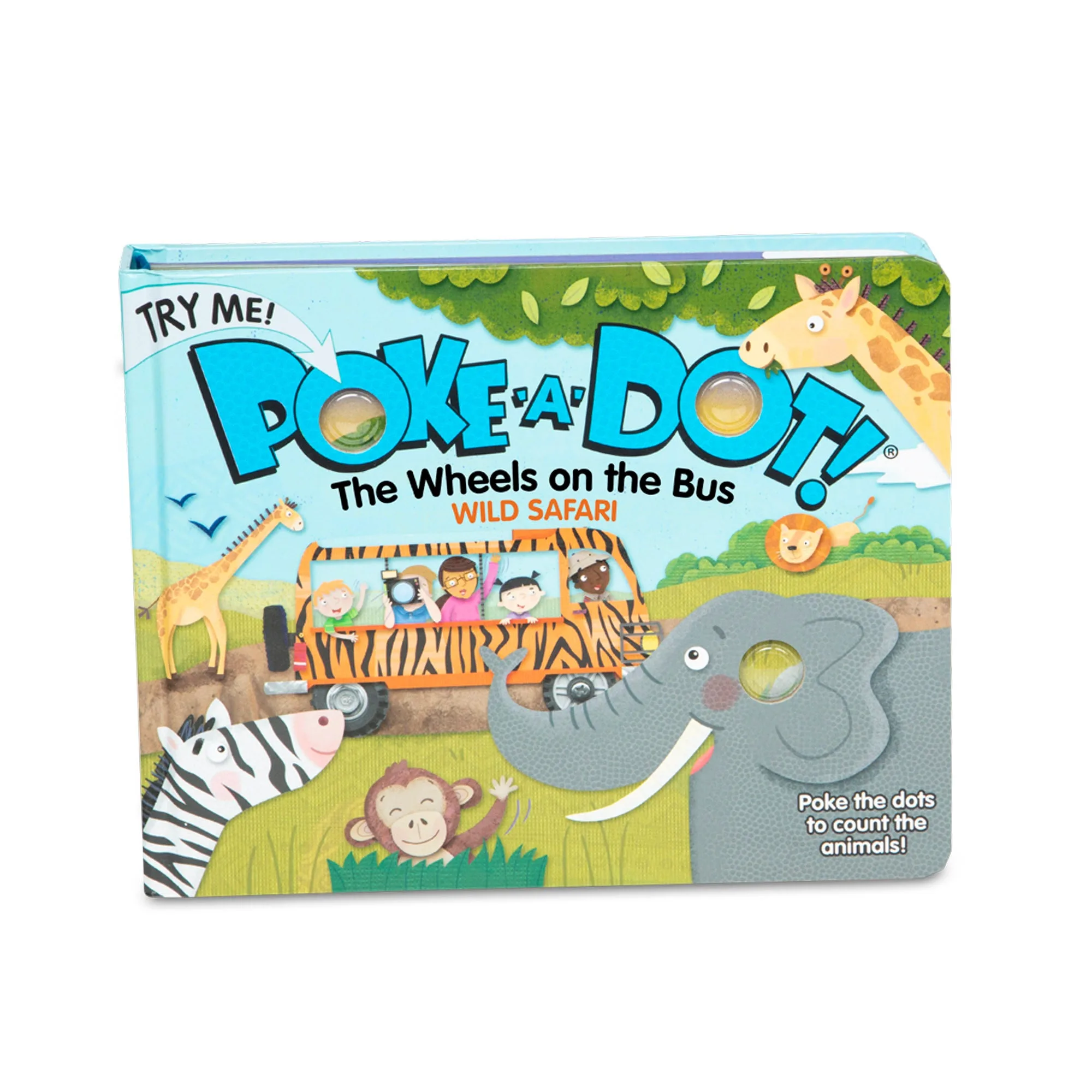
Poke-a-Dot books are designed to captivate toddlers through tactile and auditory stimulation. Each press of a button produces a satisfying pop, which reinforces cause and effect—a key cognitive milestone. This interactive element keeps toddlers focused longer, making them ideal for active play and learning sessions.
Board books, on the other hand, rely on colorful pictures and rhythmic text to hold attention. They encourage listening and language development, especially during read-aloud time. While they lack the pop-and-play interaction, their simplicity allows toddlers to focus on the story and illustrations without distraction.
- For high-energy toddlers, Poke-a-Dot books can channel their need for movement into a learning activity.
- Board books are better for calming bedtime routines and building vocabulary through repetition.
Durability and Safety
Board books are famously sturdy, with thick cardboard pages that withstand rough handling, chewing, and bending. They are a safe choice for younger toddlers who are still exploring books with their mouths. Their durability also makes them great for car rides and stroller outings.
Poke-a-Dot books are also well-constructed, but the pop buttons may be a choking hazard for children under three if they manage to pull them out. Always supervise play and inspect the book regularly for loose parts. For older toddlers, the buttons provide a satisfying fine-motor workout.
- Check age recommendations before giving Poke-a-Dot books to children under three.
- Board books are more forgiving of rough handling and can be passed down to younger siblings.
Learning Outcomes
Poke-a-Dot books excel at teaching cause and effect, counting, and color recognition through active participation. The popping sound provides immediate feedback, helping toddlers understand that their actions produce results. This makes them excellent for developing fine motor skills and hand-eye coordination.
Board books are superior for language acquisition, introducing new words, sentence structures, and storytelling. They also foster a love of reading by creating a cozy, shared experience. For parents who want to build pre-literacy skills, board books are a reliable choice.
- Use Poke-a-Dot books to reinforce counting and colors during playtime.
- Board books are perfect for expanding vocabulary and encouraging conversation about the story.
Trade-Offs to Consider
- Interactivity vs. Simplicity: Poke-a-Dot books offer pop-button engagement that holds attention but can be overstimulating before naps. Board books are calm and focus on story and pictures. Choose Poke-a-Dot for active playtime, board books for quiet reading.
- Durability vs. Sensory Features: Board books are nearly indestructible, while Poke-a-Dot buttons may be a choking hazard for very young toddlers. Board books are safer for under-threes. For babies and young toddlers, board books win on safety.
- Skill Development: Poke-a-Dot books strengthen fine motor skills and teach cause and effect. Board books build vocabulary and pre-literacy skills. Rotate both to cover all developmental areas.
Related Products That Enhance Toddler Engagement
- Paw Patrol Chase Water WOW: This reusable paint-with-water book features 4 spiral-bound pages and a refillable, no-leak water pen that reveals vibrant colors with every stroke—then dries to 'erase' for endless repeat play. This Chase-themed pad includes four thrilling scenes to color and search-and-find activities. Like Poke-a-Dot books, this activity pad offers mess-free, repeatable engagement that builds fine motor skills and attention span. It's a great alternative for toddlers who love coloring but need a no-mess solution.
- Scissor Skills Activity Pad: This creative and practical activity pad gives an engaging, creative direction to scissor work, meaning more concentration and less mess. Organized from simple to more complex, 20 different paper cutting projects (with complete supplies included right in the pages of the book) practice slightly different skills. For toddlers ready to progress beyond books, this pad develops hand strength and coordination—skills that complement the fine-motor practice from Poke-a-Dot buttons. It's a natural next step in hands-on learning.
Which Should You Choose?
Best for
- Toddlers who love hands-on play and need to build fine motor skills.
- Parents looking for mess-free, repeatable activities that teach counting and colors.
Not for
- Children under three due to potential choking hazard from pop buttons.
- Bedtime reading or calming routines where a simple story is preferred.
Both Poke-a-Dot books and board books have a place in a toddler's library. For active learning and fine motor development, Poke-a-Dot books shine. For language building and durability, board books are unbeatable. Choose based on your child's age, temperament, and the moment—and don't hesitate to enjoy both.