Quick answer
Choose a Poke-a-Dot book if your toddler enjoys cause-and-effect popping sounds and early counting practice. Choose a touch-and-feel book if your child prefers exploring different textures and building vocabulary through tactile discovery.
How each book type engages toddlers differently
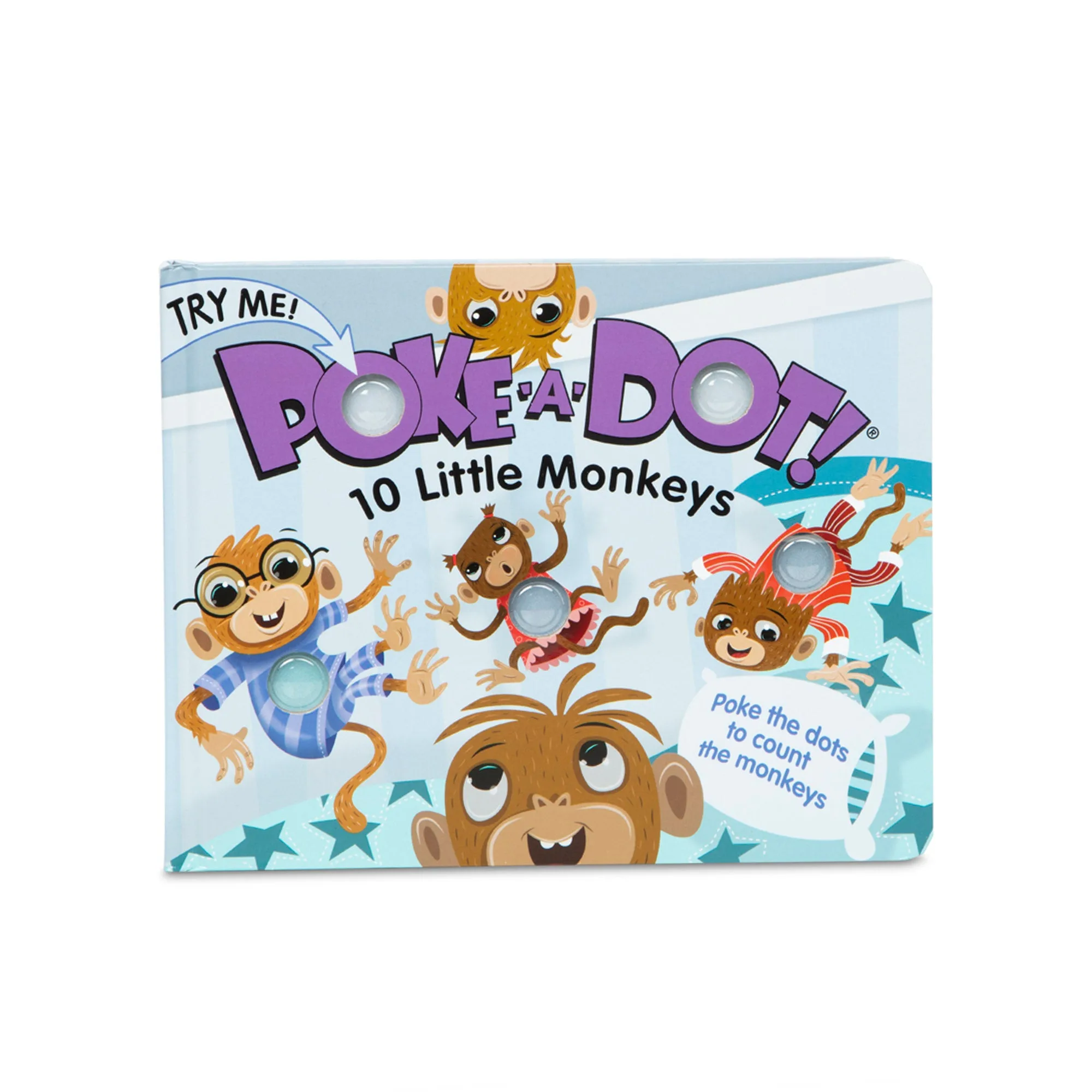
Poke-a-Dot books use patented plastic buttons that make a satisfying click or pop when pressed. Each button corresponds to a number or object, reinforcing counting and one-to-one correspondence. The repetitive popping action also strengthens fine motor control.
Touch-and-feel books rely on varied fabric, foil, or fuzzy patches that invite children to rub, pat, and explore. They build descriptive language as parents name textures like “rough,” “soft,” or “bumpy.” Unlike Poke-a-Dot, they do not naturally teach counting or sequence.
Durability and interaction style trade-off
Both board book formats are sturdy, but Poke-a-Dot buttons are built into the page and withstand repeated poking without tearing. Touch-and-feel elements, especially fabric tabs, can wear out or peel off over time with heavy use.
Poke-a-Dot encourages independent, self-paced play because each pop gives immediate feedback. Touch-and-feel books often work best with a caregiver present to name textures and ask questions, making them more of a shared reading experience.
Poke-a-Dot vs. touch-and-feel: trade-offs at a glance
- Skill focus: Poke-a-Dot targets counting, number recognition, and fine motor precision. Touch-and-feel targets sensory discrimination and descriptive language.
- Interaction style: Poke-a-Dot works well for solo play because each pop is self-rewarding. Touch-and-feel benefits from caregiver involvement to label textures. If you want a book your toddler can enjoy independently, Poke-a-Dot is the stronger choice.
- Longevity: Poke-a-Dot buttons stay intact after repeated use. Touch-and-feel textures may fray or lose appeal once the novelty wears off. For a book that lasts through multiple toddlers, Poke-a-Dot is more durable.
Product facts
-
Poke-a-Dot: 10 Little Monkeys Board Book: Poke-a-Dot: 10 Little Monkeys Board Book has 20 pages with patented click-to-count buttons that produce satisfying clicks and pops as children count monkeys. The audible feedback helps toddlers connect counting with action, making early math concepts more concrete and engaging.
Poke-a-Dot: 10 Little Monkeys Board Book
Which book fits your toddler?
Best for
- Toddlers who love cause-and-effect actions and are starting to count
- Parents who want a durable book that encourages independent play
Not ideal for
- Toddlers who primarily enjoy rubbing different textures and need sensory variety
- Families who prefer a book that naturally prompts caregiver-child conversation about textures