Quick answer
A PSA 10 is worth the premium when the card is a centerpiece you plan to keep or resell to grade-focused buyers. A PSA 9 is the smarter buy when you want the same artwork and near-mint condition for display or play, and the 10 premium does not fit your budget. Neither grade guarantees perfection, so buy the card you can enjoy, not just the number on the label.
What actually separates a PSA 10 from a PSA 9?
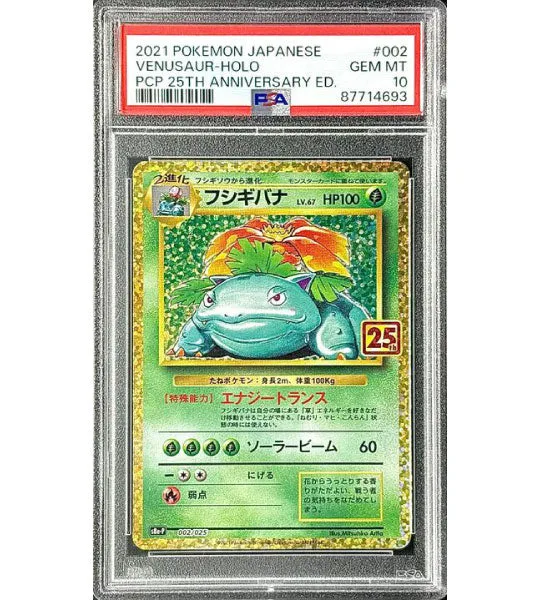
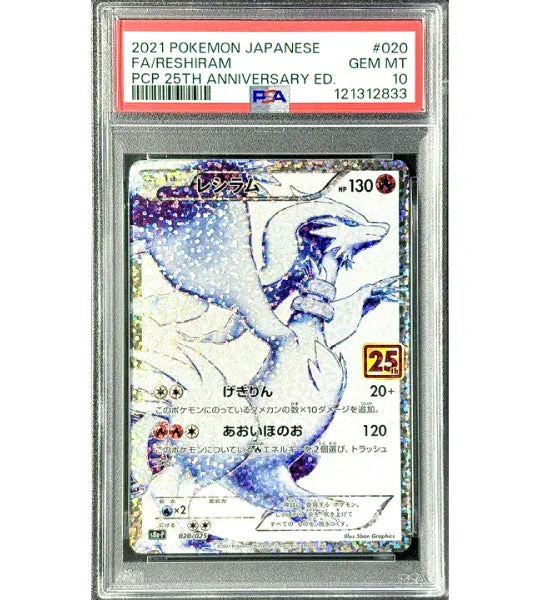
PSA 10 means the card is virtually flawless under magnification: sharp corners, clean edges, centered image, and no visible surface flaws. PSA 9 allows one very minor flaw, such as a tiny edge nick or slightly off-center print, that you would not notice at arm's length. On a Japanese Pokemon card, print quality is usually high, so the jump from 9 to 10 is often about centering and surface rather than obvious damage.
Why does the price gap between PSA 10 and PSA 9 get so wide?
The gap comes from supply and buyer psychology. PSA 10s are numerically rarer, and many collectors treat the 10 as the only 'finished' grade, so demand concentrates there. PSA 9 copies of the same card can sell for a fraction of the 10 price even though the visual difference is minor. That makes the PSA 9 a value pick if you are not chasing the top pop.
When is a PSA 10 worth paying for?
Pay for the 10 when the card is a long-term hold, a set centerpiece, or a gift for someone who specifically wants a 10. If you plan to resell into the graded market, a 10 is easier to move at a strong price because buyers search by grade. For a card like a Snorlax VMAX in PSA 10, the premium buys you the top-end label and the confidence of a high grade, not a different artwork.
When is a PSA 9 the better buy?
Choose the 9 when you want the card in hand, in a slab, for display or play, and you would rather spend the difference on more cards. A PSA 9 still protects the card and proves authenticity, which matters for Japanese singles. If the 10 premium is several times the 9 price, the 9 usually gives you most of the visual satisfaction for far less.
Should you buy raw instead of either grade?
Raw Japanese singles can be the best value if you enjoy handling cards and do not need a grade. The trade-off is condition risk: raw cards may have minor scratches or edge whitening, and you cannot guarantee a future grade. If you want a specific card cheaply, raw is fine; if you want certainty and resale liquidity, a graded copy is safer.
Does a PSA 10 guarantee a perfect card?
No. Even PSA-graded items are not guaranteed to be 100% perfect. Minor imperfections such as small edge whitening, print lines, or foil seams from manufacturing can still be present. Treat the grade as a strong condition signal, not a promise of flawlessness, and review photos when they are available.
PSA 10 vs PSA 9 quick FAQ
Is PSA 10 worth it over PSA 9?
Only if you want the top grade for a centerpiece, a long hold, or resale to grade-focused buyers. If the 10 costs several times the 9, the 9 usually gives most of the visual appeal.
Do PSA 9 Pokemon cards hold value?
Yes, but they trade below PSA 10 copies of the same card because demand concentrates on the 10. A PSA 9 is a value buy when you care about the card more than the label.
Can a PSA 10 still have flaws?
Yes. PSA-graded cards can still show minor edge whitening, print lines, or foil seams from manufacturing. Buy the card you can see, not just the number.
Should I grade a raw Japanese card myself?
Grading makes sense if the card is valuable, well-centered, and you are willing to wait for the result. For cheap singles, the grading fee can outweigh the value added.
Graded and raw options in the current catalog
- 【Pokemon Card】SNORLAX VMAX【RRR】(046/060) (S1H) Japanese PSA10: SNORLAX VMAX, RRR, card number 046/060, Shield set, Japanese, PSA 10. A concrete example of the top-grade premium: you are paying for the PSA 10 label on a popular Japanese card.
- 【Pokemon Card】PRIMARINA【AR】(085/081) (M5) Japanese Single Card: PRIMARINA, AR, card number 085/081, Abyss Eye set, Japanese single card. Shows the raw alternative: if you want the artwork without a grade premium, a raw Japanese single is the budget route.
- 【Pokemon Card】Mega Symphonia (M1S) Japanese Booster Box - Without Shrink: Mega Symphonia (M1S) Japanese booster box, 30 packs, 5 cards per pack, release date 8/1/2025. Buying sealed product lets you chase your own grades instead of paying the PSA 10 markup, though pulls are not guaranteed.