Quick answer
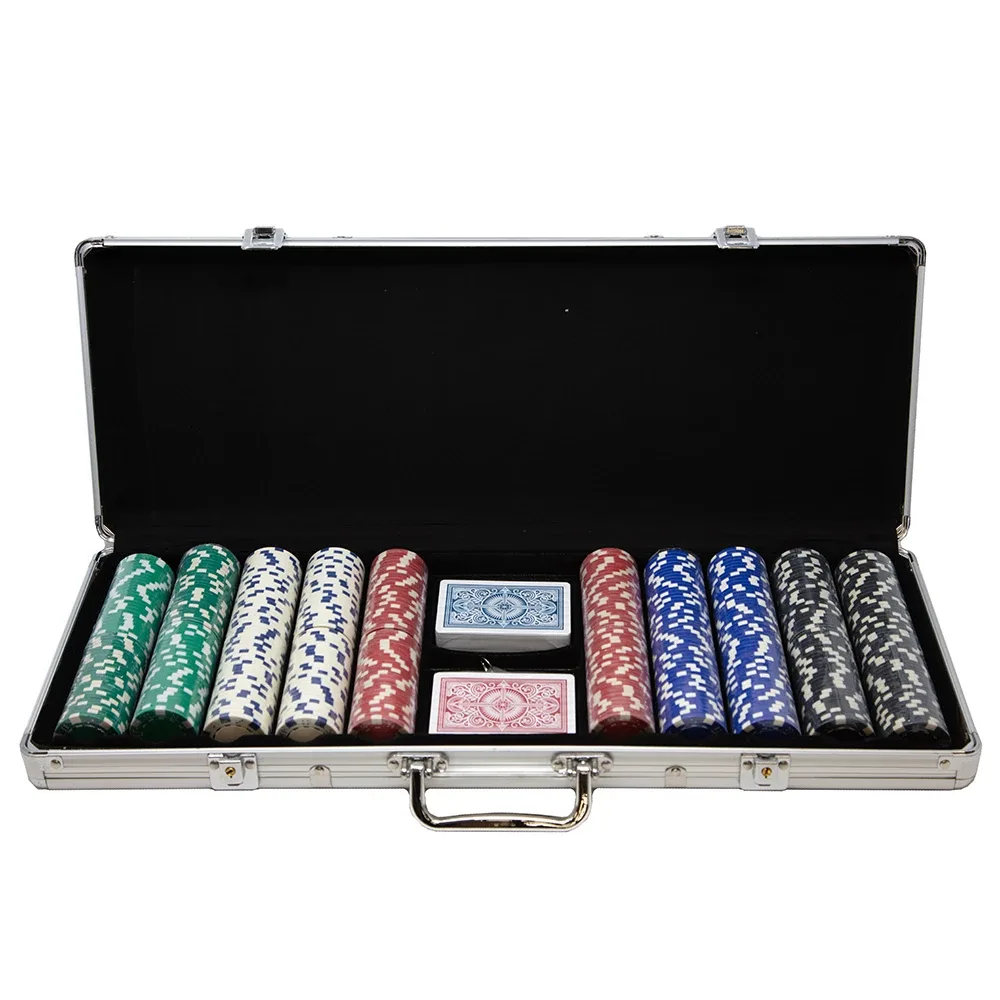
For a typical home game with 6 to 9 players, a 500-chip set with four to five denominations covers most cash games and small tournaments. Beginners should prioritize chip count and useful breakdowns over fancy materials; a set like the Kem Poker Chip Set with 500 11.5-gram dice chips and two decks gives you a complete starting package. If you regularly host more than nine players, look for 750 to 1,000 chips or plan to add on later.
How many poker chips do you actually need?
The right number depends on your player count and game type. A common rule of thumb: for a cash game with up to 9 players, 500 chips is enough if you use a sensible breakdown. For tournaments with rebuys or larger fields, 500 chips can still work but you may need to color up or limit starting stacks. If you often host 10 or more players, plan for at least 750 chips to avoid constant chip races and make stacks easier to manage.
Chip count matters more than chip weight for beginners. Heavier chips feel more substantial, but 11.5-gram chips like those in the Kem Poker Chip Set are already in the standard range for home play. Don't assume heavier always means better; consistency and denomination mix matter more for smooth gameplay.
- 6 players or fewer: 300 chips can work for a single-table cash game.
- 7–9 players: 500 chips is the sweet spot for most home games.
- 10+ players or multi-table tournaments: 750–1,000 chips reduces chip handling and keeps stacks clear.
Poker chip denominations explained: which values to look for
Most beginner sets come with fixed denominations printed on the chips. A practical breakdown for a 500-chip set is 150 chips of the smallest value (e.g., $1), 150 of the next ($5), 100 of $25, 50 of $100, and 50 of $500. This covers typical blinds and lets you build starting stacks without making change constantly. Avoid sets that include only two or three denominations; they force you to use odd values and slow the game down.
If you play both cash games and tournaments, choose a set with denominations that can serve both, or accept that you'll need two separate breakdowns. Non-denominated chips give flexibility but require you to assign values each game, which can confuse casual players. For beginners, denominated chips reduce disputes and speed up play.
- Look for at least four denominations to cover blinds and betting rounds.
- Avoid sets with only $1 and $5 chips; you'll run out of higher values quickly.
- If you host both cash and tournament games, consider two sets or a flexible non-denominated set.
Chip materials and features that matter for beginners
Chip material affects feel, sound, and durability. Plastic chips are affordable but can feel light and slick; composite or clay chips feel more like casino chips but cost more. For a first set, 11.5-gram dice chips are a common middle ground: they have a classic look, stack well, and won't break the bank. The Kem Poker Chip Set uses this style and includes an aluminum case, which makes storage and transport easy.
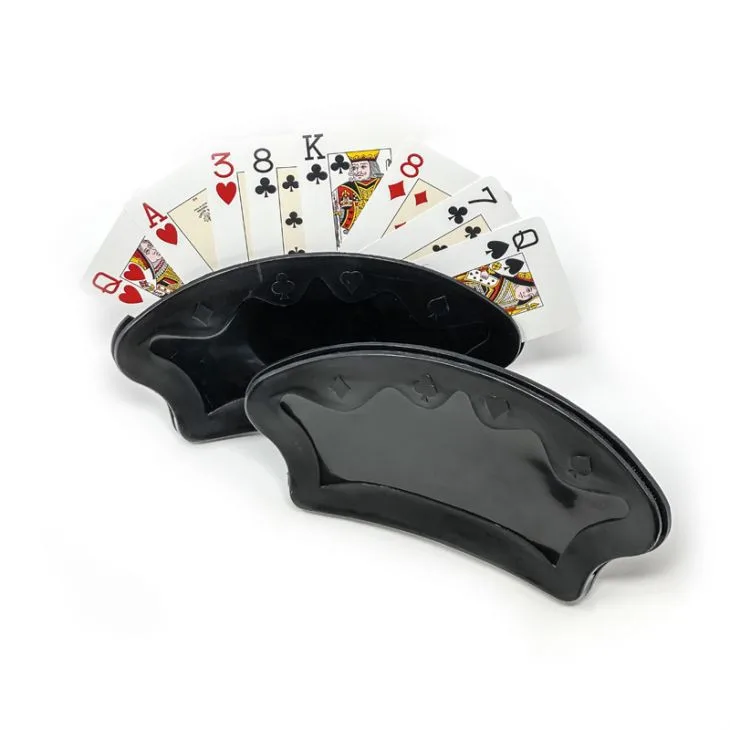
Beyond chips, consider what else you need for game night. Card holders can help players with limited dexterity or kids keep their cards organized. Cut cards are useful for scorekeeping or as table markers, and they're inexpensive to add. These small accessories won't make or break your set, but they can improve the experience for mixed groups.
- Plastic chips: budget-friendly, lighter feel, fine for casual play.
- Composite/clay chips: better feel and sound, higher price.
- Dice chips (11.5g): popular compromise for home games.
- Accessories like card holders and cut cards are optional but helpful for inclusivity.
When to upgrade and what to avoid
Start with a 500-chip set if you're new to hosting. Upgrade when you consistently fill your table and run out of chips, or when you want a more premium feel. Don't buy a 1,000-chip set for a 6-player game; you'll pay more and store more than you need. Also avoid sets with unclear denominations or flimsy cases that crack easily. A sturdy aluminum case, like the one in the Kem set, protects your investment and keeps chips organized.
If you already own a set but it lacks higher denominations, you can often add on with matching chips. However, matching exact colors and styles can be hard years later, so buying a complete set upfront is simpler. For beginners, a 500-chip set with a standard breakdown is the most practical first purchase.
- Upgrade when you regularly have more players than your chip count comfortably supports.
- Avoid buying more chips than your typical game size requires.
- Check that the case is durable and the denominations are clearly printed.
Decision rules for choosing your first chip set
- Player count: Count your typical and maximum number of players. If you usually host 6–9, a 500-chip set is sufficient. If you often host 10 or more, choose 750+ chips. Buy for your typical game, not your largest ever game.
- Denomination breakdown: Check that the set includes at least four denominations with useful values (e.g., $1, $5, $25, $100). Avoid sets with only low values. A balanced breakdown prevents constant chip making and speeds up play.
- Chip material and weight: For beginners, 11.5-gram dice chips offer a good balance of feel and cost. Upgrade to composite or clay only if you want a more premium experience. Don't overspend on material before you know your group's preferences.
- Storage and extras: A durable case protects your chips. Accessories like card holders and cut cards are inexpensive add-ons that can help specific players. Prioritize a solid case over fancy accessories.
Products that fit this guide
- Kem Poker Chip Set: 500 11.5 Gram Dice Chips, Green / Brown Kem Arrow Decks in Aluminum Case: Includes 500 dice-style chips, each weighing 11.5 grams, and two Kem Arrow decks in green and brown, all in an aluminum carrying case. This set covers chip count and card needs for a typical 6–9 player home game, and the case makes storage and transport easy.
- Card Holders: Handy Plastic Card Holders, Black, Set of 2: Set of 2 black plastic card holders that hold up to 15 cards each in a fanned-out display. Useful for players with limited dexterity or kids, keeping cards organized and visible during long games.
Is this chip set right for you?
Best for
- Beginners hosting casual home games with 6–9 players
- Players who want a complete set with chips and cards in one purchase
- Groups that need a portable solution with a sturdy case
Not for
- Hosts who regularly run multi-table tournaments with 20+ players
- Players who want casino-grade clay chips and are willing to pay more
- Those who need custom denominations or high-stakes cash game breakdowns