Quick Answer
Choose polycarbonate lenses if you need the most impact-resistant option with built-in UV protection at a lower price. Choose Trivex lenses if you want similar impact resistance but with better optical clarity and lighter weight.
Impact Resistance and Safety
Both polycarbonate and Trivex are known for their high impact resistance, making them popular for safety glasses, children's eyewear, and active lifestyles. Polycarbonate has been the standard for decades, but Trivex offers comparable durability with improved optical performance.
Optical Clarity and Weight
Trivex lenses have a lower Abbe value, meaning they produce less chromatic aberration (color fringing) than polycarbonate. This results in clearer, sharper vision, especially for people with higher prescriptions. Trivex is also slightly lighter than polycarbonate, which can make a difference during all-day wear.
Coating and Tint Options
Polycarbonate lenses from LensAdvizor offer a wide range of tint and coating combinations, including blue light blocking, anti-fog, UV protection, and anti-reflective. Trivex lenses come as a standard option, so you may have fewer customization choices. If you need specific tints or coatings, polycarbonate gives you more flexibility.
Tradeoffs at a Glance
- Impact Resistance: Both materials meet high impact standards. Polycarbonate is slightly more impact-resistant, but Trivex is close behind.
- Optical Clarity: Trivex offers better optical clarity with less chromatic aberration. Polycarbonate may show more color fringing, especially in strong prescriptions.
- Weight: Trivex is lighter than polycarbonate, reducing pressure on your nose and ears during long wear.
- Customization: Polycarbonate lenses come with more tint and coating options. Trivex is available as a standard option with fewer add-ons.
- Price: Polycarbonate lenses are more budget-friendly (starting at $25.52) compared to Trivex (starting at $29.56). If price is a concern, polycarbonate offers good value without sacrificing impact protection.
Product Facts
-
Single Vision Polycarbonate Lenses: Single Vision Polycarbonate Lenses are available in a range of tint and coating combinations, including blue light blocking, anti fog, UV protection, and anti-reflective. You can customize your lenses for specific needs like reducing digital eye strain or preventing fogging during workouts.
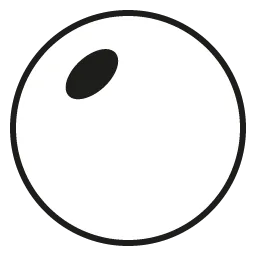
Single Vision Polycarbonate Lenses
-
Single Vision Trivex Lenses: Single Vision Trivex Lenses are designed for people who need a single-vision prescription in a lightweight lens material. Trivex offers excellent clarity and is lighter than polycarbonate, making it a comfortable choice for extended wear.
Single Vision Trivex Lenses
Which Lens Material Is Right for You?
Best For
- Active individuals or children who need maximum impact resistance and UV protection
- Budget-conscious shoppers who still want durable, customizable lenses
Not Ideal For
- People who prioritize optical clarity and lighter weight over cost savings
- Those with high prescriptions who want to minimize chromatic aberration