Quick Answer
Pop art vinyl figures and designer toys both celebrate unique aesthetics, but they differ in origin, artistic intent, and collectibility. Pop art figures often reinterpret iconic imagery through a fine-art lens, while designer toys typically emerge from character design and streetwear culture. For a bold statement piece, choose a pop art figure like Ron English's; for a playful character-driven set, designer toys like KAWS deliver.
What Defines Pop Art Vinyl Figures?
Pop art vinyl figures are rooted in the pop art movement, taking inspiration from consumer culture, advertising, and comic books. Artists like Ron English use these figures to comment on society, often with a twist of irony or humor. These pieces are usually produced in limited editions and are meant to be displayed as art, not just played with.
What Defines Designer Toys?
Designer toys, also known as art toys, emerged from the underground scene of the 1990s and 2000s, blending streetwear, graffiti, and character design. They often start as original characters and are produced in small batches, making them highly collectible. KAWS is a prime example, with his Companion series becoming iconic in both the toy and art worlds.
Key Differences at a Glance
The main difference lies in artistic reference: pop art figures often reference existing imagery or cultural icons, while designer toys are typically original creations. Pop art figures may carry a satirical or critical message, whereas designer toys focus on aesthetic appeal and character design. Both are limited edition, but pop art figures might be produced in smaller runs, like Ron English's edition of 50, making them rarer.
Trade-Offs to Consider
- Artistic Message vs. Character Appeal: Pop art figures like Ron English's often carry a satirical or critical message, while designer toys like KAWS focus on character design and aesthetic. Choose pop art for thought-provoking pieces, designer toys for playful charm. Decide what matters more: the story or the style.
- Edition Size and Rarity: Pop art figures may have smaller editions, like Ron English's 50-piece run, making them rarer. Designer toys like KAWS sets might have larger productions but still hold value. Consider your budget and how much rarity matters to you. If you want a true rarity, go for smaller editions; if you want a broader community, larger runs are fine.
- Price and Investment Potential: Pop art figures can be more expensive per piece due to limited runs and artist prestige. Designer toy sets might offer more pieces for the price. Think about whether you're collecting for passion or potential resale value. Set a budget and prioritize what brings you joy.
Compare These Pop Art and Designer Toy Examples
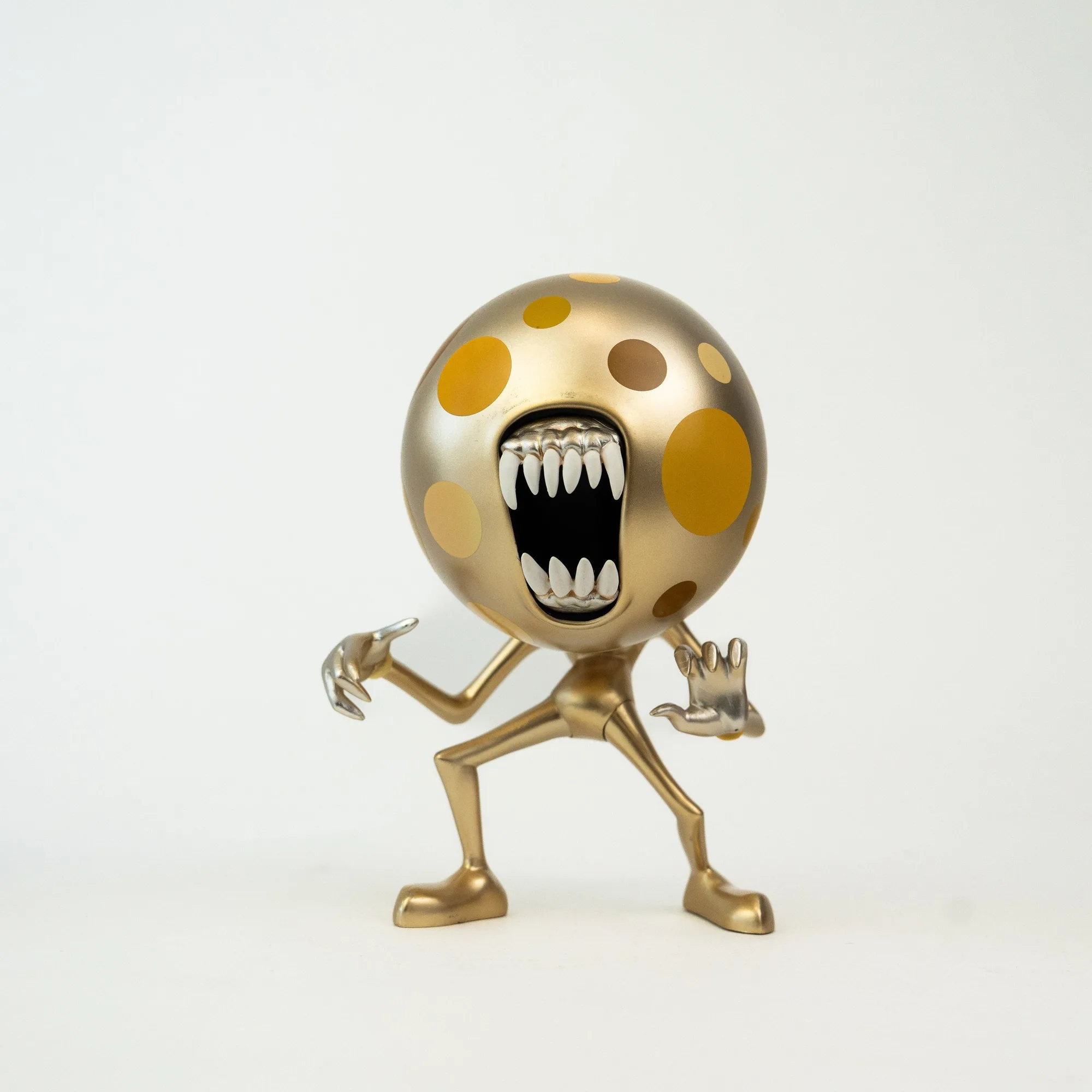
- Ron English Green Orion Figure - Silver Grin: Designed by legendary artist Ron English. Limited Edition of 50 produced by 3DRetro. 7" tall, full color box. Final Sale. No Cancelations, No Exchanges. Please allow 7 to 10 days for shipping. With only 50 pieces, this is a true collector's item. The small edition size makes it a rare find, and the 7-inch scale is perfect for display. Note the final sale policy—be sure you want it before ordering.
- KAWS & Sesame Street Bert & Ernie Vinyl Figure Set of 2: KAWS & Sesame Street Bert & Ernie Vinyl Figure Set of 2. Release Date: 10/15/2025. Dimensions: 12.5 inches. By AllRightsReserved (ARR). The set reimagines Bert and Ernie with KAWS' unmistakable lens, retaining core color blocking and silhouettes with subtle Companion-inspired facial adjustments. This set blends beloved characters with KAWS' signature style, making it a crossover appeal for both Sesame Street fans and designer toy collectors. The 12.5-inch size is a substantial display piece, and the two-figure set offers more value.
Which Style Fits You?
Best For
- Collectors who appreciate fine art influences and satirical commentary
- Fans of limited edition pieces with extremely low production runs
Not For
- Buyers on a tight budget who want larger sets or more playable figures
- Those who prefer original character designs over reinterpretations of existing icons