Quick Answer
To sew successfully with Pop Cloth, focus on three things: use the right needle and thread, press with low heat, and test your stitch on scraps first. Avoid common mistakes like using high heat, pulling the fabric, or skipping seam finishing.
Pop Cloth is a popular fabric choice for quilting and sewing projects because of its crisp hand and vibrant prints. However, like any fabric, it has its quirks. If you're new to Pop Cloth, you might run into issues like skipped stitches, puckering, or fabric distortion. The good news is that most of these problems are easy to prevent with a few simple adjustments.
In this guide, we'll walk through the most common mistakes sewists make with Pop Cloth and show you how to avoid them. Whether you're a beginner or an experienced quilter, these tips will help you achieve smooth, professional results.
Understanding Pop Cloth Fabric
Pop Cloth is a woven fabric known for its slight sheen and smooth texture. It's often used for quilting, apparel, and home decor. Because it's tightly woven, it can be less forgiving than quilting cotton. It tends to hold creases and can be slippery when cut on the bias.
Knowing these characteristics helps you anticipate challenges. For example, because Pop Cloth is tightly woven, it may require a sharper needle. And because it can be slippery, you'll want to use clips or pins to keep layers from shifting.
- Always prewash Pop Cloth to prevent shrinkage and color bleed.
- Use a walking foot if your machine has one to feed layers evenly.
Common Mistakes and How to Avoid Them
One of the most frequent mistakes is using the wrong needle. A dull or ballpoint needle can cause skipped stitches or even damage the fabric. For Pop Cloth, a sharp microtex needle in size 70/10 or 80/12 works best.
Another common error is pressing with too high heat. Pop Cloth can scorch or melt if the iron is too hot. Always use a low to medium heat setting and press with a pressing cloth to protect the surface.
Skipping seam finishing is also a mistake. Pop Cloth frays easily, so finish your seams with a zigzag stitch, serger, or pinking shears to prevent unraveling.
- Test your stitch on a scrap piece of Pop Cloth before starting your project.
- Use a new needle for each major project to avoid dullness.
Step-by-Step: Sewing with Pop Cloth Without Common Mistakes
- Prepare your fabric properly: Prewash Pop Cloth in cold water and dry on low. Press with a cool iron before cutting. This prevents shrinkage and removes creases that can distort your cuts. Checkpoint: Your fabric should be flat and wrinkle-free before you start.
- Choose the right needle and thread: Use a sharp microtex needle (size 70/10 or 80/12) and a high-quality polyester thread. Avoid ballpoint needles, which can push fibers apart. Checkpoint: Test a few stitches on a scrap to ensure even stitches.
- Cut with care: Use a rotary cutter with a sharp blade and a ruler. Pop Cloth can shift, so use pattern weights or pins and cut on a self-healing mat. Checkpoint: Ensure your pieces are accurate to avoid piecing issues.
- Pin or clip layers together: Because Pop Cloth can be slippery, use fine pins or clips to hold layers. Place them perpendicular to the seam to prevent shifting. Checkpoint: Layers should not move when you sew.
- Sew with the right tension and stitch length: Set your stitch length to 2.0-2.5 mm and adjust tension if needed. Sew slowly and avoid pulling the fabric, which can cause puckering. Checkpoint: Seams should lie flat without ripples.
- Press, don't iron: Use a lifting and lowering motion with a cool iron and a pressing cloth. Avoid sliding the iron, which can stretch or distort the fabric. Checkpoint: Press seams to one side or open as directed.
Product Recommendations
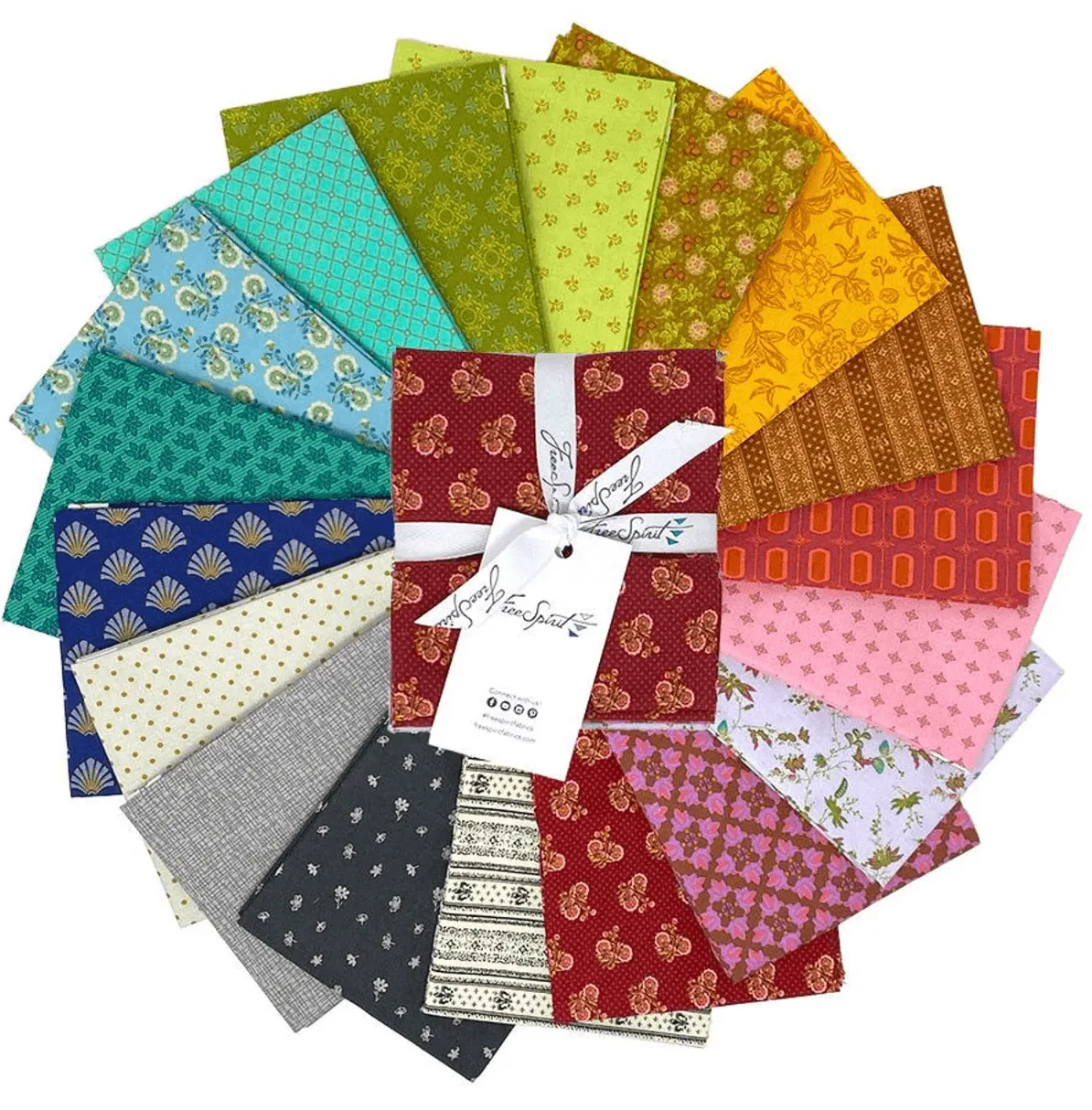
- Vintage Cloth Fabric Pre-Cuts: Vintage Cloth fabric collection was inspired by traditional designs from Europe and comes in pre-cuts like fat quarter bundles and charm packs. Pre-cuts save time and ensure consistent fabric selection. If you're sewing with Pop Cloth, pre-cuts can help you start your project quickly without cutting errors.
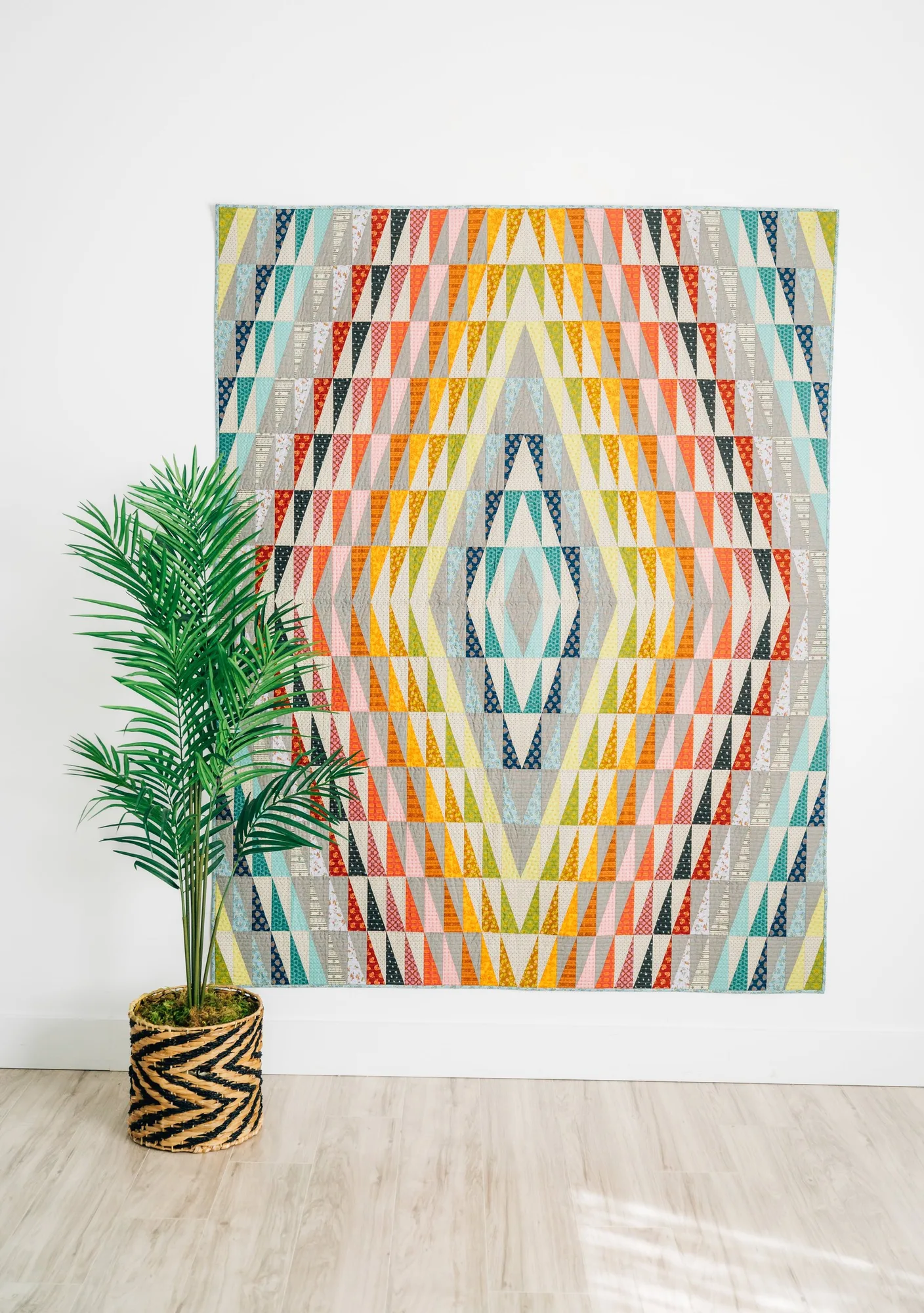
- Tripping Out Quilt Kit in Vintage Cloth: This kit includes fabric and a pattern for a quilt, with options for additional kits like Park Place and Attic Windows. Using a quilt kit eliminates guesswork about fabric amounts and coordination. It's a great way to practice sewing with Pop Cloth on a structured project.
By avoiding these common mistakes, you'll find that sewing with Pop Cloth becomes a joy. Take your time, prepare properly, and enjoy the crisp, beautiful results. Happy sewing!