Quick answer
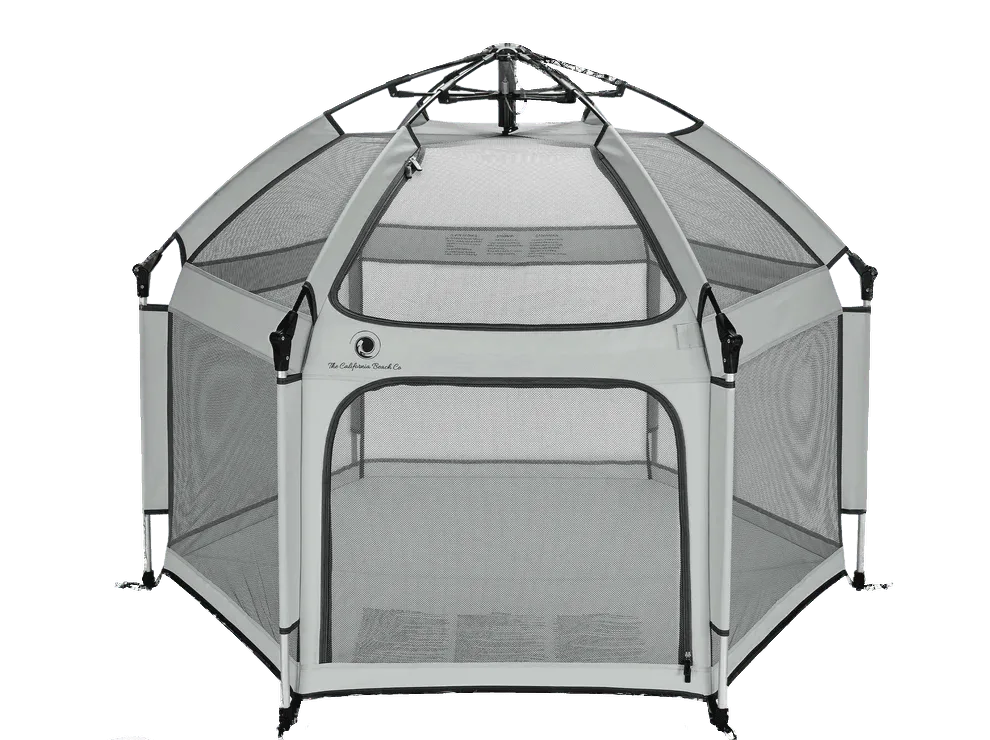
Choose a pop-up playpen like the Pop 'N Go if you need a lightweight, fast-setup option for travel, small spaces, or moving between rooms. Choose a traditional playpen if you want a larger, more stationary enclosure with a firmer floor and room for toys. Many families end up with one of each: a pop-up for trips and a traditional pen for the living room.
How pop-up and traditional playpens actually differ
The core difference is the frame. A pop-up playpen uses a spring-loaded or folding frame that opens in seconds and collapses into a flat or compact disc shape. A traditional playpen usually has a rigid frame with a fixed floor and often a bassinet or changing attachment, so it stays in one place and takes longer to assemble or move.
That single design choice drives almost everything else: packed size, weight, floor firmness, and how much floor area you get. Pop-up models trade some interior space and floor rigidity for portability. Traditional models trade portability for a larger, more stable play area.
Setup, pack-down, and travel reality
If you have ever wrestled a traditional playpen into a car trunk, you already know the pain point. A pop-up playpen folds down to a fraction of its open size and usually comes with a carry bag, which makes it realistic to bring to a hotel, a grandparent's house, or a park. Traditional playpens are better thought of as furniture you set up once and leave in place.
For air travel, check the folded dimensions against your airline's carry-on or checked-bag rules before you buy. For car travel, a pop-up playpen can live in the trunk without eating all your luggage space.
Safety and supervision for both types
No playpen replaces supervision. Always follow the manufacturer's weight and age limits, keep the floor clear of soft bedding that could pose a suffocation risk, and never leave a baby unattended. Check that the frame locks fully open before you put your baby inside, and inspect mesh and seams regularly for tears or loose threads.
If you use a playpen outdoors, keep it out of direct sun for long periods and away from pools, stairs, and heaters.
Pairing a playpen with hands-free babywearing
A playpen gives your baby a safe spot to play while you get things done, but it is not a substitute for closeness during fussy periods. Many parents use a wrap-style carrier for the first stretch of the day and the playpen later, once the baby is calm and alert. If you are still deciding on a carrier, a ready-to-wear option can make that handoff much faster.
Trade-offs to weigh before you buy
- Portability vs. play area: Pop-up playpens pack small and set up fast, but usually offer less interior floor space than a traditional playpen. Pick pop-up if you move the playpen often; pick traditional if your baby needs room to crawl and spread out toys.
- Floor firmness vs. packed size: Traditional playpens typically have a firmer, flatter floor, while pop-up models may have a softer or slightly uneven base. If your baby is learning to sit or stand, a firmer floor is easier to push up from.
- Setup speed vs. features: Pop-up models open in seconds but rarely include bassinet or changing attachments; traditional playpens often do. If you want a newborn bassinet layer, a traditional playpen is usually the better fit.
Carrier options that work alongside a playpen
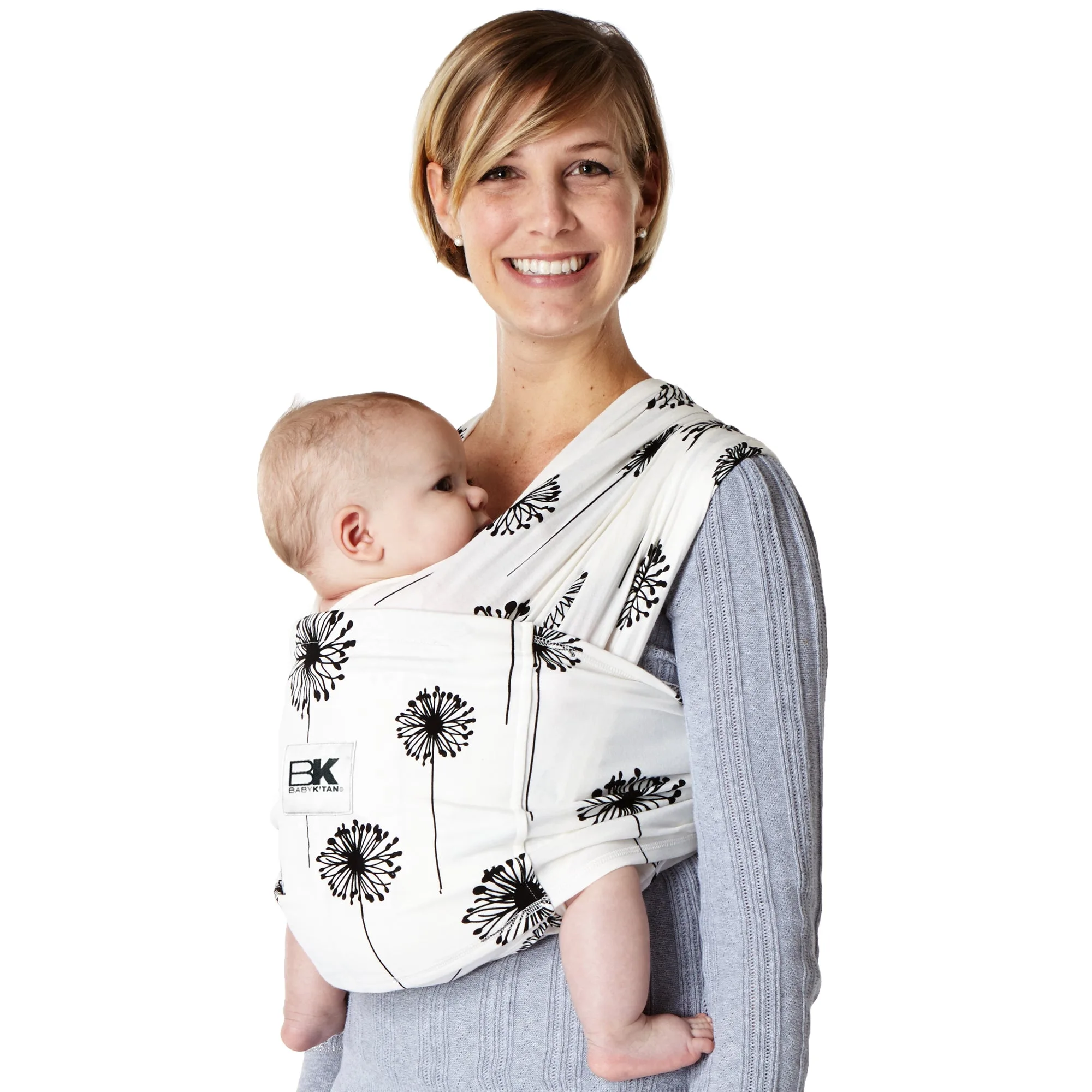
- Baby K'tan Print Baby Carrier | Dandelion: A wrap-style baby carrier without the wrapping, with a patented double-loop design and one-way stretch, individually sized XXS to XL. If you want hands-free carrying without learning to wrap, this slips on like a t-shirt and gives you a quick way to hold your baby while the playpen stays set up nearby.
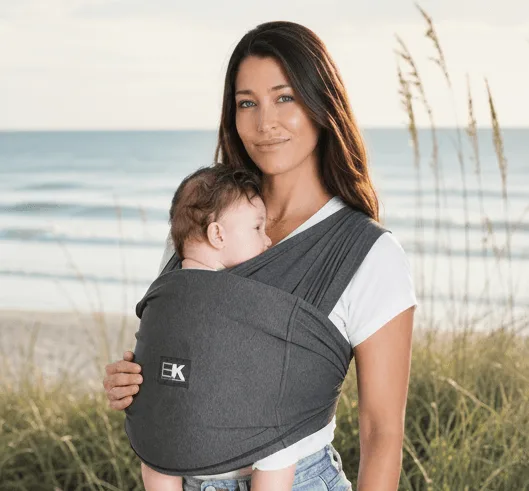
- Baby K'tan Active Yoga Baby Carrier | Heather Coral: Made of breathable hi-tech performance fabric that wicks away moisture and sweat, blocks over 90% of UVA and UVB rays, and is quick-dry. Useful for hot, humid days or outdoor playpen time, when a standard cotton carrier would feel clammy.
- Baby K'tan Print Baby Carrier: A ready-to-wear cotton wrap carrier that slips on easily like a t-shirt and is individually sized XXS to XL. A practical everyday carrier if you want the wrap feel without the wrapping, and a good match for indoor playpen routines.
Which one fits your situation?
Best for
- Families who travel often or move the playpen between rooms
- Small homes and apartments where storage space is tight
- Grandparents or caregivers who need a quick, simple setup
Not for
- Parents who want a large, permanent play yard with room for multiple toys
- Newborns who need a bassinet-level sleep surface, which pop-up models generally do not provide