Quick Recommendation
If your DREO portable AC is leaking water, first check the drain pan and hose connections for blockages or misalignment. Clean any debris, reseat the hose, and ensure the unit is on a level surface. After these steps, run a short test cycle; if the leak stops, you’ve resolved the issue.
Water leakage from a portable air conditioner can be messy and reduce cooling efficiency. The single‑hose design of DREO units relies on proper drainage, so even a small obstruction can cause puddles on the floor.
This guide walks you through the most common reasons for a leak, how to diagnose each symptom, and practical actions you can take without needing a technician.
Identify the Source of the Leak
Start by observing where the water appears. If it pools directly under the unit, the internal drain pan may be full or tilted. A tilted unit prevents gravity from guiding condensate into the hose, leading to overflow. Check that the AC sits on a flat surface; adjust feet if needed. Next, inspect the single hose for kinks, clogs, or loose connections. Dust, pet hair, or mineral buildup can block the flow, forcing water to back up into the pan.
Perform a simple test: disconnect the hose, let the unit run for a few minutes, and watch the pan. If water collects rapidly, the pan is the culprit. If the pan stays dry but water appears at the hose exit, the blockage is within the hose. Document what you see, as this will guide the corrective step.
- Ensure the unit is level before each use.
- Remove the hose and flush it with warm water to clear debris.
Seal and Prevent Future Leaks
Once the cause is clear, take action. For a full or tilted pan, clean it with a soft cloth and reposition the unit. If the hose is clogged, use a thin brush or a flexible pipe cleaner to remove buildup, then reattach securely. Apply a small amount of silicone sealant around the hose connector if you notice a loose fit. Finally, run the AC on a low setting for 10‑15 minutes to verify that water drains smoothly through the hose.
If after these steps the unit still leaks, the internal pump may be failing or the drain line could be damaged. At that point, consider contacting DREO support for warranty service or replacement, as further DIY repairs could void the warranty.
- Schedule routine hose cleaning every 3‑4 months, especially in humid seasons.
Diagnosis Summary
- Symptom: Water pooling on the floor beneath the DREO portable AC during operation. Confirm the leak location before proceeding.
- Likely Cause: Blocked or loose single‑hose connection, or an unlevel unit causing the drain pan to overflow. Check hose integrity and ensure the unit sits level.
- Corrective Action: Clean the hose, reseat connectors, level the unit, and verify drainage with a short test run. If water still leaks after these steps, contact DREO support for possible pump or internal component issues.
Related Products Worth Knowing
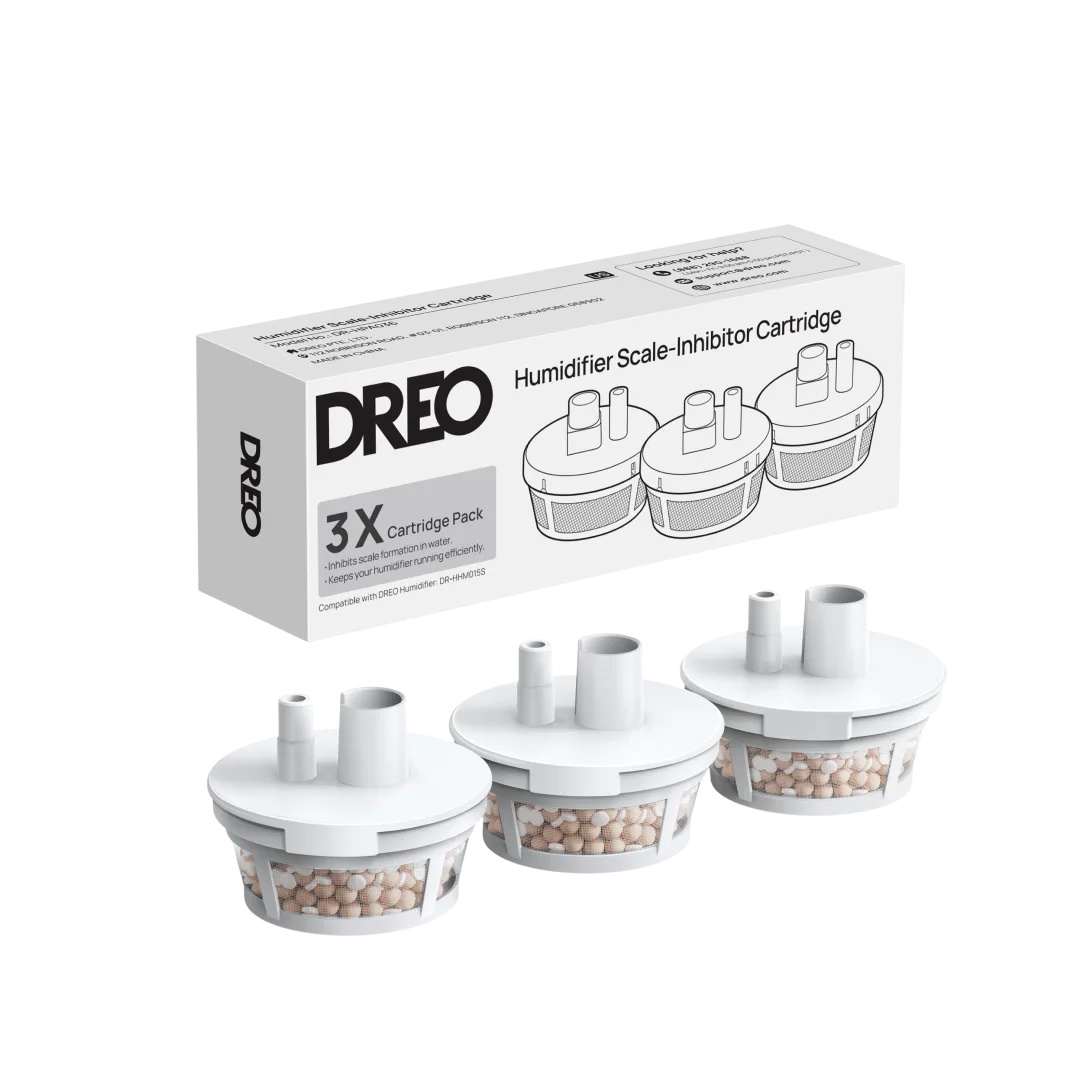
- Humidifier Scale-Inhibitor Cartridge, Compatible with DREO Humidifier 755S: Upgrade to healthier mist with DREO's scale-inhibitor cartridges, compatible with the DREO humidifier 755S, it prevents scale buildup and helps your humidifier run smoothly while bringing healthy clean mist to your room. Preventing scale buildup reduces excess moisture that can contribute to condensation near your AC, supporting a drier environment.
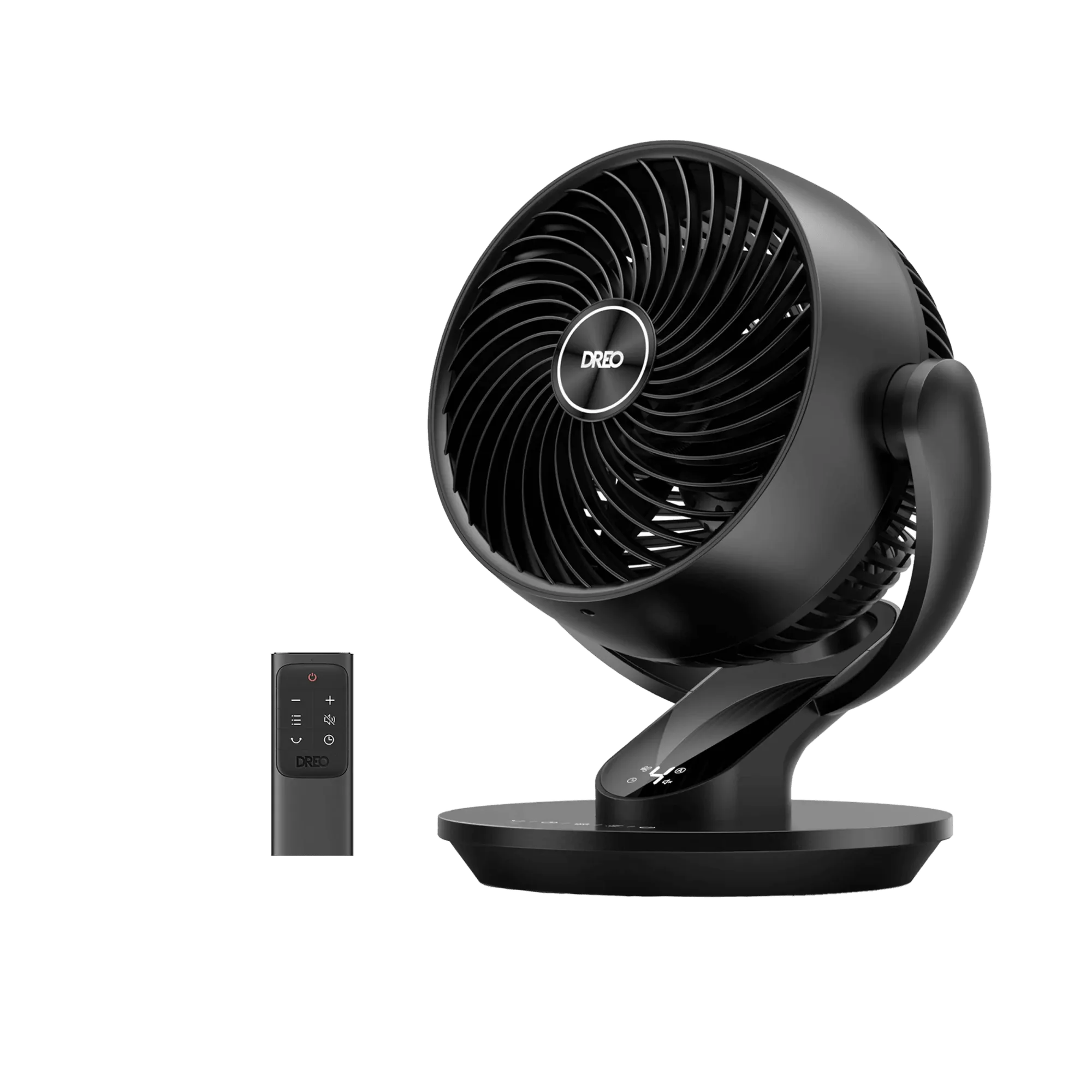
- TurboPoly™ Table Fan 511: A speed for every situation 4-speed setting allows customizing the airflow to your needs. You can always get the comfort breeze. Pair it for better savings. Air circulators increase the effect of air conditioners, space heaters, humidifiers, and purifiers. Using a supplemental fan improves air circulation, helping the portable AC disperse cooled air evenly and reducing localized moisture that can cause leaks.
By systematically checking the drain pan, hose, and unit level, most portable AC water leaks can be resolved quickly. Regular maintenance of the hose and surrounding humidity will keep your DREO system running dry and efficiently.