Quick answer
For most quilters who want speed and consistent stitch length across large projects, a portable electric 12-stitch sewing machine is the practical choice. Hand piecing wins when portability, quiet evenings, or precise control on curved or set-in seams matter more than pace. Your best pick depends on project size, where you sew, and how much setup you tolerate.
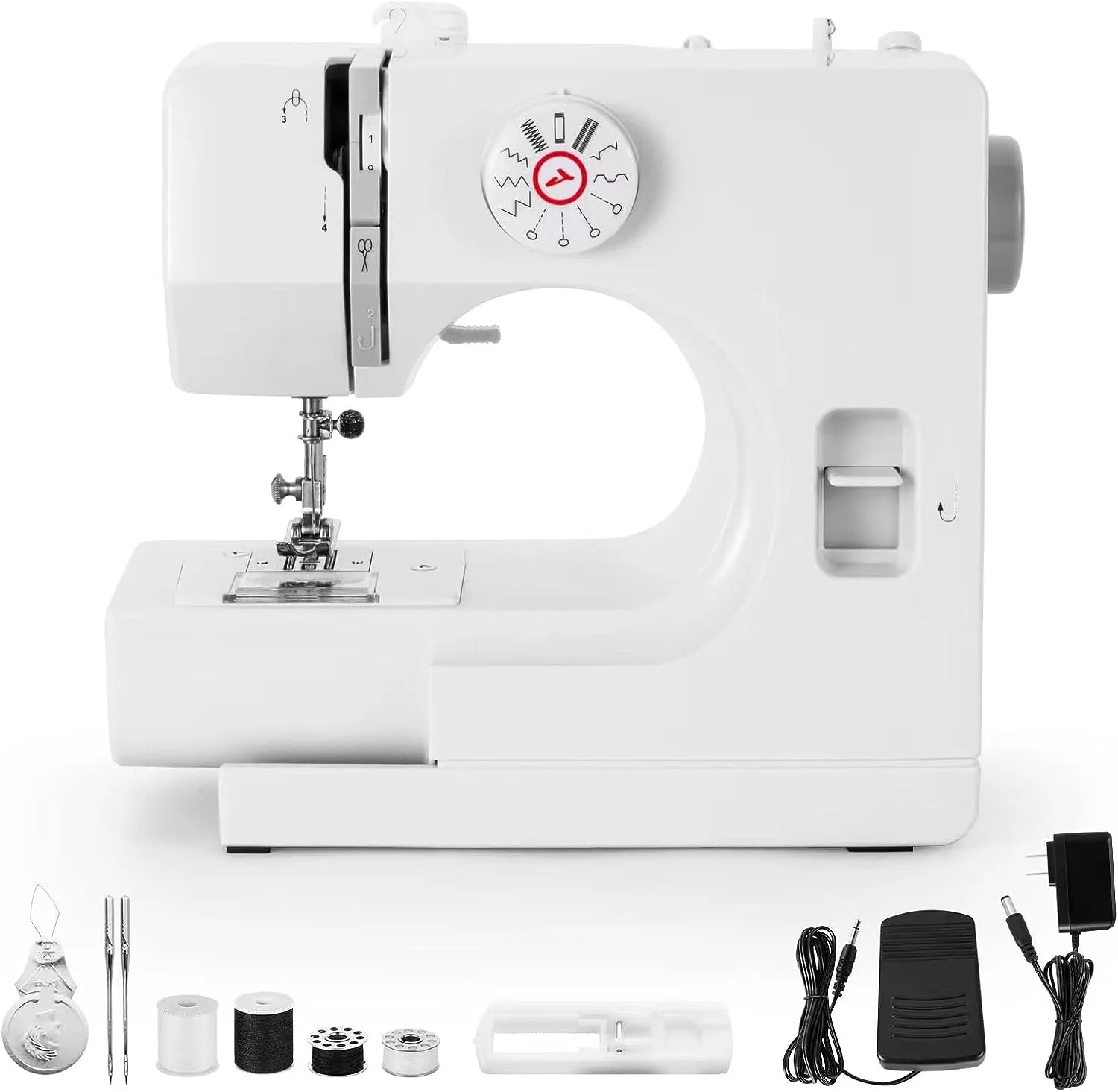
portable electric 12-stitch sewing machine
Choosing between a portable electric 12-stitch sewing machine and hand piecing often comes down to where and how you like to work. A machine powers through long seams and repetitive piecing; hand piecing travels with you and needs no outlet. Both produce beautiful quilts, but they ask different things of your time, space, and attention.
This comparison focuses on the trade-offs that affect real quilting projects: speed, accuracy, portability, and the supplies that support each method. You will see where a machine earns its keep and where hand piecing still makes sense, plus a few practical tools that keep either approach running smoothly.
Speed and output: how fast do you need to finish?
A portable electric 12-stitch sewing machine is built for continuous, even stitching. Once you have threaded it and set your seam allowance, you can chain-piece dozens of units without rethreading or repositioning your hands for every stitch. That makes it the clear winner for bed-sized quilts, repeated blocks, and projects with deadlines.
Hand piecing moves at your needle's pace. Each stitch is deliberate, which can be meditative but slow on large quilts. If you enjoy the process and are not racing a calendar, hand piecing is perfectly viable. If you want a finished top this season, the machine's speed advantage is hard to ignore.
- Time a test block both ways before committing to a full quilt; the difference usually decides the method for you.
Accuracy and control: consistent seams vs stitch-by-stitch precision
Machine piecing excels at consistent seam allowances. A 12-stitch machine with a clear seam guide helps you feed fabric evenly, which matters when many identical units must align. The trade-off is that you are guiding fabric at speed, so a moment of inattention can shift a seam.
Hand piecing gives you total control over each stitch. You can adjust tension and placement in real time, which helps with curved piecing, set-in seams, and matching tricky intersections. The trade-off is that consistency depends on your own rhythm; uneven hand stitches can show in the final quilt if you rush.
- For curved or Y-seams, many quilters hand piece the tricky units and machine piece the straight runs.
Portability and setup: where and when you sew
A portable electric 12-stitch sewing machine still needs a power source, a flat surface, and a few minutes of setup. It is portable in the sense that it is lighter and smaller than a full-size machine, not that you can use it on a park bench. Once set up, though, it stays ready for long sessions.
Hand piecing needs only a needle, thread, and scissors. You can work in a waiting room, on a porch, or during a quiet evening without disturbing anyone. The trade-off is that hand piecing is slower and can be harder on your hands over long stretches, so breaks matter.
- If you sew in short pockets of time, hand piecing keeps a project moving without setup or cleanup.
Supplies and support tools for each method
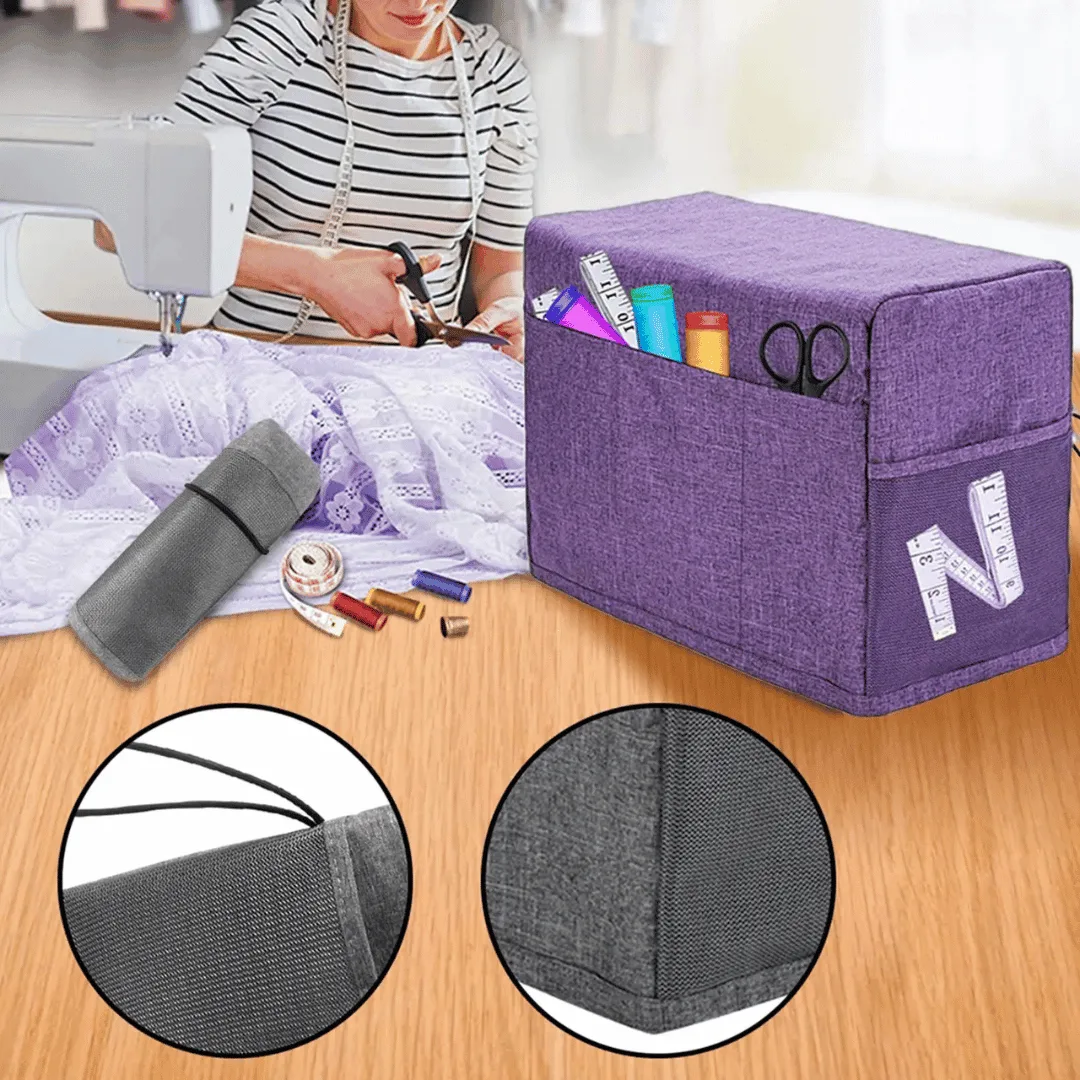
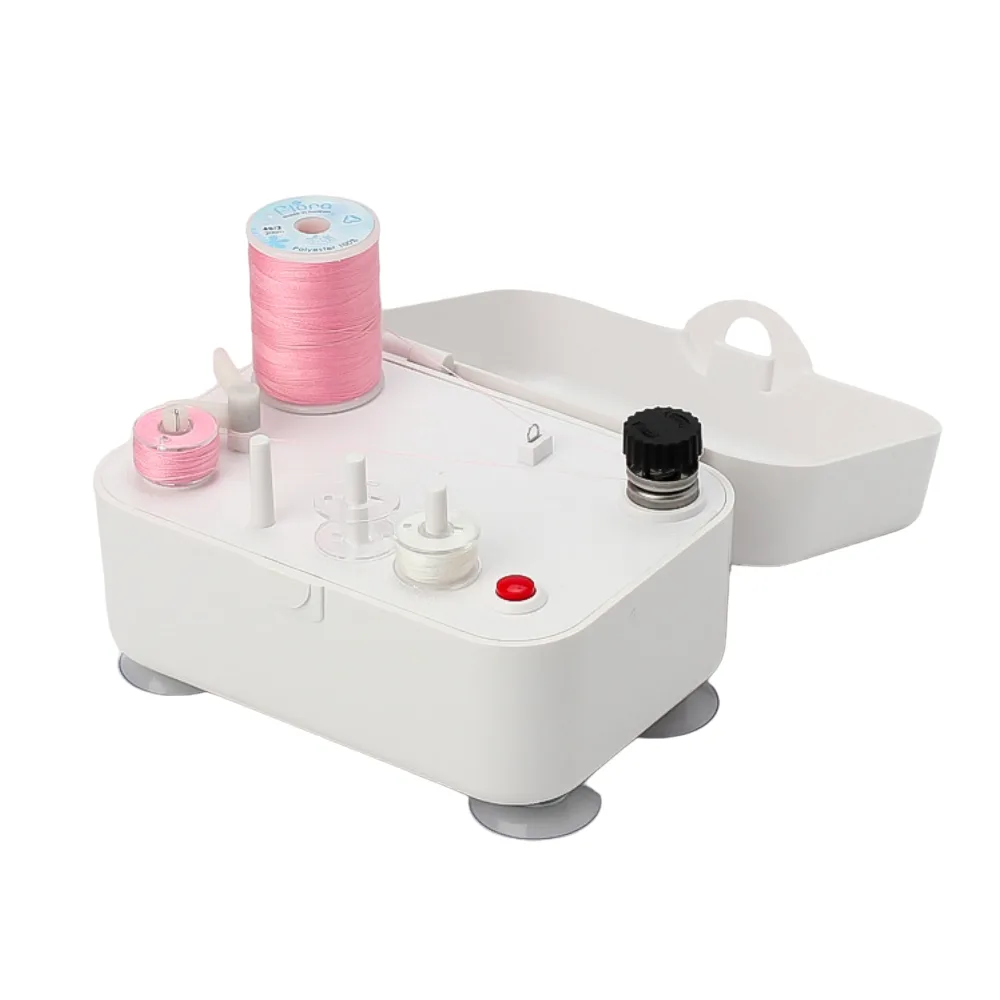
Machine piecing benefits from a few organizers that keep bobbins and pins ready. The Portable Electric Bobbin Winder winds bobbins evenly so you spend less time stopping to refill, and the Universal Sewing Machine Dust Cover protects your machine between sessions. Small habits like covering the machine and pre-winding bobbins keep a portable setup efficient.
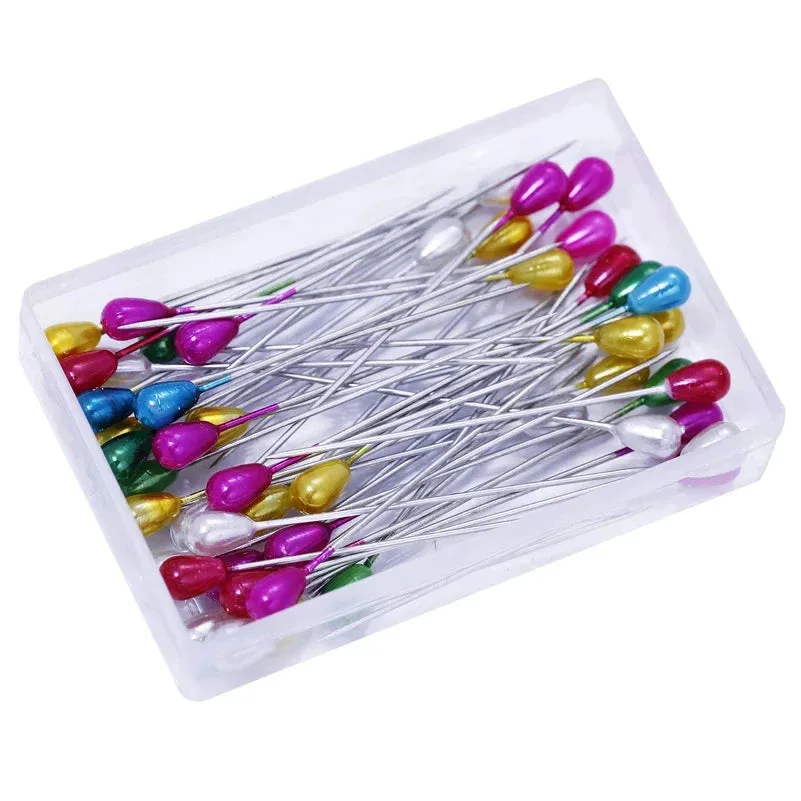
Hand piecing rewards good marking and pinning. The Quilting Pins Color Pearl Head hold layers without bulky heads getting in the way, and the Handmade Leather Mini Tape Measure is handy for checking seam allowances and block sizes as you work. Neither method requires every gadget, but the right few reduce friction.
- Keep a dedicated small box for pins and a separate one for bobbins so you are not hunting mid-project.
Trade-offs at a glance
- Speed vs. deliberation: A portable electric 12-stitch machine finishes long seams and repeated blocks far faster than hand piecing. Hand piecing is slower but lets you control every stitch. Choose machine piecing for deadlines and large quilts; choose hand piecing when the process is the point.
- Consistency vs. flexibility: Machine piecing delivers consistent seam allowances across many units. Hand piecing adapts to curves and set-in seams more naturally but depends on your stitch rhythm. Test both on a sample block to see which gives you the accuracy your pattern needs.
- Portability vs. setup: Hand piecing travels anywhere with minimal tools. A portable machine still needs power and a flat surface, but once set up it stays ready for long sessions. Match the method to your sewing environment, not just the project.
Supplies that support either method
- Portable Electric Bobbin Winder: Winds bobbins quickly and evenly, reducing manual winding and uneven bobbins. Machine piecing stalls when bobbins run out; even winding keeps tension consistent.
- Universal Sewing Machine Dust Cover: Shields a sewing machine from dust, dirt, liquids, and scratches and helps keep the workspace neat. A covered machine stays ready for the next session, which matters if you sew in short blocks of time.
- Quilting Pins Color Pearl Head: Come in a handy plastic box for storage and are designed for easy use. Hand piecing and machine piecing both rely on pinning; organized pins save time and frustration.
- Handmade Leather Mini Tape Measure - 59inch (150cm): Retractable tape measure in genuine cowhide leather, extends to 59 inches (150 cm). Checking seam allowances and block sizes is faster with a compact tape that lives in your sewing kit.
Which method fits you?
Best for
- Quilters making large or repetitive projects who want speed and consistent seams
- Sewists who have a dedicated space and prefer to leave a machine set up
- Beginners who want to build muscle memory for accurate seam allowances
Not for
- Quilters who sew mainly in waiting rooms, on trips, or without power access
- Projects with many curved or set-in seams where stitch-by-stitch control matters most
- Anyone who finds machine noise or speed stressful and prefers a quiet, slow rhythm
Neither method is universally better; they solve different problems. If your priority is finishing quilts efficiently with even seams, a portable electric 12-stitch sewing machine is the practical pick. If you value portability, quiet sewing, or stitch-level control, hand piecing earns its place. Many quilters keep both options and switch based on the project in front of them.