Quick Answer
Choose a portable sewing machine if you sew in small spaces, take classes, or need to move your machine often. Choose a full-size machine if you quilt large projects, want a bigger throat space, and have a dedicated sewing area. Most quilters who piece and quilt at home are better served by a full-size machine.
If you are setting up a sewing space or replacing an old machine, the choice between a portable and a full-size model comes down to where and what you sew. Portable machines are lightweight and easy to store, but they often sacrifice throat space and stitch power. Full-size machines stay put and handle bulky quilts with less wrestling.
This comparison breaks down the real trade-offs so you can match a machine to your quilting habits, not just the spec sheet. We will look at space, portability, quilting capacity, and the accessories that make either setup work better.
Size and Space: What Fits Your Home
A portable sewing machine typically weighs under 15 pounds and can be tucked into a closet or carried to a class. That convenience matters if you sew at the kitchen table and pack up after each session. A full-size machine often weighs 20 pounds or more and needs a permanent table or cabinet. It takes up more room, but you do not have to lift it into place every time you want to sew a seam.
Measure your available surface before you buy. A full-size machine may need 18 to 24 inches of depth, while a portable can run on a smaller footprint. If your space doubles as a dining table, a portable wins on storage. If you have a dedicated corner, a full-size machine stays ready and reduces setup fatigue.
- Mark your table space with painter's tape to see how each machine size feels before ordering.
- Check the machine's weight if you plan to carry it to guild meetings or retreats.
Quilting Capacity and Throat Space
Throat space, the distance from the needle to the right side of the machine, is the key number for quilters. Portable machines often have 5 to 7 inches of throat space, which is fine for piecing blocks but cramped when you quilt a large throw. Full-size machines commonly offer 8 to 12 inches, letting you roll more fabric and reduce drag. That extra room makes free-motion quilting and walking-foot work easier on your shoulders.
If you mostly make wall hangings, table runners, or baby quilts, a portable machine's throat space may be enough. If you plan to quilt queen-size quilts on your home machine, the larger throat of a full-size model saves time and frustration. Neither machine quilts a king-size quilt easily without a longarm, but the full-size option gives you more working room.
- Test the throat space by rolling a small quilt and seeing how it fits under the arm.
- For large quilts, consider quilting in sections or sending them to a longarmer, regardless of machine size.
Power, Speed, and Stitch Quality
Full-size machines usually have stronger motors and higher stitch speeds, which helps when you sew long seams or multiple layers. Portable machines can struggle with thick seams, denim, or heavy quilting, and they may vibrate more at high speeds. That said, many portable models handle everyday cotton piecing well. The difference shows up when you push them hard.
Stitch quality depends more on tuning and needle choice than on size alone. A well-maintained portable can make beautiful stitches. But if you regularly sew through bulky intersections or quilt with thick batting, a full-size machine's power reduces skipped stitches and hand fatigue. Look for a machine with adjustable presser foot pressure if you switch between piecing and quilting.
- Match your needle to the fabric: a 80/12 universal for piecing, a 90/14 quilting needle for thicker layers.
- Clean and oil your machine regularly; lint buildup affects stitch quality more than machine size.
Portability and Travel
Portable machines shine if you attend retreats, classes, or sew with friends. They often come with a carrying case or handle, and they fit in a car trunk without a second thought. Full-size machines are heavy and may need a rolling case or a dedicated travel setup. If you sew away from home more than once a month, a portable is the practical choice.
However, portability has a cost. Travel machines may have fewer built-in stitches, smaller bobbins, and less accessory storage. If you only travel occasionally, you can keep a full-size machine at home and use a small backup for retreats. That two-machine approach costs more but gives you the best of both worlds.
- Weigh your machine with its case before committing to carrying it regularly.
- Keep a travel sewing kit packed with spare bobbins, needles, and thread so you are always ready.
Accessories and Upgrades That Matter
No matter which machine you choose, good lighting and the right tools make quilting easier. A Sewing Machine LED Lamp adds focused light exactly where you need it, which helps with dark fabrics and detailed stitching. It rotates 360 degrees and uses 30 LED lights, so you can aim brightness at the needle without repositioning your whole setup.
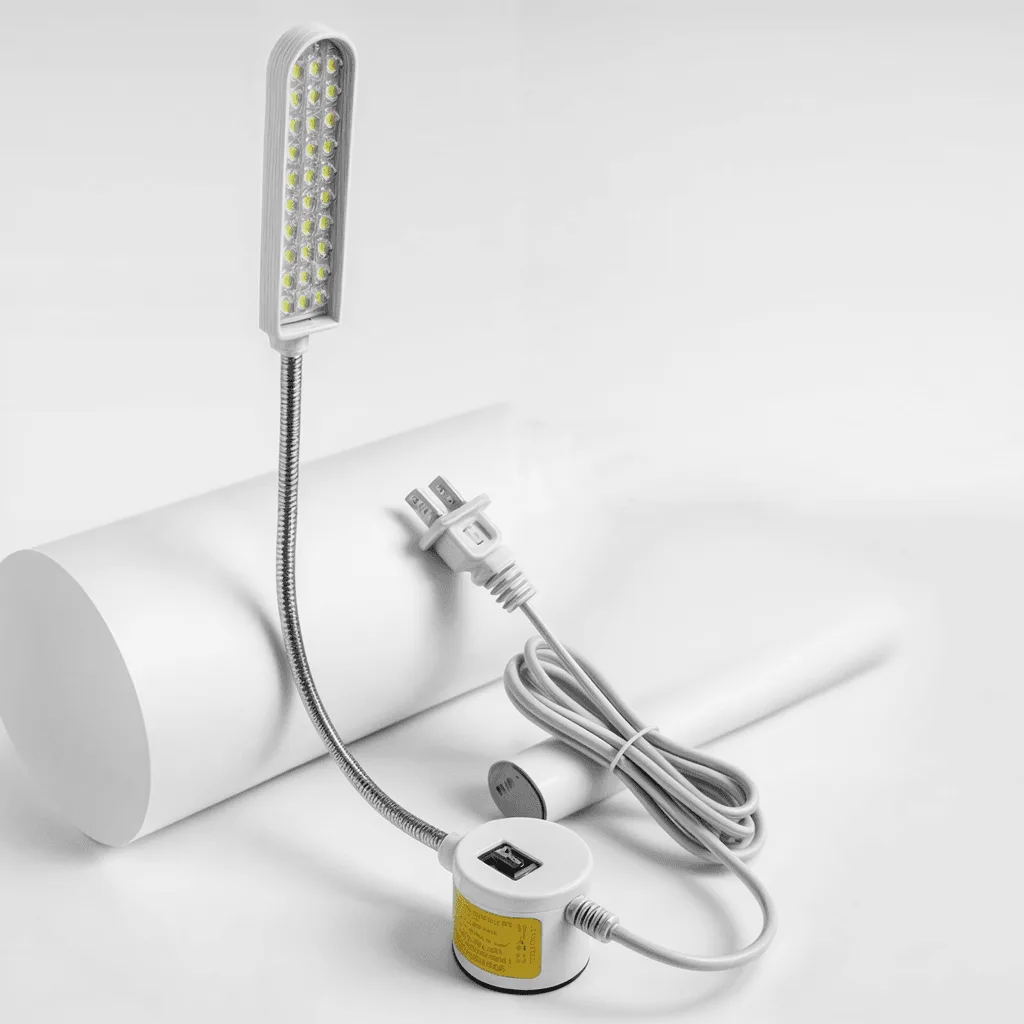
Sewing Machine LED Lamp
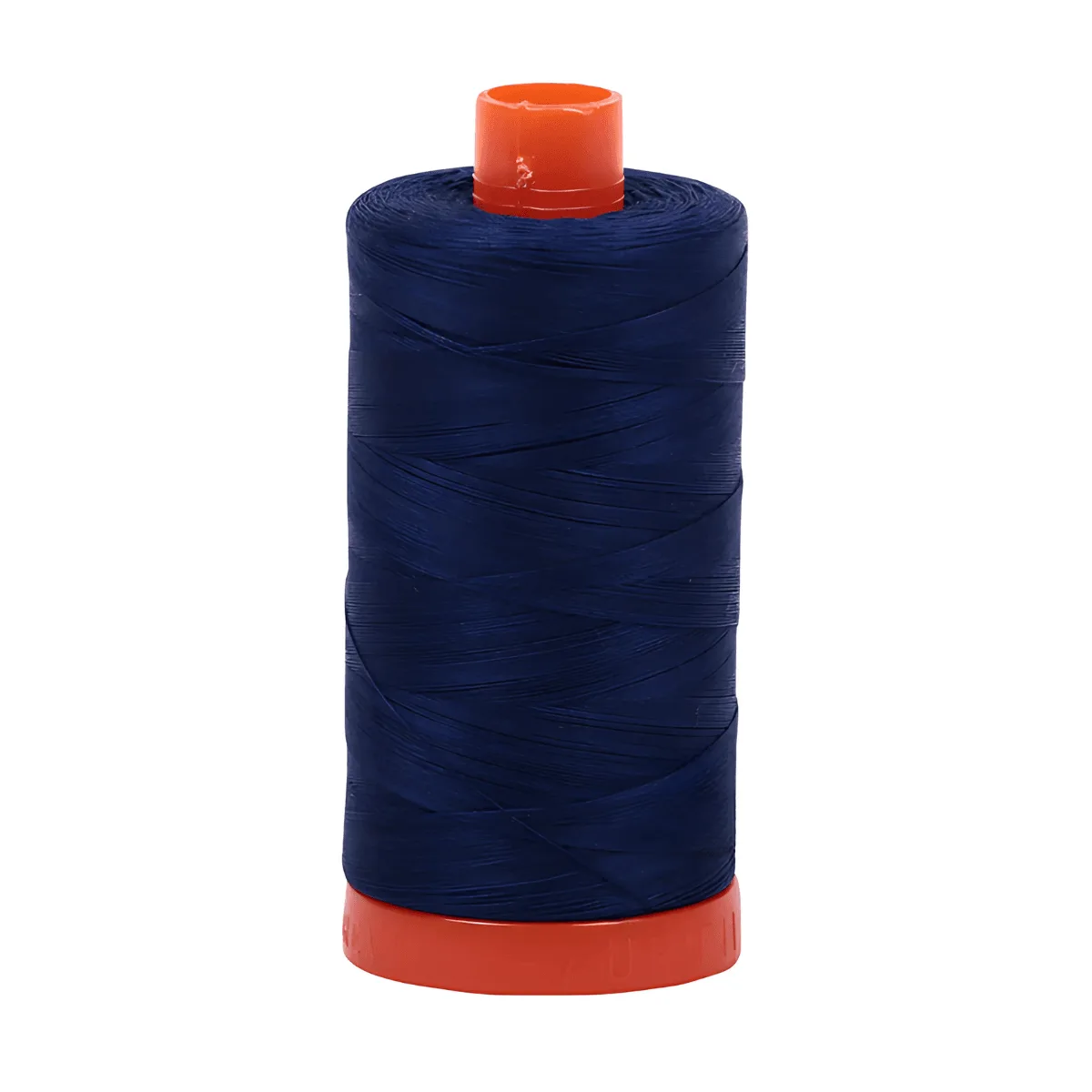
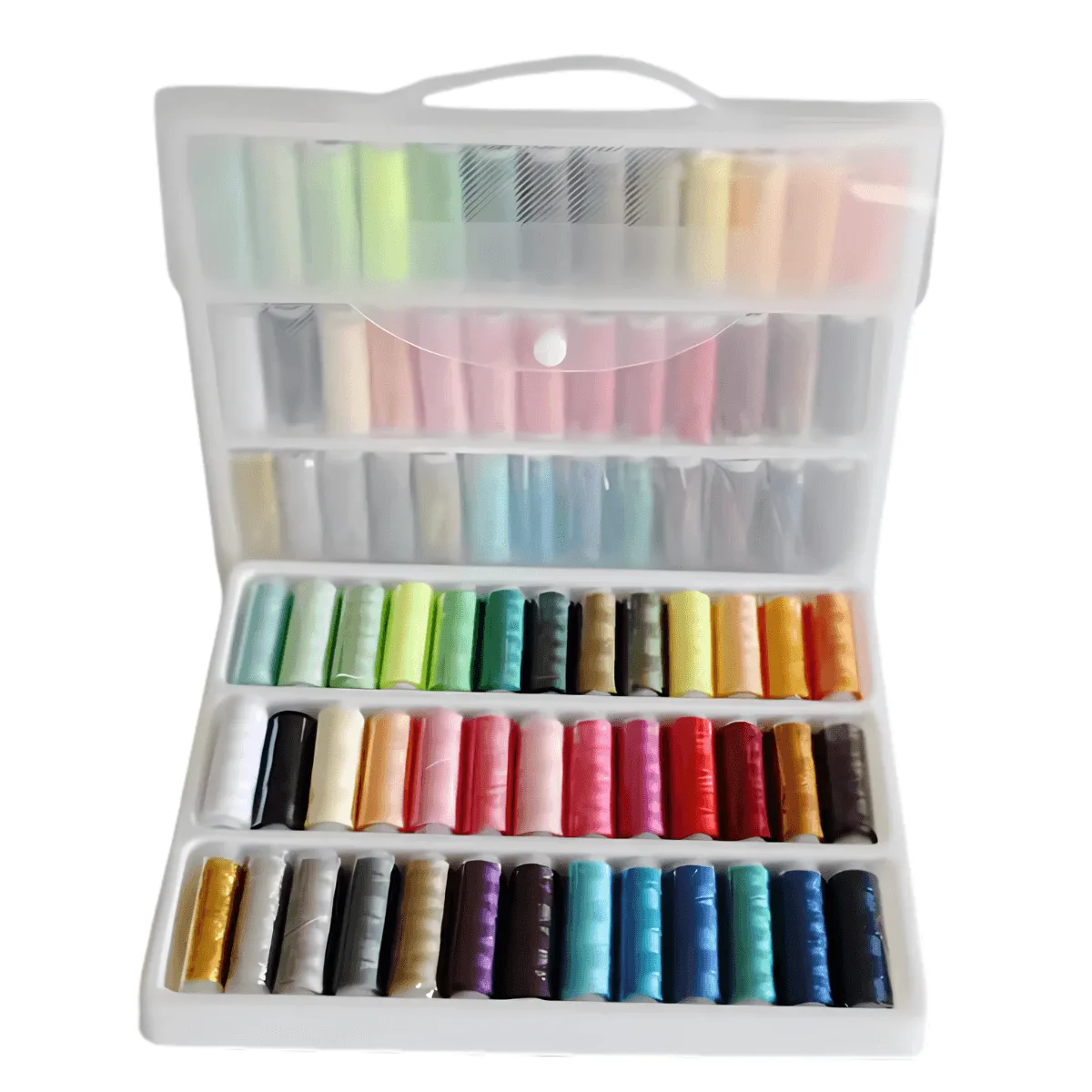
For piecing and quilting, thread choice matters too. The 50wt Aurifil 1422yd Navy Blue 2784 - 100% Cotton Thread is a fine, strong cotton that works well for intricate work and blends into many quilt palettes. If you want a broader color range for appliqué or embroidery, the Sewing Kit with 76yd Colorful - 100% Polyester Thread 39 Pack gives you 39 hues in a portable case. These small upgrades improve results on either machine type.
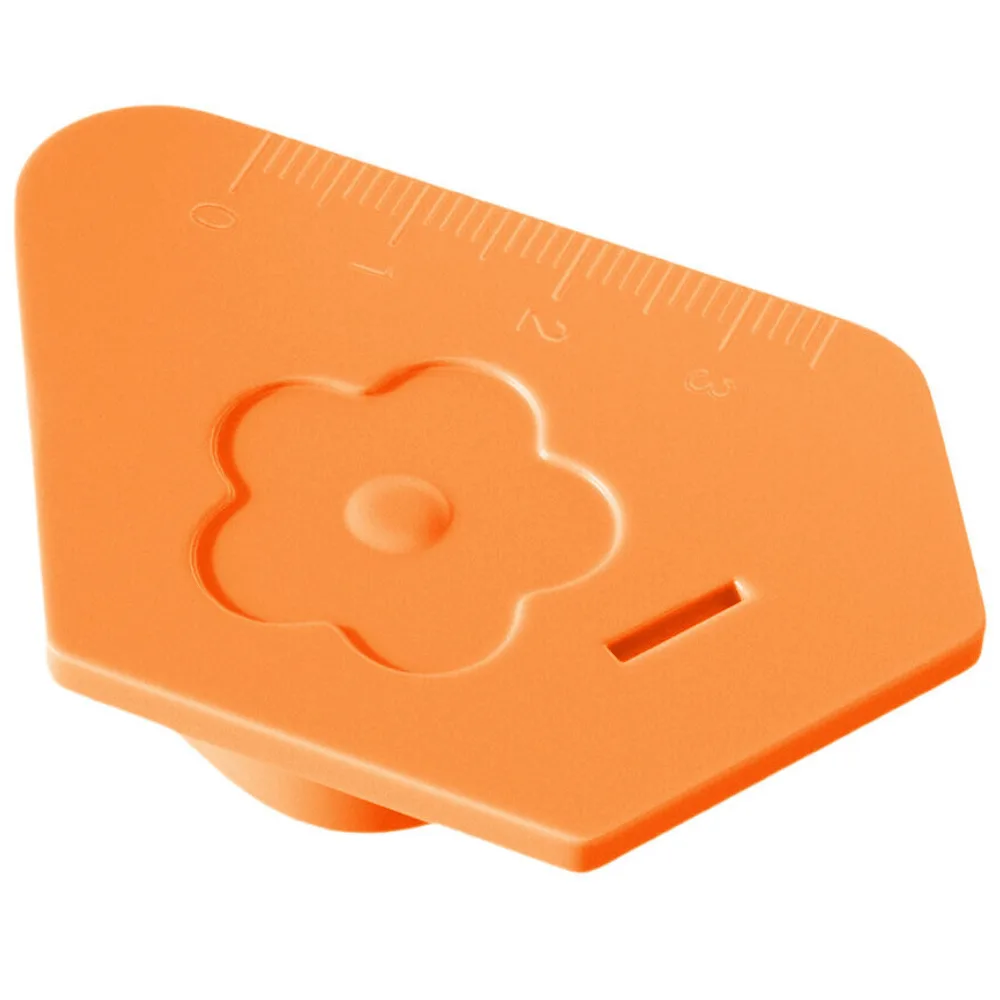
- Add a magnetic seam guide to keep consistent quarter-inch seams on any machine.
- Use a fresh needle for each new project to avoid snags and skipped stitches.
Trade-Offs at a Glance
- Space vs. Capability: Portable machines save space and store easily, but full-size machines offer larger throat space and stronger motors for big quilts. If you quilt throws or larger, prioritize throat space over portability.
- Travel vs. Stability: Portable machines are easy to carry to classes and retreats, but they may vibrate more and have fewer built-in features. Choose portable if you sew away from home often; otherwise, a full-size machine stays put and sews more smoothly.
- Cost vs. Long-Term Use: Portable machines often cost less upfront, but a full-size machine may save money by handling a wider range of projects without upgrading later. Consider your five-year quilting goals, not just today's budget.
Tools That Help Either Machine
- Sewing Machine LED Lamp: 30 LED lights give off crisp, bright illumination perfect for sewing and quilting, with flexible 360° rotation. Better lighting reduces eye strain and helps you see stitch lines on dark or busy fabrics, especially on portable machines with smaller work areas.
- 50wt Aurifil 1422yd Navy Blue 2784 - 100% Cotton Thread: 50wt, 100% cotton thread ideal for fine details and delicate stitching, with a 1422-yard spool. A fine, strong cotton thread piecing and quilting smoothly on both portable and full-size machines, and the large spool means fewer changes.
- Sewing Kit with 76yd Colorful - 100% Polyester Thread 39 Pack: 39 vibrant colors organized in a sturdy, portable case. Keeps thread colors tidy and travel-ready, which is handy if you take a portable machine to classes or sew in different rooms.
Which Machine Fits You?
Best for
- Quilters who sew in small spaces and need to pack up after each session.
- Sewists who attend classes, retreats, or guild meetings regularly.
- Beginners who want a lightweight, affordable machine for piecing small projects.
Not for
- Quilters who regularly quilt large throws or bed-size quilts at home.
- Sewists who work with heavy fabrics, thick batting, or multiple layers.
- Anyone who wants a permanent setup with maximum throat space and stitch power.
There is no single best machine for everyone. Match the machine to your space, your project size, and how often you sew away from home. If you quilt large projects at a dedicated table, a full-size machine is the practical choice. If you need to sew on the go or in a shared room, a portable machine keeps you stitching. Whichever you pick, good lighting and the right thread make every seam better.