Quick answer
Choose Kodak Portra 400 when you need color, speed, and skin-tone accuracy in changing light. Choose Ilford Delta 100 when you want maximum sharpness and fine grain in controlled, bright conditions. They are not substitutes for each other, so the real decision is whether your final image should be color or black and white.
How the two stocks differ at the core
Ilford Delta 100 Professional is a medium-speed panchromatic black and white negative film built on core-shell crystal technology, rated ISO 100 and processed in standard black and white chemistry. Kodak Professional Portra 400 is a high-speed daylight-balanced color negative film rated ISO 400 and processed in C-41. One gives you a monochrome negative with very high sharpness and fine grain; the other gives you a color negative with a smooth, natural palette and low contrast.
Because the processes differ, you cannot develop them together. Delta 100 needs black and white chemistry, while Portra 400 needs C-41. If you send film to a lab, check that it handles both lines before you commit to a mixed order.
Speed and light: ISO 100 vs ISO 400
The two-stop difference between ISO 100 and ISO 400 changes where each film is comfortable. Delta 100 rewards bright, stable light: daylight exteriors, studio strobes, or a tripod. Portra 400 gives you two extra stops of headroom, which helps indoors, at dusk, or when you are hand-holding and cannot open the aperture further.
That does not make ISO 400 automatically better in low light. It means Portra 400 asks less of your shutter speed and aperture, while Delta 100 asks you to control the light or support the camera. Match the film to the conditions you actually shoot in, not the conditions you wish you had.
Grain, sharpness, and the look you get
Delta 100 is designed for extremely sharp results with a fine, uniform grain structure, so it suits subjects where texture and detail matter: architecture, landscapes, still life, and portraits where you want clean tonality. Portra 400 uses very fine grain and VISION film technology to deliver high color saturation with low contrast, which is why it is associated with accurate skin tones and consistent results across a roll.
In practice, the choice is less about which film is sharper and more about whether color carries meaning in your image. A black and white frame asks the viewer to read light, shape, and tone. A color frame adds information the viewer cannot ignore.
Formats and how to plan a mixed shoot
Both stocks are available in 120 roll film, and Portra 400 is also offered in 35mm with 36 exposures. If you shoot both formats, decide per camera rather than per trip: put the ISO 100 black and white in the camera you will use in good light, and the ISO 400 color in the body you will carry into mixed conditions.
If you are unsure which direction to go, buy one roll of each and shoot the same subject twice. Compare the negatives side by side before you commit to a bulk order.
Trade-offs at a glance
- Color vs monochrome: Portra 400 records color; Delta 100 records black and white. You cannot convert one into the other after the fact without losing the reason you chose it. Decide the final image first, then pick the film.
- ISO 400 vs ISO 100: Portra 400 gives two stops more speed for hand-held and low-light work. Delta 100 asks for more light or a support. Shoot in the light you have, not the light you want.
- C-41 vs black and white chemistry: The two films cannot be developed together. Labs and home developers need separate runs. Confirm your lab handles both before ordering a mixed batch.
Product facts
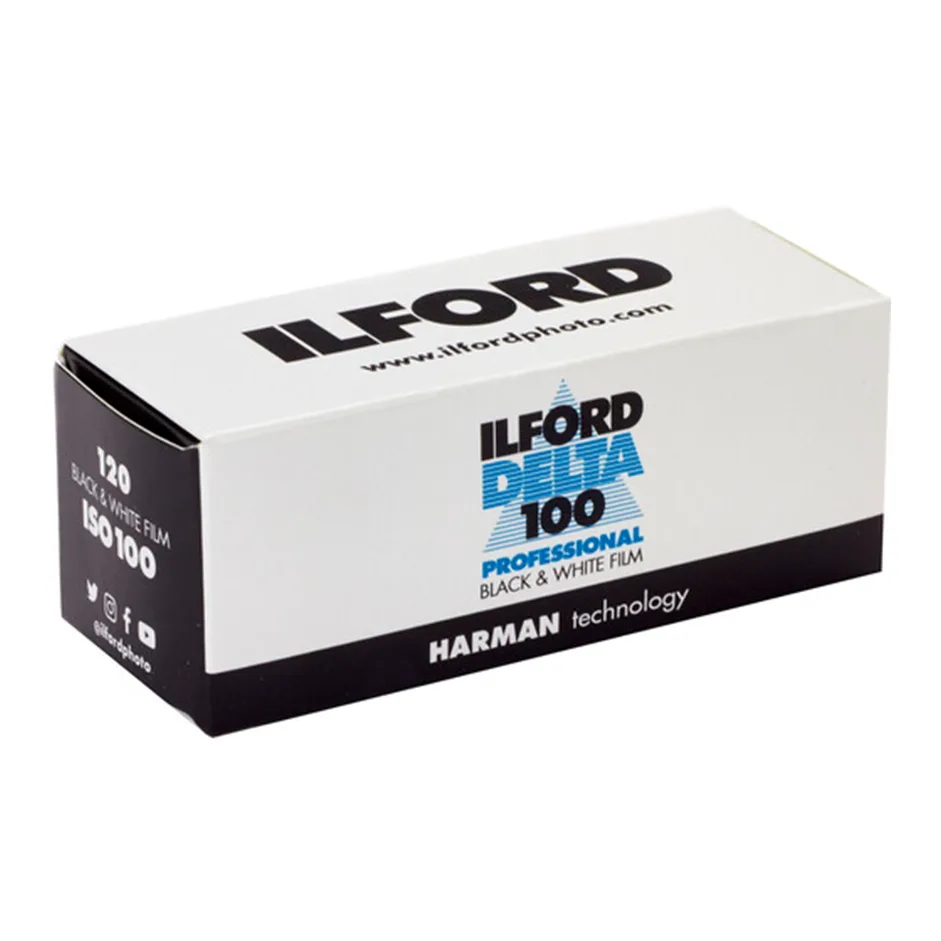
- Ilford Delta 100 Professional Black and White Negative Film - 120 Roll Film (ISO 100): Ilford Delta 100 Professional is a medium-speed black and white negative film with core-shell crystal technology, ISO 100, in 120 roll film, processed in standard black and white chemistry. It is the choice when you want a monochrome negative with very high sharpness and fine grain and you can control the light.
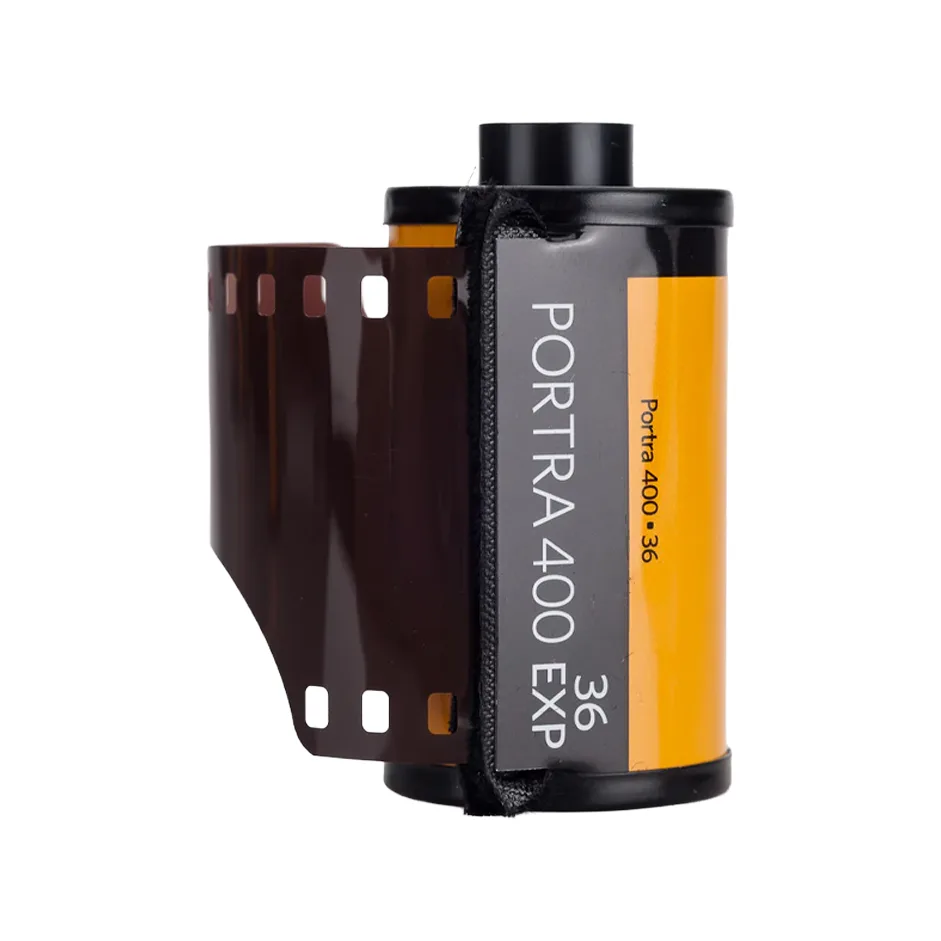
- Kodak Professional Portra 400 Color Negative Film - 35mm Roll Film, 36 Exposures, Single Roll (ISO 400): Kodak Professional Portra 400 is a high-speed daylight-balanced color negative film, ISO 400, in 35mm with 36 exposures, processed in C-41, with very fine grain and VISION film technology. It gives you color, two stops more speed than ISO 100, and a smooth palette with low contrast for accurate skin tones.
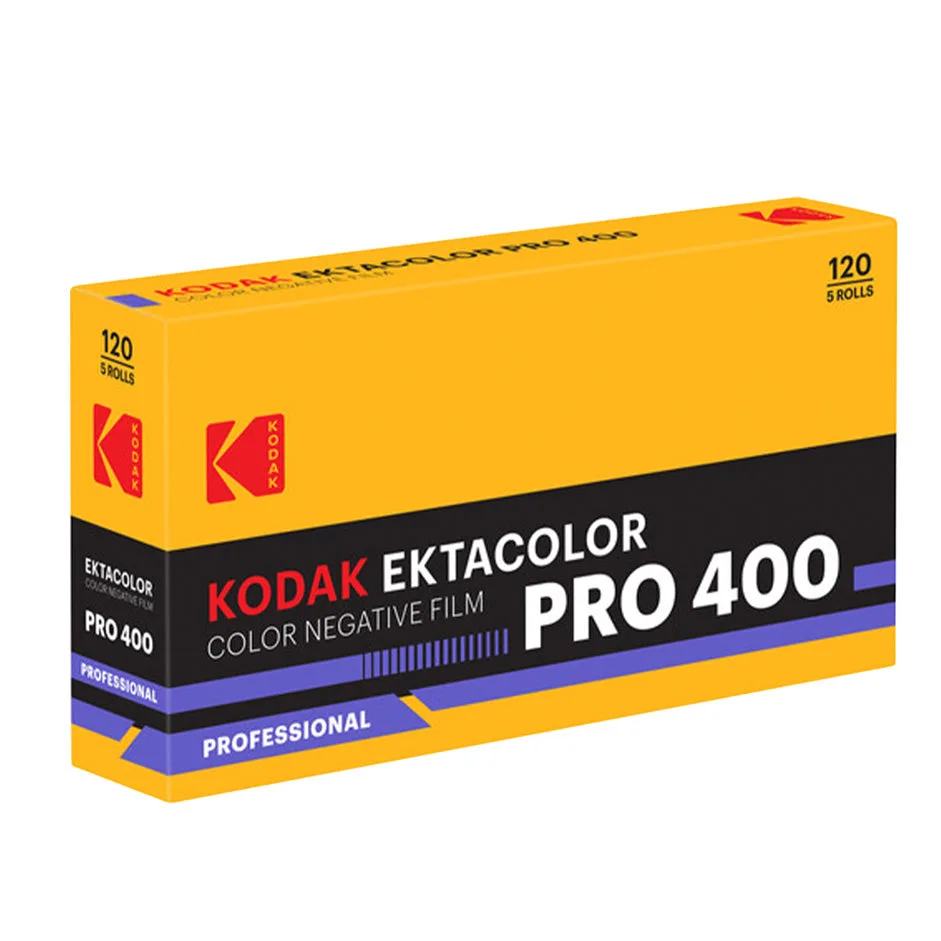
- Kodak EKTACOLOR PRO 400 Color Negative Film - 120 Roll Film, Single Roll (ISO 400): Kodak EKTACOLOR PRO 400 is a daylight-balanced color negative film, ISO 400, in 120 roll film, with ultrafine grain and accurate color reproduction in a range of lighting conditions. If you want ISO 400 color in 120 format, this is the medium-format counterpart to consider alongside Portra 400.
Which film fits your shoot
Best for
- Portraits and everyday color work in changing or dim light, where skin tones and flexibility matter
- Hand-held shooting where you cannot add light or use a tripod
- Photographers who want a color negative they can rely on across a range of conditions
Not for
- Photographers who want black and white tonality and maximum sharpness in bright, controlled light
- Anyone who needs a monochrome negative straight out of the camera
- Shooters who cannot process or send out C-41 color film