Quick answer
A quality herbal postpartum spray uses witch hazel, organic aloe, and calendula to cool, calm, and soothe sensitive perineal tissue — offering fast relief without harsh chemicals.
Why ingredient choice matters for perineal healing
After childbirth, the perineum can be swollen, tender, or torn. A spray’s ingredients directly affect how quickly discomfort fades and whether the area stays clean. Synthetic astringents or fragrances can sting or delay healing, while plant-based ingredients like witch hazel reduce inflammation without irritation.
Trade-off: convenience vs. coverage
Sprays are easy to apply — no sitting, no mixing — but they may not reach deeper tears as thoroughly as a sitz bath or peri bottle. For external soreness, a spray is ideal. For internal stitches, combine with rinsing.
Frequently asked questions about postpartum sprays
How does witch hazel help postpartum?
Witch hazel is a natural astringent that reduces swelling and soothes irritated skin. In a spray, it delivers gentle cooling without alcohol or synthetic additives.
Can I use a spray on stitches or tears?
Yes, most herbal postpartum sprays are safe for external use on episiotomy or tear sites. Hold the bottle 4–6 inches away and spray directly. Avoid deep internal application unless directed by your provider. Always check the label for usage instructions. When in doubt, ask your midwife or doctor.
How often should I apply a postpartum spray?
Apply after each bathroom visit or pad change — generally 4–6 times per day. This keeps the area clean, cool, and comfortable throughout the early healing phase.
Featured product
-
Herbal Postpartum Spray: This Herbal Spray cools and calms a sensitive, aching perineum with a blend of natural, plant-based ingredients including witch hazel, organic aloe, and calendula. You get immediate cooling relief from witch hazel plus the soothing and moisturizing benefits of aloe and calendula — all in one ready-to-use bottle.
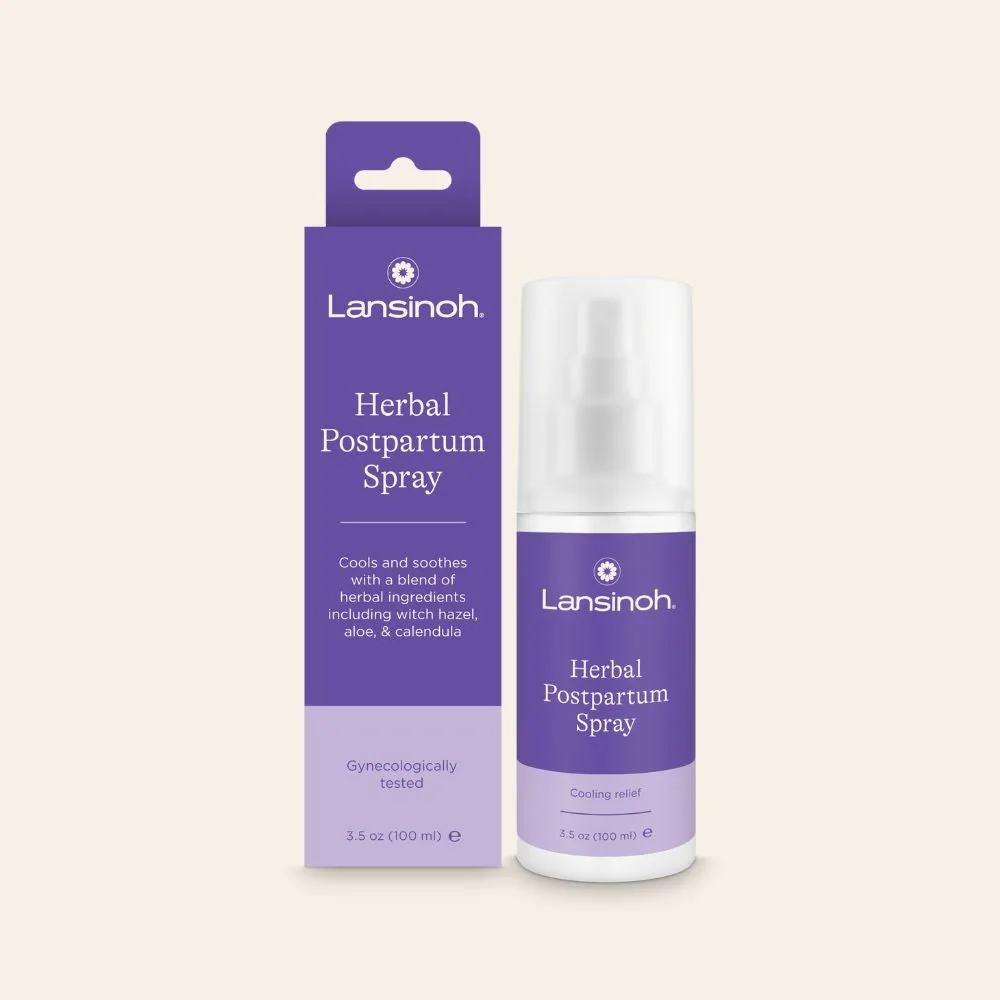
Herbal Postpartum Spray