Quick answer
Wash kitchen towels after every one to two days of use and replace them once they stay damp, smell sour after washing, or thin out enough to stop absorbing. Replace pot holders when scorch marks reach the padding, when the quilted layers separate, or when a hole exposes the inside. Fabric that is merely stained or faded can often be kept with a stain soak or a repair, so diagnose the symptom before you buy.
Kitchen textiles are the hardest-working items in the room, and they fail in specific, diagnosable ways. A towel that smells sour an hour after washing is not the same problem as a pot holder with a scorched edge, and they do not have the same fix. Working through the symptom, the likely cause, and the corrective action keeps you from replacing things that just need a better wash or a quick repair.
This guide walks through the most common complaints for pot holders and kitchen towels, then tells you the point where care stops helping and replacement is the smarter move. If you keep two or three of each in rotation, a single worn-out item never forces a rushed purchase.
Why kitchen textiles wear out faster than you expect
Towels and pot holders cycle through heat, grease, water, and repeated laundering. Cotton loops flatten, quilting stitches loosen, and padding compresses until it no longer blocks heat the way it did when new. None of that means the item was low quality; it means the material has done its job many times over.
The practical takeaway is rotation. If you own three towels and two pot holders and use the same one every day, it will look tired in weeks. Spreading use across a small set gives each piece time to dry fully between turns, which is the single biggest factor in how long kitchen textiles stay fresh.
- Keep at least three kitchen towels and two pot holders in active rotation
- Let each piece dry completely before it goes back in the drawer
- Wash before stains set, not after they have baked in
Symptom: towels smell sour right after washing
Sour smell after a wash almost always means oils or detergent residue are trapped in the fibers, not that the towel is dirty in a visible way. Grease from drying pans and hands builds up in cotton loops, and a cool, short cycle cannot lift it out. The residue holds moisture, and moisture is what smells.
Correct this with a hot wash, a full dose of detergent, and no fabric softener, which coats fibers and makes the problem worse. Add a half cup of white vinegar to the rinse cycle if your machine supports it. If the smell returns after two hot washes, the fibers have likely held onto residue long enough that replacement is the better answer.
- Skip fabric softener on kitchen towels entirely
- Wash towels separately from greasy kitchen rags when possible
- Two hot washes without improvement is your replacement signal
Symptom: towels stay damp and stop absorbing
A towel that pushes water around instead of soaking it up has usually been over-softened or dried on high heat until the cotton fibers matted. Both are care problems, not age problems, and both are reversible if you catch them early. A vinegar rinse followed by a low dryer setting often restores absorbency.
If the towel still beads water after that treatment, the weave has compacted past the point of recovery. Thin, slick towels also dry slowly because there is less material to hold water, which is why they feel damp even after a full cycle. At that stage, keep the towel for dusty jobs and bring a fresh one into the kitchen.
- Dry on low or medium; high heat is what mats cotton loops
- A towel that beads water after a vinegar rinse is done as a kitchen towel
- Retire slick towels to cleaning rags rather than throwing them out
Symptom: pot holders are scorched, stiff, or separating
Scorch marks on the surface are normal and usually harmless. Scorch marks that have burned through to the padding are not, because the padding is the part that actually blocks heat. Once heat reaches the inside, the pot holder can transfer warmth to your hand even though the outside looks intact.
Stiffness and separation are the other warning signs. When quilting stitches pull apart, the layers shift and leave thin spots that heat passes through. A small loose seam can be stitched back down, but a pot holder with exposed batting, a hole, or a hard, brittle feel has stopped doing its job. Replace it rather than risking a burn.
- Retire any pot holder where scorching has reached the padding
- Re-stitch small seam separations before the layers shift further
- Never use a pot holder with exposed batting near an open flame
How to wash kitchen towels and pot holders without shortening their life
Washing kitchen towels is straightforward once you drop the habits that damage them. Use hot water for towels, warm for pot holders, and a normal detergent dose. Skip bleach on printed or dyed designs, since it fades the pattern long before the fabric wears out. Tumble dry low and pull items out slightly damp to cut static and preserve the weave.
Pot holders need one extra step: check the care label and the construction before the first wash. Quilted cotton pot holders generally handle machine washing well, but anything with a coated back, a rigid insert, or decorative trim may not. When a care label is missing or silent on machine washing, hand wash in warm water and air dry rather than guessing.
- Hot wash for towels, warm wash for pot holders
- No bleach on printed designs; no softener on anything that absorbs
- Air dry pot holders with coated backs or rigid inserts
When to repair, when to repurpose, and when to replace
Repair makes sense for structural problems that are small and localized: a loose hem, a pulled quilting stitch, a single frayed corner. Repurpose makes sense for textiles that are clean and intact but no longer good at their original job, like a towel that has gone slick. Replacement is the right call when the item fails at its core function, meaning it no longer absorbs or no longer insulates.
A simple rule: if the problem is on the surface, treat it. If the problem is in the material, replace it. Stains, fading, and mild stiffness are surface issues. Compressed padding, matted fibers, persistent odor, and exposed batting are material issues, and no amount of washing brings those back.
- Surface problem: stain soak, vinegar rinse, or a quick stitch
- Material problem: replace and move the old item to utility use
- Buy two replacements at once so you are never down to one
Diagnose before you replace
- Sour smell after washing: Trapped oils and detergent residue in the fibers. Wash hot with full detergent, skip softener, and add a vinegar rinse. If the smell returns after two hot washes, replace the towel.
- Towel pushes water instead of soaking it: Over-softening or high-heat drying has matted the cotton loops. Try a vinegar rinse and low drying first. Still beading water after treatment means the towel is done as a kitchen towel.
- Scorch marks on a pot holder: Surface scorching is normal. Scorching that has reached the padding means heat is getting through. Replace any pot holder where the burn has reached the inside.
- Separated quilting or exposed batting: Shifted layers create thin spots that transfer heat. A small loose seam can be stitched; exposed batting cannot be fixed. Stop using it near heat and replace it.
- Stains, fading, or a loose hem: Cosmetic or minor structural issues that do not affect absorbency or insulation. Treat or repair these; no need to replace.
Kitchen textiles worth knowing about
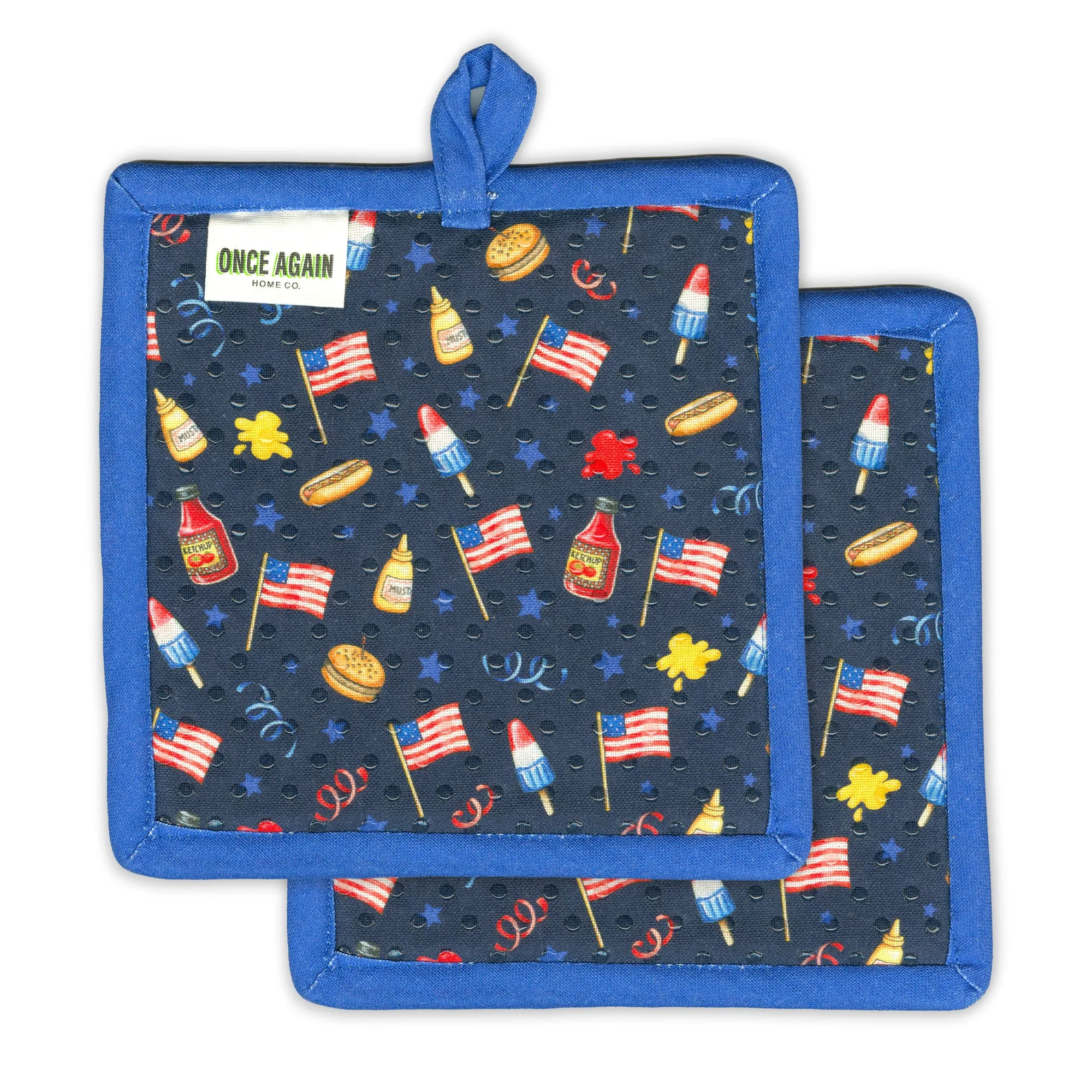
- Cookout Pot Holders: Sustainably made with recycled materials and yarn-dyed for everyday cooking, created in collaboration with the White House Historical Association for the America 250 celebration. A yarn-dyed, recycled-material pot holder is a practical everyday piece, and the Americana design makes it a reasonable keepsake rather than a purely disposable kitchen item.
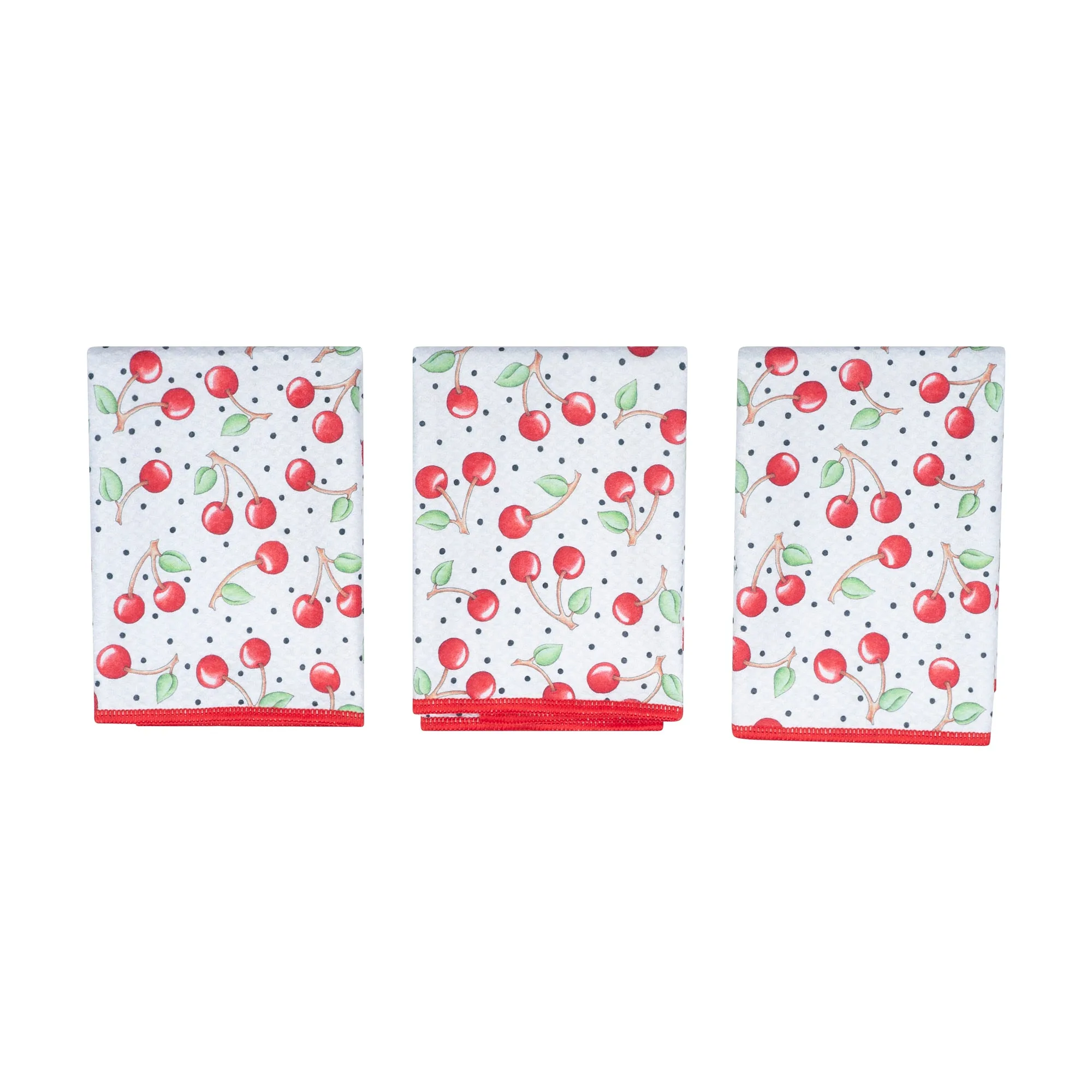
- Cherry Harvest Mighty Mini Towel Set: A set of three mini towels described as ultra-absorbent and sized for quick cleanups, drying hands, or wiping counters without the bulk. Smaller towels dry faster between uses, which directly addresses the damp-towel problem, and a set of three makes rotation easy without buying one at a time.
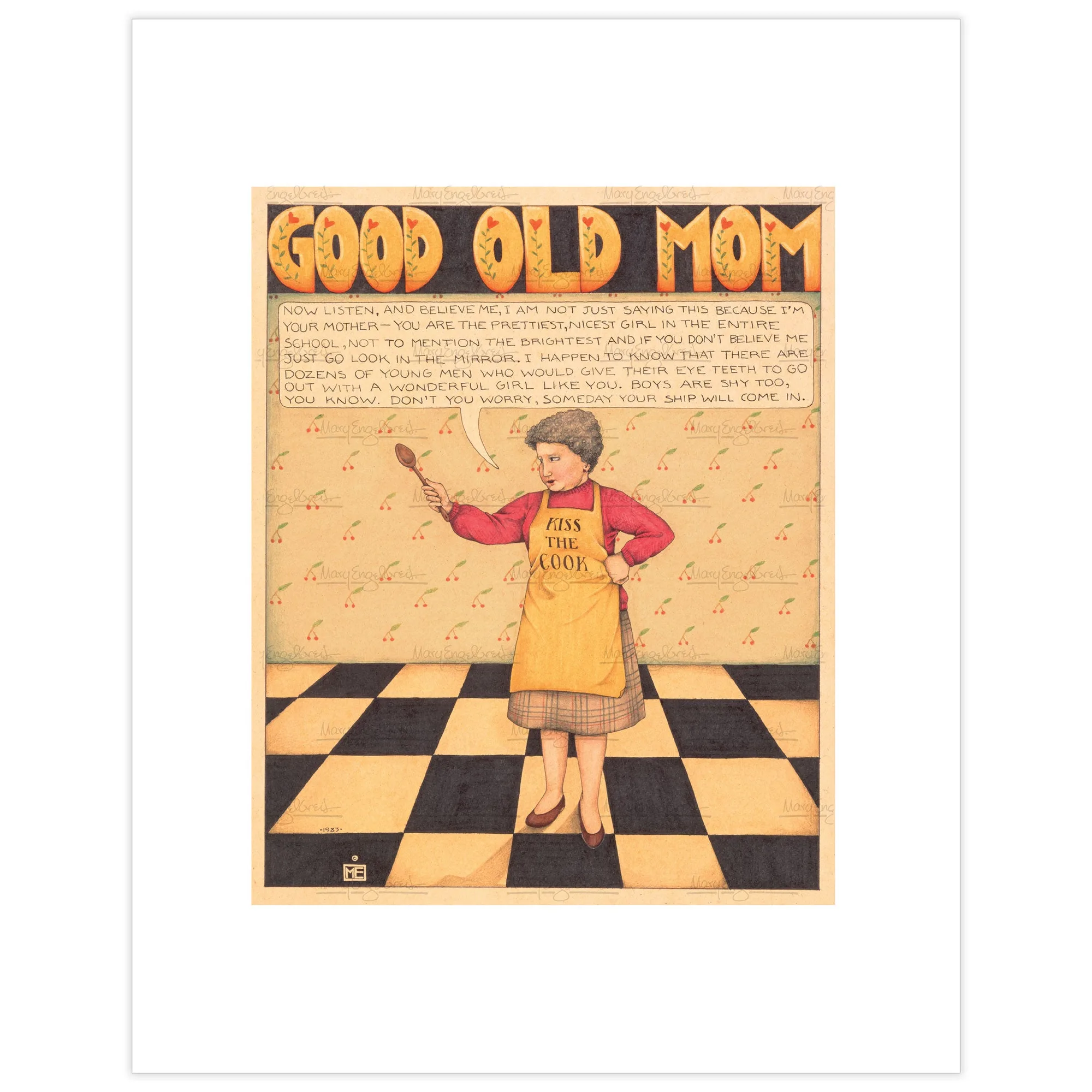
- Nothing Is Impossible Fine Art Print: Printed on high-quality textured paper in a standard frame size, reading "Nothing is impossible. Why, the word itself says 'I'm Possible!'" and available with Mary's signature. If you are refreshing a kitchen wall while you replace worn textiles, a standard-frame-size print is easy to hang without custom framing.
Most kitchen textile problems come down to care, not age. Wash towels hot and often, dry everything on low, and keep a small rotation so nothing stays damp. When a towel stops absorbing or a pot holder stops insulating, that is your signal to replace it, and having a spare on hand means the decision never has to be rushed.