Potassium and magnesium are two essential minerals that work together to support muscle function, nerve signaling, and heart health. Many people wonder whether it's better to take them as a combined supplement or separately. This comparison will help you weigh the pros and cons of each approach.
In this article, we'll explore the benefits of taking potassium and magnesium together, the potential downsides of separate supplements, and how to decide which method fits your lifestyle and health needs.
Why Potassium and Magnesium Work Well Together
Potassium and magnesium are both electrolytes that play critical roles in maintaining cellular function. Magnesium helps regulate potassium levels inside cells, which is essential for proper muscle contraction and nerve transmission. Without adequate magnesium, potassium cannot be effectively utilized by the body, potentially leading to muscle cramps and fatigue.
Taking them together in a single supplement ensures a balanced ratio that supports optimal absorption and synergy. This combination is particularly beneficial for athletes or active individuals who lose both minerals through sweat and need to replenish them efficiently.
- Magnesium helps activate enzymes that regulate potassium transport.
- Combined use may support better hydration and muscle recovery.
- A balanced ratio can prevent imbalances that occur when taking one mineral without the other.
Pros and Cons of Combined Capsules
Combined potassium magnesium capsules offer convenience and simplicity. You take one supplement instead of two, which reduces the risk of forgetting a dose and simplifies your routine. This can be especially helpful for people who travel frequently or have busy schedules.
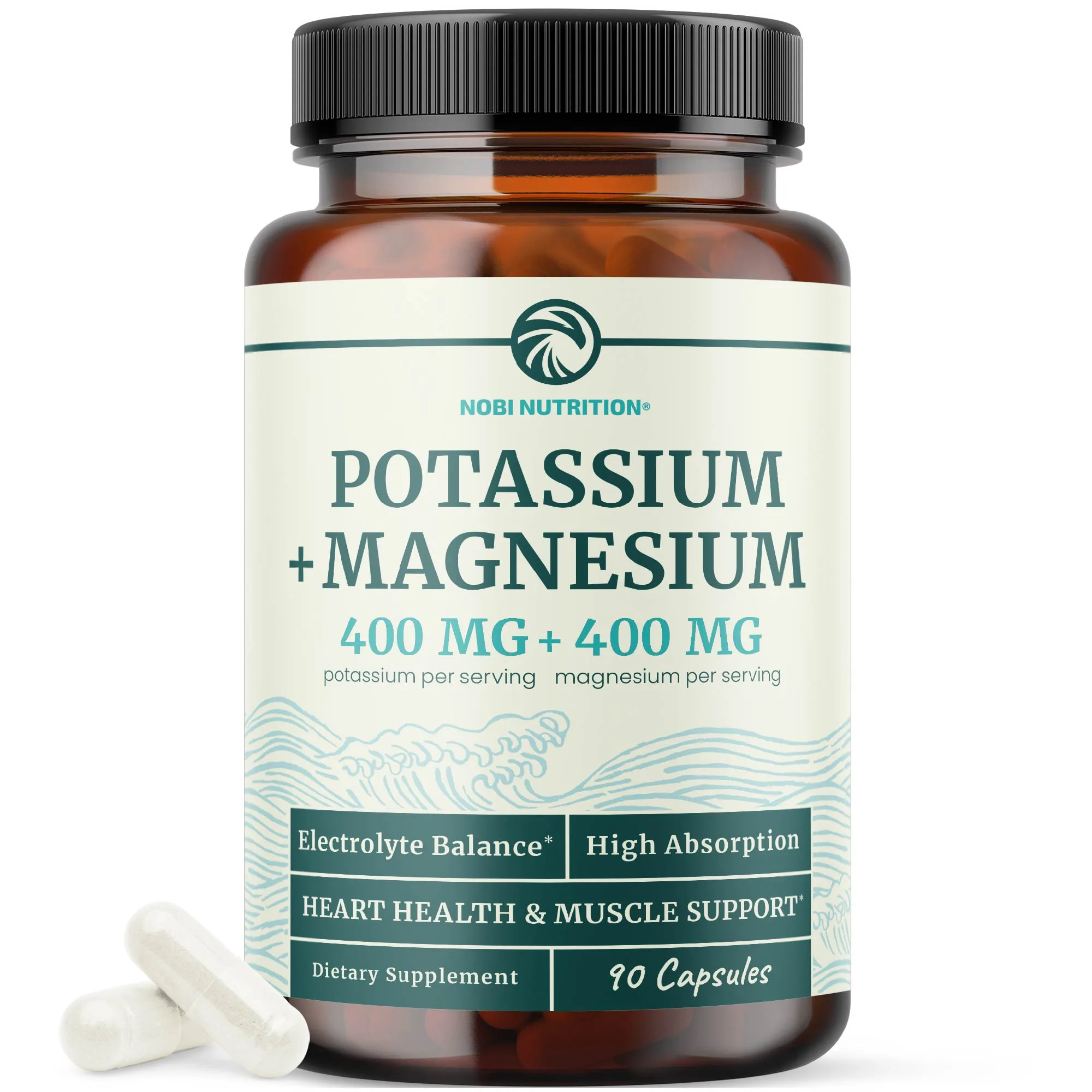
potassium magnesium capsules
However, combined formulas may have fixed ratios that might not meet your individual needs. If you require a higher dose of one mineral over the other, a combination might not be ideal. Additionally, some combined products may include lower doses of each mineral to avoid exceeding safe limits, which could be insufficient for those with significant deficiencies.
- Convenient: one pill instead of two.
- Simplifies daily routine and reduces pill burden.
- Fixed ratios may not suit everyone's needs.
Pros and Cons of Separate Supplements
Taking potassium and magnesium separately allows you to customize your dosage based on your specific requirements. For example, you might need extra magnesium for muscle recovery but only a modest amount of potassium. Separate supplements give you that flexibility.
On the downside, managing two different products can be more cumbersome and may increase the risk of missing a dose. It also means more bottles to purchase and track, which can be less cost-effective in some cases. Additionally, taking them at different times might be necessary to avoid competition for absorption, which adds another layer of complexity.
- Customizable dosages to meet individual needs.
- Flexibility to adjust one mineral without affecting the other.
- Requires more organization and may be less convenient.
Absorption and Timing Considerations
Absorption is a key factor when deciding between combined and separate supplements. Magnesium and potassium are both absorbed in the intestines, but they may compete for the same transport mechanisms. Taking them together could reduce absorption efficiency, although many combined formulas are designed to minimize this interaction.
Separate supplements allow you to time them differently—for instance, taking magnesium at night for relaxation and potassium in the morning for energy. This can optimize their individual benefits. However, research suggests that the body can handle both minerals simultaneously without major issues for most people.
- Consider taking magnesium in the evening and potassium in the morning for best results.
- Combined capsules are convenient but may slightly reduce absorption.
- Consult a healthcare provider to determine the best timing for your needs.
Cost and Value Comparison
When comparing costs, combined capsules often represent better value because you purchase one product instead of two. However, separate supplements may allow you to buy larger quantities of each mineral, potentially reducing the cost per dose if you need higher amounts.
It's important to compare the actual milligrams of each mineral per serving, not just the price per bottle. A combined supplement with lower doses might require taking multiple capsules, which could negate the convenience benefit. Always check the label to ensure you're getting adequate amounts.
- Combined capsules typically cost less than buying two separate products.
- Compare the cost per milligram of each mineral to make an informed choice.
- Consider your budget and specific dosage needs.
Making the Right Choice for Your Health
Ultimately, the decision between potassium magnesium capsules and separate supplements depends on your health goals, lifestyle, and budget. If you're looking for convenience and simplicity, a combined supplement like Magnesium Citrate Complex Capsules might be ideal. This product provides magnesium in a well-absorbed form, though it doesn't include potassium, so you might need to add a separate potassium source.
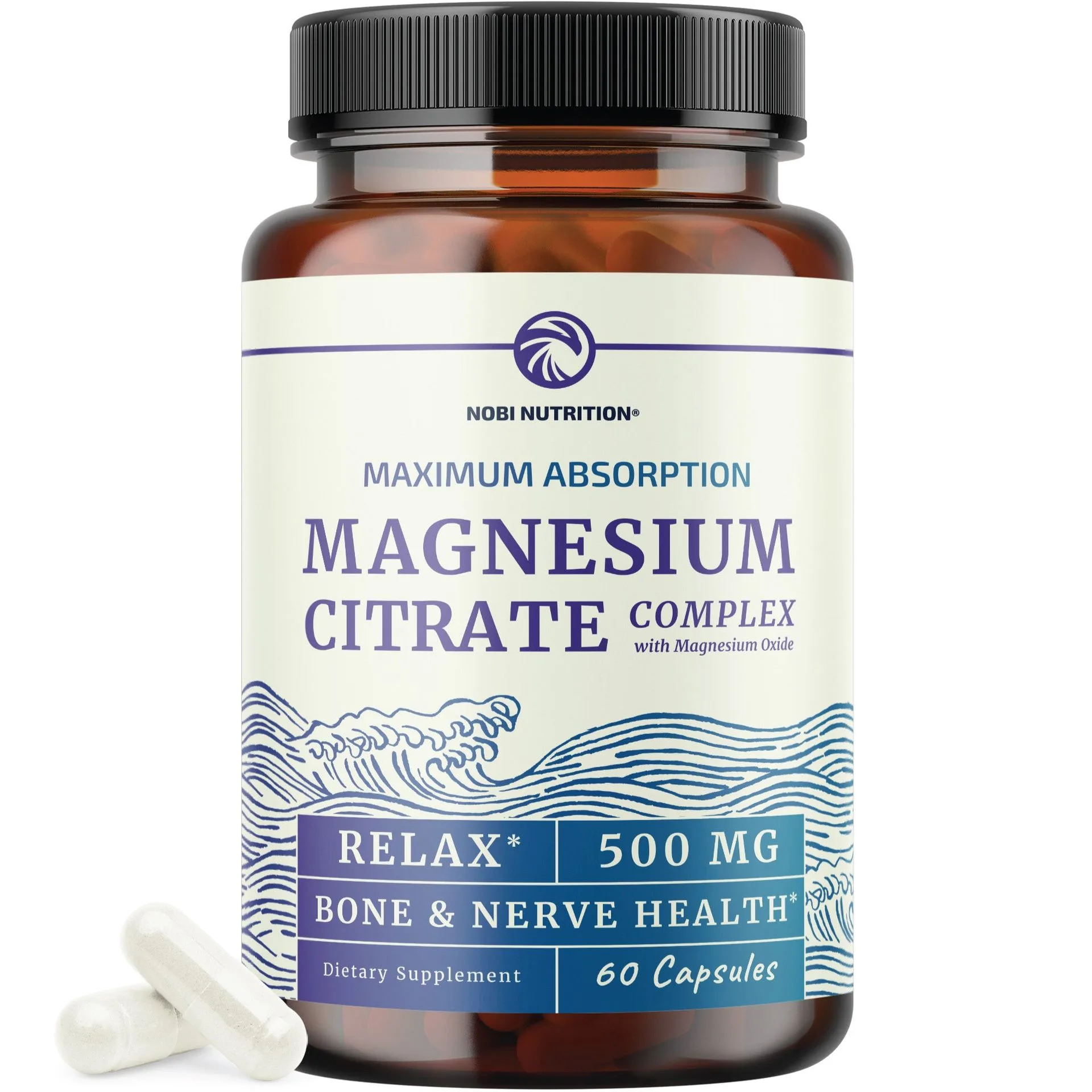
Magnesium Citrate Complex Capsules
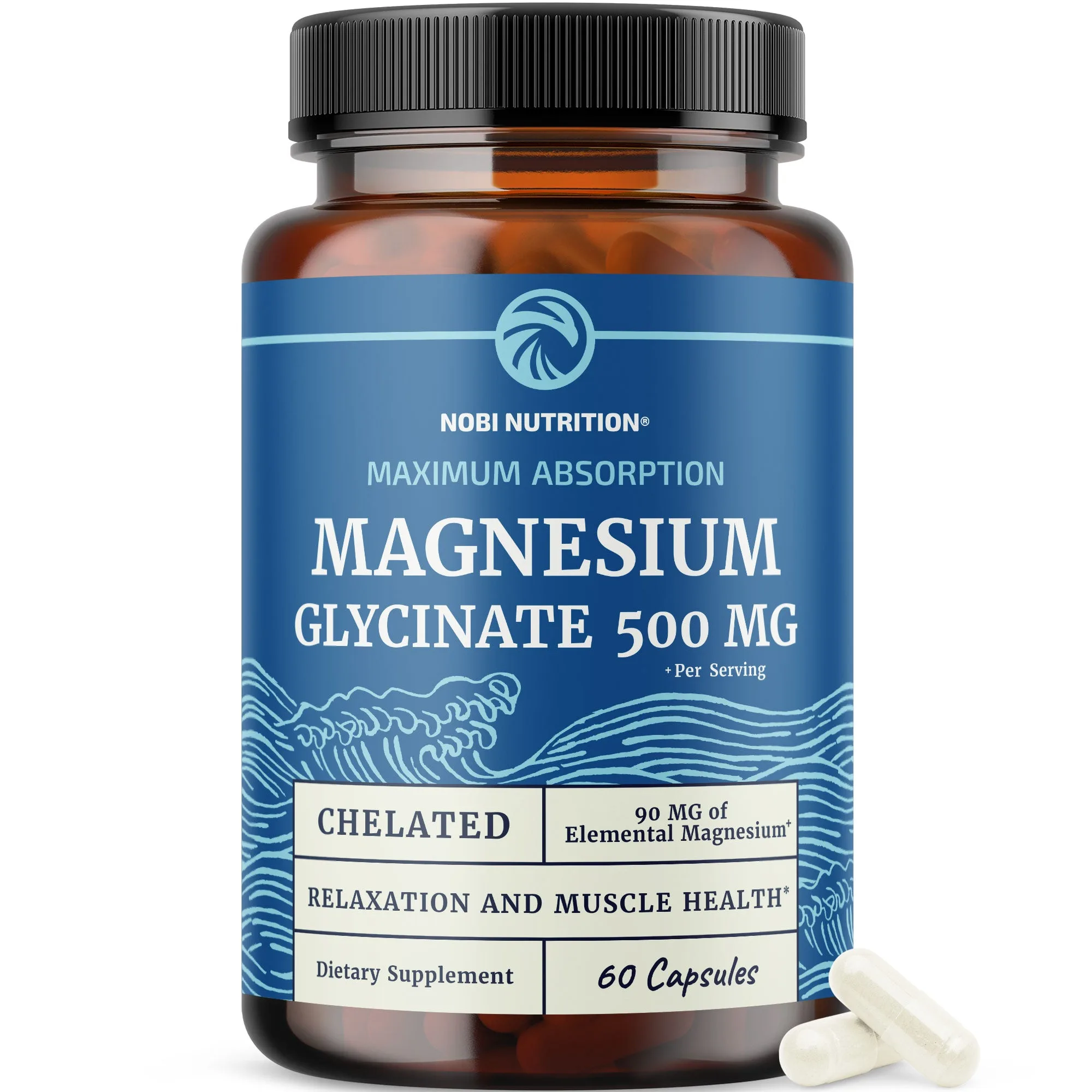
For those who prefer a combined approach, consider a product that includes both minerals, but ensure it meets your daily requirements. Alternatively, if you want to customize your intake, you could pair a quality magnesium supplement like Magnesium Bisglycinate 500mg Capsules with a potassium supplement, giving you full control over dosages.
- Evaluate your dietary intake of potassium and magnesium.
- Consult a healthcare professional before starting any new supplement regimen.
- Choose a product that aligns with your health objectives.
In the debate between potassium magnesium capsules and separate supplements, there's no one-size-fits-all answer. Both options have their merits, and the best choice depends on your personal needs and preferences. If you prioritize convenience, a combined formula may be the way to go; if you require flexibility, separate supplements offer more control. Whichever you choose, ensure you're getting adequate amounts of both minerals to support your overall health.