Quick answer
Start puppy potty training by taking your puppy out or to the pad every 1–2 hours, plus immediately after waking, eating, drinking, and playing. Keep meals on a fixed schedule, supervise constantly, and clean accidents with an enzymatic cleaner so the spot doesn't keep attracting your puppy back.
Puppy potty training works best when you stop thinking of it as teaching one behavior and start treating it as managing a schedule. A young puppy has a small bladder and very little warning time, so your job is to get ahead of the accident instead of reacting to it.
The plan below covers pads, timing, supervision, and the specific mistakes that stretch house training from a couple of weeks into a couple of months. It's written for real households with jobs, other pets, and imperfect floors.
Decide where you want your puppy to go
Before you buy anything, pick the long-term bathroom spot. If you want your adult dog going outside, start taking the puppy outside from day one. If you live in an apartment, have a puppy who isn't fully vaccinated, or need a backup for bad weather, potty pads for puppies make sense as a transitional tool. The mistake is mixing both randomly: sometimes the pad, sometimes the yard, sometimes the hallway rug. That teaches your puppy that soft indoor surfaces are all fair game.
If you use pads, put them in one consistent location and don't move them around. If you plan to transition to outdoor pottying later, gradually move the pad toward the door and then outside. Puppies learn location faster than they learn rules, so consistency of place matters more than any particular product.
- Choose one primary potty spot and one backup spot, no more.
- If you're using pads, keep them in the same place every single time.
- If you're going outside, go out the same door every time.
Build a realistic puppy training schedule
A workable puppy training schedule is built around meals, sleep, and play, not clock times alone. Feed at the same times each day and pick up the bowl after 15–20 minutes. Free feeding makes potty timing unpredictable because your puppy is constantly digesting. Puppies typically need to eliminate within 5–30 minutes of eating, so plan a potty break right after each meal.
Take your puppy out or to the pad every 1–2 hours during the day, plus immediately after waking from any nap, after play sessions, and right before bed. Overnight, expect at least one middle-of-the-night break for a young puppy. If your puppy is waking every two hours at night, that's normal early on; if it continues past a few weeks, check whether you're feeding or watering too close to bedtime.
- Meals at fixed times, bowl up after 15–20 minutes.
- Potty break within 5–30 minutes after every meal.
- Last water a couple of hours before bed for most puppies.
Supervise, contain, and reward
Supervision means eyes on the puppy, not just the puppy in the same room. Use a leash attached to you, a crate, or a small pen when you can't watch directly. Every unsupervised minute is a chance to practice going in the wrong place, and every repetition makes that spot more likely to be used again.
When your puppy goes in the right spot, reward within a second or two of finishing. Praise, a small treat, or a quick play session all work. Don't wait until you're back inside to reward, because the puppy won't connect the treat to the act. If you're using a pad, reward right at the pad.
- Use a crate, pen, or leash tether when you can't watch.
- Reward within 1–2 seconds of the puppy finishing.
- Keep the reward small so it doesn't disrupt the next potty cycle.
Handle accidents without setting yourself back
When you find an accident, clean it with an enzymatic or pet-specific cleaner rather than a general household spray. Residual scent tells your puppy this is a bathroom spot. Don't punish after the fact; puppies don't connect a correction to something they did minutes ago, and scolding can make them hide to potty, which is much harder to fix.
If you catch your puppy mid-accident, interrupt calmly and move them to the right spot, then reward if they finish there. If accidents keep happening in the same place, block access to that area, add more frequent breaks, and check whether the puppy is getting too much freedom too soon.
- Clean with a pet-specific or enzymatic cleaner, not just soap.
- Never punish after the fact; it teaches hiding, not house training.
- If one spot keeps getting used, block it and increase break frequency.
Common puppy potty mistakes that slow progress
The biggest puppy potty mistakes are giving too much freedom too early, free feeding, inconsistent pad placement, and cleaning with the wrong product. Another common one is expecting a puppy to signal clearly. Most puppies don't have a reliable signal until house training is nearly done, so waiting for a whine or a door scratch means you're already late.
A second pattern is switching methods mid-stream. If you start with pads and then suddenly expect only outdoor pottying without a transition, expect accidents. Move the pad gradually, keep the schedule the same, and give the change a week or two before deciding it isn't working.
- Don't wait for a signal; take the puppy on schedule.
- Don't switch from pads to outdoors abruptly.
- Don't expand your puppy's free-roam area until accidents stop for at least a week.
Puppy potty training steps
- Step 1: Pick one potty location: Choose the pad spot or the outdoor spot and use it every time. Don't alternate between the pad, the yard, and a random rug. Checkpoint: if you can't name the exact spot, you're not ready to start.
- Step 2: Set fixed meal times: Feed at the same times daily and remove the bowl after 15–20 minutes. Free feeding makes potty timing unpredictable. Checkpoint: you should be able to predict a potty break within 5–30 minutes of each meal.
- Step 3: Take breaks every 1–2 hours: Add breaks after waking, eating, drinking, and playing, plus one overnight. Use a leash or carry the puppy to the spot so there's no wandering. Checkpoint: if accidents cluster at a certain time, add a break just before it.
- Step 4: Supervise or contain: Keep the puppy on a leash, in a crate, or in a small pen when you can't watch directly. Freedom is earned after a week or more without accidents. Checkpoint: an unsupervised puppy is a rehearsal for the wrong behavior.
- Step 5: Reward within seconds: Praise, a small treat, or a brief play session immediately after the puppy finishes in the right spot. Don't wait until you're back inside. Checkpoint: if the reward comes late, the puppy won't connect it to pottying.
- Step 6: Clean accidents correctly: Use an enzymatic or pet-specific cleaner on urine and stool spots. Skip ammonia-based products, which can smell like urine to a dog. Checkpoint: if the same spot keeps getting used, the cleaner or the access isn't working.
- Step 7: Expand freedom slowly: Add one room at a time only after a week or more with no accidents. Keep the schedule the same while you expand the space. Checkpoint: a new accident means you expanded too fast, not that training failed.
Products that help with puppy potty training
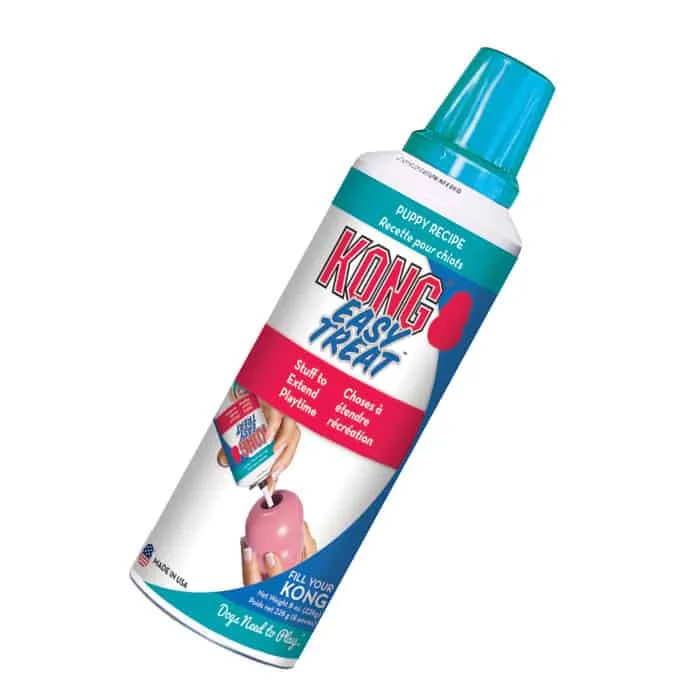
- KONG® Easy Treat Puppy Paste 8 oz: KONG Puppy Easy Treat is a chicken liver recipe made for puppies, with a nozzle designed to control how much you dispense. A controlled, high-value reward makes it easier to reward immediately after your puppy potties in the right spot without overfeeding.
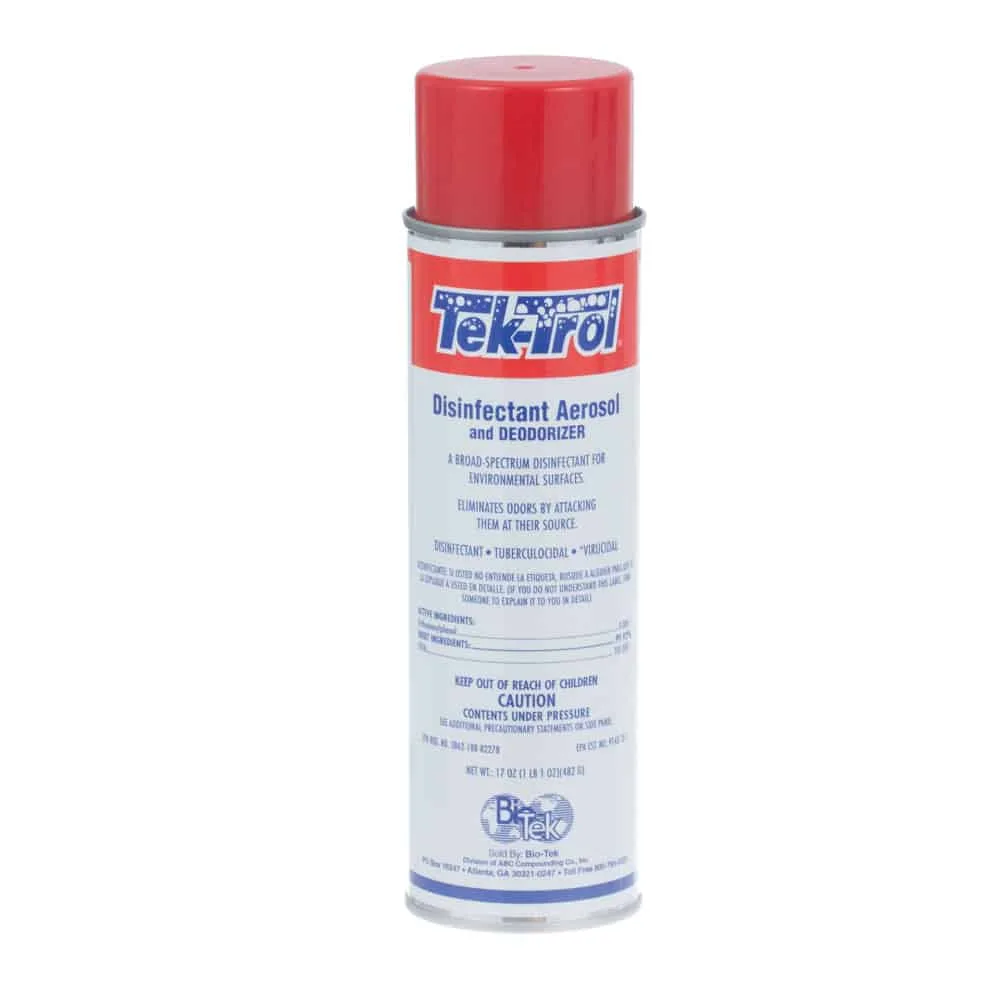
- Tek-Trol Disinfectant Aerosol and Deodorizer 17 oz: Tek-Trol is a broad-spectrum disinfectant aerosol that helps kill viruses, bacteria, and odors on environmental surfaces in homes and animal care areas. Useful for cleaning crates, pens, and hard floors during house training, though it isn't a substitute for an enzymatic cleaner on urine spots.
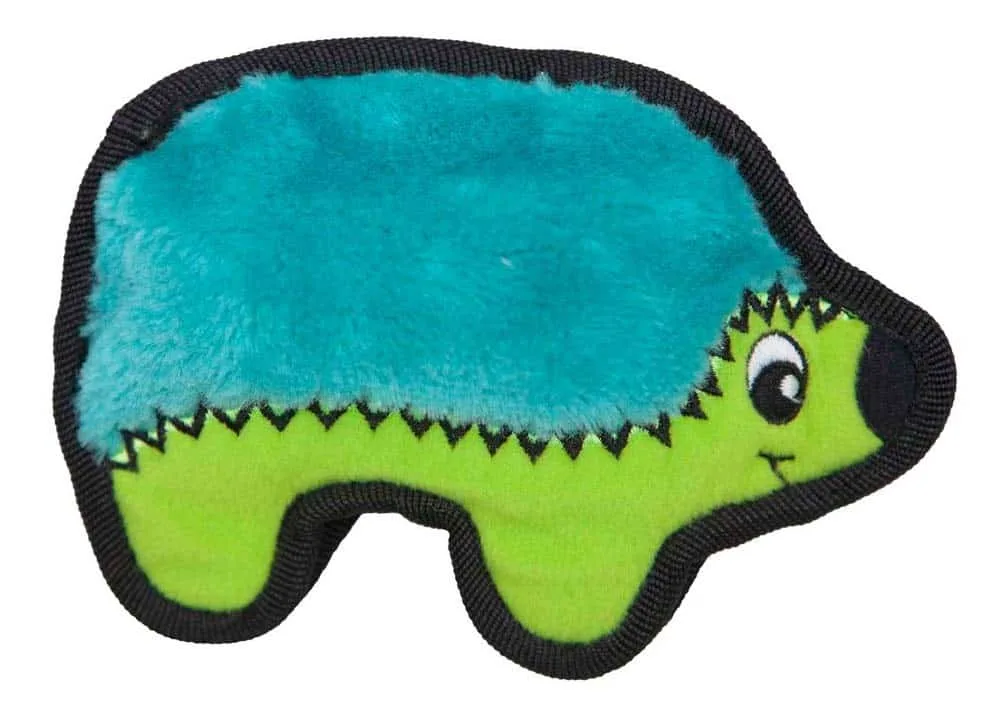
- Invincibles® Mini Hedgehog Dog Toy: This stuffing-less toy keeps squeaking even after being punctured, so the squeaker doesn't go quiet. A short, engaging play session right after a successful potty break is a strong reward for puppies who aren't food-motivated.
Puppy potty training is mostly schedule, supervision, and cleanup done consistently. Pick one spot, feed on a fixed timetable, take breaks before accidents happen, and reward fast. If you're using pads as a bridge to outdoor pottying, move them gradually and keep everything else the same.