Quick answer
If your priority is recording 4K video with a compact, self-contained camera, the PowerShot V1 is the practical choice. If you mainly shoot stills and want a lightweight, large-aperture prime for portraits and low light, the RF50mm f/1.8 STM is the better fit. They serve different jobs, so the right pick depends on whether you are building a vlogging kit or a stills kit.
How the two cameras differ in practice
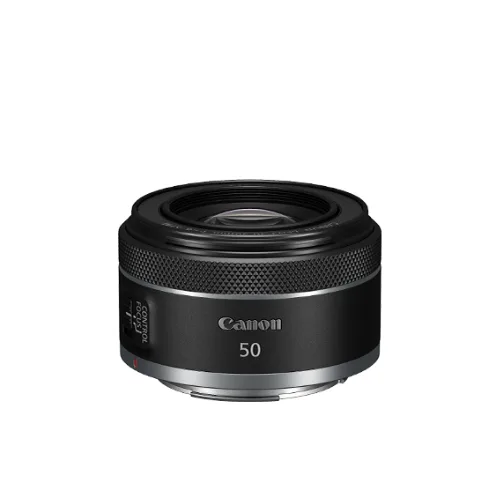
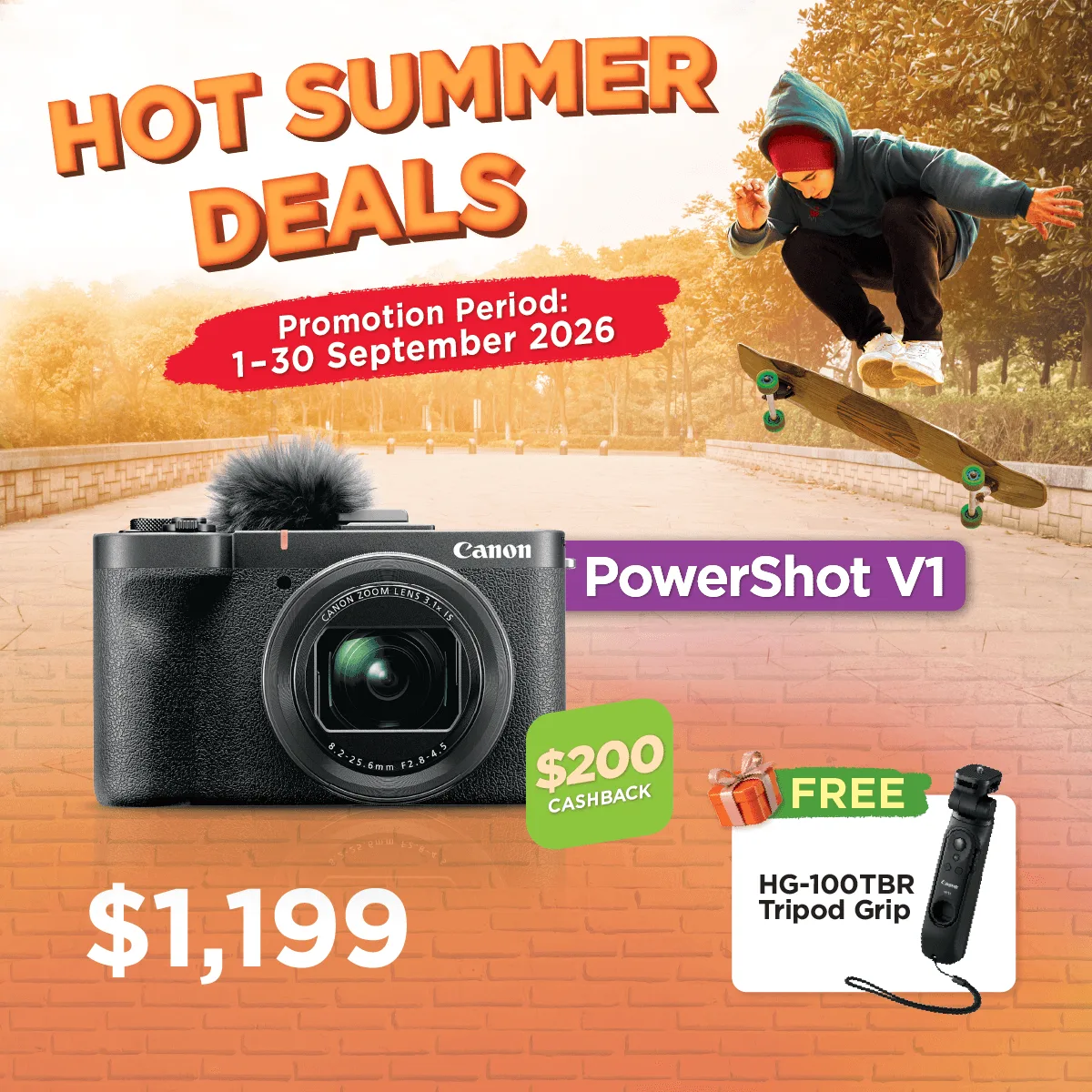
The PowerShot V1 is a complete camera with a built-in ultra-wide zoom lens, a 1.4-inch 22.3MP CMOS sensor, image stabilisation, and Dual Pixel CMOS AF II for PowerShot. It records 4K UHD video and is designed to be carried and used on its own. The RF50mm f/1.8 STM is a lens for Canon RF-mount bodies, not a standalone camera. It offers a 50mm focal length, an f/1.8 maximum aperture, 0.25x macro magnification, and a lightweight, compact build. Because it is a prime, it does not zoom; you frame by moving. That difference shapes everything: one is a grab-and-go video tool, the other is a stills-oriented lens that needs a camera body to work.
What each option is actually good at
The PowerShot V1 suits run-and-gun video: its stabilisation helps handheld clips, and the ultra-wide zoom lets you reframe without swapping gear. The RF50mm f/1.8 STM suits deliberate stills: the f/1.8 aperture gathers more light for low-light shooting and produces shallower depth of field, which is useful for separating a subject from the background in portraits. Its 0.25x macro magnification also lets you get closer to small details than a typical kit zoom. Neither is a substitute for the other—one captures motion easily, the other captures light and depth easily.
A second vlogging option and a premium prime
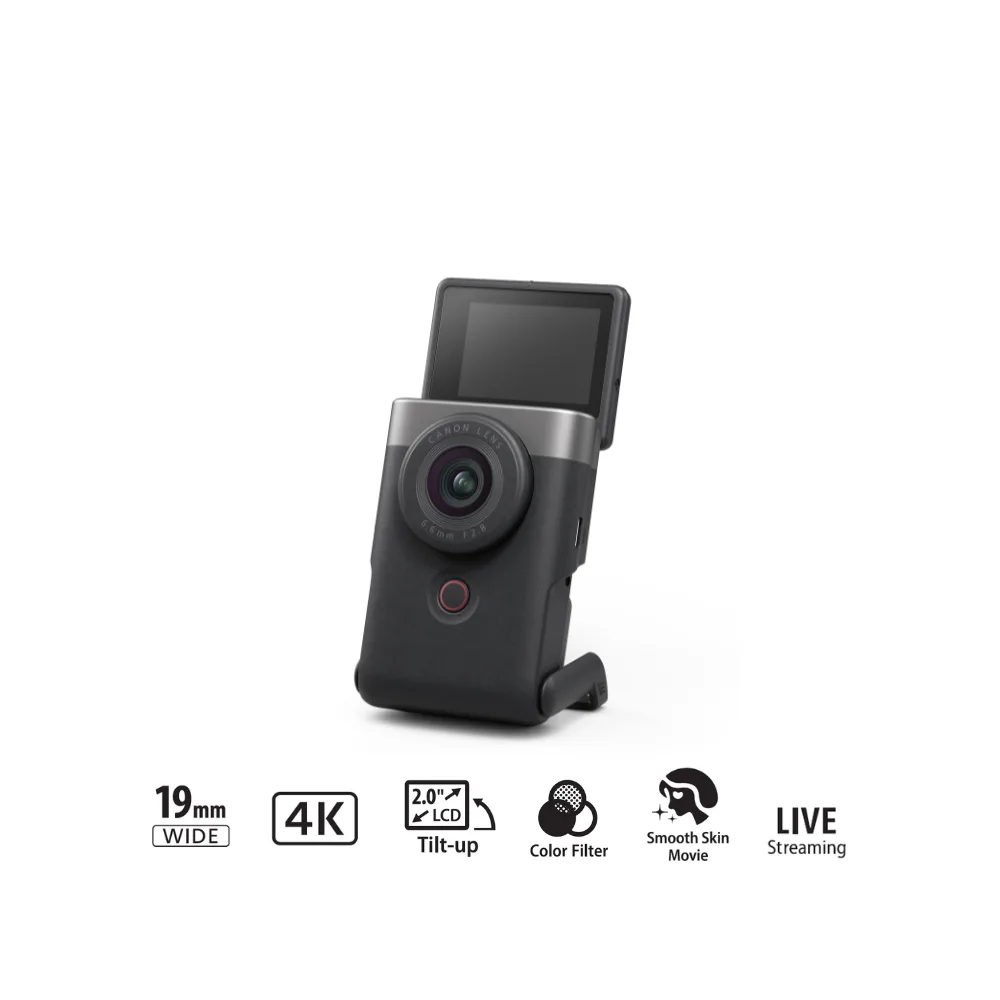
If the PowerShot V1 is more camera than you need, the PowerShot V10 is a smaller, lighter alternative with a 1.0-inch CMOS sensor with DIGIC X, a built-in stand and microphone, and 4K video. It is available in multiple colours and is easier to carry every day. At the other end, the RF50mm f/1.2L USM is a professional-grade prime with an f/1.2 maximum aperture and a 10-blade diaphragm for smooth, near-circular bokeh, plus Air Sphere Coating. It is heavier and much more expensive, but it gives you more control over depth of field and low-light performance than the f/1.8 version. Choose based on how much you value portability versus aperture and build.
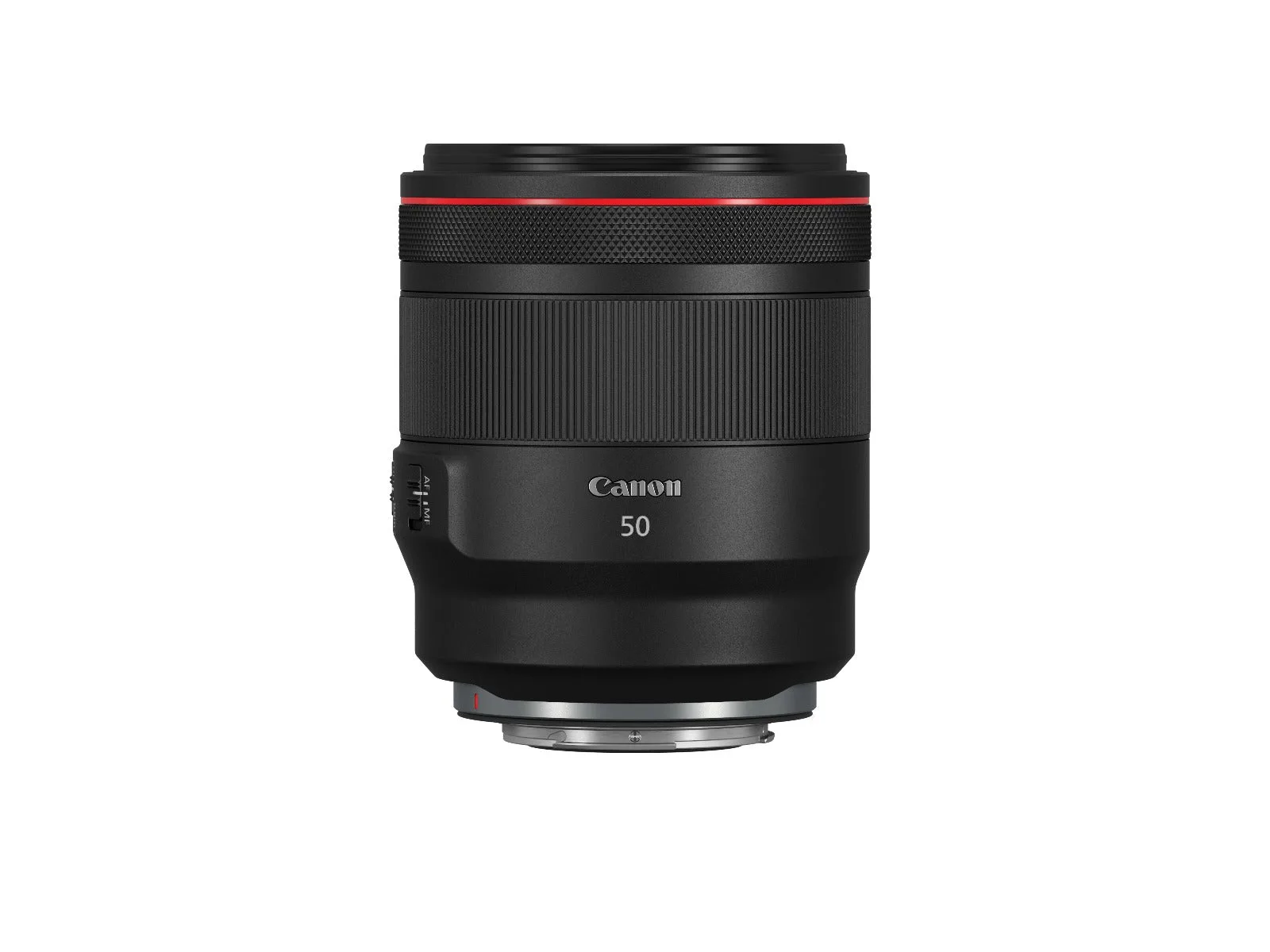
RF50mm f/1.2L USM
Trade-offs to weigh
- Convenience vs. flexibility: The PowerShot V1 is ready to shoot video out of the box with a built-in zoom and stabilisation. The RF50mm f/1.8 STM requires a separate camera body and has a fixed focal length. Pick the V1 if you want one device for video; pick the RF50mm if you already own an RF-mount body and want a compact stills lens.
- Video-first vs. stills-first: The PowerShot V1 is built around 4K UHD capture and autofocus for video. The RF50mm f/1.8 STM is a stills lens with a wide aperture for low light and shallow depth of field. Match the tool to your main output: motion or photographs.
- Budget and kit size: The PowerShot V1 is a complete camera at a higher price. The RF50mm f/1.8 STM is a lower-cost lens that only works if you already have a compatible camera. Factor in the body you already own or plan to buy before deciding.
Key specs at a glance
- PowerShot V1: 1.4-inch 22.3MP CMOS sensor, 4K UHD video, ultra-wide zoom lens, image stabilisation, Dual Pixel CMOS AF II for PowerShot A single compact camera that handles handheld 4K video and flexible framing without extra lenses.
- PowerShot V10: 1.0-inch CMOS sensor with DIGIC X, 4K video, built-in stand and microphone, image stabilisation, available in multiple colours A lighter, simpler vlogging option with a built-in stand for desk or tabletop recording.
- RF50mm f/1.8 STM: 50mm f/1.8, lightweight and compact, 0.25x macro magnification, RF mount A small, bright prime for stills that needs an RF-mount body and rewards moving your feet to frame.
Which should you choose?
Best for
- Vloggers and content creators who want a compact, all-in-one 4K video camera with stabilisation and a zoom lens.
- Stills photographers who already own a Canon RF-mount body and want a lightweight, large-aperture prime for portraits, low light, and close-up details.
Not for
- Stills photographers who need a standalone camera without buying a separate body.
- Vloggers who need a zoom range and video-first autofocus in a single device.