Quick Answer
Pre-production miniatures are upcoming plastic sets offered for reservation before they reach general release. Buy them when the subject fills a gap in an army you are already building and you can wait for delivery; skip them when you need models on the table this month or you are still deciding between projects. If the sprue contents and scale are not published yet, treat the reservation as a bet on the subject rather than on a finished kit.
What Pre-production Actually Means at the Checkout
At Wargames Atlantic, pre-production is a store category alongside the finished Decal and Plastic ranges. It exists so a new set can be reserved while tooling and production are still being finalised. What you are buying is a place in the queue for that release, not a finished box sitting in a warehouse.
That distinction changes how you should plan. A pre-production purchase is a scheduling decision as much as a hobby purchase: it commits future budget and future painting time to a subject that may arrive weeks after you order. If you are mid-campaign or preparing for a tournament with a fixed list deadline, an unreleased set is the wrong tool. If you are slowly building a period army over a season, reserving early often means the models land exactly when you reach that unit.
Read the Listing Before You Commit
Pre-production listings vary in how much detail is locked down. Some give a full historical brief and a clear unit role; others describe the concept while sprue contents, part counts, and optional components are still being confirmed. Neither is a problem, but they demand different decisions.
When the listing is detailed, you can plan units, basing, and head swaps with confidence. When it is thin, assume only the broad subject is fixed. Do not build a list around a specific weapon option, command figure, or pose that has not been stated. If a specification is not published, treat it as undecided rather than as something that will obviously be included.
- Check whether the listing states scale, material, and whether the set is multi-part plastic or single-piece.
- Look for a stated unit role, because that tells you how many boxes a functional force needs.
- Note the expected release window if one is given, and plan your painting queue around it.
- If you need a fixed part count for a conversion plan, wait for the release listing instead.
How to Judge Whether a Pre-production Set Fits Your Army
The strongest reason to reserve early is that the subject solves a real gap. A levy unit, a chariot arm, or a guard detachment that your existing collection cannot represent is worth waiting for, because no amount of browsing finished ranges will fix that hole.
The weakest reason is novelty. A striking subject that does not connect to any army you own becomes a shelf project, and pre-production sets are especially prone to this because the appeal is partly the anticipation. Ask which existing models the new set will stand next to on the table. If you cannot name them, you are buying a future project, not finishing a current one.
Budgeting Around Release Dates
Because pre-production orders are paid at reservation, they compete with the models you could buy today. A useful habit is to treat the reservation as a line in next month's hobby budget rather than this month's, and to keep at least one finished, in-stock unit in the same order so you have something to build while you wait.
This also protects you from over-committing to a single period. Two or three reservations across different eras is manageable; six is a backlog you will resent. If your unpainted pile is already large, the honest move is to finish a unit first and reserve later, even at the cost of missing an early window.
Decision Rules for Reserving Pre-production Miniatures
- Rule 1: Reserve when the set fills a named gap: Write down the existing unit the new models will stand beside. If you cannot name it, the set is a new project, not a completion purchase. No named neighbour, no reservation.
- Rule 2: Judge the listing by what is published: Use stated scale, material, and part counts to plan. Treat unstated options, poses, and components as absent from your list until confirmed. Plan only around confirmed details.
- Rule 3: Match the wait to your deadline: If you need models for a fixed event or campaign date, buy from the finished Plastic range instead and revisit the reservation afterwards. Deadlines beat anticipation.
- Rule 4: Cap your open reservations: Keep two or three pre-production orders running at most, and add one in-stock unit to each order so you always have something to build. Reservations should not become backlog.
- Rule 5: Buy quantity from the unit role: Bulk units such as levy infantry need multiple boxes; specialised kits such as chariots or role-specific guard packs usually need one or two. Count boxes by battlefield job, not by excitement.
Catalog Examples That Show the Trade-offs
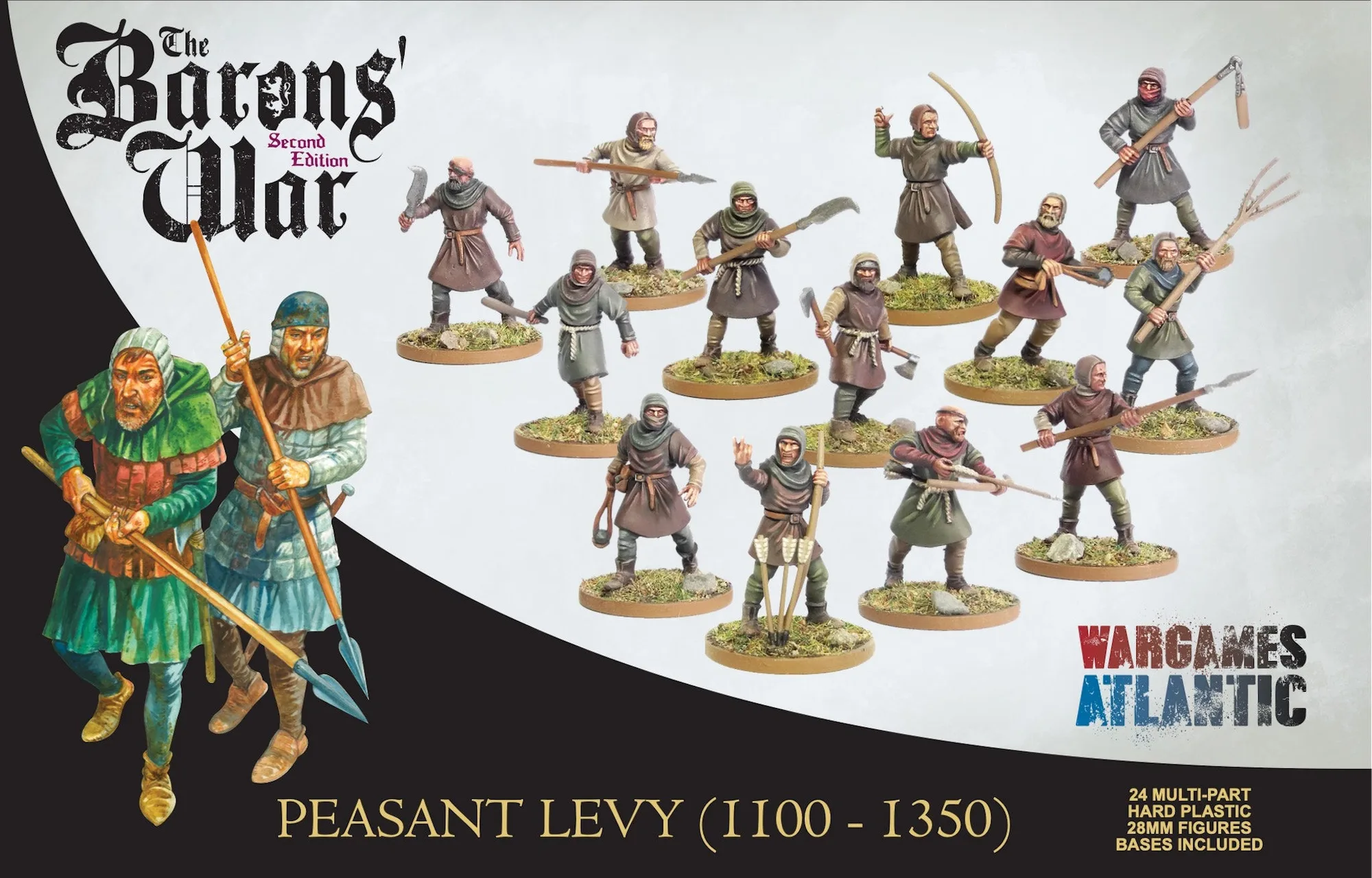
- Peasant Levy (1100-1350): Peasant Levy (1100-1350) is described as a unit that could make up the bulk of a medieval army but was rarely the decisive element, raised as household members, mercenaries, or levied from towns and countryside. A bulk unit is the clearest case for reserving early, because you will need several boxes and the subject is unlikely to be replaced by a better option later.
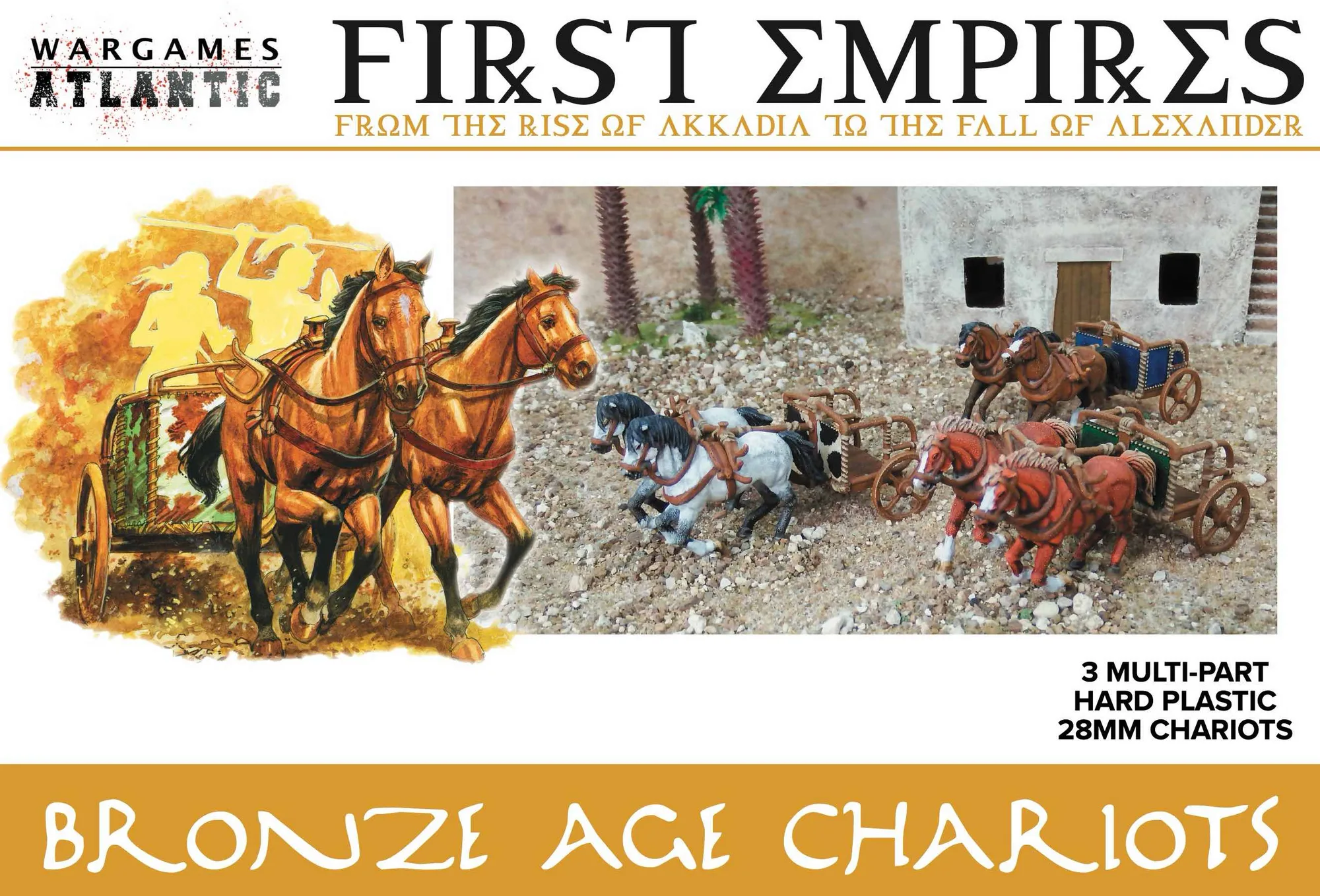
- Bronze Age Chariots: Bronze Age Chariots is described as a model typical of the eastern Mediterranean and Northern Europe during the Bronze Age, light but structurally robust and a fast mobile weapons platform. A specialised, period-specific kit is worth waiting for only if you already collect that era; otherwise it becomes a display piece rather than part of a playable force.
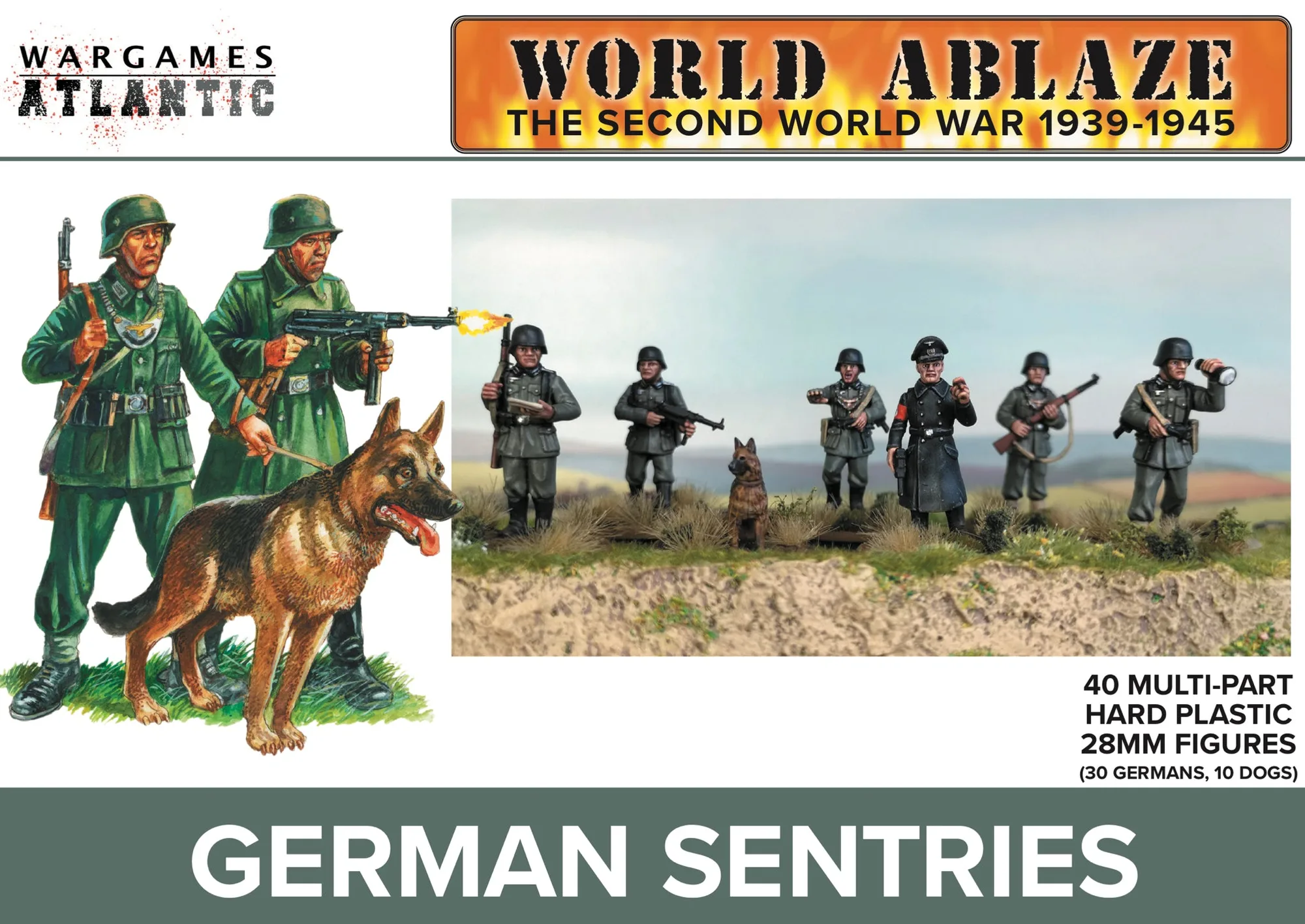
- German Sentries: German Sentries covers soldiers in non-combat roles such as guarding prisoner of war camps, secret facilities, bodyguard duty, and military police work. Niche role packs are hard to substitute with generic infantry, so reserving early makes sense when your force needs exactly that role and not otherwise.
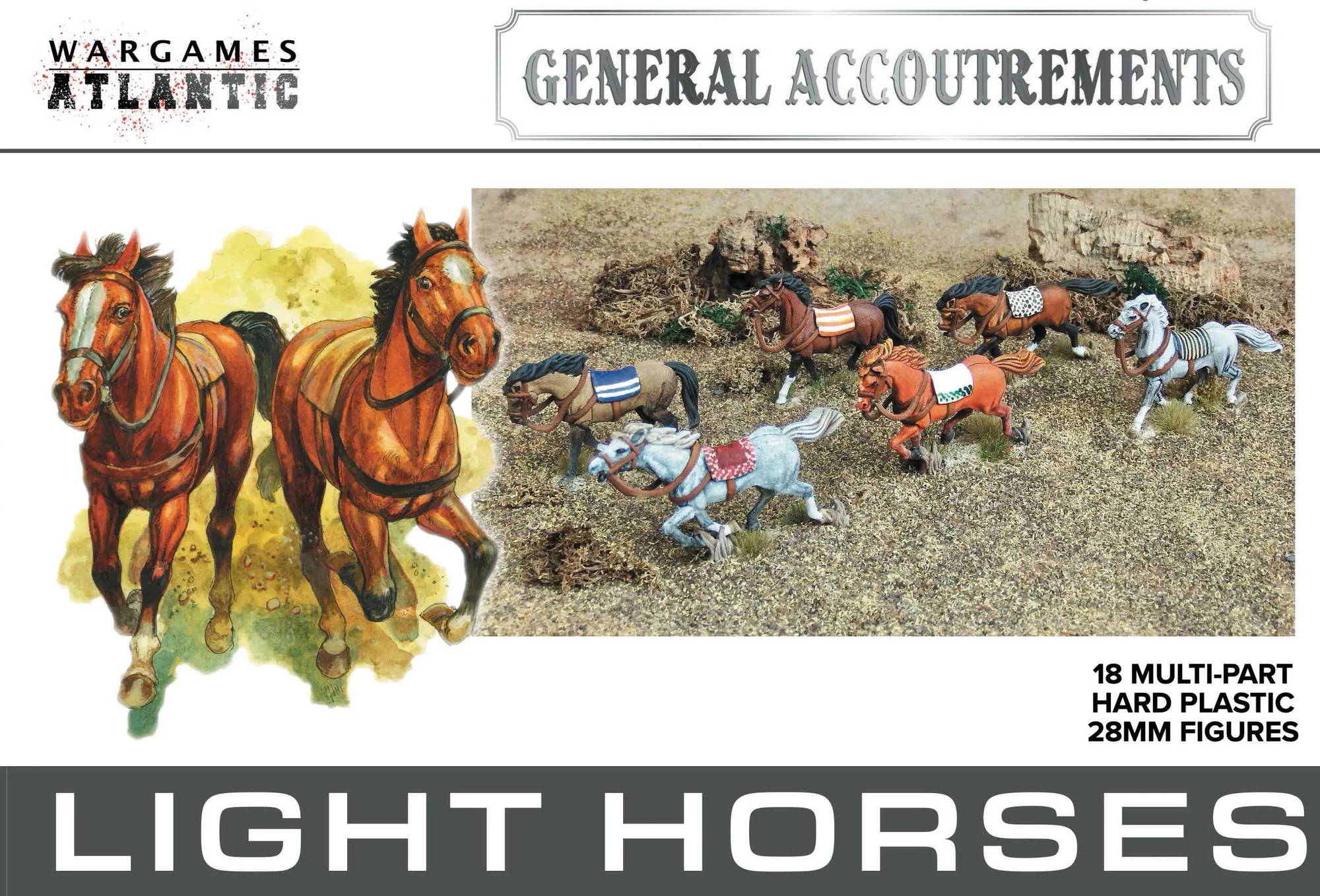
- Light Horses: Light Horses is a multi-purpose horse set with a separate rein system, and each sprue includes six horse halves, four heads, three tails, and four reins, with parts labelled to show which sides and head and rein combinations match. A published part breakdown like this lets you calculate exactly how many sprues a cavalry unit needs before you commit, which is the ideal situation for a pre-order.
Who Should Reserve Pre-production Sets
Best for
- Hobbyists slowly building a historical army who can wait for delivery
- Players who need a specific bulk or role unit that no finished kit covers
- Collectors who already own the surrounding models and want to complete a period
Not for
- Anyone who needs models for a fixed event or tournament date
- Buyers who cannot plan without a confirmed part count or option list
- Hobbyists whose unpainted backlog is already larger than one army