Quick answer
For small fabric cuts, a precision knife gives you the control to follow intricate lines, while a 28mm rotary cutter is faster for slightly larger curves. Choose the precision knife when you need to cut tight corners or detailed shapes, and the rotary cutter when you want clean edges on gentle curves.
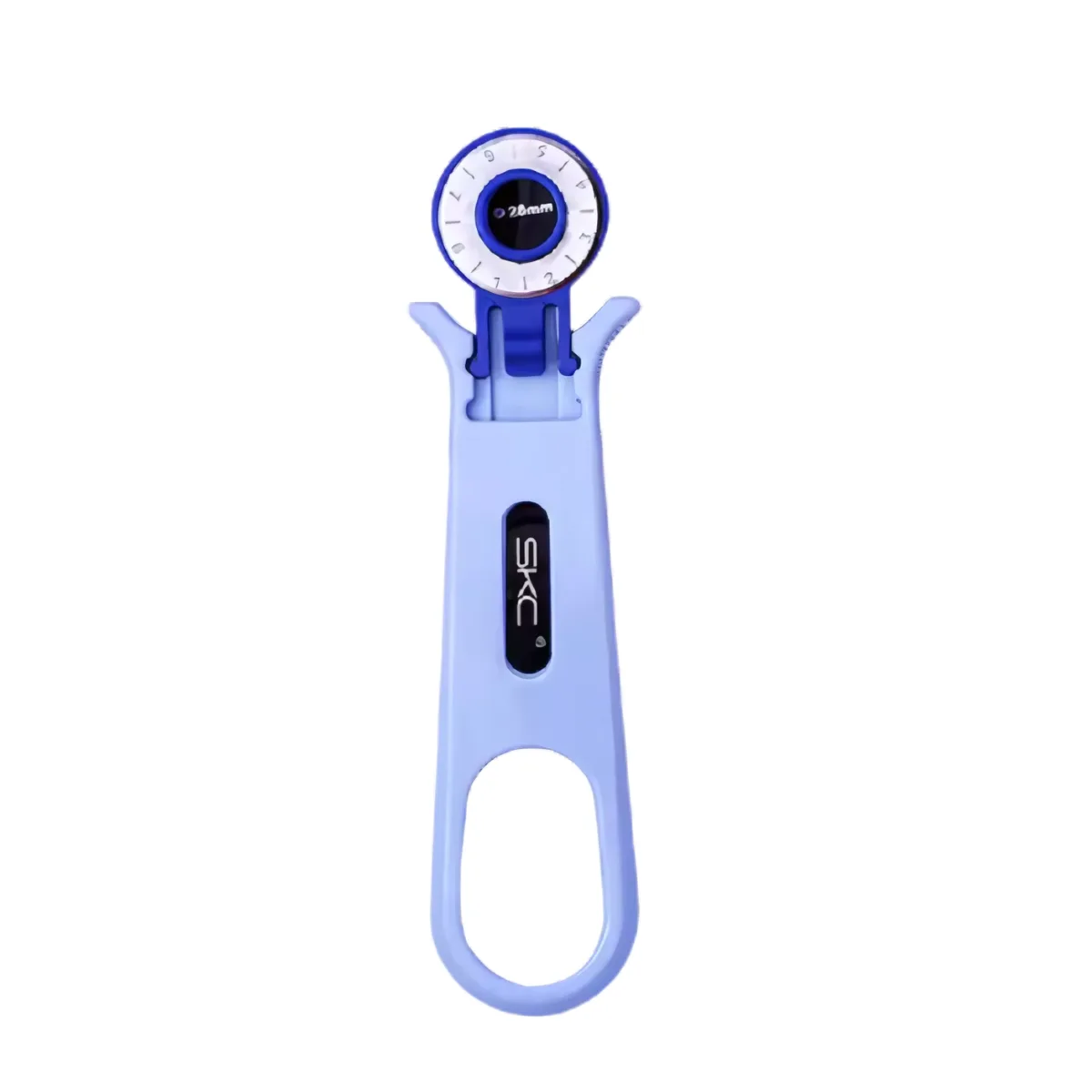
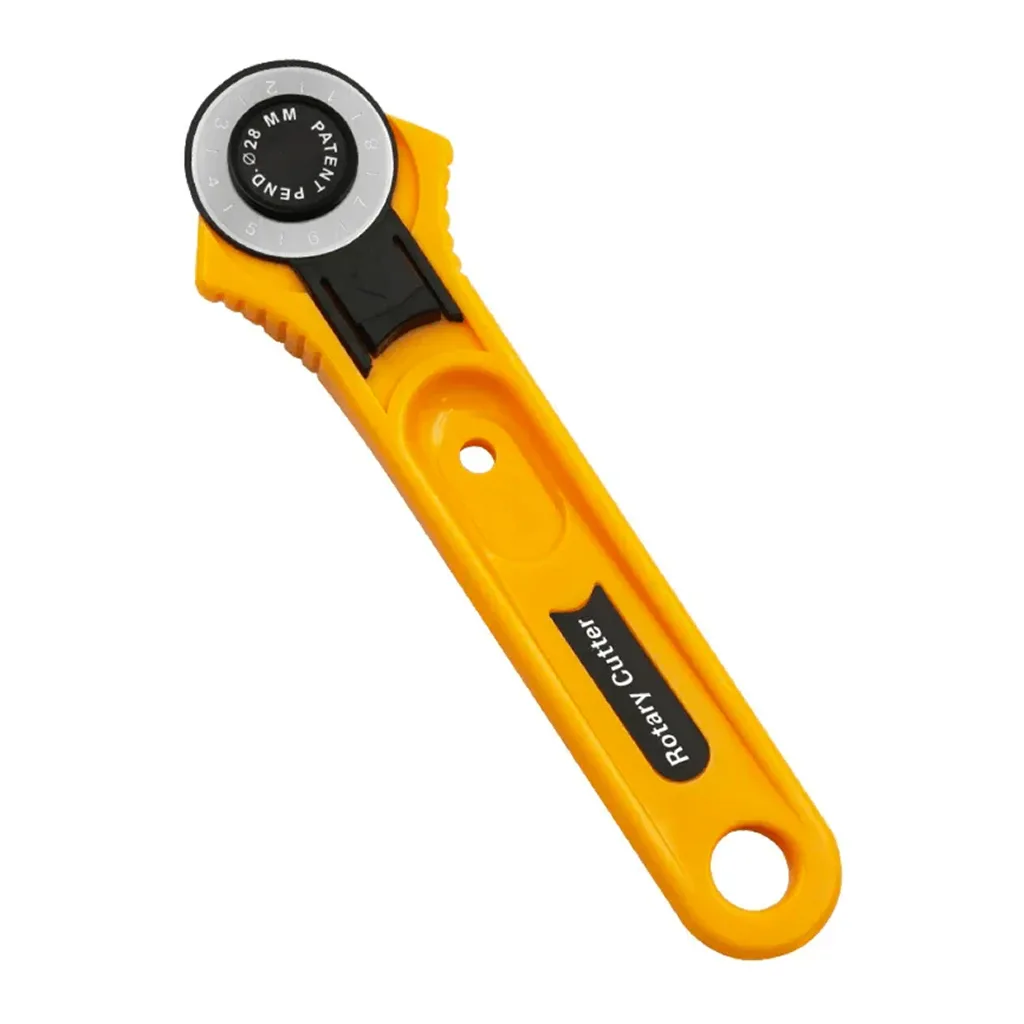
28mm rotary cutter
What counts as a small fabric cut?
In quilting, small fabric cuts include trimming seam allowances, cutting appliqué shapes, snipping threads, and shaping curved pieces for mini quilts or blocks. These tasks demand a tool that can pivot easily and follow a line without slipping. Both a precision knife and a compact rotary cutter can handle them, but they do it differently.
Precision knife: control for intricate work
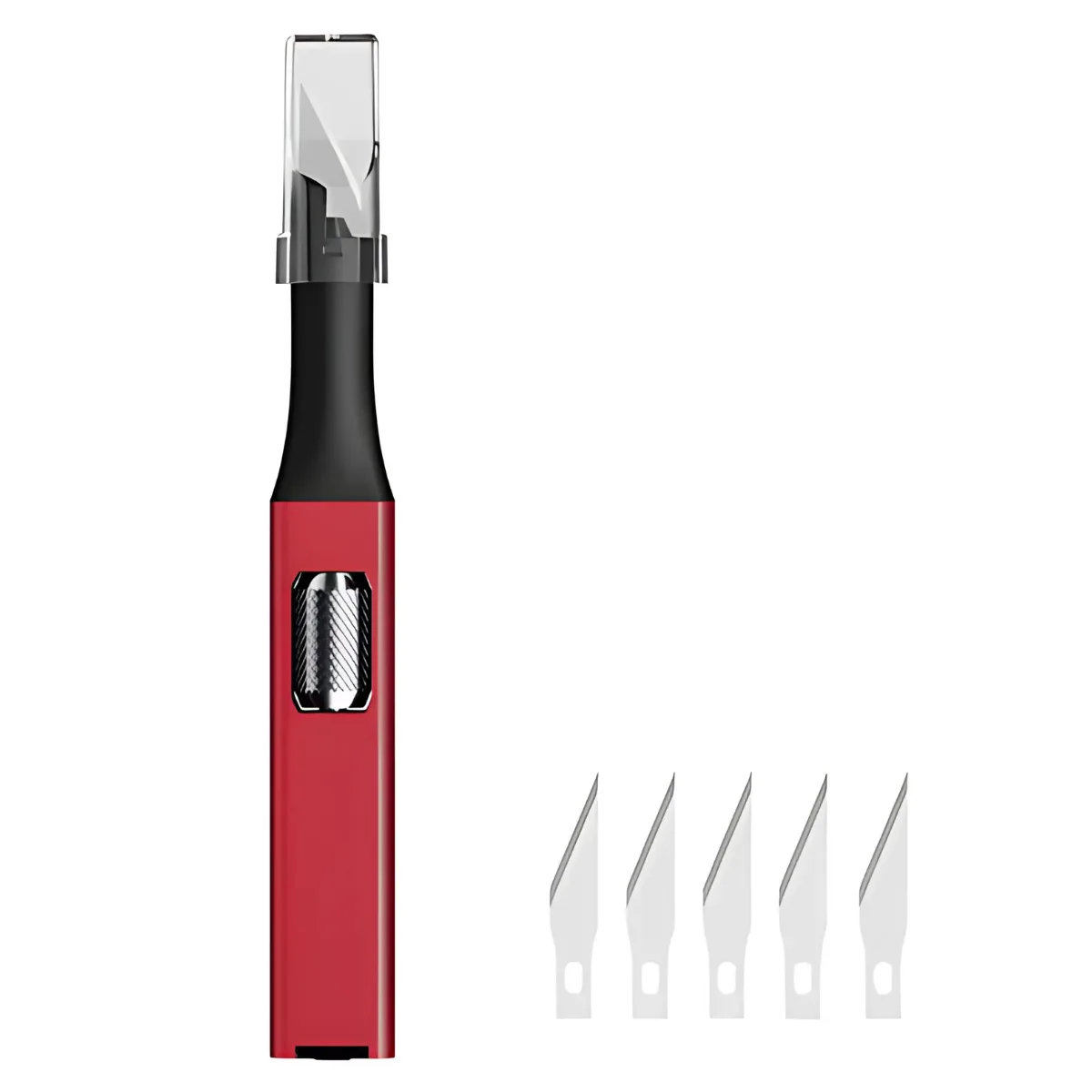
A craft cutting knife with a sharp steel blade gives you a fine point that can enter tight spaces and trace complex patterns. The ergonomic plastic handle feels light and comfortable, reducing hand fatigue during detailed cutting sessions. Because the blade is narrow, you can see exactly where you are cutting, which helps when following printed templates or freehand curves. The trade-off is that a precision knife requires multiple passes for thicker fabrics and does not roll along a ruler like a rotary cutter.
28mm rotary cutter: speed for gentle curves
A 28mm rotary cutter is smaller than the standard 45mm or 60mm models, making it more maneuverable for curved cuts. The blade rolls smoothly, so you can cut through several layers of fabric at once, which speeds up repetitive tasks like cutting bias strips or curved pieces for a quilt block. The smaller size also lets you cut tight corners better than a larger rotary cutter. However, the round blade cannot reach into very acute angles or follow a zigzag line as precisely as a pointed knife can.
Trade-offs to consider
- Cutting multiple layers: The rotary cutter rolls through several fabric layers at once, saving time on repetitive cuts. The precision knife cuts one layer at a time and may need multiple passes. Choose the rotary cutter for speed on straight or gently curved cuts through stacks of fabric.
- Accessing tight corners: The precision knife's pointed blade reaches into acute angles and follows jagged lines. The rotary cutter's round blade cannot enter sharp corners without overcutting. Reach for the precision knife when your pattern has narrow points or tight inside curves.
- Visibility during cutting: With a precision knife, you see the blade tip and your cutting line clearly. A rotary cutter's blade is partly hidden by the housing, making it harder to follow a complex line. Use the precision knife for freehand cutting of detailed shapes where every millimeter matters.
Product facts at a glance
- 28mm Fabric Rotary Cutter: The 28mm blade is ideal for smaller, more intricate cuts, letting you cut curves and tight corners with precision and control. If you often cut gentle curves or need to trim small pieces from a larger fabric sheet, this rotary cutter gives you a fast, clean edge without lifting the blade.
- Craft Cutting Knife: The sharp steel blade glides smoothly for clean, accurate cuts every time. The ergonomic plastic handle feels light and comfortable. When you are cutting detailed appliqué shapes or trimming seam allowances in tight spots, the knife's fine point and comfortable grip help you stay accurate for longer.
Which tool fits your project?
Best for
- Quilters who cut detailed appliqué shapes, templates, or tight curves
- Crafters who need a single tool for snipping threads and trimming small pieces
Not ideal for
- Cutting long straight edges or multiple layers of fabric quickly (choose a rotary cutter instead)