Quick answer
Buy pre-cuts when you need many coordinated prints fast and your pattern was written for those exact sizes; buy yardage when you need continuous lengths, a specific repeat, or a backing. Pre-cuts usually cost more per usable square inch and create more offcut waste, but they save hours of cutting and give you a ready-made palette. Yardage is the better value for backgrounds, sashing, borders, and anything wider than 44 inches.
Pre-cut fabric vs yardage is really a question about your pattern, your time, and how much fabric you are willing to throw away. A fat quarter bundle hands you a coordinated palette in one purchase; yardage gives you a continuous length you can cut to any size. Neither is automatically cheaper.
The trade-off shows up in three places: cost per usable inch, cutting waste, and whether your pattern was designed around pre-cut dimensions. This comparison uses real catalog examples from GE Designs so you can see how the math and the waste actually play out.
What you are actually buying
Pre-cuts are fabric cut to fixed sizes before they reach you: fat quarters, jelly rolls (2.5-inch strips), charm squares, and similar formats. Their value is standardization. Every piece arrives the same size, already coordinated, and ready to sew. Yardage is fabric sold by the continuous yard, cut in increments. You decide the shape, the length, and how many pieces you get from it.
The practical difference is control versus convenience. A pre-cut bundle removes the cutting step and the color-matching step at the same time. Yardage removes the size limit: if your pattern calls for a 60-inch border or a 108-inch backing, only yardage or a wide backing can deliver it in one piece.
- Check your pattern first. If it lists pre-cut sizes, buying those sizes usually saves fabric and frustration.
- If your pattern lists yardage, converting to pre-cuts often means piecing strips together, which adds seams.
Cost: price per usable inch, not price per item
A bundle's sticker price looks higher than a single yard, but the honest comparison is cost per usable square inch. Pre-cuts carry a convenience premium because someone else did the cutting, folding, and coordinating. Yardage is usually the lower cost per inch, especially for large quantities of one fabric.
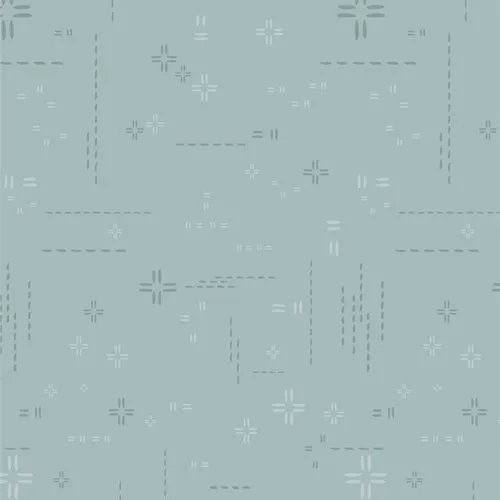
GE Designs' catalog shows this clearly. Decostitch Skyline Blue 717 is listed at USD 6.98 for one yard, cut in 1-yard increments, not continuous. Sparkle Elements Ashen SKE80108 is also USD 6.98 per yard, cut the same way. When you need three yards of one background, three separate 1-yard cuts cost the same as three yards would, but you will seam them together for a wide backing. A 3-yard cut of Chrysanthemum Jade 108-inch wide backing is listed at USD 41.98 and measures 108 by 108 inches, so it covers a large quilt without piecing.
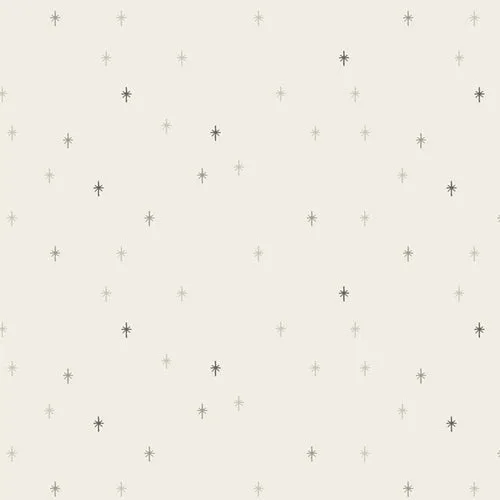
Sparkle Elements Ashen SKE80108
- Divide price by usable square inches, not by item count, before you decide a bundle is expensive.
- For backings, compare a wide backing against the yardage you would need to piece. The wide option often wins on labor even when the price looks higher.
Waste: where pre-cuts lose ground
Pre-cut fabric waste comes from two sources. First, the standard size may not match your pattern, so you trim and discard the difference. Second, pre-cuts arrive with pinked or folded edges and often need squaring up, which removes a sliver from every piece. On a small project that sliver is trivial; across a full bundle it adds up.
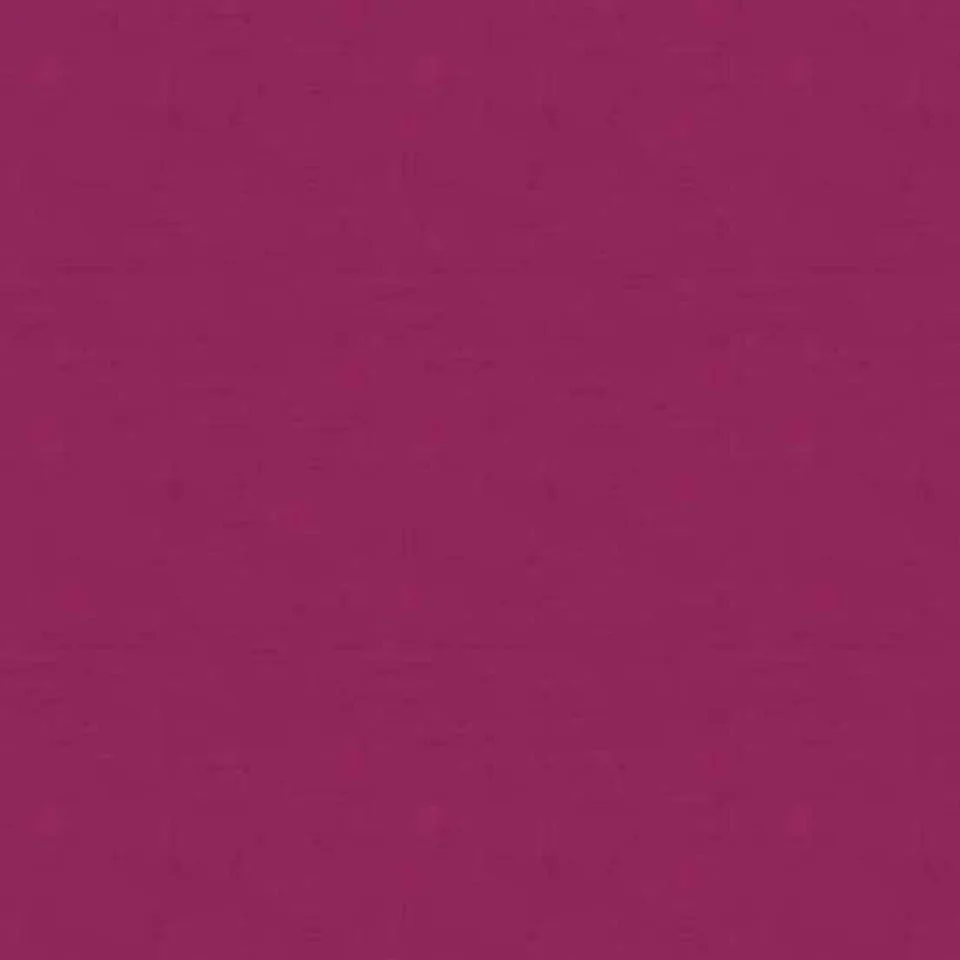
Yardage waste is mostly self-inflicted. If you plan your cuts, you can nest pieces and use nearly every inch. If you cut without a plan, you can waste more than any pre-cut ever would. The Linen Texture Magenta 1-yard cut is a good example of a workhorse basic: at 44/45 inches wide, it is easy to plan sashing, binding, or background cuts with very little loss because you control the layout.
- Sketch your cutting layout on paper before you cut. It is the single biggest waste reducer for yardage.
- Keep pre-cut offcuts. Strips and squares under 2.5 inches still work for scrappy borders and binding.
Project fit: match the format to the pattern
The fastest way to choose is to read what the pattern assumes. Patterns written for jelly rolls expect 2.5-inch strips and are designed so the strip set yields the right number of units. Substituting yardage means cutting those strips yourself, which is fine but adds time and a ruler-width error risk. Patterns written for yardage assume continuous lengths for borders and backing.
Color variety is the other fit factor. A fat quarter bundle value comes from getting many prints in one purchase, which suits scrappy and sampler quilts. If your design needs one fabric repeated across a large area, a bundle forces you to buy more than you need or piece the background. Snowberry Lil' Bundle is a holiday-ready collection from Andover's in-house studio, layering a Morris-style botanical medallion floral with ladybug and bee ditsy prints, snowflake-inspired medallion trellis designs, pinstripes, and tonal dot blenders, in soft sage, jade, and pear green plus a rich red colorway. That range is exactly what a scrappy holiday quilt wants, and exactly what a single-fabric background does not.
- Buy the format your pattern was written for unless you enjoy re-engineering the math.
- For sampler quilts, a bundle beats yardage on variety. For one-color backgrounds, yardage beats a bundle on cost.
The trade-offs, side by side
- Pre-cuts: convenience vs cost per inch: You pay a premium for fabric that is already cut, folded, and coordinated. In exchange you skip hours of rotary cutting and get a palette that is guaranteed to work together. Worth it when your pattern is pre-cut friendly and your time is the scarce resource.
- Yardage: lower cost vs more planning: Yardage usually costs less per usable inch, but you supply the cutting plan. Without a layout sketch, yardage waste can exceed pre-cut waste. Worth it for backgrounds, borders, sashing, and any large single-fabric area.
- Backings: wide yardage vs pieced standard width: Standard 44/45-inch fabric must be pieced to back a large quilt. A 108-inch wide backing such as Chrysanthemum Jade covers the back in one piece. Choose wide backing when you want to skip the seam; choose standard yardage when you want to use up stash or match a specific print.
- Bundles: variety vs repeatability: A bundle gives you many prints but limited quantity of each. If you run short, matching a single print later can be hard. Buy a little extra of the prints you expect to use most, or supplement with yardage of a blender.
Catalog examples that show the trade-off
- Decostitch Skyline Blue 717: 1 yard, 100% cotton by Art Gallery Fabrics, listed at USD 6.98 and cut in 1-yard increments, not continuous. A single-print yard is ideal for backgrounds, sashing, or borders where you want one continuous color. Because it is cut in 1-yard increments rather than one continuous length, plan for seams if you need multiple yards for a wide backing.
- Sparkle Elements Ashen SKE80108: 1 yard, 100% cotton from the Sparkle Elements collection by AGF Studios for Art Gallery Fabrics, listed at USD 6.98 and cut in 1-yard increments, not continuous. A blender-style print that mixes easily with feature fabrics. Buying yardage of a blender is usually cheaper per inch than collecting several pre-cuts of the same print, especially for large quilt areas.
- Linen Texture Magenta - 1 yard TP-1473-L7: 44/45-inch wide quilting cotton by Andover Fabrics with a subtle woven linen look, listed at USD 6.98 for a 1-yard cut, not a continuous cut. Reads as a solid from a distance but adds quiet texture up close, which makes it a strong background or binding choice. Its 44/45-inch width is the standard quilting width, so it cannot serve as a wide backing without piecing.
- Chrysanthemum Jade 108" Wide Backing Fabric - AW1680-T - 3 YARD CUT - Andover Fabrics: A three-yard cut of 108-inch wide Chrysanthemum Jade by Laundry Basket Quilts for Andover Fabrics, measuring 108 by 108 inches, 100% cotton, cut in 3-yard increments, listed at USD 41.98. This is the format pre-cuts cannot replace. At 108 inches wide, it covers a large quilt back in one piece, eliminating the seam and the labor of piecing standard-width yardage.
Which format fits your project
Best for
- Scrappy, sampler, and holiday quilts that need many coordinated prints in small amounts
- Patterns written specifically for fat quarters, jelly rolls, or charm squares
- Quilters who want to skip cutting and start sewing immediately
- Large quilt backs where a 108-inch wide backing replaces pieced standard-width yardage
Not for
- Large single-color backgrounds, borders, and sashing where you need continuous length
- Projects that require a specific fabric repeat or directional print alignment
- Quilters on a tight budget buying in bulk, since yardage is usually cheaper per usable inch
- Anyone who has not checked the pattern's required pre-cut size, since trimming offcuts adds waste
Read your pattern before you buy. If it names pre-cut sizes and your quilt is scrappy, a bundle saves time and gives you a coordinated palette. If it names yardage, or you need a wide backing, buy yardage and sketch a cutting plan. Match the format to the pattern and the waste and cost questions mostly answer themselves.