Quick answer
A pregnancy pillow is the better choice if you need all-night positioning, side-sleeping support, and pressure relief for your hips and back. A support belt is better for daytime activity, walking, and targeted back or pelvic support. If you can only buy one for sleep, start with a pregnancy pillow; add a belt later if you are active or on your feet a lot.
How a pregnancy pillow improves sleep
A pregnancy pillow works by keeping your body in a side-sleeping position through the night. It supports your bump, back, and hips at the same time, which reduces the urge to roll onto your back and eases pressure points. If you wake up with a stiff lower back or numb hips, a full-length pillow often solves that by filling the gap between your knees and stopping your top leg from pulling your pelvis out of line.
- Best for side sleepers who toss and turn
- Helps with hip and lower back pressure
- Keeps you from rolling onto your back
- Works without being strapped on
What a pregnancy support belt does
A support belt wraps around your lower back and under your bump to lift the weight of your belly. That lift takes strain off your lower back and pelvic joints, which is why many women use one for walking, standing, or long days at work. The trade-off is that a belt is not designed for sleep. Wearing one in bed can feel bulky, dig in when you lie down, and restrict movement you need for comfortable positioning.
- Best for daytime activity and walking
- Targets back and pelvic pain
- Not intended for overnight wear
- Can feel restrictive when seated or lying down
The real trade-off: all-night comfort vs targeted support
A pregnancy pillow gives you passive, full-body support for hours, but it takes up bed space and can feel warm. A support belt gives you active, targeted compression, but only while you wear it and only for the hours you are upright. Neither replaces the other. Many women use a pillow at night and a belt during the day, which is the most complete approach if your budget allows.
- Pillow: no straps, full-body support, better for sleep
- Belt: compact, targeted, better for movement
- Using both covers day and night needs
How to choose based on your main sleep problem
If your main problem is waking up with hip or back pain, choose a pregnancy pillow first. If you sleep fine but struggle with back pain during the day, a support belt is the more practical buy. If you have both, start with the pillow because sleep affects recovery, then add a belt for daytime use.
- Hip or back pain at night: pregnancy pillow
- Daytime back or pelvic pain: support belt
- Both: pillow first, belt second
Trade-offs at a glance
- Pregnancy pillow: Gives full-body support and keeps you on your side all night, but takes up bed space and may feel warm. Best if your sleep is disrupted by rolling or hip pressure.
- Support belt: Lifts your bump to reduce back and pelvic strain during activity, but is not designed for sleep and can feel restrictive when lying down. Best for daytime use, not overnight.
- Compression socks: Improve circulation and reduce swelling in the legs, but do not address back or hip alignment. A useful add-on if leg discomfort wakes you.
- Birthing ball: Offers gentle movement and pressure relief before bed, but is not a sleep surface. Use it as a pre-sleep wind-down tool.
Products that support each approach
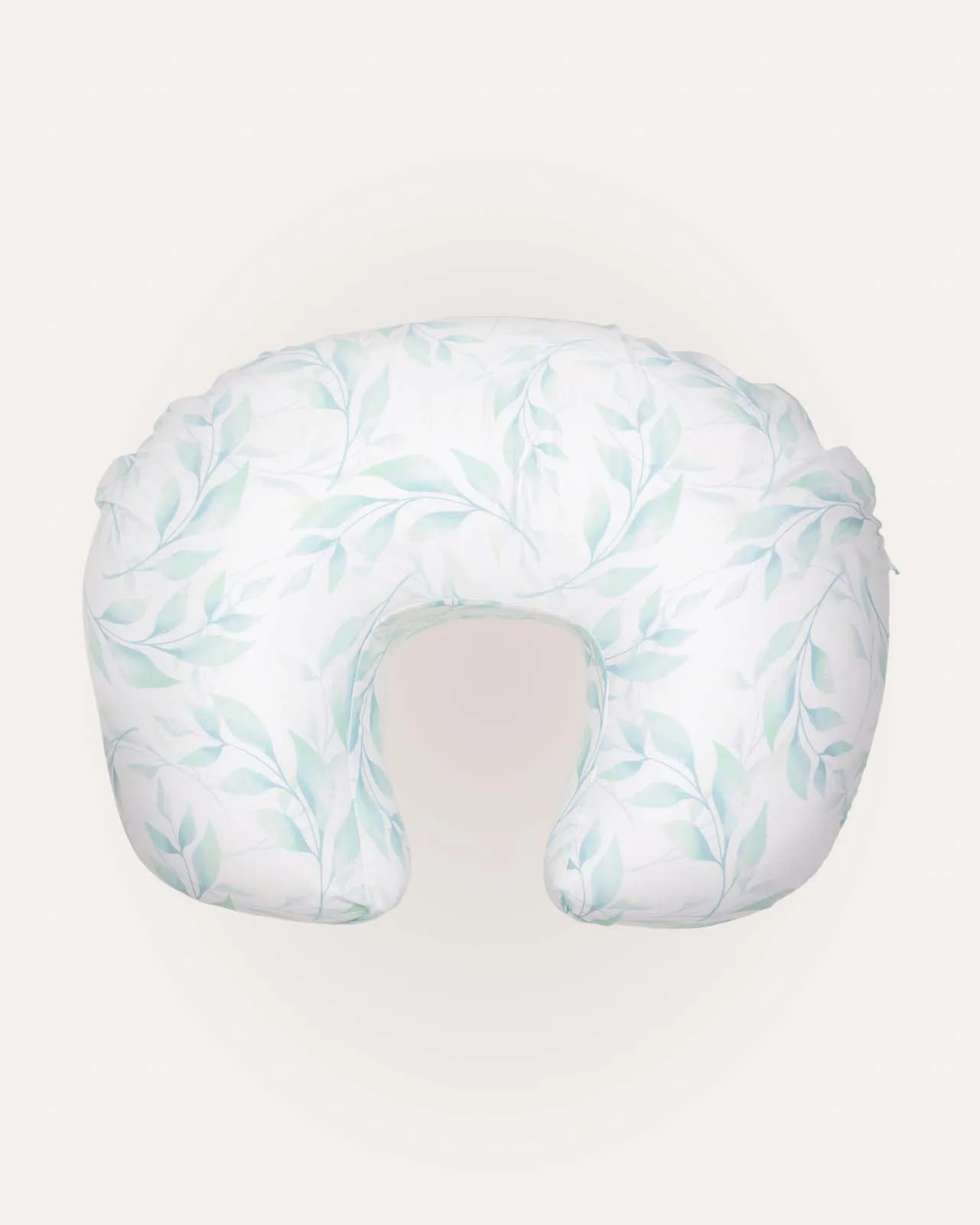
- BABYGO® Green Leaf Nursing Pillow: BABYGO® Green Leaf Nursing Pillow has a premium, plump filling that gives gentle cushioning and the perfect incline for feeding and bonding. A pillow with real loft and incline doubles as sleep support when you need to prop your upper body or support your bump.
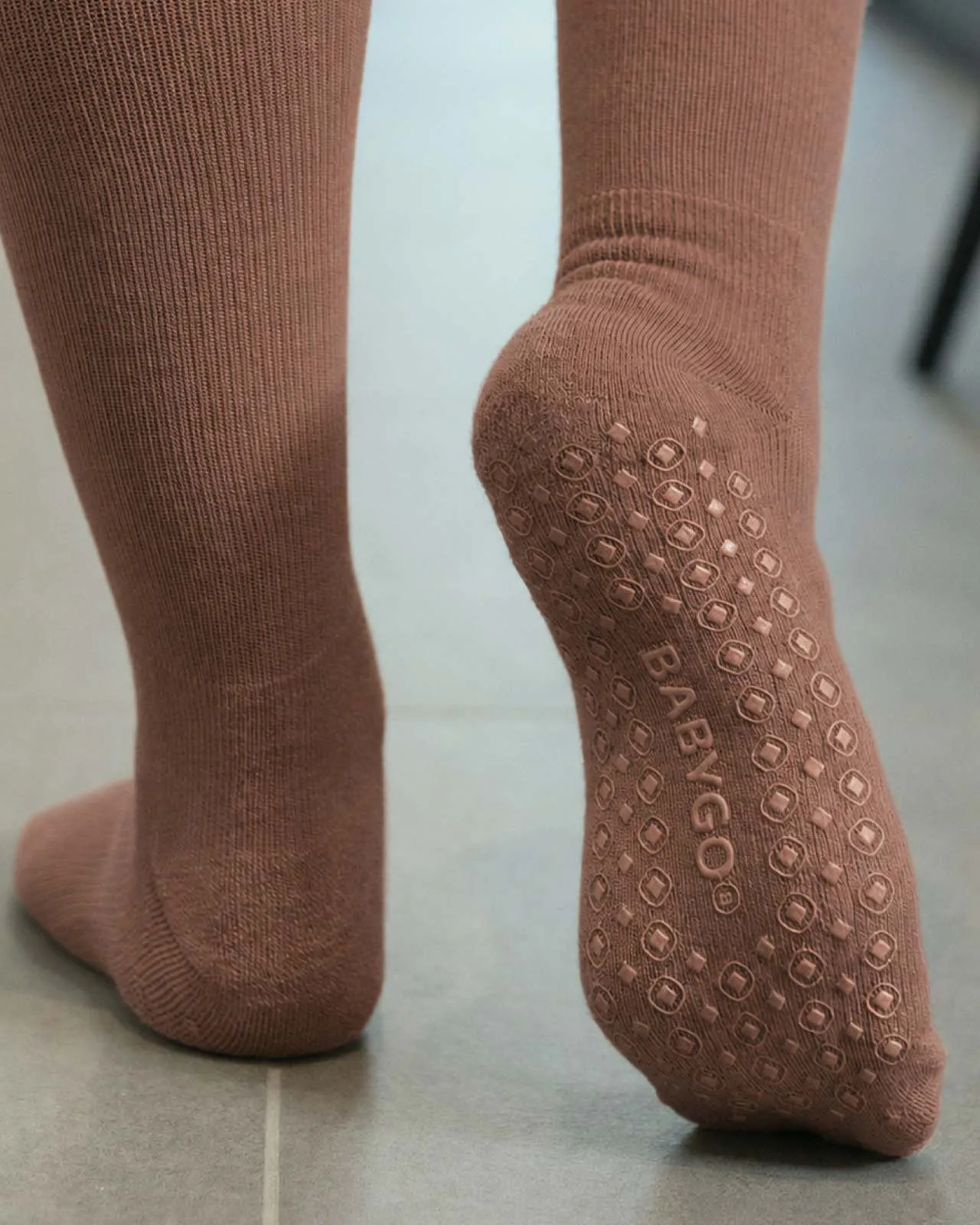
- BABYGO® Pregnancy Compression Socks | 3 Pack: https://babygoerx.com/products/pregnancy-compression-socks-mocha-ad616b8c1088e74ab7e5308c-2410643https://babygoerx.com/products/pregnancy-compression-socks-69ee0b6abd2fb44b73a326af-2410646BABYGO® Pregnancy Compression Socks | 3 Pack provide graduated 20-30mmHg compression to support circulation and help reduce swelling. If leg heaviness or swelling keeps you awake, compression socks address a different sleep barrier than a pillow or belt.
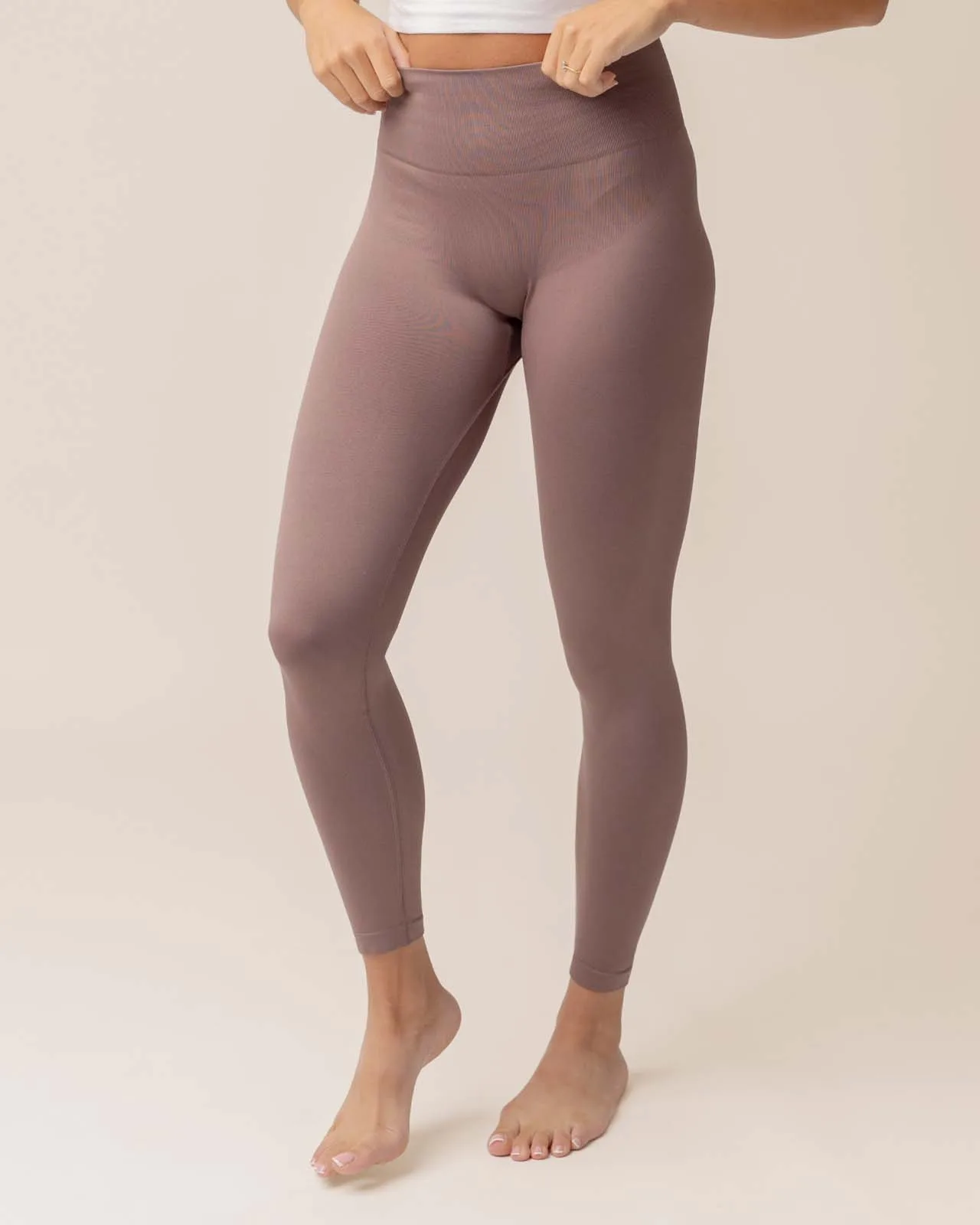
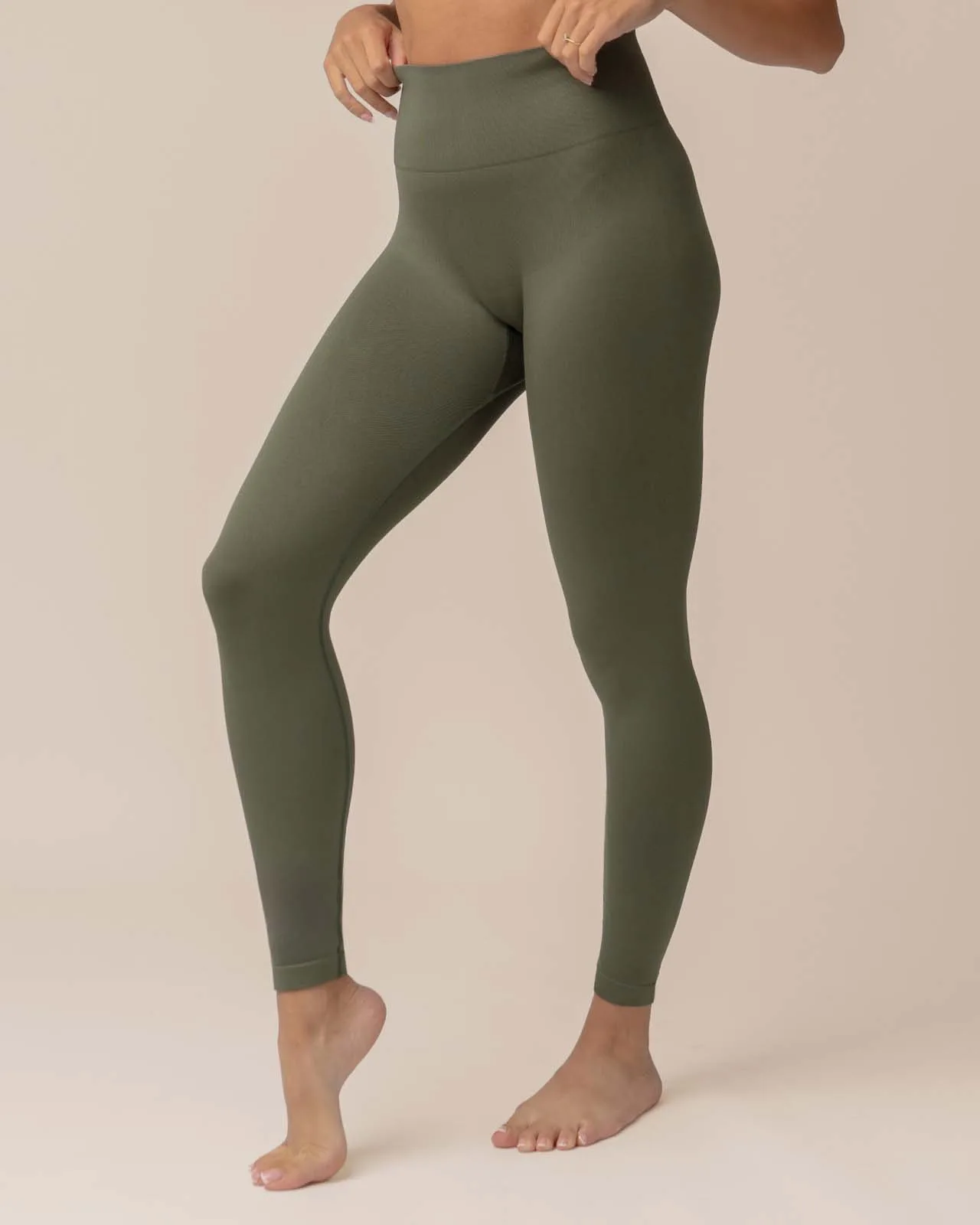
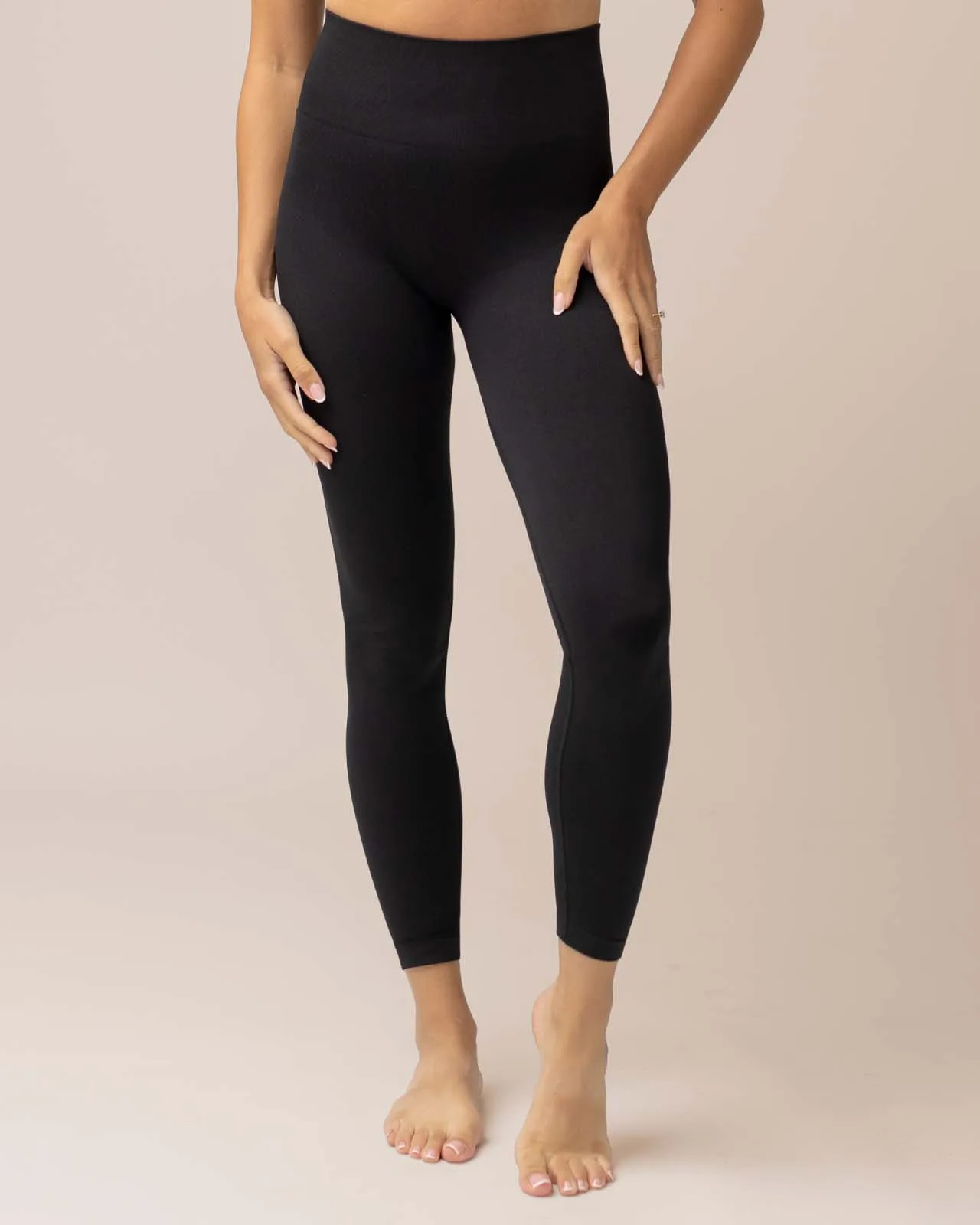
- BABYGO® Postpartum Leggings: https://babygoerx.com/products/postpartum-leggings-mauve-f30738a2cd2d134549241089-2410968BABYGO® Postpartum Leggings pair soft-on-the-skin fabric with superior stretch for a sculpted, supportive fit. After birth, gentle compression and support can help you sleep more comfortably without a belt.
- BABYGO® Birthing Ball: BABYGO® Birthing Ball is tried and tested to hold up to 1000kg and comes with a 100-page pregnancy book. A ball can relieve hip and back pressure before bed, making it easier to settle into sleep.
Which should you choose?
Choose a pregnancy pillow if you:
- Wake up with hip or lower back pain
- Toss and turn or roll onto your back at night
- Want support without straps or belts
- Sleep on your side and need help staying there
Choose a support belt instead if you:
- Mainly need support while walking or standing
- Have back or pelvic pain during the day, not at night
- Find full-size pillows too bulky for your bed
- Want a compact option for work or travel