Quick answer
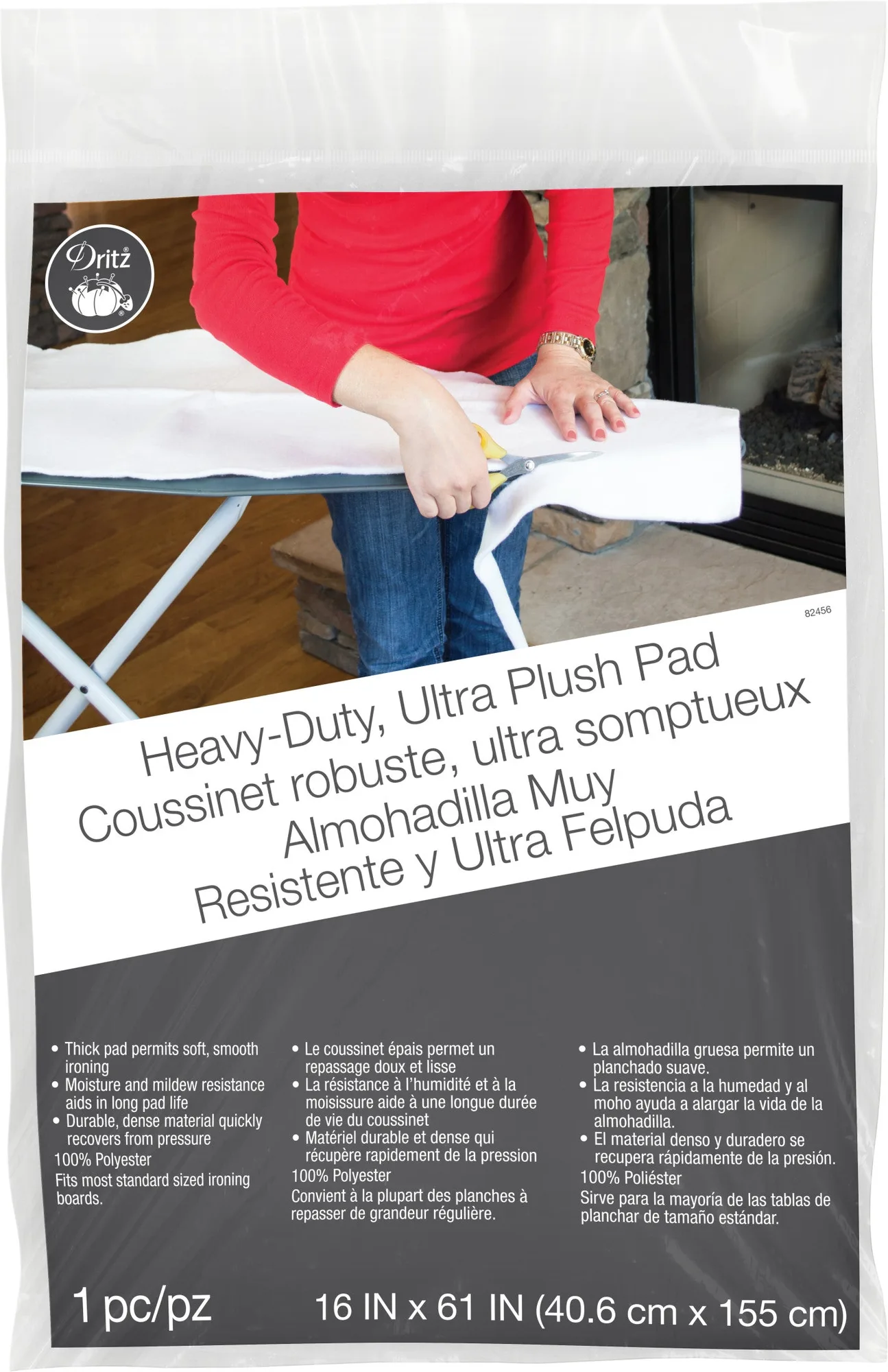
A https://prymamerica.com/products/82456-21213cd21dce2429dc636581-1316245premium ironing board pad is worth it if you sew or iron often. It provides better heat reflection, cushioning, and fabric protection than a thin, worn pad. Look for a pad that fits your board's length and width, is thick enough to prevent mesh marks, and has a heat-reflective layer if you want faster pressing.
If your ironing board pad is stained, flattened, or slipping, it's time to replace it. A premium ironing board pad does more than cover the metal mesh; it affects how evenly heat transfers, how smoothly the iron glides, and whether your fabric gets marked.
This buying guide explains what to look for in a premium ironing board pad, including thickness, fit, materials, and when a basic pad is enough. You'll also find practical tips for extending pad life and deciding between a full replacement or an added cover.
What a premium pad actually does
A premium ironing board pad serves three main jobs: cushioning the fabric against the metal mesh, reflecting heat back into the garment, and wicking away moisture. Thicker pads with a felt or foam layer prevent the mesh pattern from pressing into your fabric, which matters for delicate fabrics like silk or rayon. A heat-reflective layer, often aluminum-coated, can speed up pressing by bouncing heat back instead of letting it escape through the board.
A worn or thin pad can cause uneven heating, scorch marks, and frustrating wrinkles that won't press out. If you notice shiny spots on your fabric or you have to press the same area repeatedly, the pad is likely compressed or lacks sufficient loft. Replacing it is a low-cost fix that improves results immediately.
- Check for a heat-reflective layer if you press a lot of cotton or linen.
- A pad with a moisture-wicking top helps prevent condensation marks on synthetic fabrics.
Thickness and materials: how to choose
Pad thickness typically ranges from about 1/8 inch to over 1/2 inch. Thin pads (1/8 to 1/4 inch) are fine for light pressing and occasional sewing, but they may allow mesh marks on heavier seams or when using high heat. Thick pads (3/8 inch and up) offer better cushioning and are a good choice if you quilt, sew garments, or press items with buttons and zippers that could dent the board.
Materials matter too. Felt pads are dense and durable but can retain moisture; foam pads are lighter and often combined with a reflective film. Many premium pads use a layered construction: a felt base, a foam middle, and a reflective top. Avoid pads with loose fibers that can transfer to fabric. If you're unsure, look for a pad that is machine washable or spot cleanable, and check the care instructions before buying.
- For heavy steam use, choose a pad with a moisture-resistant backing.
- If you press delicate fabrics, a smooth, tightly woven top layer reduces snags.
Fit: why one size does not fit all
Ironing boards come in many sizes, from compact tabletop models to full-size boards up to 54 inches long and 15 inches wide. A pad that is too small will shift and expose the metal mesh; one that is too large will bunch and create wrinkles. Measure your board's length and width at the widest point, and check the pad's stated dimensions before ordering. Some pads are designed for specific board shapes, such as T-leg or four-leg boards.
If you can't find an exact fit, a slightly larger pad can be trimmed if it has a marked cutting line, but avoid trimming pads with sealed edges or reflective layers, as this can cause fraying or reduce performance. Elasticated edges or drawstring cords help keep the pad snug, but they must match your board's thickness. For odd-sized boards, consider a pad with adjustable straps or a custom cover.
- Measure twice: length, width, and board thickness if using a fitted pad.
- A pad that is too thick may prevent the ironing board from folding flat.
When to replace your ironing board pad
Replace your pad when it shows visible stains that won't wash out, has a scorched or shiny surface, or feels flat and compressed. A pad that slips constantly or has torn edges also needs replacing. As a rule, if you iron several times a week, plan to replace a basic pad every 1–2 years; a premium pad may last longer if cared for properly. Rotate the pad occasionally to distribute wear.
If you only iron occasionally and your pad is still thick and clean, you can extend its life by using a separate ironing board cover over it. But once the pad itself is compromised, a cover won't fix the lack of cushioning or heat reflection.
- Wash removable pads according to care instructions to remove starch and sizing buildup.
- Avoid ironing directly on a bare metal mesh; always use a pad.
Decision rules for buying a premium ironing board pad
- If you press delicate fabrics: Choose a pad with a smooth, tightly woven top and at least 1/4 inch thickness to prevent mesh marks and snags. Checkpoint: run your hand over the pad surface; if it feels rough or lumpy, keep looking.
- If you use heavy steam: Look for a pad with a moisture-resistant backing or a felt layer that won't stay damp and cause rust or mildew. Checkpoint: read care instructions to confirm the pad can be washed and dried thoroughly.
- If your board is an odd size: Measure first, then choose a pad with adjustable straps or a drawstring, or one that can be trimmed along marked lines. Checkpoint: verify the pad's dimensions match your board's length and width within 1 inch.
- If you iron only occasionally: A basic 1/4-inch pad is sufficient; put your budget toward a good cover instead. Checkpoint: replace the pad when it flattens or stains, not on a fixed schedule.
Related Prym products for precise pressing and marking
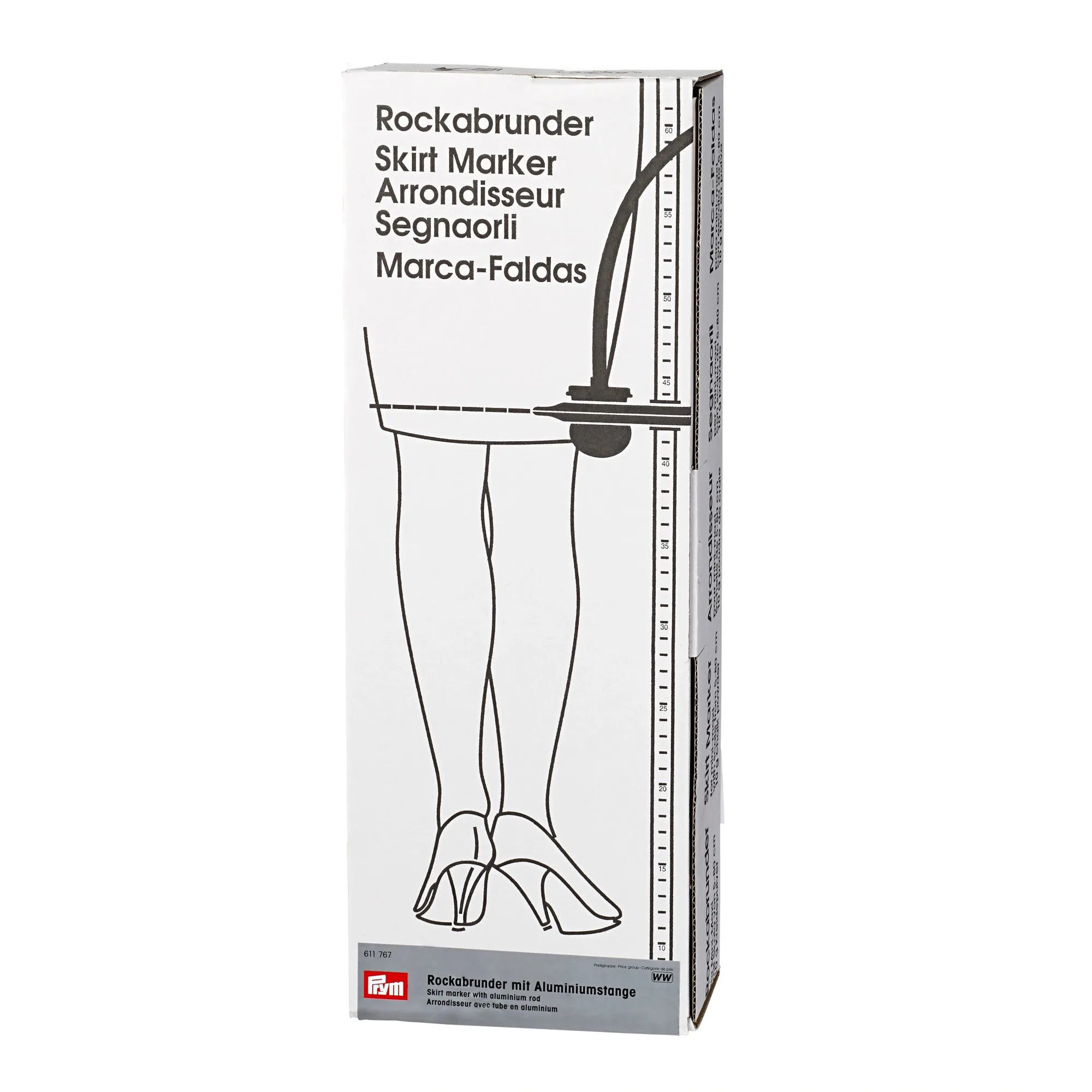
- Skirt Marker, Metal: The skirt marker from Prym can be used to mark the hem of a skirt or dress all the way round with fine chalk powder absolutely accurately. The spray is fitted to the plastic or metal stick at the correct height of up to 32 in./ 80 cm. and the bellows is used to spray the dressmaker’s chalk perfectly onto the fabric. The weighted foot of the skirt marker gives it maximum stability. Accurate hem marking before pressing saves time and prevents uneven hems, especially on skirts and dresses that need a crisp finish.
- Marking Kit with Iron-On Tape & Pen: The Dritz Marking Kit can be a valuable addition to your sewing and craft kit. This package contains 7/16 in x 2-1/2 yd iron-on fabric tape, a black pen with indelible ink, an A-M stencil and an N-Z stencil. Use this marking kit to mark clothing items neatly and evenly with owners' names. Staying permanent through many washes, it can also be used to ID items for school, camp and more. Labeling garments before pressing helps you keep track of pieces and ensures names stay put through repeated washing and ironing.
Is a premium ironing board pad right for you?
Best for
- Sewers and quilters who press frequently and need consistent, mark-free results
- Anyone with a standard-size ironing board looking to upgrade from a thin, worn pad
- Households that iron shirts, linens, or garments with delicate fabrics
Not for
- Those who iron rarely and are satisfied with a basic pad that still has loft
- Owners of unusually shaped or tiny boards where a standard premium pad won't fit
- Anyone unwilling to measure their board before buying
A premium ironing board pad is a small investment that pays off in smoother pressing, fewer scorch marks, and less frustration. Measure your board, match the pad's thickness and material to your fabrics, and replace it when it flattens or stains. With the right pad, your ironing will be faster and your finished projects will look more professional.