Quick answer
Regular glasses are not designed or tested to protect your eyes from impact, so they don't belong in a workshop or on a job site where flying debris is possible. Choose ANSI Z87-rated prescription safety eyewear instead: it corrects your vision and meets basic impact protection. For high-speed particles or fine dust, add side shield safety glasses or sealed goggles over your prescription pair.
What ANSI Z87 actually means for your eyes
ANSI Z87 is the voluntary standard for eye and face protection in the US. When you see Z87 on a frame or lens, it has passed basic impact testing. Z87+ means it passed high-velocity impact testing. Regular eyeglasses are not tested this way, so they can shatter or let debris slip past the edges. If you work around drills, saws, chemicals, or flying metal, your everyday glasses are not a substitute.
Fit matters as much as the rating
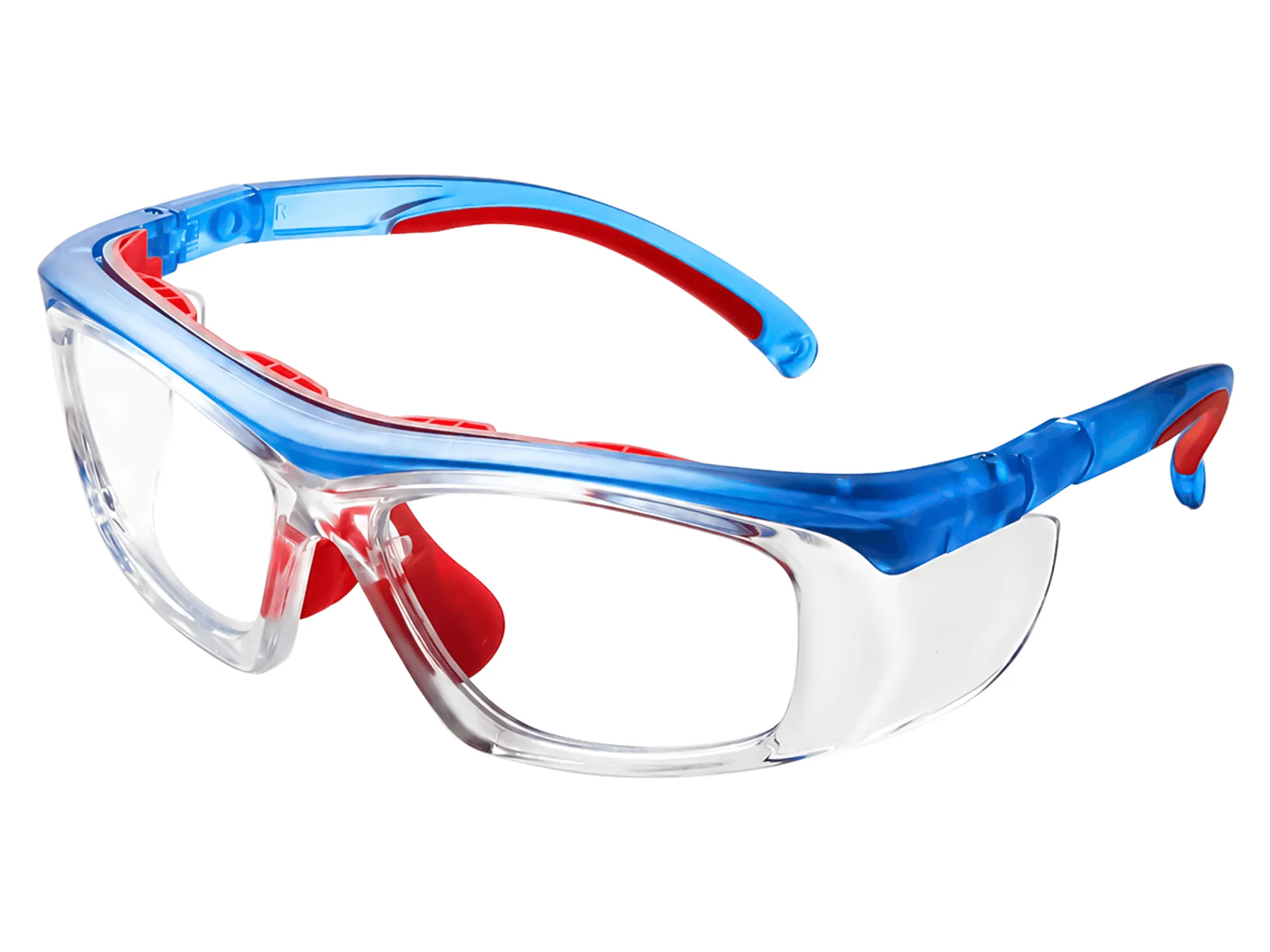
A safety frame that slides down your nose or pinches your temples won't protect you for a full shift. Check the frame width against your face: a 145 mm frame fits medium faces, while a 180 mm frame is built for wider heads or wearing over a helmet. Temple length tells you how the frame sits behind your ears. If you plan to wear the safety glasses over your regular prescription glasses, look for a frame with a large lens width and height, or choose a goggle-style frame with a strap.
When over-glasses or goggles make more sense
If you already own a comfortable pair of prescription glasses, you can wear safety glasses over prescription glasses as long as the outer frame is rated and fits without pressing your glasses into your face. This works for visitors, short tasks, or when you don't want a second prescription. For dusty or high-impact environments, sealed goggles with a strap stay put better than over-glasses. Side shield safety glasses add protection at the edges but still leave a gap at the top and bottom, so they are not a substitute for sealed goggles in fine dust.
Trade-offs to weigh
- Protection vs everyday look: ANSI Z87 safety frames are thicker and often have side shields or a strap. They protect better but stand out more than regular glasses. If you move between the office and the floor, keep a dedicated safety pair in your bag.
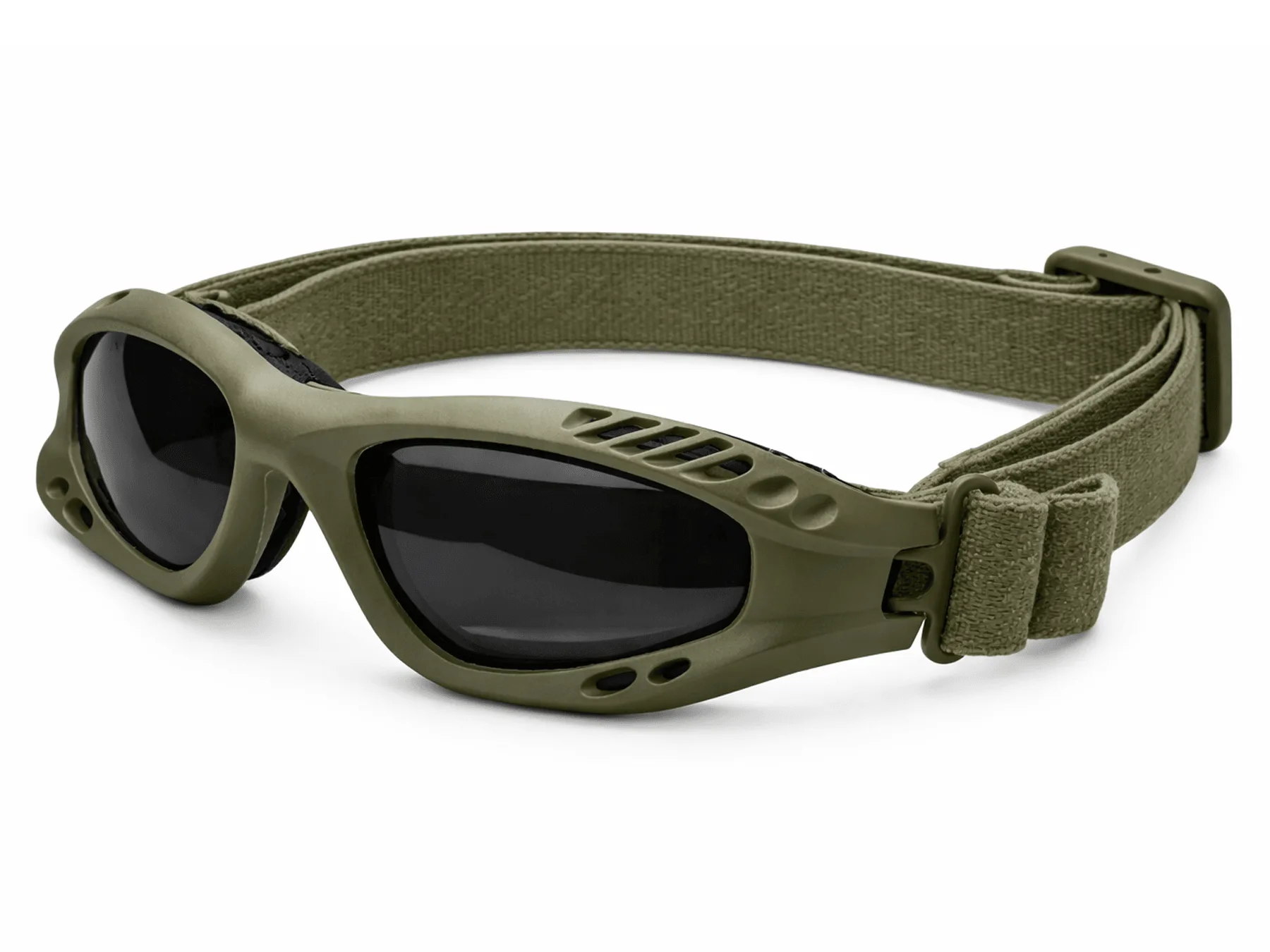
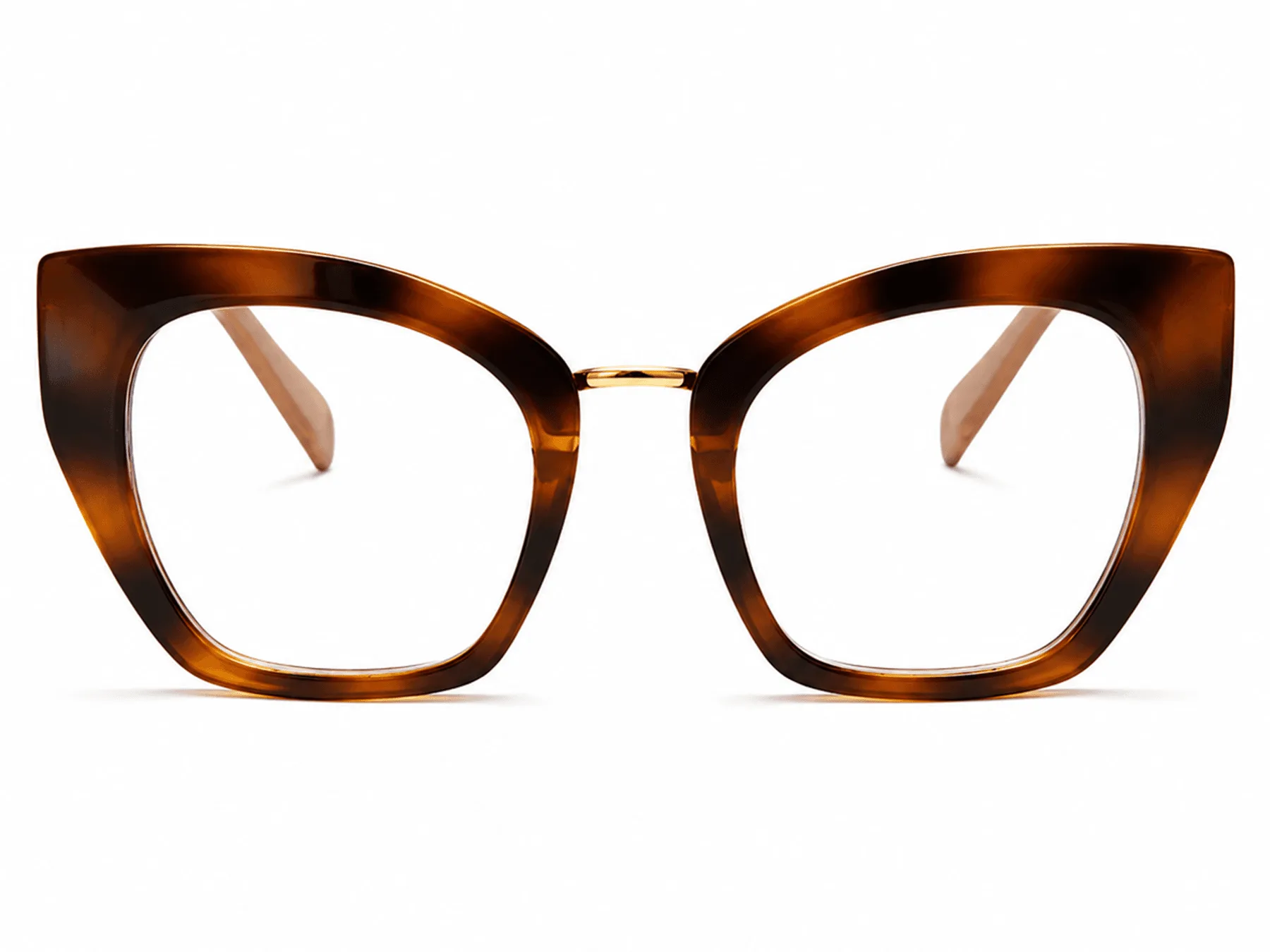
- Coverage vs weight: The Megatron goggles cover more of your face and fit over other glasses, but weigh 30 g versus 19 g for the Aubrey frame. Choose the lighter frame for all-day wear; choose the goggle for dusty or high-impact tasks.
- Prescription safety vs over-glasses: A prescription safety frame gives you one pair to manage, while over-glasses let you keep your current glasses but add bulk and possible pressure points. Try over-glasses first if your tasks are short and intermittent.
Product facts
- Aubrey Prescription Safety Rectangle Glasses: Aubrey Prescription Safety Rectangle Glasses: 55 mm lens width, 38 mm lens height, 145 mm frame width, 115 mm temple length, 18 mm bridge, 19 g, medium fit. A medium-fit rectangular frame that works for most adults who want a dedicated prescription safety pair without a bulky goggle.
- Megatron Prescription Safety Rectangle Motorcycle Goggles: Megatron Prescription Safety Rectangle Motorcycle Goggles: 65 mm lens width, 39 mm lens height, 180 mm frame width, 320 mm temple length, 16 mm bridge, 30 g, medium fit. The wider 180 mm frame and long 320 mm temple/strap give more room to wear over a helmet or over another pair of glasses, and the 30 g weight is the trade-off for that coverage.
Which setup fits your workday
Best for
- Workers who need impact-rated prescription eyewear for a full shift
- People with a medium face width who want a light rectangular safety frame
- Anyone who needs to wear safety eyewear over a helmet or over another pair of glasses
Not for
- Fine dust or chemical splash environments that require sealed goggles
- People who only need occasional eye protection for a few minutes
- Anyone who refuses to wear a second pair and expects regular glasses to meet Z87