Quick answer
For the top of stairs, choose a hardware mount gate—it screws into the wall or banister and won't shift under pressure. For doorways, hallways, or rental spaces, a pressure mount gate is a practical, tool-free option. If you're comparing baby gate types, match the mount to the location: hardware for stairs, pressure for flat openings.
How the two mounting styles actually work
Pressure mount gates wedge between two flat surfaces using rubber bumpers and tension. They stay put through friction and are easy to move or remove. Hardware mount gates attach with screws into wood, drywall, or banisters, creating a fixed hinge and latch point. That permanent connection is what makes them stable enough for stairways, where a gate must not budge even if a child pushes or leans on it.
Where each type makes sense in your home
Use a pressure mount gate at the bottom of stairs only if the manufacturer approves it—many do not. At the top of stairs, hardware mount is the standard recommendation. For doorways, hallways, and between rooms on the same level, pressure gates work well because the opening is flat and the gate doesn't need to hold against a fall hazard. Hardware gates also suit angled or uneven openings where pressure gates struggle to grip.
Installation differences you'll notice right away
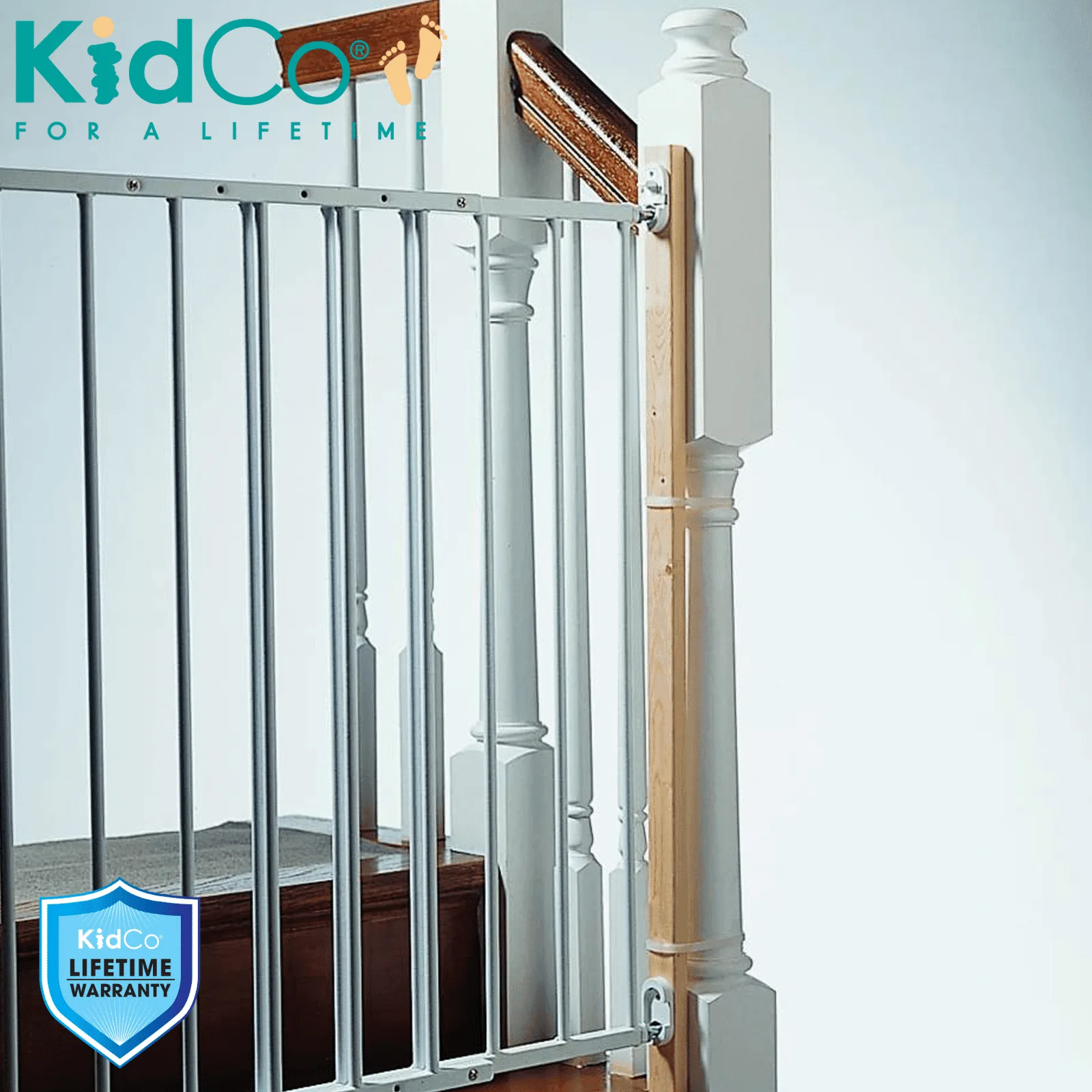
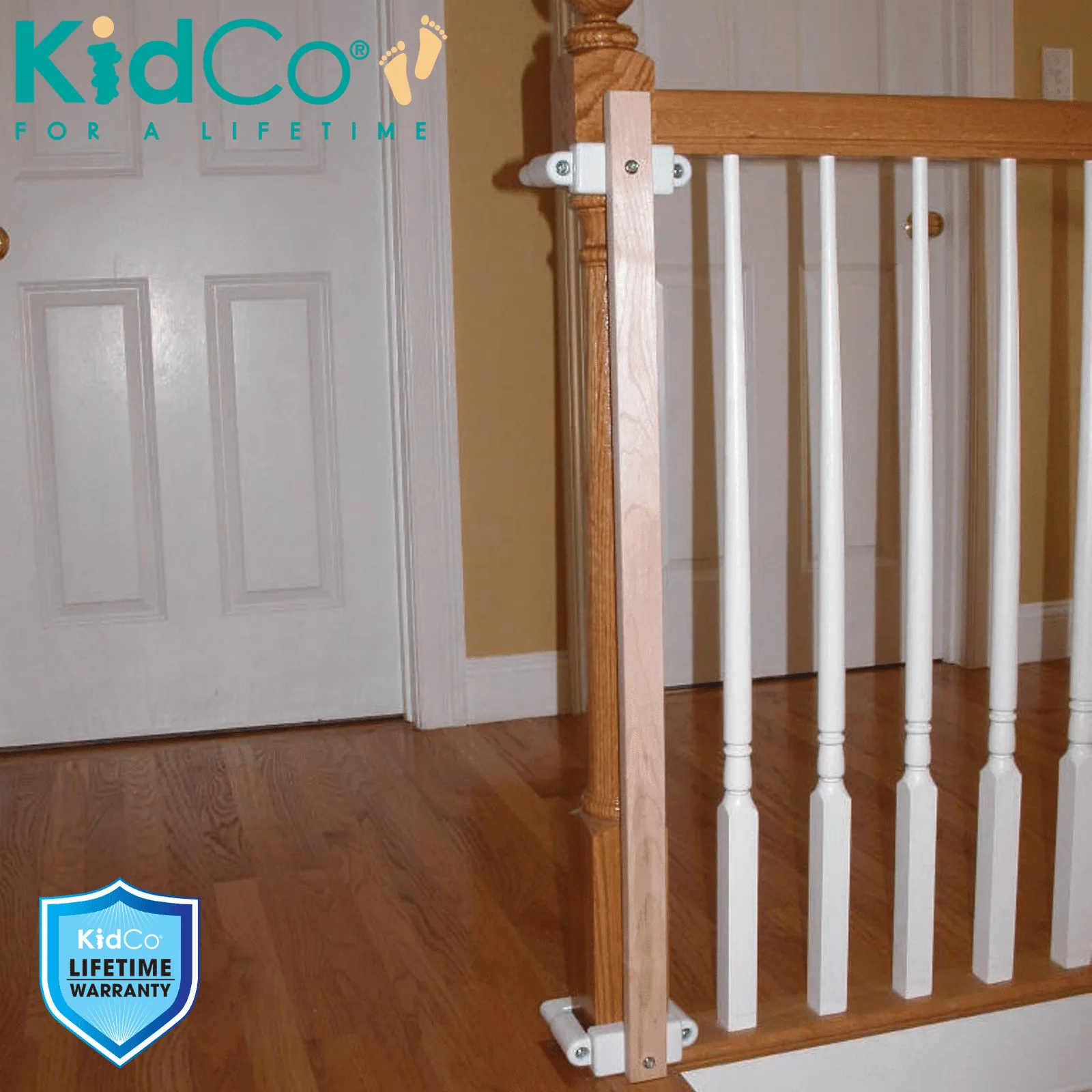
Pressure gates go up in minutes: extend the gate, press it into place, and tighten the knobs. No tools, no holes. Hardware gates take longer—you'll drill pilot holes, align brackets, and screw into studs or a banister. That effort pays off in stability. KidCo makes installation aids for both scenarios: the Stairway Gate Installation Kit (Model K12) supplies materials and fasteners to properly install any child safety gate to stairway, and the Gate Installation Kit includes materials for wood banisters. These kits solve the common problem that a 'one size fits all' gate design does not exist, especially with today's diverse stairway designs and materials.
Protecting your home while keeping kids safe
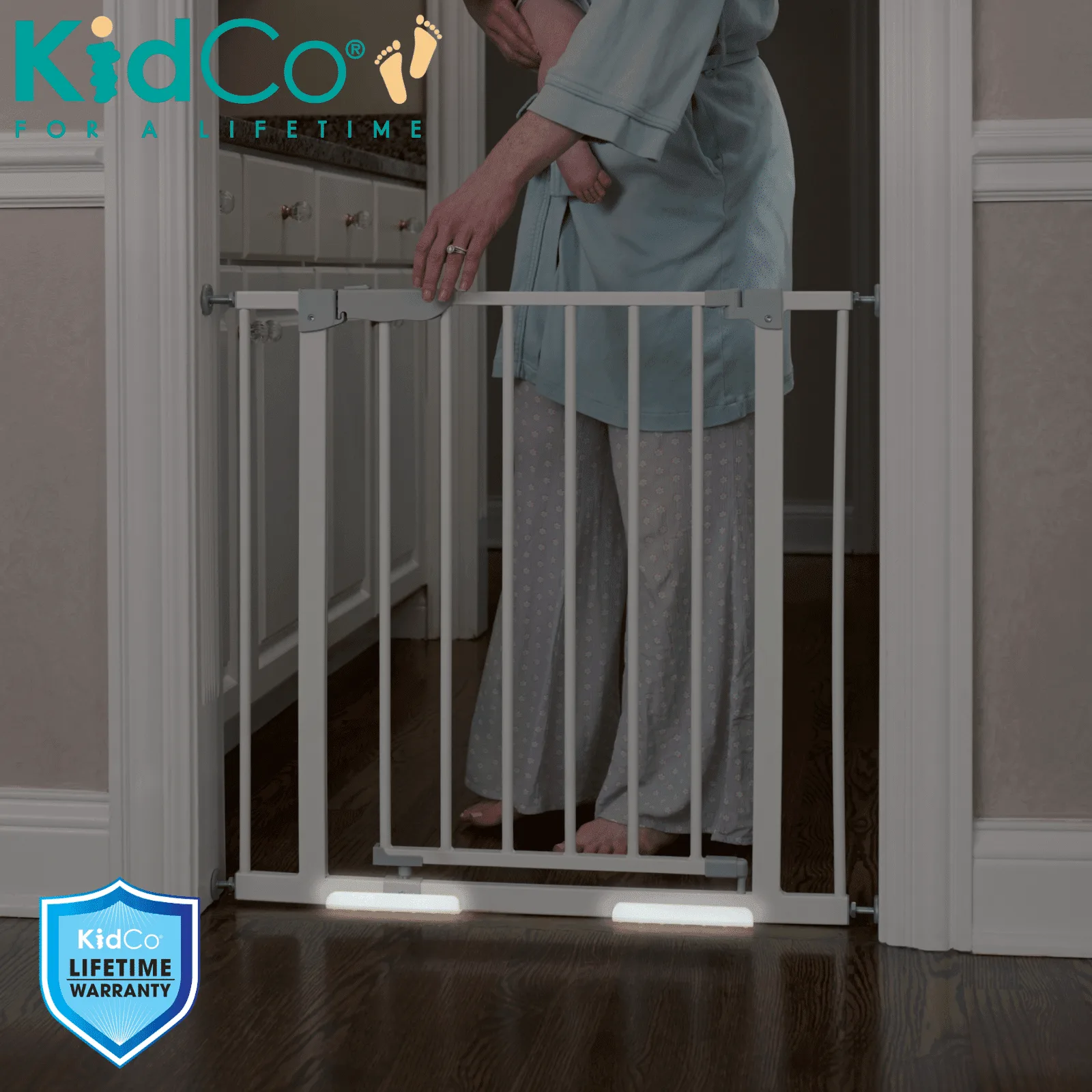
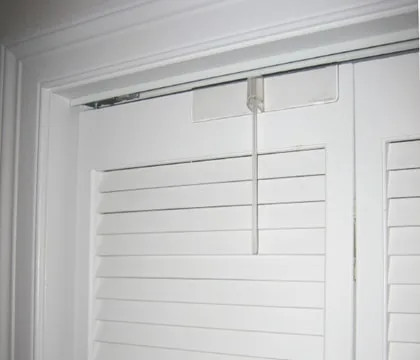
Hardware mount gates can leave small holes, but they're easily filled. Pressure gates can scuff paint or dent wood if overtightened. The KidCo GateMate Universal Floor Protector guards wood floors from scratches caused by baby gates and includes a glow-in-the-dark feature for gates with a bottom bar, alerting sleepy parents to a tripping hazard at night. For doorways you don't want to block permanently, consider a Bi-Fold Door Lock to secure cupboards and closets instead of a gate—it installs out of reach and withstands pulling and pushing from curious kids.
Trade-offs at a glance
- Stability: Hardware mount gates are fixed to the wall and cannot be pushed out of place; pressure mount gates rely on tension and can shift if not properly adjusted. For stairs, stability is non-negotiable—choose hardware.
- Installation effort: Pressure gates install in minutes with no tools; hardware gates require drilling and screwing into studs or banisters, typically 20–30 minutes. If you rent or move often, pressure gates are easier to relocate.
- Damage to home: Hardware gates leave screw holes that need patching; pressure gates can scuff paint or dent wood if overtightened. Use a floor protector like the GateMate to minimize pressure-gate marks.
KidCo products that help with either choice
- Stairway Gate Installation Kit: The Stairway Gate Installation Kit (Model K12) includes materials and fasteners necessary to properly install any child safety gate to stairway. If you choose a hardware mount gate for stairs, this kit provides the right hardware for a secure, code-compliant installation without guesswork.
- Gate Installation Kit: The Gate Installation Kit includes materials and fasteners to properly install any child safety gate to wood banisters. Banisters are common at the top of stairs; this kit lets you mount a hardware gate safely to wood without damaging the railing.
- GateMate Universal Floor Protector: The GateMate Universal Floor Protector protects wood floors from scratches caused by baby gates and includes a glow-in-the-dark feature for gates with a bottom bar. Works with either mount type to prevent floor damage and reduce nighttime tripping hazards.
- Bi-Fold Door Lock: The Bi-Fold Door Lock prevents access to cupboards and storage closets, installs easily, and withstands pulling and pushing from curious kids. A low-cost alternative to gating off a whole room when you only need to secure a closet or cupboard.
Which should you choose?
Choose this if…
- You need a gate at the top of stairs (hardware mount)
- You rent and want a temporary, tool-free solution (pressure mount)
- You have an angled or uneven opening (hardware mount with installation kit)
Avoid this if…
- You plan to gate the top of stairs with a pressure mount gate (not safe)
- You want a permanent, drill-free solution for a high-traffic doorway (pressure mount may shift over time)