Quick answer
Most bodysuit pilling and romper pilling comes from friction, not from a single bad wash. Wash these pieces inside out on cold and air dry them, then remove existing pills with a fabric shaver or sweater stone held flat against the surface. If the fabric has thinned into a bald patch or the seams are pulling apart, stop treating it and replace the piece instead.
You pull a bodysuit out of the drawer and the underarm area, the seat, or the strap edges look fuzzy and speckled. Nothing has torn, but it no longer looks smooth, and you are not sure whether to fix it or retire it.
Pilling is a friction problem more than a laundry problem. Once you know which surfaces rub and which fabrics shed, you can slow it down and clean up the pills that already formed without damaging the garment further.
What pilling actually is
Pilling happens when short fibers work loose from the fabric surface, tangle together, and form small balls. Friction from movement, a bag strap, a seatbelt, or a rough outer layer speeds this up. The pills stay attached until they break off or you remove them.
This matters because a pill is a symptom, not the cause. Shaving pills off a fabric that keeps shedding will only buy you time. Reducing the friction that loosens those fibers is what actually slows the process down.
- Look at where the pills cluster: underarms, inner thighs, seat, and strap edges are the usual friction points.
- Check whether pills sit on top of intact fabric or on a thin, see-through patch.
Symptom, cause, and fix at a glance
Different pill patterns point to different causes, and the fix changes with them. A few scattered pills after many wears is normal wear. A dense patch that appears after one wash usually means heat or abrasion in the laundry cycle.
Work through the pattern before you reach for a tool. If the fabric underneath is still full and opaque, removal is safe. If it is thin, stretched, or pilling again within days, the fiber structure is already compromised.
- Scattered pills on high-friction zones: normal wear, remove and reduce rubbing.
- Sudden heavy pilling after washing: heat or a rough cycle, switch to cold and air dry.
- Pilling plus thinning or shine: fiber damage, replace rather than treat.
How to prevent pilling on bodysuits
The fastest win is laundry. Turn the bodysuit inside out, wash it on cold with similar lightweight items, and skip the dryer. Heat and tumbling are two of the biggest accelerators of fiber breakage, and air drying removes both at once.
The second win is what you wear over it. A bodysuit layered under a rough knit, a stiff denim jacket, or a bag strap that sits in the same spot all day will pill faster than one worn alone. Rotating straps and smoothing rough inner seams on outer layers genuinely helps.
- Use a mesh laundry bag so straps and hooks do not snag other pieces.
- Skip fabric softener, which can leave residue that makes fibers clump.
- Give a bodysuit a rest day between wears so fibers recover.
How to prevent pilling on rompers
Rompers pill in predictable places: the inner thigh where legs rub, the seat where you sit, and the shoulder area under a bag strap. Because a romper is one piece, a worn patch in any of those zones is more visible than it would be on a separate top or bottom.
Sitting on rough surfaces such as concrete, textured outdoor chairs, or woven mats is a common and underrated cause. If you know you will be sitting on abrasive surfaces, that is a day to choose a smoother, denser fabric rather than a soft brushed one.
- Check inner thigh seams for early fuzz before it becomes visible pilling.
- Avoid rough seating when wearing softer, lofted fabrics.
- Wash rompers separately from towels, which shed lint and abrade.
How to remove pills from fabric safely
Lay the garment flat on a hard surface and pull the area gently taut. Run a fabric shaver in short, light passes with the fabric flat, not bunched. A sweater stone or fine pilling comb works the same way for softer knits. Stop every few passes and look at the fabric.
Never pull pills off by hand. That tugs more loose fiber to the surface and creates the next round of pills. If you do not own a shaver, a fine-tooth comb used lightly on a flat surface is a gentler alternative, though it is slower.
- Test on an inside seam or hem first to check how the fabric reacts.
- Work in one direction and empty the shaver often so it does not clog.
- Do not press hard or hold the shaver in one spot.
When to stop treating and replace instead
Stop treating a garment when the fabric under the pills is thin enough to see light through, when the surface looks shiny or flattened, or when pills return within a wear or two. Those are signs the fibers themselves have broken down, and no tool restores them.
Also stop if the seams near the pilled area are starting to pull or the elastic has lost its snap. At that point you are spending effort on a piece that will keep failing, and a replacement in a denser fabric will serve you better.
- Thinning, shine, or a bald patch: replace.
- Pills returning within days: replace or repurpose for lounging only.
- Seams or elastic failing alongside pilling: replace.
Pilling diagnosis: match the symptom to the right move
- Scattered pills on underarms, seat, or strap lines: Normal friction wear from movement, bags, and seating. Remove the pills with a fabric shaver on a flat surface and reduce repeated rubbing where you can. Treat and keep wearing.
- Heavy pilling right after a wash: Heat and tumbling in the washer or dryer broke fibers loose. Switch to cold washing inside out, use a mesh bag, and air dry from now on. Change the laundry routine first, then remove the pills.
- Pills sitting on thin, shiny, or see-through fabric: The fibers are already damaged, so removal will not restore the surface and new pills will keep forming in the same spot. Stop treating and replace the piece.
Catalog details worth checking before you buy
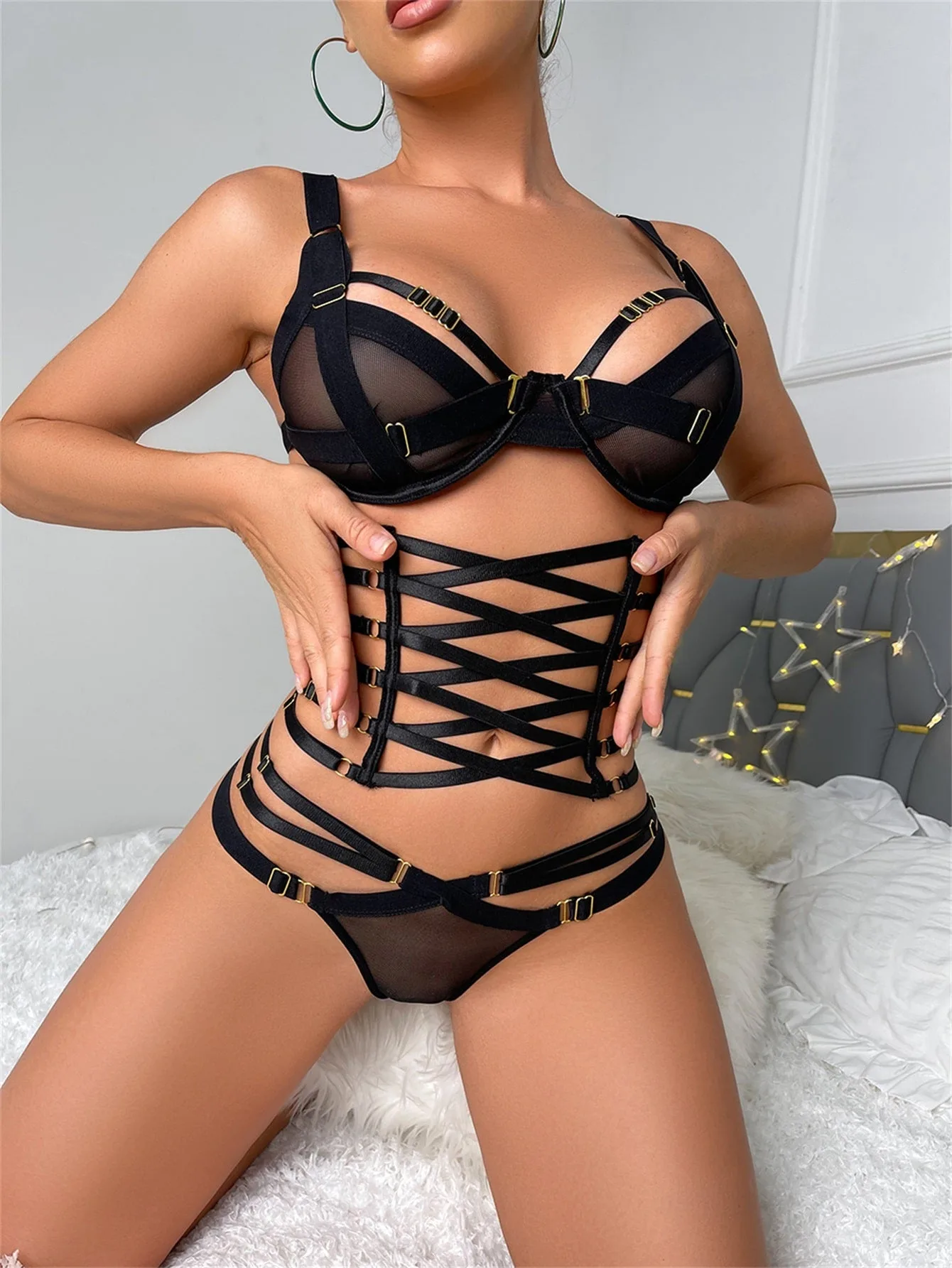
- Lay With Me: Available in sizes XS through L with a listed size chart covering bust, waist, and hip measurements, and offered in Size and Color options. A bodysuit that fits without stretching across the bust or seat creates less tension on the fabric, which is one of the practical ways to reduce friction-driven pilling.
- Party of Two: Available in sizes S through XL with a listed bust and waist chart, and offered in a Size option. Checking the bust and waist range before ordering helps you avoid sizing down into a fit that pulls, since constant stretch is a common contributor to surface wear.
- Top of the World 3 Piece Bikini Set: Available in sizes XS through L with listed top length, bottoms length, and waist measurements, and offered in Size and Color options. The published length and waist numbers let you compare against a piece you already own, so you can judge coverage before buying rather than after the first wear.
Pilling is manageable when you catch it early and treat the cause, not just the surface. Keep your bodysuits and rompers on cold, air dry them, and shave pills gently when they appear. When the fabric thins or pills keep returning, let that piece go and put the effort into a replacement that fits and wears better.