Quick answer
Most nursing bra chafing comes from a poor fit, seams, or fabric that traps moisture. Start by checking your band and cup fit, then switch to seamless, wirefree styles with soft recycled fabric—like the Infinite T-Shirt or My Everyday FlexFit—to reduce irritation. If soreness persists after a week, see a fit specialist or your healthcare provider.
Nursing bra discomfort can turn every feeding into a painful reminder of your postpartum body. Chafing, red marks, and sore spots are common, but they are not something you have to live with. The right adjustments can make a world of difference.
In this guide, we walk through the most frequent culprits behind nursing bra irritation and give you practical fixes you can try today. We’ll also point out when it’s time to switch to a different style—because comfort is non-negotiable when you’re caring for a newborn.
Check Your Band and Cup Fit
A too-tight band is a leading cause of chafing and pain. It can dig into your ribs and leave red welts. A too-loose band lets the bra move, causing friction on your shoulders and breasts. Your band should sit level and snug, but you should be able to slide two fingers under it.
Cup fit matters just as much. If your breasts spill over the top or sides, the fabric rubs against your skin. If the cup wrinkles, the bra shifts and causes irritation. Remember that your breast size changes during pregnancy and postpartum, so re-measure yourself every few weeks.
- Measure your band while exhaling, and your bust while leaning forward.
- Try a bra with adjustable straps and multiple hook positions for a custom fit.
Look for Seamless and Wirefree Designs
Seams and underwires are common culprits behind nursing bra discomfort. Underwires can press into tender breast tissue, especially if the bra doesn’t fit perfectly. Seams can rub against your skin with every movement.
Wirefree, seamless bras eliminate these issues. They provide support without digging in, making them ideal for everyday wear. Look for styles made from soft, stretchy fabric that moves with you rather than against you.
- Choose a wirefree bra for daily wear, especially during the early weeks of breastfeeding.
- If you need more shape, try a contour cup that is still wireless.
Choose Breathable, Moisture-Wicking Fabrics
Sweat and moisture trapped against your skin can lead to chafing and even fungal infections. Synthetic fabrics that don’t breathe can make you feel clammy and sore.
Look for nursing bras made from recycled nylon or other moisture-wicking materials. These fabrics pull sweat away from your skin, keeping you dry and reducing friction. Breathable lace panels can also help airflow.
Avoid bras with thick padding that traps heat. Instead, opt for unpadded or lightly lined cups that allow your skin to breathe.
- Wash your nursing bras regularly to remove sweat and bacteria that can irritate skin.
- Rotate between two or three bras so each one can air out between wears.
Adjust Your Bra Throughout the Day
Your breast size can fluctuate throughout the day, especially when you are breastfeeding. A bra that fits perfectly in the morning may feel tight after a feeding or when your breasts are engorged.
Take a few seconds to adjust your straps and band when you feel discomfort. Loosen the straps if they are digging in, and pull the band down if it has ridden up. If your bra has a front closure, check that it is not pressing into your sternum.
If you find yourself constantly adjusting, it may be a sign that the bra is not the right shape for your body.
- Keep a spare nursing bra in your diaper bag for quick changes.
- Use nursing pads to absorb leaks and reduce moisture against your skin.
When to Switch to a Different Style
Sometimes, even a well-fitting bra causes discomfort because the style is wrong for your body. For example, a T-shirt bra may flatten your shape, while a plunge bra may not offer enough coverage.
If you have a fuller bust, look for bras designed specifically for larger cup sizes. These often have wider straps, extra side support, and deeper cups to prevent chafing.
If you are between sizes or your weight is fluctuating, consider a multifit bra that stretches to accommodate changes. These can be a lifesaver during the early postpartum period.
- If you have a G cup or larger, choose a bra labeled 'busty' or 'full cup.'
- Try a multifit bra if you are between sizes or your breasts are still changing.
Diagnosing Your Nursing Bra Discomfort
- Symptom: Red marks under the band: Your band is likely too tight. Check the fit by trying the bra on the loosest hook and seeing if it still leaves deep indentations. If red marks persist after loosening, consider a larger band size or a bra with a wider band.
- Symptom: Chafing along the underwire or seams: Underwires or seams are rubbing against your skin. Switch to a wirefree, seamless style to eliminate the source of friction. If switching to wirefree does not help within a few days, consult a fit specialist.
- Symptom: Soreness that lasts all day: Your bra may be too small in the cup or too tight in the straps. Re-measure and adjust straps, or try a different style that offers more support. If soreness continues after a week of adjustments, see a healthcare provider to rule out other causes.
Nursing Bras Designed for Comfort
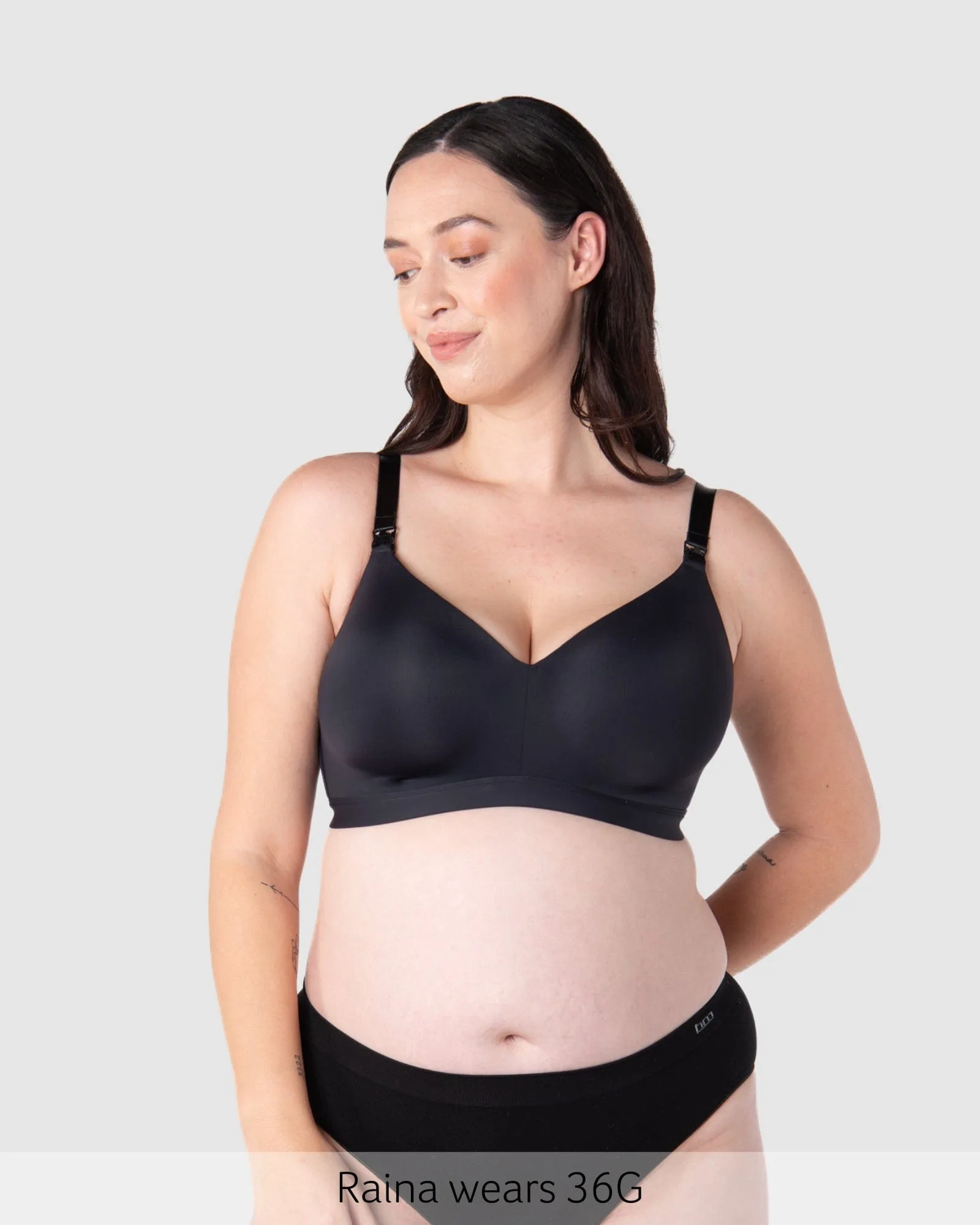
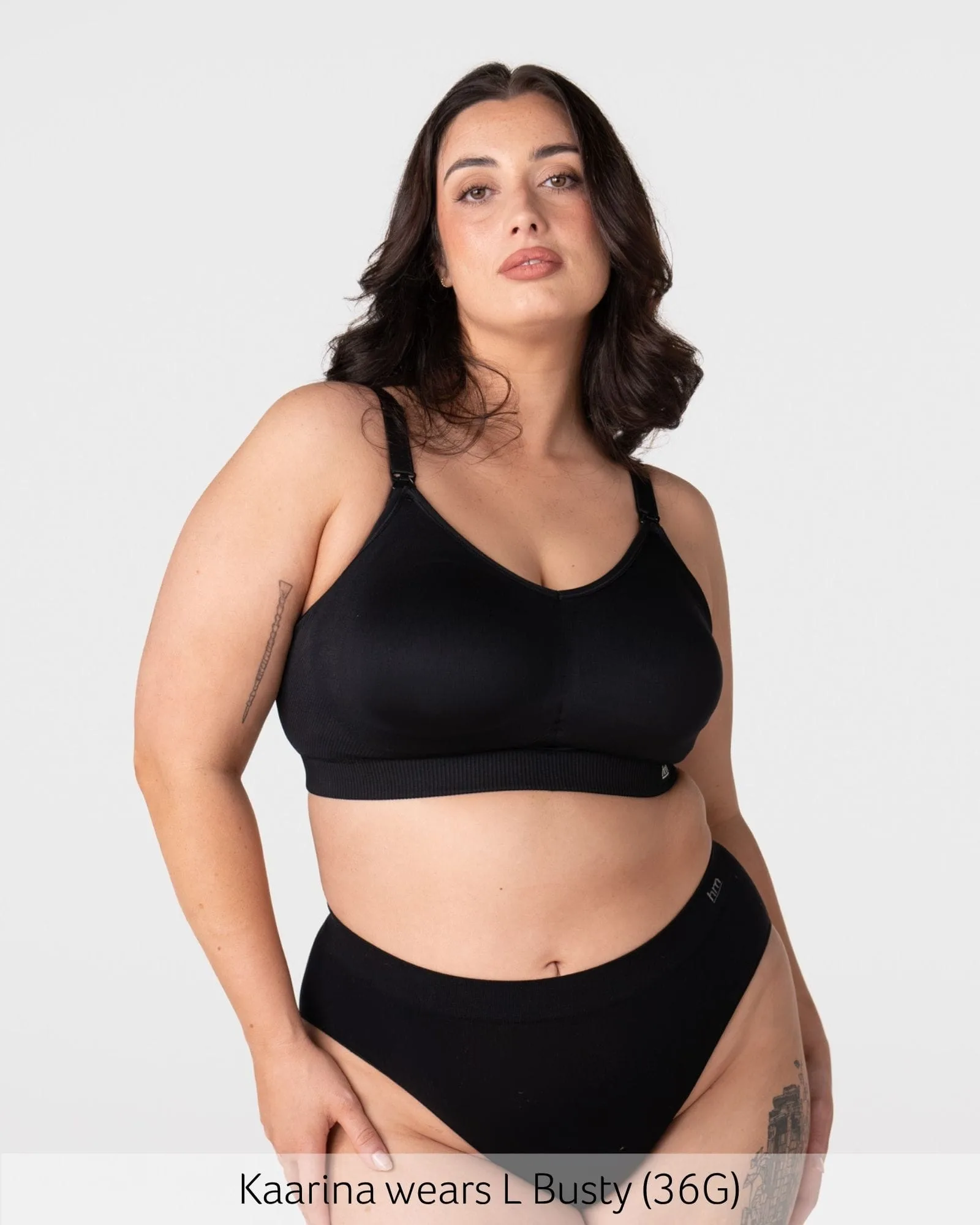
- Infinite T-Shirt Nursing Bra - Black: Support, shape, and zero wires—Infinite does it all. With smooth contour cups that lift and conceal, plus a silky recycled finish, this wireless nursing bra proves you can have comfort and style in one. The smooth contour cups and wireless design minimize seams and pressure points, making it a great choice for everyday wear without chafing.
- My Everyday FlexFit Nursing Bra - Black Busty: Who says an M cup can’t be wireless? My Everyday Busty proves comfort and support can coexist—no wires, no compromise. Crafted from recycled nylon, this seamless nursing bra is designed for fuller busts with moulded unpadded cups, targeted support zones, and a double-layer back for smoothing. If you have a fuller bust, this seamless style provides targeted support without wires or seams that can rub and irritate.
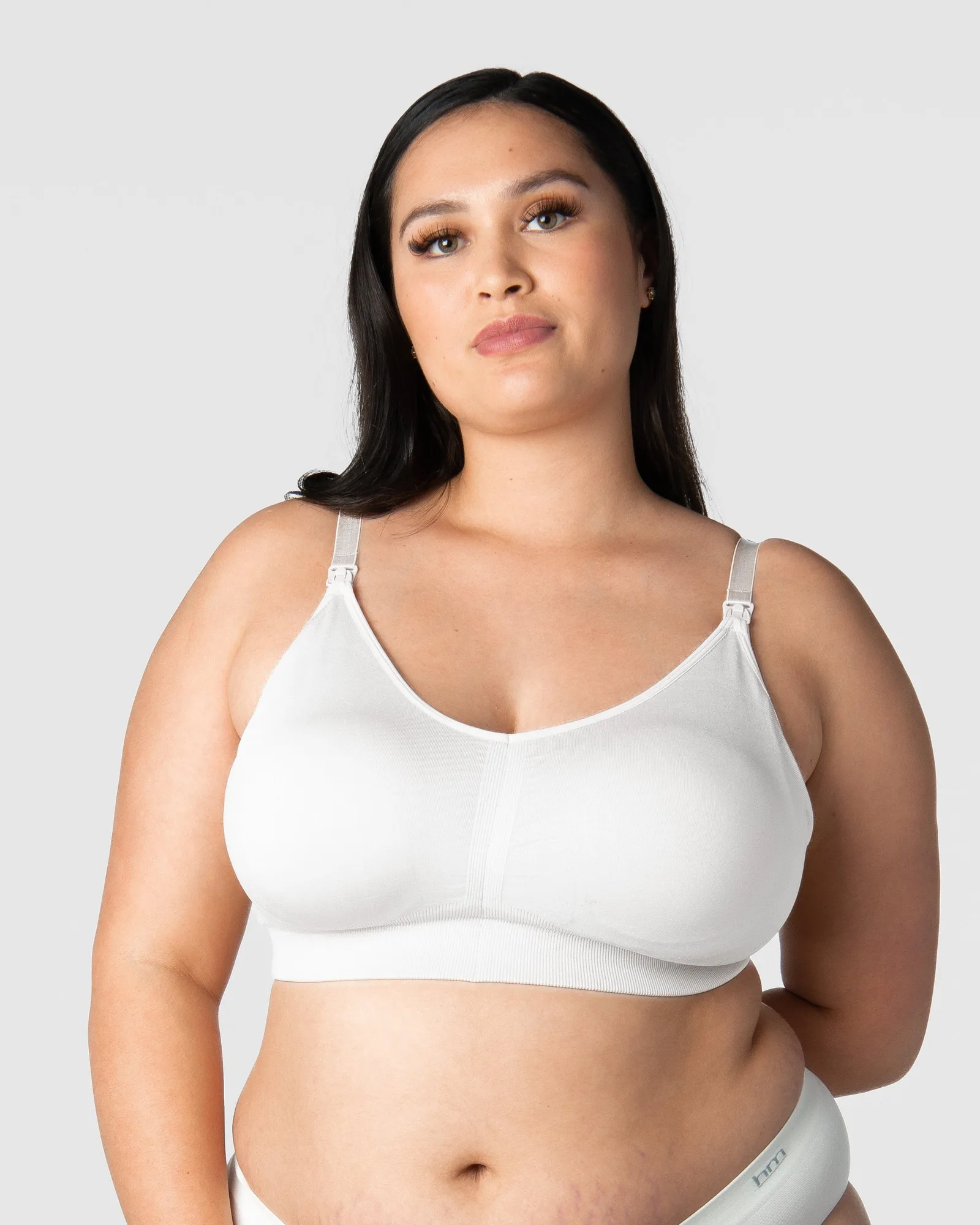
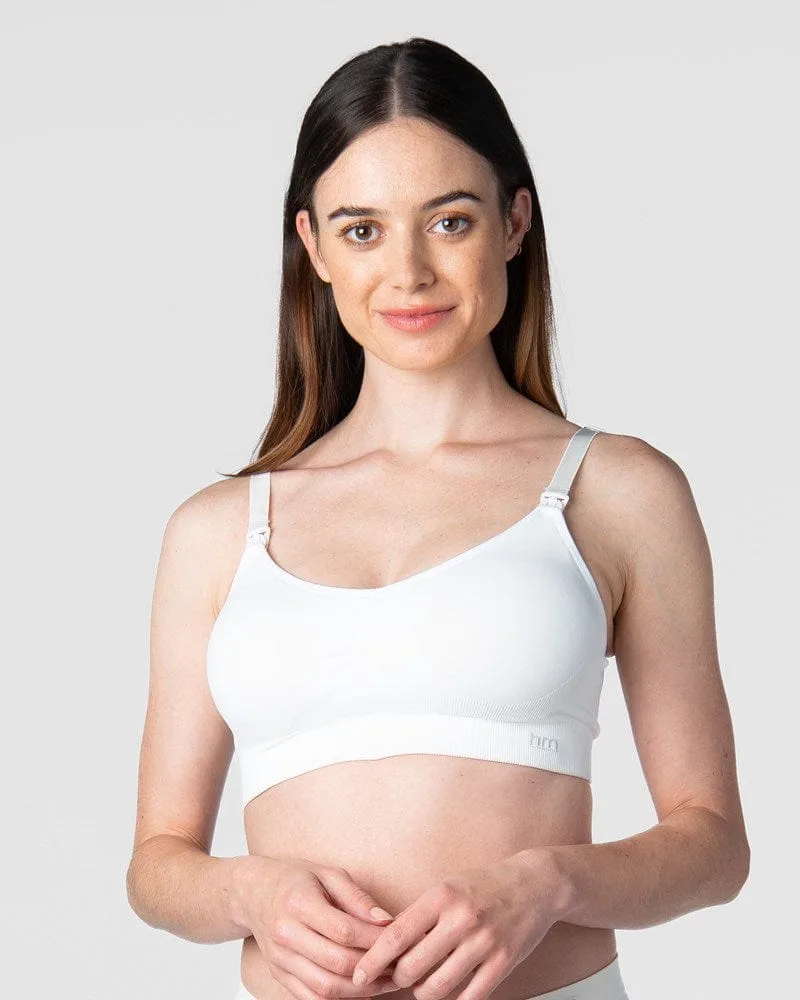
- https://hotmilklingerievfg.com/products/my-necessity-wirefree-multifit-white-busty-8994fe09a5e13c64fb859576-1035893My Necessity Wirefree Nursing Bra - White Busty: The comfortable nursing bra every mama needs. Crafted from ultra-soft recycled nylon, My Necessity is a seamless, wirefree maternity and nursing bra designed to move with your changing body from pregnancy through postpartum. With flexible sizing that expands up to four cup sizes, this bra offers gentle support and unmatched softness—perfect for hospital stays, overnight wear, and everyday comfort. Its flexible sizing adapts to your changing shape, reducing the risk of tight bands or shifting cups that cause soreness.
Nursing bra discomfort is a signal that something needs to change. Start with fit, then look at fabric and style. Seamless, wirefree options with breathable recycled nylon can prevent chafing and keep you comfortable through the many months of nursing. And when your body changes, do not hesitate to try a new bra—your comfort is worth it.