Quick answer
Stop red sneaker dye from bleeding onto socks and laces by sealing the inside of the shoe with a color-fixing spray or a light coat of clear leather sealant, then wear dark socks until the bleeding stops. If the shoe is damp or new, let it dry fully and apply a second seal. If dye still transfers after two treatments, stop and consider professional help or avoid wearing those sneakers with light-colored socks.
You pull off your red sneakers and find pink stains on your socks or laces. It is annoying, but it is also common, especially with new or damp footwear. The fix depends on whether the dye is coming from the lining, the leather, or leftover moisture.
This guide separates the symptom from the likely cause, gives you corrective steps you can do at home, and tells you when to stop so you do not damage the shoe. It also covers how to choose red sneakers that are less likely to bleed in the first place.
Why red dye bleeds onto socks and laces
Red dye is one of the most mobile colors in footwear. It can transfer when the shoe is new, when it gets wet from rain or sweat, or when the lining is made of a material that releases color easily. The transfer usually happens on the inside heel, the tongue, or the eyelet area where laces rub against dyed leather or fabric.
In used shoes, bleeding can also come from a previous owner's cleaning products or from dye that was never fully set at the factory. If you bought secondhand, the shoe may have been stored in humid conditions, which can reactivate dye. Check the inside for any dampness or sticky residue before you treat anything.
- New shoes are most likely to bleed in the first few wears.
- Dampness from sweat or rain makes dye transfer worse.
- Laces that rub against dyed eyelets pick up color quickly.
How to stop dye transfer from sneakers
Start by letting the shoes dry completely at room temperature, away from direct heat. Once dry, apply a color-fixing spray designed for leather or fabric, following the product instructions. Spray the inside lining and the areas where your socks and laces make contact. Let it cure for at least 24 hours before wearing.
If spray alone does not work, use a clear leather sealant on the inside heel and tongue. Apply a thin coat with a cotton swab and let it dry. Do not soak the material. For fabric sneakers, a fabric-specific dye fixative is safer than a leather product. Always test on a small hidden area first.
- Dry the shoes fully before any treatment.
- Use a color-fixing spray for leather or fabric as appropriate.
- Apply a thin clear sealant only on the inside contact points.
- Let treatments cure for 24 hours before wearing.
What to do if bleeding continues
If dye still transfers after two treatments, the color may be unstable or the lining may be saturated. At that point, stop applying more product. Over-treating can stiffen the leather, leave residue, or damage the shoe's finish. Instead, switch to dark socks and laces, or reserve the sneakers for dry conditions and short wears.
For valuable or sentimental pairs, a professional shoe repair specialist can assess whether the lining needs to be replaced or the dye needs to be stripped and re-set. This is usually more expensive than the shoe is worth for casual sneakers, so weigh the cost against the value of the pair.
- Stop after two failed treatments to avoid damage.
- Use dark socks and laces as a practical workaround.
- Consider a professional only for high-value or irreplaceable shoes.
Choosing red sneakers less likely to bleed
When shopping, look for sneakers with a light-colored or natural leather lining, which tends to show less transfer than heavily dyed linings. Leather uppers that are dyed through rather than surface-painted are also less likely to crock. If you buy secondhand, ask about the shoe's history and check the inside for any signs of previous bleeding or staining.
At 2nd STREET, each item listing includes condition notes and material details. For example, a used pair in good condition may still bleed if the lining is dyed, but the listing helps you set expectations. Read the condition and material fields carefully before you buy.
- Choose lighter linings when possible.
- Prefer leather that is dyed through, not just coated.
- Check secondhand listings for condition and material notes.
Diagnosis: symptom, cause, action, and stop point
- Symptom: pink or red stains on socks and laces: Dye is transferring from the shoe's lining or leather to whatever rubs against it. Confirm by wearing dark socks for a day; if they stay clean, the shoe is not bleeding.
- Likely cause: new or damp dyed material: New shoes often have excess surface dye, and moisture from sweat or rain reactivates it. Let shoes dry fully, then apply a color-fixing spray or sealant.
- Corrective action: seal and cure: Use a product appropriate for the material, apply thinly, and let cure for 24 hours. If bleeding continues after two treatments, stop and switch to dark socks or seek professional help.
Product facts to know
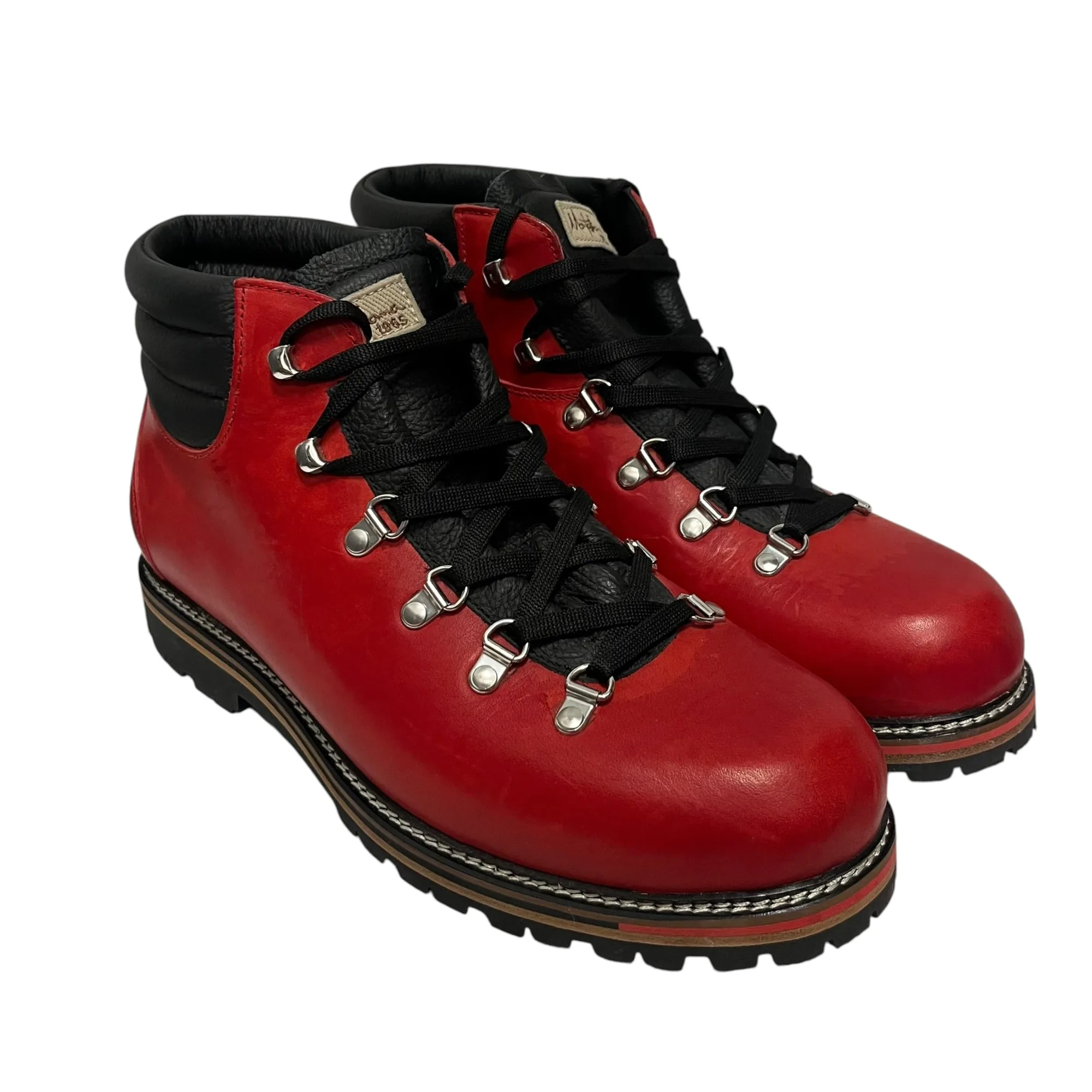
- Montelliama/Lace Up Boots/EU 43/Leather/RED/: Size US 10, color red and black, material leather, condition used_good. A red leather boot in used condition may still transfer dye, especially if the lining is dyed. Knowing the material and condition helps you decide whether to treat it before wearing with light socks.
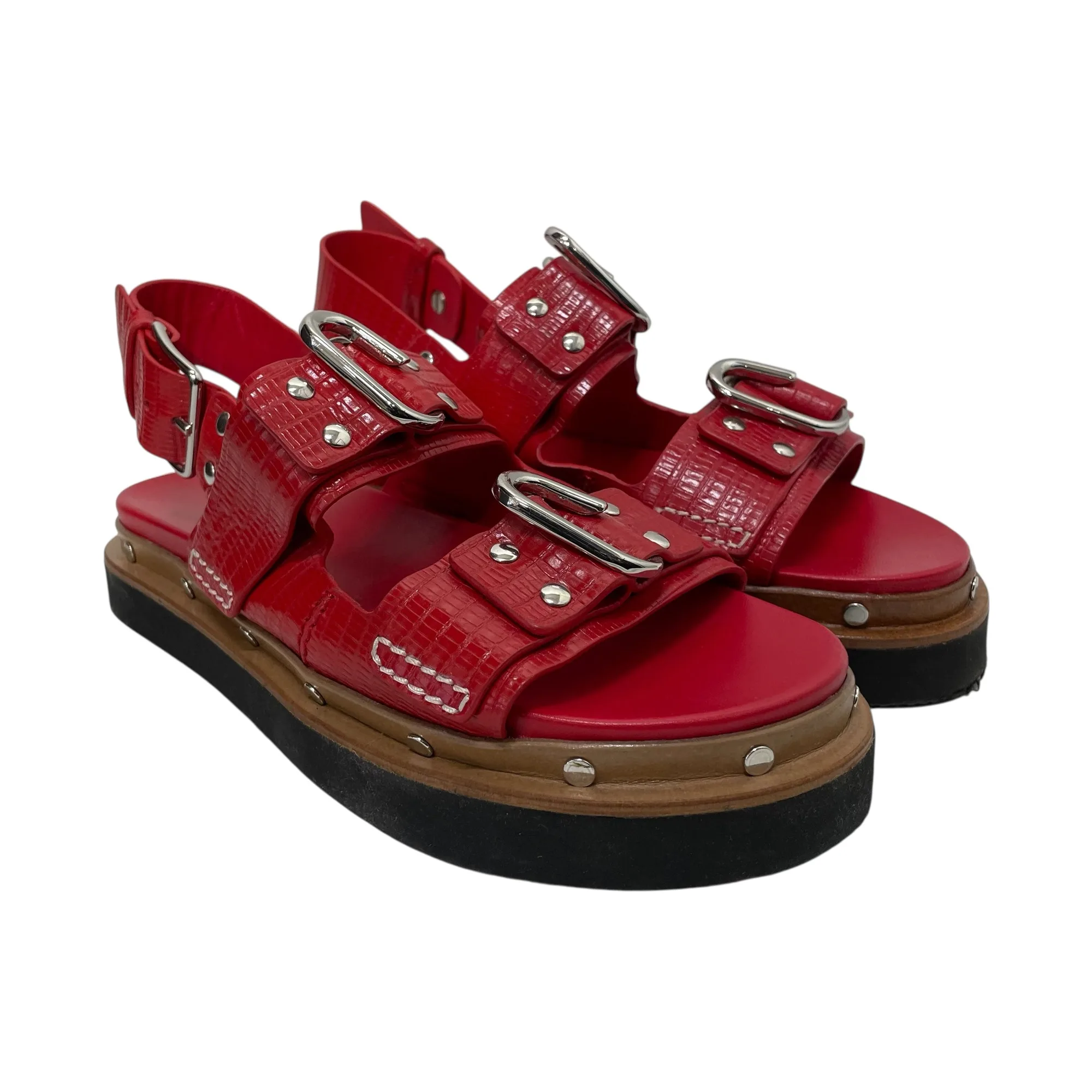
- 3.1 phillip lim/Sandals/EU 39/Leather/RED/RING ON BUCKLE: Size EU 39, color red, material leather, condition used_good. Red leather sandals can bleed onto feet or hosiery, particularly in heat or humidity. This listing's material and size help you plan care and fit.
Red dye bleeding is a manageable problem, not a reason to give up on red sneakers. Dry the shoes, seal the inside contact points, and give the treatment time to cure. If the bleeding persists, protect your socks and laces with dark colors, and consider whether the pair is worth a professional fix. When shopping, use condition and material details to choose shoes that are less likely to bleed from the start.