Quick answer
Choose printed webbing when you want the strap to be a design feature that adds pattern and personality without extra piecing. Choose solid webbing when you need a neutral, versatile strap that lets your main fabric or hardware stand out. Both are durable and easy to sew; the real decision is about visual impact versus flexibility.
When you're planning a bag, the strap is often an afterthought—but it's one of the first things people notice. Printed webbing and solid webbing each bring different strengths to a project, and picking the right one can make the difference between a bag that looks homemade and one that looks handmade.
In this comparison, we'll look at real examples from our shop to show how printed and solid webbing behave in practice, what they pair well with, and when to choose each. You'll also get design ideas and practical tips for using patterned webbing and solid webbing in your next bag.
What is printed webbing?
Printed webbing is a woven strap that features a pattern or design created through printing or jacquard weaving. It can range from subtle geometrics to bold novelty prints. These webbings are often made from polyester or nylon and are designed to be both functional and decorative. Because the pattern is built into the webbing, you don't need to piece together multiple fabrics to get a designer look.
In our shop, a good example is Coffee House - Tile Jacquard Webbing. It's made from quality polyester and designed to feel comfortable and withstand time. The jacquard weave gives it a rich, textured appearance that works well for bag straps that are meant to be seen.
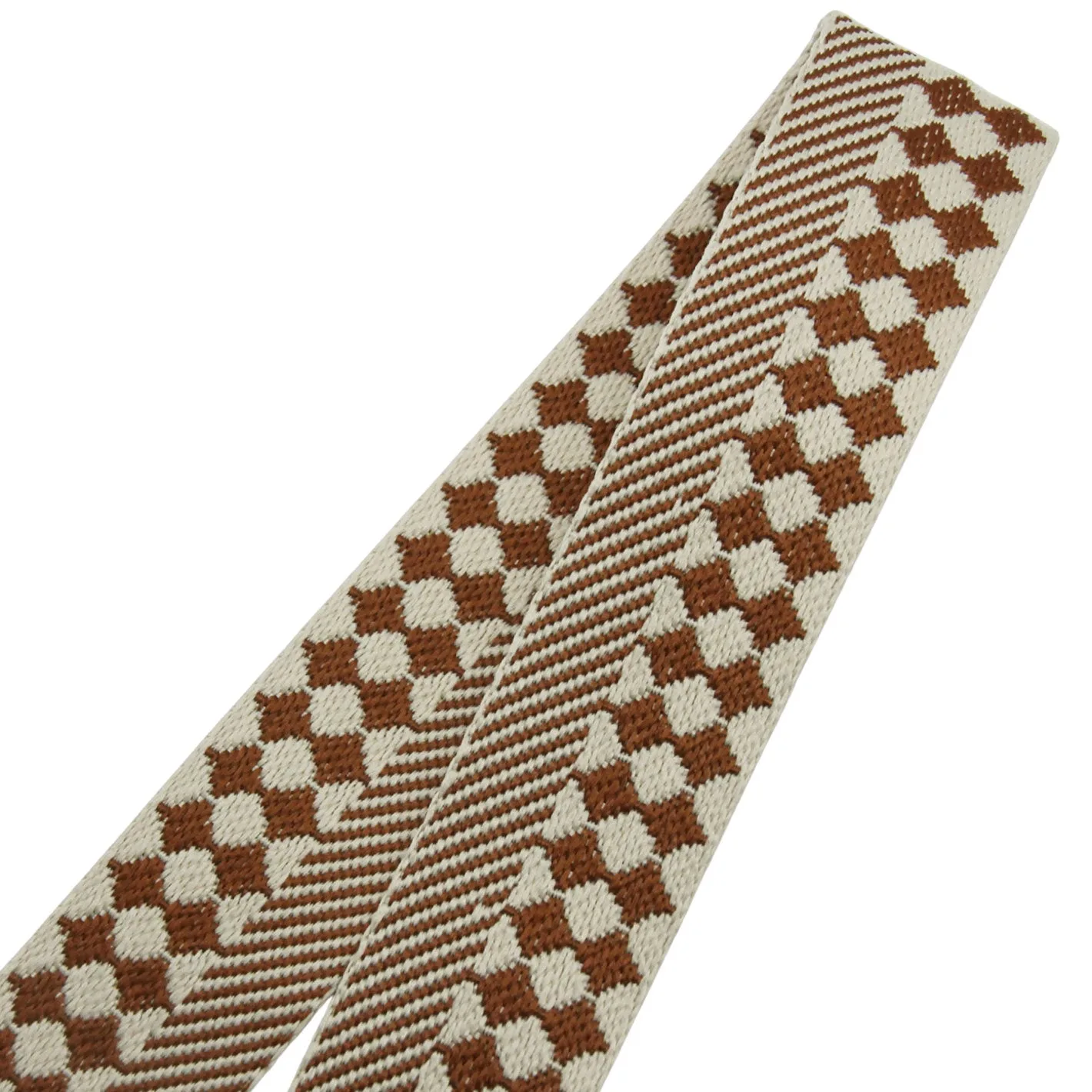
Coffee House - Tile Jacquard Webbing
- Printed webbing can hide minor stains and wear better than light solid colors.
- It adds visual interest without adding weight or bulk.
What is solid webbing?
Solid webbing is a single-color strap, typically made from nylon or polyester. It's the workhorse of bag making: neutral, strong, and endlessly versatile. Solid webbing comes in many widths, colors, and finishes, from matte to shiny. Because it doesn't compete with other patterns, it's a safe choice when your bag fabric is already busy.
For example, Black - Nylon Herringbone Webbing is a 100% nylon webbing that's easy to sew and looks stylish. It's a favorite for bag straps and handles because it pairs with almost any fabric and hardware. The herringbone texture adds a subtle detail while staying understated.
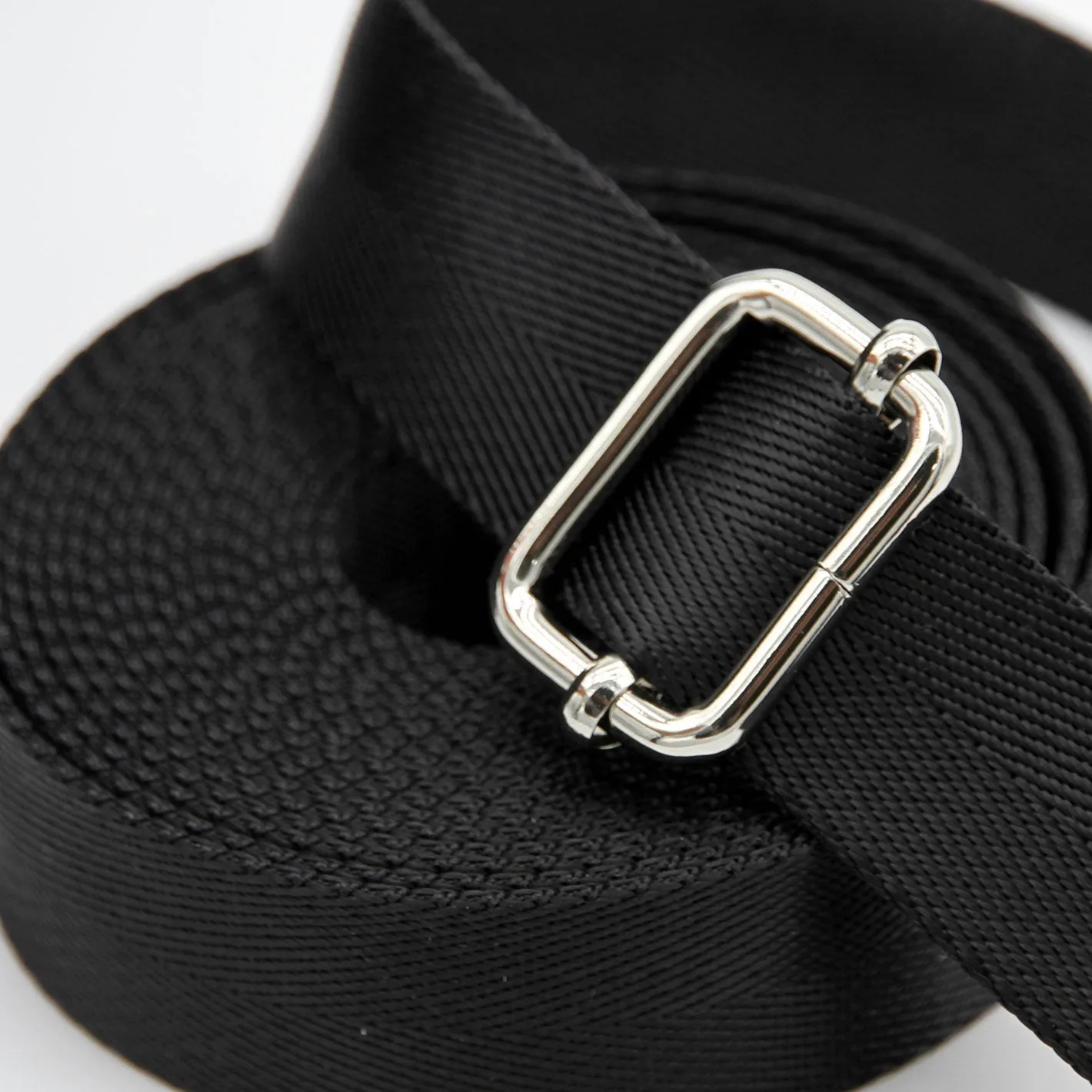
Black - Nylon Herringbone Webbing
- Solid webbing is ideal for unisex designs or when you want the hardware to be the focal point.
- It's easy to coordinate with zippers, linings, and faux leather accents.
Design ideas for printed webbing
Printed webbing shines when you want the strap to be a statement. Use a patterned webbing as the main strap on a simple tote or crossbody bag with a solid fabric body. The contrast between a plain bag and a patterned strap creates a focal point without overwhelming the design. For a cohesive look, pick one color from the webbing and repeat it in your zipper tape or lining.
Another idea: use printed webbing for adjustable straps on a backpack or purse. Because the pattern runs along the length, it adds a continuous design element that moves with the bag. You can also mix printed webbing with solid webbing—for example, a printed strap with a solid handle—to create a balanced, custom look.
- Pair a bold printed webbing with a neutral faux leather for a modern contrast.
- Use a subtle jacquard webbing when you want texture without a loud pattern.
Design ideas for solid webbing
Solid webbing is perfect for projects where the fabric is the star. If you're using a printed cotton, a vibrant faux leather, or a complex quilted panel, a solid strap keeps the focus on your main material. It's also the go-to for classic styles like a black-and-white tote or a minimalist crossbody.
Solid webbing is also great for color-blocking. Choose a strap color that matches a small accent in your bag, such as the zipper pull or the lining. This creates a pulled-together look without being matchy-matchy. For a subtle twist, try a webbing with a tonal texture, like herringbone or a slight sheen.
- Use solid webbing when you want your bag to work with multiple outfits.
- It's ideal for beginners because it's forgiving and easy to coordinate.
Durability and care
Both printed and solid webbing are typically made from synthetic fibers like nylon or polyester, which are strong, colorfast, and resistant to stretching. They can be spot-cleaned with mild soap and water. Printed webbing may show wear differently depending on the print, but quality jacquard webbing is designed to withstand regular use.
When sewing, always heat-seal the ends of synthetic webbing to prevent fraying. This is especially important for printed webbing if the pattern is printed rather than woven, as heat sealing can sometimes affect the print. Test on a scrap first. Solid webbing is generally more forgiving with heat sealing.
- Avoid ironing directly on printed webbing; use a pressing cloth.
- For heavy use, consider adding a lining to the strap for extra strength.
Trade-offs: Printed vs Solid Webbing
- Visual impact: Printed webbing makes the strap a focal point, while solid webbing recedes and lets other elements shine. Choose printed if you want the strap to be a design feature; choose solid if you want a supporting role.
- Versatility: Solid webbing matches more fabrics and can be used across multiple projects. Printed webbing is more specific and may not suit every bag. If you're building a stash, solid webbing offers more flexibility; printed is for when you have a specific design in mind.
- Sewing and care: Both are easy to sew, but printed webbing may require more care when heat sealing and pressing to avoid damaging the pattern. Test heat sealing on a scrap of printed webbing before finishing your strap.
Product facts
- Coffee House - Tile Jacquard Webbing: Made from quality polyester, designed to feel comfortable and withstand time. Pairs well with swivel hooks and adjustable sliders. This printed webbing adds a designer look to bag straps and is durable for everyday use. The polyester construction means it's easy to sew and holds up well.
- Black - Nylon Herringbone Webbing: 100% nylon webbing, easy to sew, looks stylish and feels amazing. Heat seal the ends to prevent fraying. This solid webbing is a versatile choice for bag straps and handles. Its subtle herringbone texture adds interest while remaining neutral.
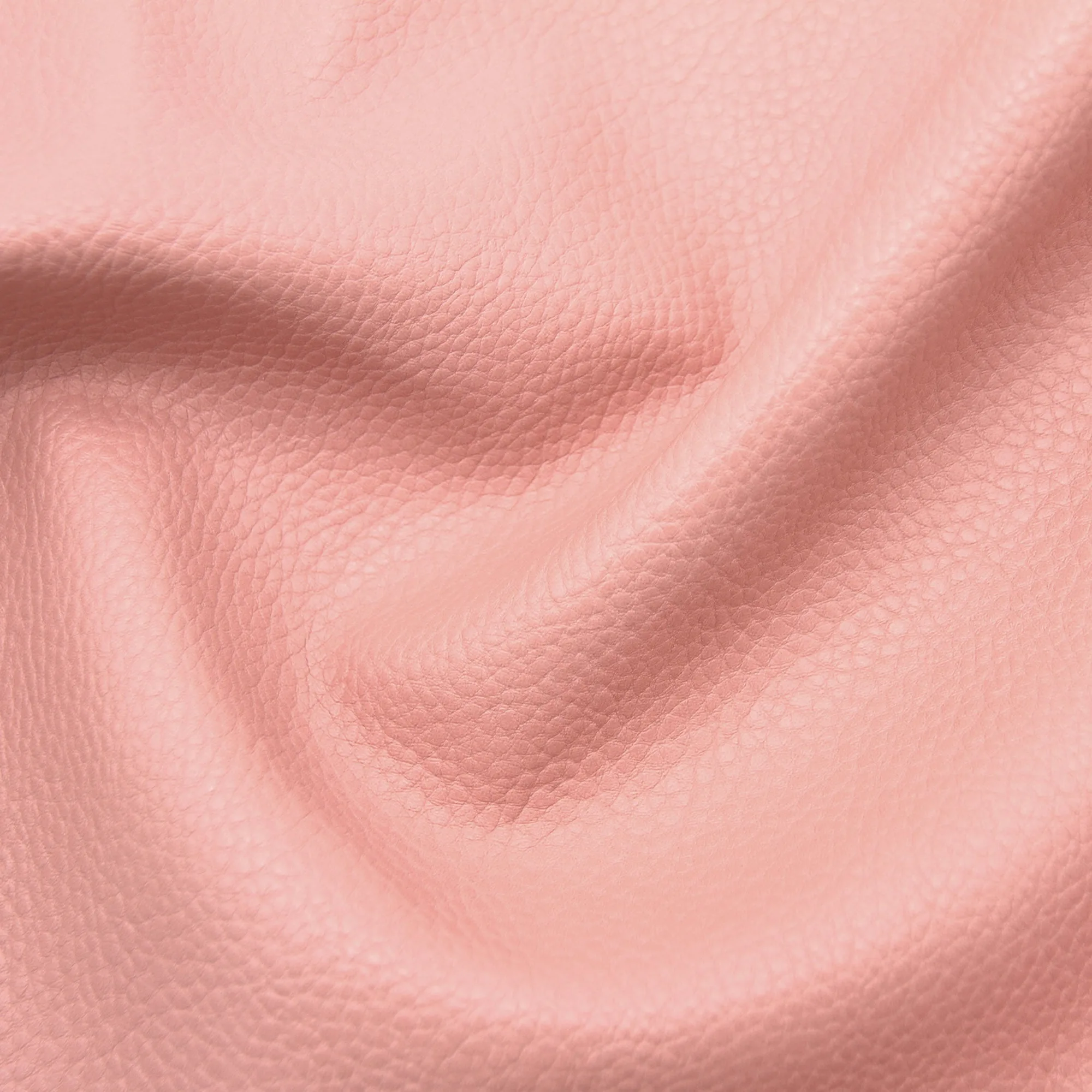
- Teacup Rose - Pebble Faux Leather: Durable, easy to maintain, moisture-resistant, made from PU with a fleece backing, approximately 1.2mm thick. This faux leather can be used for bag accents or straps. It pairs well with both printed and solid webbing, offering a cohesive look.
Which should you choose?
Best for printed webbing
- Makers who want a bag strap to be a statement piece
- Projects with solid-colored bag bodies that need a pop of pattern
- Designs where the strap is a key visual element
Not for printed webbing
- Bags with busy prints or multiple patterns
- Projects where you want the hardware or fabric to be the star
- Makers who prefer a minimalist, understated look
Both printed and solid webbing have a place in bag making. Printed webbing brings personality and can turn a simple bag into something special, while solid webbing offers timeless versatility. Consider your overall design, your fabric choices, and how you want the strap to function. With the right webbing, your bag will not only look great but also stand up to everyday use.