Quick answer
Buy a prize figure when you want a recognizable character on a budget and don't mind simpler paint and seams. Buy a scale figure when the sculpt, finish, and presence matter enough to justify the higher cost. If you're unsure, start with a prize figure, then upgrade to a scale piece for the character you care about most.
What actually separates a prize figure from a scale figure
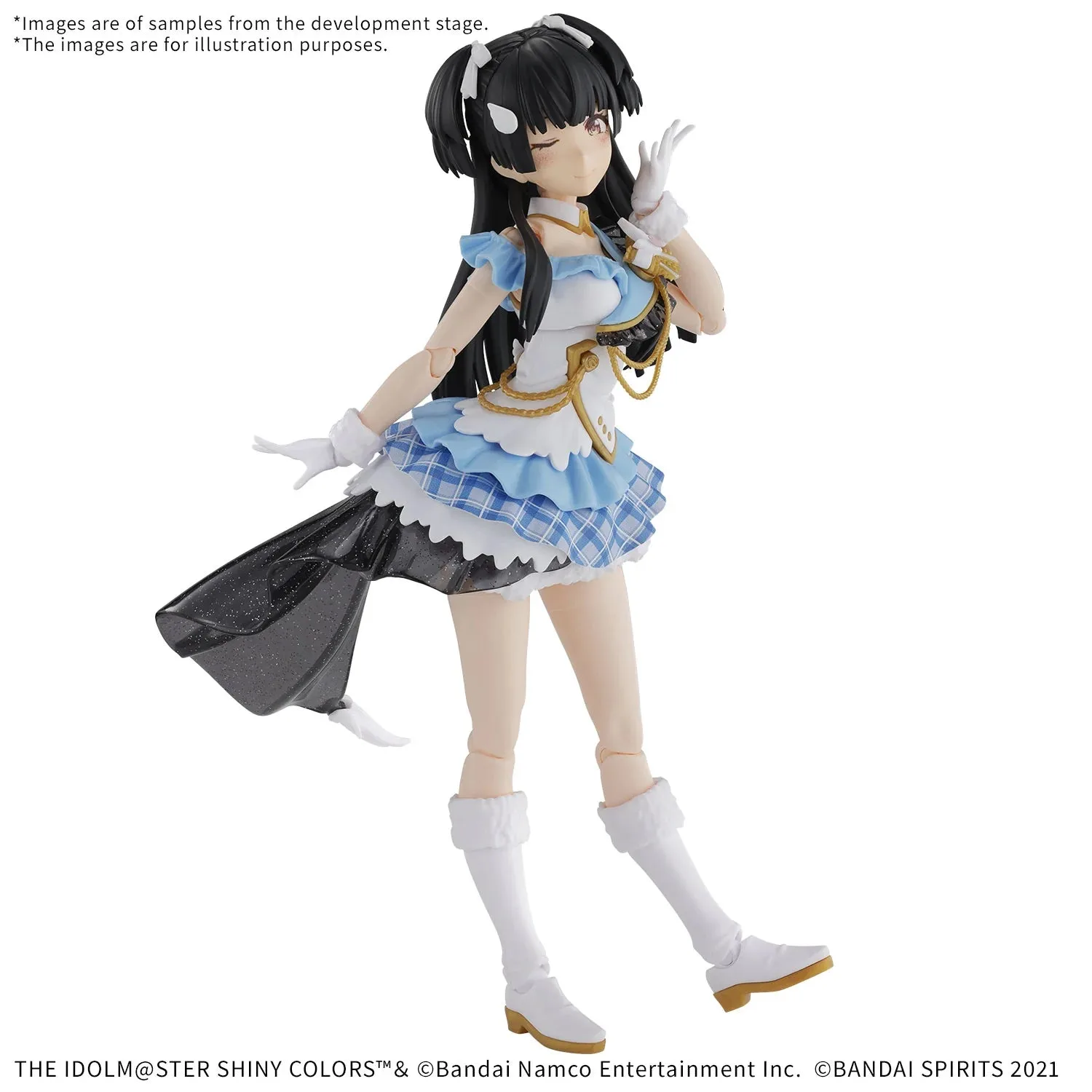
The difference is not just size. Prize figures are made for arcade or promotional distribution, so they are built to a price: simpler paint masks, fewer separate parts, and a fixed pose. Scale figures are produced for retail collectors, with finer sculpting, more paint layers, and a base that is often part of the composition. The gap shows up in faces, hands, and small accessories first.
That does not make prize figures bad. A well-chosen prize figure can look clean on a shelf at arm's length. The trade-off is that close-up inspection reveals the shortcuts. If you display behind glass and mostly view from a distance, the difference shrinks. If you handle and photograph your figures, the scale figure's extra detail is easier to justify.
Price and value: where the money goes
Prize figures are cheaper because the production budget is lower, not because the character license is cheaper. Scale figures cost more because of sculpting time, paint steps, and smaller production runs. In our catalog, the gap is visible: the PM Perching Figure Chinatsu Kano Cultural Festival Ver. is listed at USD 23.46, while the 1/24 Lancia Stratos HF Chardonnet kit is USD 29.76. Those are different product types, but they show how a modest price step can buy a big jump in part count and finish.
When you ask whether a scale figure is worth it, compare it to the cost of two or three prize figures of the same character. If you would rather have one detailed centerpiece than three simpler ones, the scale figure is the better use of your budget.
How to judge prize figure quality before you buy
Look for paint edges on the hair and clothing, not just the face. Prize figures often use fewer color separations, so stripes and trim can be simplified. Check whether the pose relies on a large support stand; if the stand is bulky, it changes how the figure reads on a shelf. Also check the manufacturer: a known maker like SEGA is a signal that the figure was produced with some consistency, though it does not guarantee a perfect sample.
If you collect anime figures, the PM Perching Figure line is a good example of a prize-style release: it is designed for display, uses a perching pose, and is made by SEGA. It is not a scale figure, and it is not priced like one. Treat it as a character piece, not a centerpiece.
When a scale figure is the smarter buy
Scale figures make sense when the character is a long-term favorite, when you want a specific outfit or moment, or when you plan to build a focused display. They also hold up better to close viewing, which matters if you photograph your collection or display it at eye level.
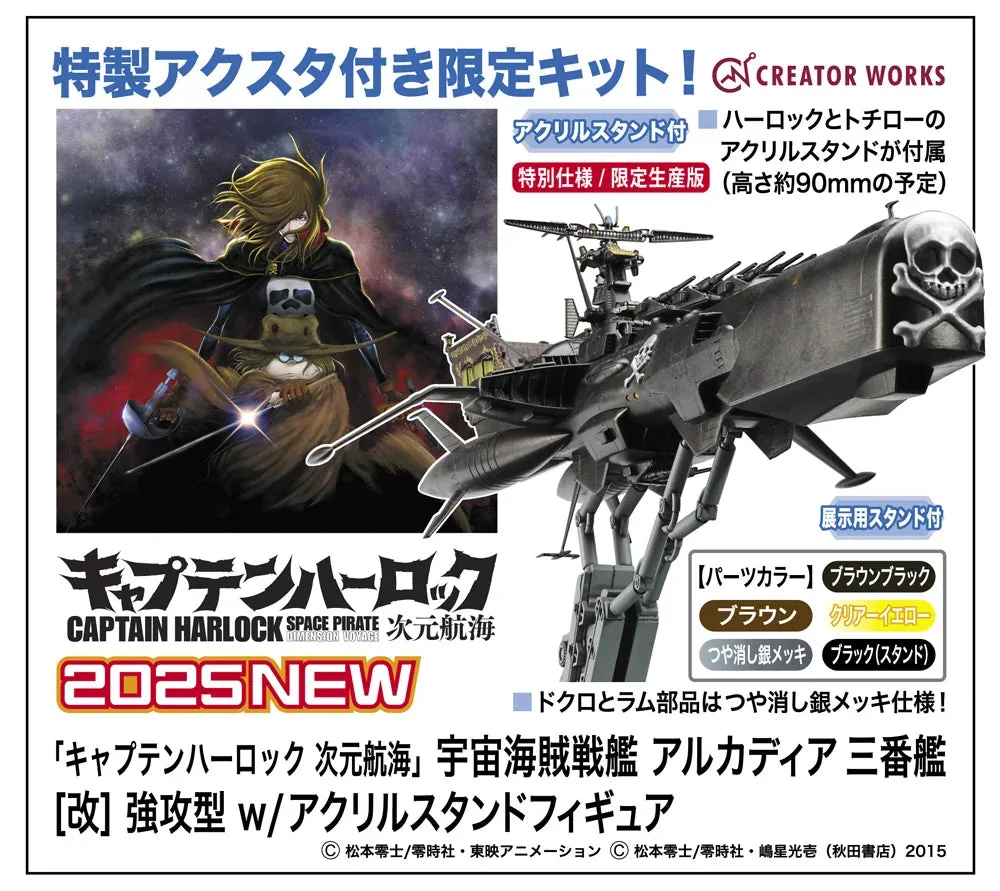
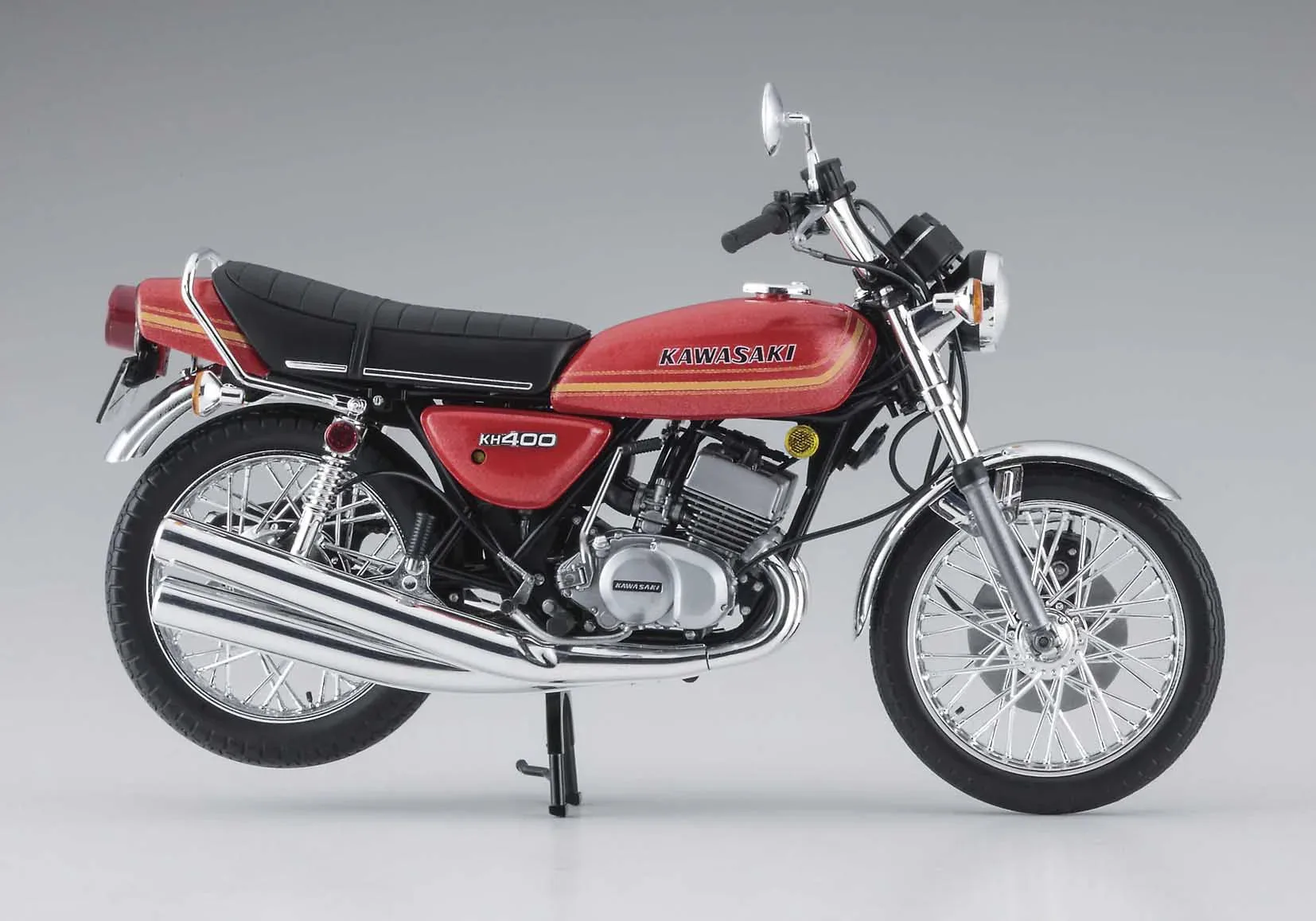
Scale model kits are a related but separate path. A kit like the 1/24 Lancia Stratos HF Chardonnet gives you a build project and a finished piece at a scale figure price. If you enjoy assembly, that route can deliver more hours and more personal attachment per dollar than a pre-painted figure. The trade-off is time and tools, and the finish depends on your work.
Display, space, and collection balance
Prize figures are easier to rotate and store because they are lighter and often smaller. Scale figures need more room, and their bases can be wide. If your shelf is already full, adding a scale figure may force you to move or box something else. Plan the space before you buy, not after.
A practical mix is one scale figure per favorite character and prize figures for the rest. That keeps the shelf varied without turning every purchase into a major expense. If you also build models, keep those on a separate shelf so tools and dust do not mix with painted figures.
Prize vs scale: the trade-offs that decide it
- Price vs detail: Prize figures cost less because they use simpler paint and fewer parts. Scale figures cost more because of finer sculpting and finish. If you view from a distance, prize is enough. If you inspect closely, scale earns its price.
- Ready to display vs build required: Prize and scale figures arrive ready to display. Scale model kits like the 1/24 Lancia Stratos HF require assembly and finishing. Choose a kit only if you want the build as part of the hobby.
- Space and rotation: Prize figures are lighter and easier to store. Scale figures often need wider bases and more shelf depth. Measure your shelf before committing to a scale piece.
Catalog examples that show the trade-off
- "Blue Box" PM Perching Figure "Chinatsu Kano" Cultural Festival Ver.: PM Perching Figure Chinatsu Kano Cultural Festival Ver. is a SEGA figure in a perching pose, priced at USD 23.46 in the catalog. This is a prize-style character figure: affordable, display-ready, and easy to place, but not built to scale-figure detail standards.
- 1/24 LANCIA STRATOS HF "CHARDONNET": 1/24 Lancia Stratos HF Chardonnet is a Hasegawa scale model kit priced at USD 29.76 in the catalog. For a similar budget, a scale model kit trades pre-painted convenience for a build project and a larger, more detailed finished piece.
- 30MS OPTION FACE PARTS FACIAL EXPRESSION SET 7 [COLOR A]: 30MS Option Face Parts Facial Expression Set 7 [Color A] is a Bandai Hobby option parts set priced at USD 15.36 in the catalog. If you customize figures or kits, option parts let you change expressions and extend a build without buying a whole new figure.
Which should you buy?
Best for
- Collectors on a budget who want a recognizable character quickly
- Fans who display figures at a distance or rotate them often
- Buyers testing a new series before committing to a scale piece
Not for
- Collectors who want the highest paint and sculpt detail available
- Buyers who plan to photograph figures close-up
- Anyone who wants a centerpiece with a complex base and pose