A healthy digestive system is the foundation of overall well-being. It breaks down food, absorbs nutrients, and eliminates waste—but when digestion is off, you feel it: bloating, gas, fatigue, and even brain fog. While many people turn to single supplements, combining probiotics and digestive enzymes can offer a more complete approach to gut health.
Probiotics are beneficial bacteria that balance your gut microbiome, while enzymes help break down the food you eat into absorbable nutrients. Together, they support digestion from two angles: enzymes do the immediate work of digestion, and probiotics maintain the long-term environment that keeps your gut thriving. In this guide, we'll explore how they work together and how to incorporate them into your routine naturally.
What Are Probiotics and How Do They Support Digestion?
Probiotics are live microorganisms that provide health benefits when consumed in adequate amounts. They help maintain a healthy balance of gut bacteria, which is essential for proper digestion, immune function, and even mood. A balanced microbiome supports the breakdown of complex carbohydrates and produces short-chain fatty acids that nourish the gut lining.
When your gut flora is disrupted—by stress, poor diet, or antibiotics—you may experience bloating, irregularity, and a weakened immune response. Taking a daily probiotic can help restore that balance. Look for strains like Lactobacillus and Bifidobacterium, which are well-studied for digestive support. For a convenient option, consider a high-quality probiotic supplement that fits your lifestyle.
- Probiotics help maintain a healthy gut microbiome.
- They support nutrient absorption and immune function.
- Regular use can reduce bloating and irregularity.
What Are Digestive Enzymes and Why Do You Need Them?
Digestive enzymes are proteins that break down food into smaller molecules—proteins into amino acids, fats into fatty acids, and carbohydrates into simple sugars. Your body produces enzymes naturally, but factors like age, stress, and processed foods can reduce their output, leading to incomplete digestion and discomfort.
Supplemental enzymes can help fill the gap. For example, protease breaks down protein, lipase digests fat, and amylase handles carbs. Taking enzymes with meals can ease bloating, reduce gas, and improve nutrient absorption. This is especially helpful for those with occasional indigestion or who eat heavy meals.
- Enzymes help break down proteins, fats, and carbohydrates.
- They reduce bloating and gas after meals.
- Supplemental enzymes support natural enzyme production.
Why Combining Probiotics and Enzymes Is a Winning Strategy
While probiotics and enzymes work differently, they complement each other beautifully. Enzymes do the immediate work of digesting food, ensuring that nutrients are available for absorption. Probiotics, on the other hand, create a healthy gut environment that supports enzyme activity and overall digestive function.
For example, enzymes can help reduce undigested food particles that feed harmful bacteria, while probiotics promote beneficial bacteria that produce their own enzymes. Together, they can improve nutrient uptake, reduce digestive discomfort, and support long-term gut health. This combination is especially beneficial for those with occasional digestive issues or who want to maximize their nutritional intake.
- Enzymes improve immediate digestion, while probiotics support long-term gut balance.
- Together, they reduce bloating and enhance nutrient absorption.
- A combination approach addresses multiple aspects of digestive health.
How to Incorporate Probiotics and Enzymes into Your Routine
To get the most benefit, consider taking digestive enzymes with meals, as they work directly on the food you eat. Probiotics can be taken at any time, but many people prefer taking them on an empty stomach or with a light meal to help them reach the intestines alive. Consistency is key—make them part of your daily routine.
You can also support your digestion naturally by eating a balanced diet rich in whole foods, staying hydrated, and managing stress. Foods like yogurt, kefir, and fermented vegetables provide natural probiotics, while pineapple and papaya contain natural enzymes. However, supplements can provide a more concentrated and reliable dose.
- Take enzymes with meals for best results.
- Take probiotics consistently, preferably on an empty stomach.
- Support your gut with a fiber-rich diet and adequate water intake.
Choosing the Right Digestive Support Supplements
When selecting a probiotic, look for a product that lists specific strains, has a high CFU count, and ensures the bacteria survive stomach acid. For enzymes, choose a broad-spectrum formula that includes protease, lipase, and amylase. Quality matters—choose reputable brands that prioritize purity and potency.
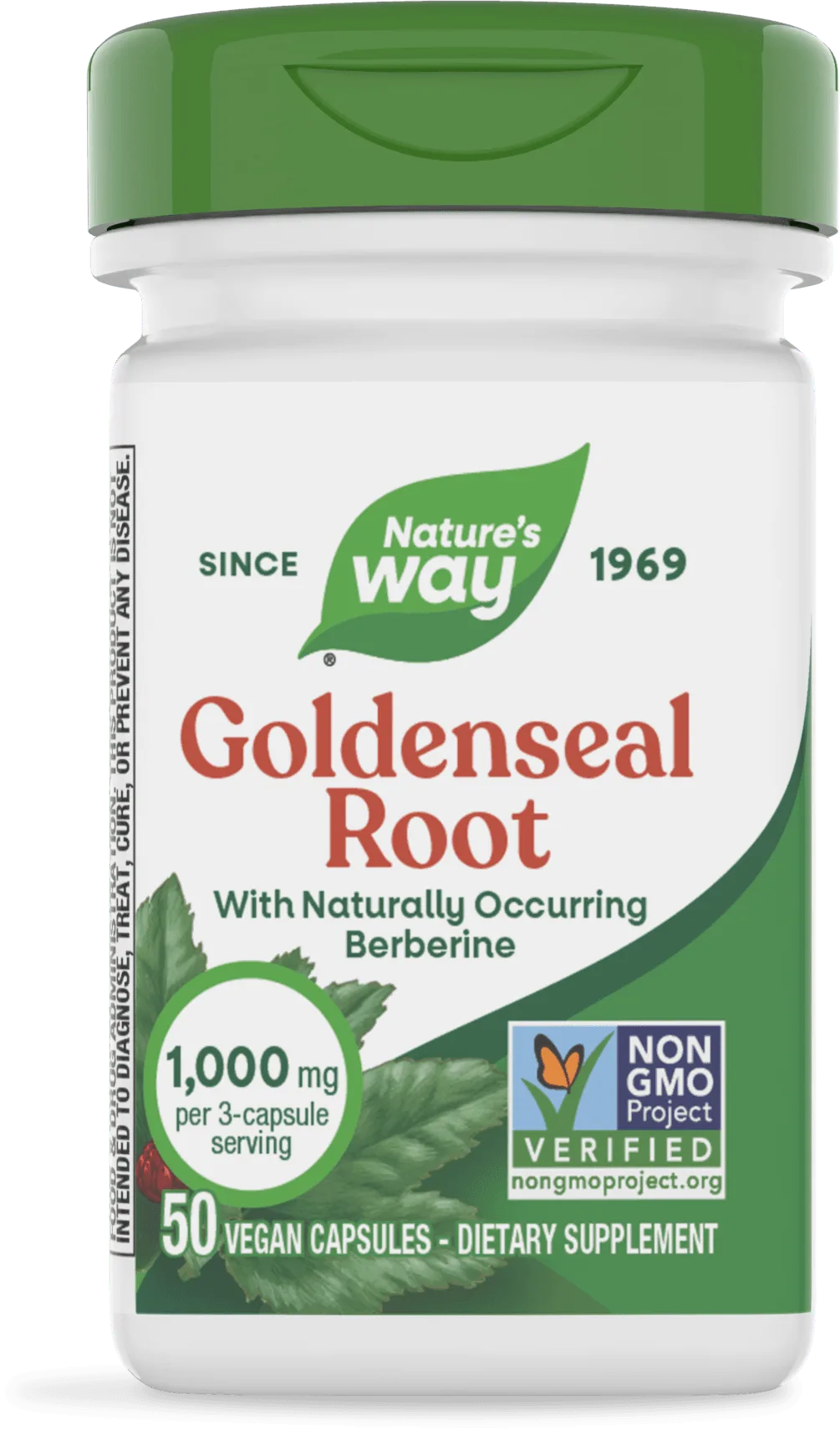
At Nature's Way, you'll find a variety of digestive health supplements designed to support your gut. For example, their probiotic blends and enzyme formulas are crafted to deliver effective support. Additionally, incorporating natural herbs like https://natureswaybx.com/products/goldenseal-root-384734Goldenseal Root or Hawthorn Berries can complement your digestive routine, though these are more traditional remedies. Always consult with a healthcare provider before starting any new supplement regimen.
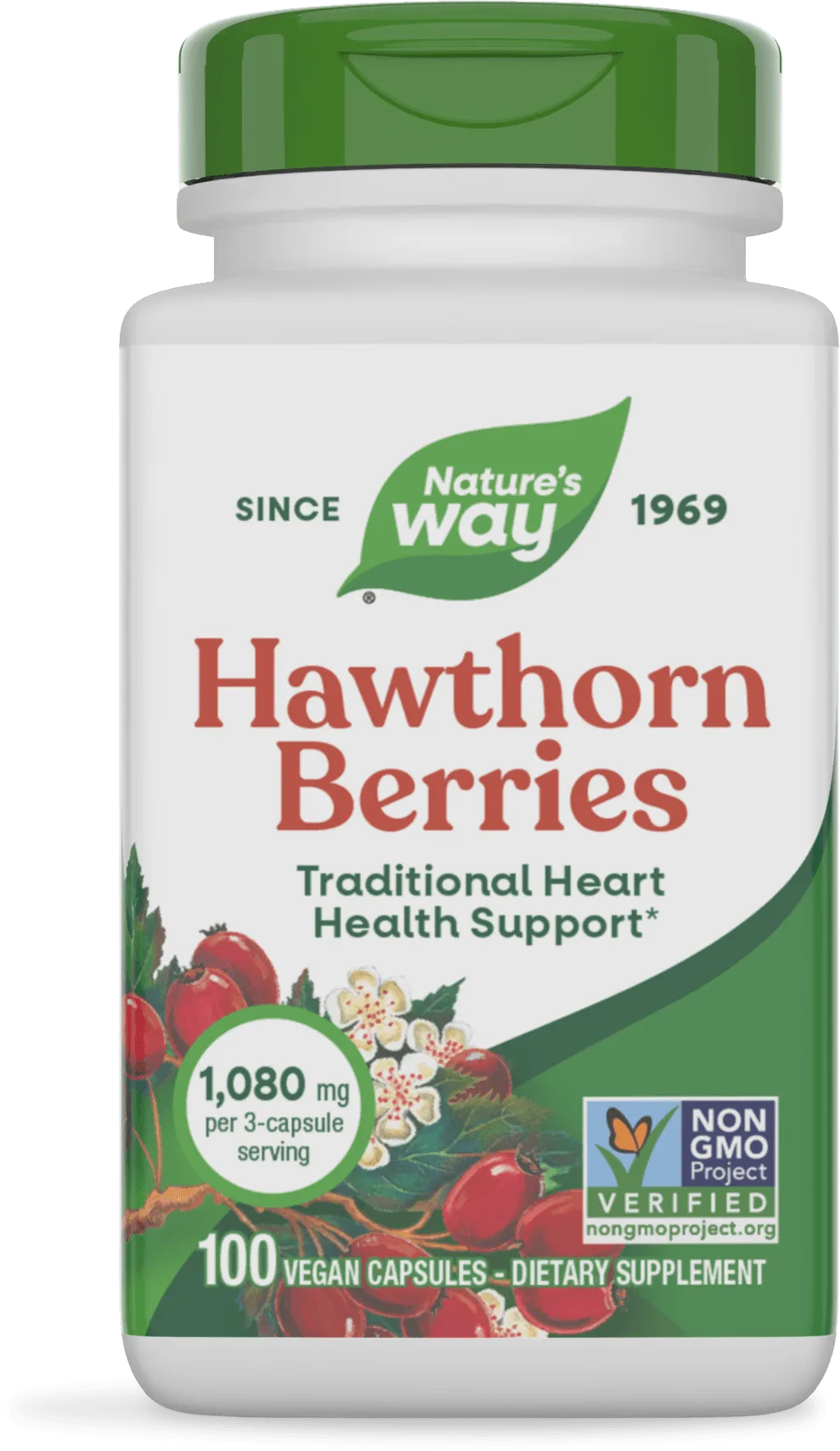
Hawthorn Berries
- Check for specific probiotic strains and CFU count.
- Choose a broad-spectrum enzyme formula.
- Consult a healthcare provider if you have underlying conditions.
Your digestive health is too important to ignore. By combining probiotics and digestive enzymes, you can support both immediate digestion and long-term gut balance. Whether you're dealing with occasional bloating or simply want to optimize your nutrition, this duo offers a natural, effective solution. Explore Nature's Way's range of digestive support supplements to find the right fit for your needs.